
Ai Powered Medical Supply Chain Resilience Platforms Market
AI-Powered Medical Supply Chain Resilience Platforms Market Forecasts to 2034 - Global Analysis By Component (Software Platforms, AI Analytics & Intelligence Modules, Integration & Connectivity Solutions and Services), Platform Type, AI Technology, Deployment Mode, Supply Chain Function, Product Category, Application, End User and By Geography

Market Dynamics:
Driver:
Increasing demand for healthcare supply chain visibility and resilience
Growing concerns regarding medical supply shortages, procurement disruptions, and inventory inefficiencies are encouraging healthcare organizations to adopt AI-powered supply chain resilience platforms. Hospitals, pharmaceutical manufacturers, and medical distributors require greater visibility into supplier networks, product availability, and logistics performance. Artificial intelligence enables predictive demand forecasting, early disruption detection, and automated inventory optimization. Increasing complexity across global healthcare supply networks, combined with pressure to maintain uninterrupted patient care, is strengthening demand for intelligent platforms that improve operational preparedness and supply continuity.
Restraint:
High implementation costs and complex system integration
AI-powered medical supply chain resilience platforms require substantial investment in software deployment, data integration, infrastructure modernization, and workforce training. Healthcare organizations frequently operate fragmented procurement systems, legacy inventory databases, and incompatible enterprise applications, complicating implementation. Limited data standardization across suppliers and distributors can reduce predictive accuracy and system interoperability. Smaller hospitals and healthcare networks may face financial constraints when adopting advanced analytics platforms. Cybersecurity requirements, ongoing maintenance expenses, and organizational resistance to workflow changes further restrict market adoption.
Opportunity:
Expansion of predictive analytics and autonomous supply chain orchestration
Increasing adoption of predictive analytics, generative AI, and autonomous decision-support systems creates substantial opportunities for medical supply chain resilience platform providers. Intelligent platforms can identify emerging supplier risks, recommend alternative sourcing strategies, and simulate disruption scenarios before operational failures occur. Integration with digital twins, cloud infrastructure, and real-time logistics information enables coordinated supply chain responses. Growing interest in automated procurement, inventory optimization, and intelligent supplier collaboration is expected to create opportunities for technology vendors serving hospitals, pharmaceutical companies, and medical distributors.
Threat:
Cybersecurity vulnerabilities and unreliable supply chain data
AI-powered medical supply chain platforms face significant risks associated with cybersecurity breaches, inaccurate datasets, and unreliable predictive recommendations. Healthcare supply networks exchange sensitive procurement, supplier, inventory, and operational information across multiple interconnected systems. Unauthorized access or system disruptions could compromise supply continuity and organizational confidence. Inconsistent data quality, algorithmic bias, and limited transparency may generate inaccurate demand forecasts or supplier risk assessments. Competition from established enterprise resource planning solutions and evolving data protection regulations creates additional challenges for platform developers.
Covid-19 Impact:
The COVID-19 pandemic exposed significant vulnerabilities in global medical supply chains, including shortages of personal protective equipment, diagnostic supplies, pharmaceuticals, and critical medical devices. Disruptions in manufacturing, transportation, and international procurement highlighted the limitations of traditional inventory management systems. These challenges accelerated interest in AI-powered forecasting, supplier monitoring, and real-time supply chain visibility platforms. Healthcare organizations increasingly prioritized supply diversification, emergency inventory planning, and digital procurement capabilities. Post-pandemic resilience initiatives continue to support investments in predictive analytics and intelligent healthcare supply chain management.
The software platforms segment is expected to be the largest during the forecast period
The software platforms segment is expected to account for the largest market share during the forecast period. This estimated dominance reflects demand for comprehensive solutions supporting procurement management, inventory visibility, supplier collaboration, and supply chain risk assessment. Hospitals and healthcare distributors increasingly adopt integrated software platforms to consolidate operational information and improve supply planning. Revenue opportunities include enterprise subscriptions, platform licensing, implementation, and ongoing maintenance services. Integration with existing healthcare enterprise systems and growing demand for centralized supply chain intelligence further strengthen commercial opportunities.
The generative AI & agentic AI segment is expected to have the highest CAGR during the forecast period
Over the forecast period, the generative AI & agentic AI segment is projected to register the highest CAGR. Increasing research into autonomous supply chain decision-making and intelligent workflow automation supports advanced healthcare logistics applications. Generative AI can assist with supplier intelligence, procurement documentation, disruption analysis, and scenario evaluation. Agentic AI systems may automate routine sourcing decisions, monitor inventory exceptions, and recommend corrective actions. Commercial adoption will depend on data reliability, cybersecurity, system interoperability, and appropriate human oversight. Continued innovation is expected to accelerate specialized healthcare supply chain applications.
Region with largest share:
North America is expected to hold the largest market share during the forecast period. The region benefits from established healthcare infrastructure, significant investment in enterprise technologies, and increasing adoption of AI-driven supply chain management solutions. The United States represents a major market supported by hospital networks, medical distributors, pharmaceutical manufacturers, and healthcare technology providers. Growing emphasis on supply continuity, procurement efficiency, and inventory optimization encourages platform adoption. Regulatory requirements and cybersecurity considerations influence implementation. Continued investment in healthcare digitization and predictive analytics supports regional market development.
Region with highest CAGR:
Asia Pacific is projected to register the highest CAGR during the forecast period. Expanding healthcare infrastructure, increasing medical manufacturing activity, and growing investment in digital supply chain technologies support regional opportunities. China, India, Japan, South Korea, and Australia represent important markets for intelligent medical supply chain management platforms. AI-powered solutions can help healthcare organizations address procurement complexity, inventory inefficiencies, and supply disruption risks. However, differences in digital infrastructure, data standardization, and technology adoption influence implementation. Partnerships between technology providers and healthcare organizations could accelerate regional market growth.
Key players in the market
Some of the key players in AI-Powered Medical Supply Chain Resilience Platforms Market include Global Healthcare Exchange, LLC (GHX), Medline Inc., Clariun, Inc., Tecsys Inc., Oracle Corporation, SAP SE, Blue Yonder Group, Inc., Kinaxis Inc., Resilinc Corporation, Microsoft Corporation, International Business Machines Corporation (IBM), McKesson Corporation, Cardinal Health, Inc., Vizient, Inc., LogiTag Systems Ltd., Terso Solutions, Inc., Infor, and Palantir Technologies Inc.
Key Developments:
In October 2026, Tecsys announced the availability of AI-powered TecsysIQ solutions designed to help healthcare organizations anticipate purchasing risks, improve inventory visibility, reduce supply expiration, and optimize clinical supply chain decisions.
In October 2026, Global Healthcare Exchange (GHX) announced the winners of its vibeGHX initiative, highlighting AI-powered prototypes for healthcare supply chain exception resolution, contract clarification, and supply risk monitoring.
In June 2026, Cardinal Health reported recognition for its use of the Kinaxis Maestro AI-driven platform, which improved medical supply chain visibility, proactive decision-making, and distribution performance.
Components Covered:
• Software Platforms
• AI Analytics & Intelligence Modules
• Integration & Connectivity Solutions
• Services
Platform Types Covered:
• Supply Chain Control Tower Platforms
• Predictive Supply Chain Risk Management Platforms
• Intelligent Inventory Management Platforms
• Supplier Collaboration & Resilience Platforms
• Integrated Supply Chain Orchestration Platforms
AI Technologies Covered:
• Machine Learning & Deep Learning
• Predictive & Prescriptive Analytics
• Natural Language Processing (NLP)
• Generative AI & Agentic AI
• Digital Twins & Simulation-Based AI
Deployment Modes Covered:
• Cloud-Based
• On-Premises
• Hybrid
Supply Chain Functions Covered:
• Procurement & Supplier Management
• Demand Forecasting & Supply Planning
• Inventory & Warehouse Management
• Logistics & Distribution Management
• Supply Chain Risk Monitoring
• Supply Chain Recovery & Continuity Planning
Product Categories Covered:
• Medical Devices & Equipment
• Medical Consumables & Surgical Supplies
• Pharmaceuticals & Biologics
• Diagnostic & Laboratory Supplies
• Other Medical Supply Categories
Applications Covered:
• Supply Disruption Prediction & Early Warning
• Medical Supply Shortage Management
• Supplier Risk Assessment & Diversification
• Inventory Optimization & Demand Forecasting
• Alternative Product Identification & Substitution
• Supply Chain Visibility & Traceability
• Scenario Planning & Resilience Optimization
End Users Covered:
• Hospitals & Health Systems
• Medical Device Manufacturers
• Pharmaceutical & Biotechnology Companies
• Medical Supply Distributors & Wholesalers
• Diagnostic Laboratories & Healthcare Networks
• Other End Users
Regions Covered:
• North America
o United States
o Canada
o Mexico
• Europe
o United Kingdom
o Germany
o France
o Italy
o Spain
o Netherlands
o Belgium
o Sweden
o Switzerland
o Poland
o Rest of Europe
• Asia Pacific
o China
o Japan
o India
o South Korea
o Australia
o Indonesia
o Thailand
o Malaysia
o Singapore
o Vietnam
o Rest of Asia Pacific
• South America
o Brazil
o Argentina
o Colombia
o Chile
o Peru
o Rest of South America
• Rest of the World (RoW)
o Middle East
Saudi Arabia
United Arab Emirates
Qatar
Israel
Rest of Middle East
o Africa
South Africa
Egypt
Morocco
Rest of Africa
What our report offers:
- Market share assessments for the regional and country-level segments
- Strategic recommendations for the new entrants
- Covers Market data for the years 2023, 2024, 2025, 2026, 2027, 2028, 2030, 2032 and 2034
- Market Trends (Drivers, Constraints, Opportunities, Threats, Challenges, Investment Opportunities, and recommendations)
- Strategic recommendations in key business segments based on the market estimations
- Competitive landscaping mapping the key common trends
- Company profiling with detailed strategies, financials, and recent developments
- Supply chain trends mapping the latest technological advancements
Complimentary Customization Options:
- Every purchase of this report includes ONE complimentary customization option, allowing clients to tailor the research to their specific business requirements at no additional cost..
1. Company Profiling & Competitive Intelligence
• Detailed profiling of up to 3 additional market players
• SWOT analysis of up to 3 key market participants
• Analysis of competitive positioning, product portfolios and strategic developments
2. Country-Level Market Analysis
• Market size estimates, forecasts and CAGR analysis for one additional country of the client's choice
• Country-specific market trends, growth drivers, opportunities and challenges
• Regional market insights tailored to the client's geographical interests
• Subject to data availability and feasibility assessment
3. Competitive Benchmarking
• Comparative benchmarking of up to 5 key market players
• Evaluation based on product portfolios, geographical presence, technological capabilities and strategic partnerships
• Competitive positioning matrix highlighting key strengths and market differentiation
4. Additional Market Segmentation
• Market size estimates and forecasts for one additional subsegment relevant to the client's requirements
• Analysis of growth opportunities, demand patterns and emerging trends within the selected subsegment
• Subject to data availability and feasibility assessment
5. Market Trends & Strategic Insights
• Analysis of up to 3 emerging market trends relevant to the client's business interests
• Assessment of key growth opportunities, technological developments and potential market disruptions
• Strategic insights to support market entry, expansion or investment decisions
Customization Terms
• Clients may select one of the above complimentary customization options per report purchase.
• Complimentary customization is subject to data availability, research feasibility and scope confirmation.
• Requests exceeding the complimentary scope may be accommodated through paid customization.
• Delivery timelines for customized content will be confirmed upon assessment of the requirements.
Need something more specific?
- Our research team can also provide tailored research solutions to address your unique business requirements. Contact us to discuss additional customization opportunities.
Table of Contents
1 Executive Summary1.1 Market Snapshot and Key Highlights
1.2 Growth Drivers, Challenges, and Opportunities
1.3 Competitive Landscape Overview
1.4 Strategic Insights and Recommendations
2 Research Framework
2.1 Study Objectives and Scope
2.2 Stakeholder Analysis
2.3 Research Assumptions and Limitations
2.4 Research Methodology
2.4.1 Data Collection (Primary and Secondary)
2.4.2 Data Modeling and Estimation Techniques
2.4.3 Data Validation and Triangulation
2.4.4 Analytical and Forecasting Approach
3 Market Dynamics and Trend Analysis
3.1 Market Definition and Structure
3.2 Key Market Drivers
3.3 Market Restraints and Challenges
3.4 Growth Opportunities and Investment Hotspots
3.5 Industry Threats and Risk Assessment
3.6 Technology and Innovation Landscape
3.7 Emerging and High-Growth Markets
3.8 Regulatory and Policy Environment
3.9 Impact of COVID-19 and Recovery Outlook
4 Competitive and Strategic Assessment
4.1 Porter's Five Forces Analysis
4.1.1 Supplier Bargaining Power
4.1.2 Buyer Bargaining Power
4.1.3 Threat of Substitutes
4.1.4 Threat of New Entrants
4.1.5 Competitive Rivalry
4.2 Market Share Analysis of Key Players
4.3 Product Benchmarking and Performance Comparison
5 Global AI-Powered Medical Supply Chain Resilience Platforms Market, By Component
5.1 Software Platforms
5.2 AI Analytics & Intelligence Modules
5.3 Integration & Connectivity Solutions
5.4 Services
6 Global AI-Powered Medical Supply Chain Resilience Platforms Market, By Platform Type
6.1 Supply Chain Control Tower Platforms
6.2 Predictive Supply Chain Risk Management Platforms
6.3 Intelligent Inventory Management Platforms
6.4 Supplier Collaboration & Resilience Platforms
6.5 Integrated Supply Chain Orchestration Platforms
7 Global AI-Powered Medical Supply Chain Resilience Platforms Market, By AI Technology
7.1 Machine Learning & Deep Learning
7.2 Predictive & Prescriptive Analytics
7.3 Natural Language Processing (NLP)
7.4 Generative AI & Agentic AI
7.5 Digital Twins & Simulation-Based AI
8 Global AI-Powered Medical Supply Chain Resilience Platforms Market, By Deployment Mode
8.1 Cloud-Based
8.2 On-Premises
8.3 Hybrid
9 Global AI-Powered Medical Supply Chain Resilience Platforms Market, By Supply Chain Function
9.1 Procurement & Supplier Management
9.2 Demand Forecasting & Supply Planning
9.3 Inventory & Warehouse Management
9.4 Logistics & Distribution Management
9.5 Supply Chain Risk Monitoring
9.6 Supply Chain Recovery & Continuity Planning
10 Global AI-Powered Medical Supply Chain Resilience Platforms Market, By Product Category
10.1 Medical Devices & Equipment
10.2 Medical Consumables & Surgical Supplies
10.3 Pharmaceuticals & Biologics
10.4 Diagnostic & Laboratory Supplies
10.5 Other Medical Supply Categories
11 Global AI-Powered Medical Supply Chain Resilience Platforms Market, By Application
11.1 Supply Disruption Prediction & Early Warning
11.2 Medical Supply Shortage Management
11.3 Supplier Risk Assessment & Diversification
11.4 Inventory Optimization & Demand Forecasting
11.5 Alternative Product Identification & Substitution
11.6 Supply Chain Visibility & Traceability
11.7 Scenario Planning & Resilience Optimization
12 Global AI-Powered Medical Supply Chain Resilience Platforms Market, By End User
12.1 Hospitals & Health Systems
12.2 Medical Device Manufacturers
12.3 Pharmaceutical & Biotechnology Companies
12.4 Medical Supply Distributors & Wholesalers
12.5 Diagnostic Laboratories & Healthcare Networks
12.6 Other End Users
13 Global AI-Powered Medical Supply Chain Resilience Platforms Market, By Geography
13.1 North America
13.1.1 United States
13.1.2 Canada
13.1.3 Mexico
13.2 Europe
13.2.1 United Kingdom
13.2.2 Germany
13.2.3 France
13.2.4 Italy
13.2.5 Spain
13.2.6 Netherlands
13.2.7 Belgium
13.2.8 Sweden
13.2.9 Switzerland
13.2.10 Poland
13.2.11 Rest of Europe
13.3 Asia Pacific
13.3.1 China
13.3.2 Japan
13.3.3 India
13.3.4 South Korea
13.3.5 Australia
13.3.6 Indonesia
13.3.7 Thailand
13.3.8 Malaysia
13.3.9 Singapore
13.3.10 Vietnam
13.3.11 Rest of Asia Pacific
13.4 South America
13.4.1 Brazil
13.4.2 Argentina
13.4.3 Colombia
13.4.4 Chile
13.4.5 Peru
13.4.6 Rest of South America
13.5 Rest of the World (RoW)
13.5.1 Middle East
13.5.1.1 Saudi Arabia
13.5.1.2 United Arab Emirates
13.5.1.3 Qatar
13.5.1.4 Israel
13.5.1.5 Rest of Middle East
13.5.2 Africa
13.5.2.1 South Africa
13.5.2.2 Egypt
13.5.2.3 Morocco
13.5.2.4 Rest of Africa
14 Strategic Market Intelligence
14.1 Industry Value Network and Supply Chain Assessment
14.2 White-Space and Opportunity Mapping
14.3 Product Evolution and Market Life Cycle Analysis
14.4 Channel, Distributor, and Go-to-Market Assessment
15 Industry Developments and Strategic Initiatives
15.1 Mergers and Acquisitions
15.2 Partnerships, Alliances, and Joint Ventures
15.3 New Product Launches and Certifications
15.4 Capacity Expansion and Investments
15.5 Other Strategic Initiatives
16 Company Profiles
16.1 Global Healthcare Exchange, LLC (GHX)
16.2 Medline Inc.
16.3 Clariun, Inc.
16.4 Tecsys Inc.
16.5 Oracle Corporation
16.6 SAP SE
16.7 Blue Yonder Group, Inc.
16.8 Kinaxis Inc.
16.9 Resilinc Corporation
16.10 Microsoft Corporation
16.11 International Business Machines Corporation (IBM)
16.12 McKesson Corporation
16.13 Cardinal Health, Inc.
16.14 Vizient, Inc.
16.15 LogiTag Systems Ltd.
16.16 Terso Solutions, Inc.
16.17 Infor
16.18 Palantir Technologies Inc.
List of Tables
1 Global AI-Powered Medical Supply Chain Resilience Platforms Market Outlook, By Region (2023-2034) ($MN)
2 Global AI-Powered Medical Supply Chain Resilience Platforms Market Outlook, By Component (2023-2034) ($MN)
3 Global AI-Powered Medical Supply Chain Resilience Platforms Market Outlook, By Software Platforms (2023-2034) ($MN)
4 Global AI-Powered Medical Supply Chain Resilience Platforms Market Outlook, By AI Analytics & Intelligence Modules (2023-2034) ($MN)
5 Global AI-Powered Medical Supply Chain Resilience Platforms Market Outlook, By Integration & Connectivity Solutions (2023-2034) ($MN)
6 Global AI-Powered Medical Supply Chain Resilience Platforms Market Outlook, By Services (2023-2034) ($MN)
7 Global AI-Powered Medical Supply Chain Resilience Platforms Market Outlook, By Platform Type (2023-2034) ($MN)
8 Global AI-Powered Medical Supply Chain Resilience Platforms Market Outlook, By Supply Chain Control Tower Platforms (2023-2034) ($MN)
9 Global AI-Powered Medical Supply Chain Resilience Platforms Market Outlook, By Predictive Supply Chain Risk Management Platforms (2023-2034) ($MN)
10 Global AI-Powered Medical Supply Chain Resilience Platforms Market Outlook, By Intelligent Inventory Management Platforms (2023-2034) ($MN)
11 Global AI-Powered Medical Supply Chain Resilience Platforms Market Outlook, By Supplier Collaboration & Resilience Platforms (2023-2034) ($MN)
12 Global AI-Powered Medical Supply Chain Resilience Platforms Market Outlook, By Integrated Supply Chain Orchestration Platforms (2023-2034) ($MN)
13 Global AI-Powered Medical Supply Chain Resilience Platforms Market Outlook, By AI Technology (2023-2034) ($MN)
14 Global AI-Powered Medical Supply Chain Resilience Platforms Market Outlook, By Machine Learning & Deep Learning (2023-2034) ($MN)
15 Global AI-Powered Medical Supply Chain Resilience Platforms Market Outlook, By Predictive & Prescriptive Analytics (2023-2034) ($MN)
16 Global AI-Powered Medical Supply Chain Resilience Platforms Market Outlook, By Natural Language Processing (NLP) (2023-2034) ($MN)
17 Global AI-Powered Medical Supply Chain Resilience Platforms Market Outlook, By Generative AI & Agentic AI (2023-2034) ($MN)
18 Global AI-Powered Medical Supply Chain Resilience Platforms Market Outlook, By Digital Twins & Simulation-Based AI (2023-2034) ($MN)
19 Global AI-Powered Medical Supply Chain Resilience Platforms Market Outlook, By Deployment Mode (2023-2034) ($MN)
20 Global AI-Powered Medical Supply Chain Resilience Platforms Market Outlook, By Cloud-Based (2023-2034) ($MN)
21 Global AI-Powered Medical Supply Chain Resilience Platforms Market Outlook, By On-Premises (2023-2034) ($MN)
22 Global AI-Powered Medical Supply Chain Resilience Platforms Market Outlook, By Hybrid (2023-2034) ($MN)
23 Global AI-Powered Medical Supply Chain Resilience Platforms Market Outlook, By Supply Chain Function (2023-2034) ($MN)
24 Global AI-Powered Medical Supply Chain Resilience Platforms Market Outlook, By Procurement & Supplier Management (2023-2034) ($MN)
25 Global AI-Powered Medical Supply Chain Resilience Platforms Market Outlook, By Demand Forecasting & Supply Planning (2023-2034) ($MN)
26 Global AI-Powered Medical Supply Chain Resilience Platforms Market Outlook, By Inventory & Warehouse Management (2023-2034) ($MN)
27 Global AI-Powered Medical Supply Chain Resilience Platforms Market Outlook, By Logistics & Distribution Management (2023-2034) ($MN)
28 Global AI-Powered Medical Supply Chain Resilience Platforms Market Outlook, By Supply Chain Risk Monitoring (2023-2034) ($MN)
29 Global AI-Powered Medical Supply Chain Resilience Platforms Market Outlook, By Supply Chain Recovery & Continuity Planning (2023-2034) ($MN)
30 Global AI-Powered Medical Supply Chain Resilience Platforms Market Outlook, By Product Category (2023-2034) ($MN)
31 Global AI-Powered Medical Supply Chain Resilience Platforms Market Outlook, By Medical Devices & Equipment (2023-2034) ($MN)
32 Global AI-Powered Medical Supply Chain Resilience Platforms Market Outlook, By Medical Consumables & Surgical Supplies (2023-2034) ($MN)
33 Global AI-Powered Medical Supply Chain Resilience Platforms Market Outlook, By Pharmaceuticals & Biologics (2023-2034) ($MN)
34 Global AI-Powered Medical Supply Chain Resilience Platforms Market Outlook, By Diagnostic & Laboratory Supplies (2023-2034) ($MN)
35 Global AI-Powered Medical Supply Chain Resilience Platforms Market Outlook, By Other Medical Supply Categories (2023-2034) ($MN)
36 Global AI-Powered Medical Supply Chain Resilience Platforms Market Outlook, By Application (2023-2034) ($MN)
37 Global AI-Powered Medical Supply Chain Resilience Platforms Market Outlook, By Supply Disruption Prediction & Early Warning (2023-2034) ($MN)
38 Global AI-Powered Medical Supply Chain Resilience Platforms Market Outlook, By Medical Supply Shortage Management (2023-2034) ($MN)
39 Global AI-Powered Medical Supply Chain Resilience Platforms Market Outlook, By Supplier Risk Assessment & Diversification (2023-2034) ($MN)
40 Global AI-Powered Medical Supply Chain Resilience Platforms Market Outlook, By Inventory Optimization & Demand Forecasting (2023-2034) ($MN)
41 Global AI-Powered Medical Supply Chain Resilience Platforms Market Outlook, By Alternative Product Identification & Substitution (2023-2034) ($MN)
42 Global AI-Powered Medical Supply Chain Resilience Platforms Market Outlook, By Supply Chain Visibility & Traceability (2023-2034) ($MN)
43 Global AI-Powered Medical Supply Chain Resilience Platforms Market Outlook, By Scenario Planning & Resilience Optimization (2023-2034) ($MN)
44 Global AI-Powered Medical Supply Chain Resilience Platforms Market Outlook, By End User (2023-2034) ($MN)
45 Global AI-Powered Medical Supply Chain Resilience Platforms Market Outlook, By Hospitals & Health Systems (2023-2034) ($MN)
46 Global AI-Powered Medical Supply Chain Resilience Platforms Market Outlook, By Medical Device Manufacturers (2023-2034) ($MN)
47 Global AI-Powered Medical Supply Chain Resilience Platforms Market Outlook, By Pharmaceutical & Biotechnology Companies (2023-2034) ($MN)
48 Global AI-Powered Medical Supply Chain Resilience Platforms Market Outlook, By Medical Supply Distributors & Wholesalers (2023-2034) ($MN)
49 Global AI-Powered Medical Supply Chain Resilience Platforms Market Outlook, By Diagnostic Laboratories & Healthcare Networks (2023-2034) ($MN)
50 Global AI-Powered Medical Supply Chain Resilience Platforms Market Outlook, By Other End Users (2023-2034) ($MN)
Note: Tables for North America, Europe, APAC, South America, and Rest of the World (RoW) Regions are also represented in the same manner as above.
List of Figures
RESEARCH METHODOLOGY
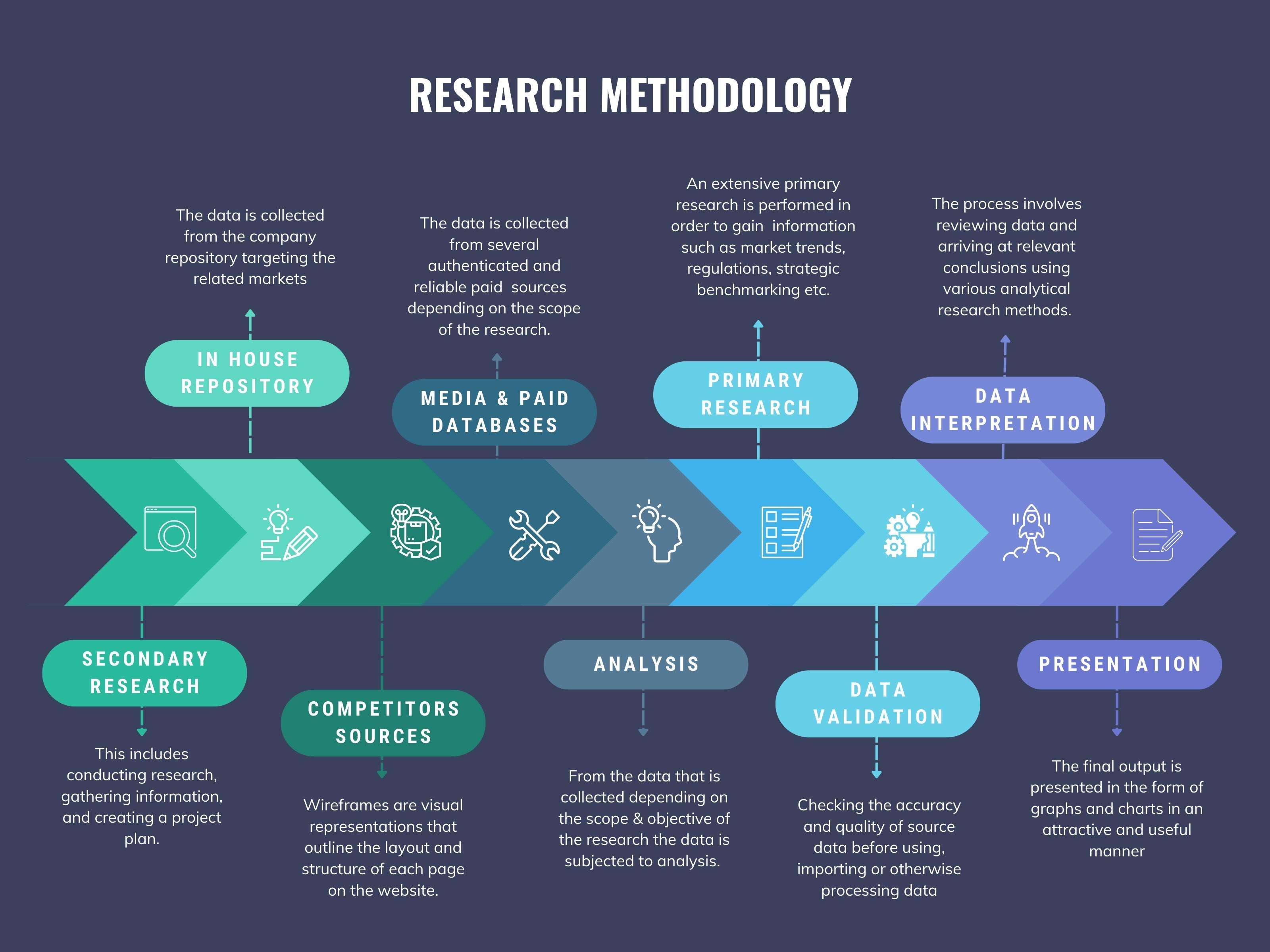
We at ‘Stratistics’ opt for an extensive research approach which involves data mining, data validation, and data analysis. The various research sources include in-house repository, secondary research, competitor’s sources, social media research, client internal data, and primary research.
Our team of analysts prefers the most reliable and authenticated data sources in order to perform the comprehensive literature search. With access to most of the authenticated data bases our team highly considers the best mix of information through various sources to obtain extensive and accurate analysis.
Each report takes an average time of a month and a team of 4 industry analysts. The time may vary depending on the scope and data availability of the desired market report. The various parameters used in the market assessment are standardized in order to enhance the data accuracy.
Data Mining
The data is collected from several authenticated, reliable, paid and unpaid sources and is filtered depending on the scope & objective of the research. Our reports repository acts as an added advantage in this procedure. Data gathering from the raw material suppliers, distributors and the manufacturers is performed on a regular basis, this helps in the comprehensive understanding of the products value chain. Apart from the above mentioned sources the data is also collected from the industry consultants to ensure the objective of the study is in the right direction.
Market trends such as technological advancements, regulatory affairs, market dynamics (Drivers, Restraints, Opportunities and Challenges) are obtained from scientific journals, market related national & international associations and organizations.
Data Analysis
From the data that is collected depending on the scope & objective of the research the data is subjected for the analysis. The critical steps that we follow for the data analysis include:
- Product Lifecycle Analysis
- Competitor analysis
- Risk analysis
- Porters Analysis
- PESTEL Analysis
- SWOT Analysis
The data engineering is performed by the core industry experts considering both the Marketing Mix Modeling and the Demand Forecasting. The marketing mix modeling makes use of multiple-regression techniques to predict the optimal mix of marketing variables. Regression factor is based on a number of variables and how they relate to an outcome such as sales or profits.
Data Validation
The data validation is performed by the exhaustive primary research from the expert interviews. This includes telephonic interviews, focus groups, face to face interviews, and questionnaires to validate our research from all aspects. The industry experts we approach come from the leading firms, involved in the supply chain ranging from the suppliers, distributors to the manufacturers and consumers so as to ensure an unbiased analysis.
We are in touch with more than 15,000 industry experts with the right mix of consultants, CEO's, presidents, vice presidents, managers, experts from both supply side and demand side, executives and so on.
The data validation involves the primary research from the industry experts belonging to:
- Leading Companies
- Suppliers & Distributors
- Manufacturers
- Consumers
- Industry/Strategic Consultants
Apart from the data validation the primary research also helps in performing the fill gap research, i.e. providing solutions for the unmet needs of the research which helps in enhancing the reports quality.
For more details about research methodology, kindly write to us at info@strategymrc.com
Frequently Asked Questions
In case of any queries regarding this report, you can contact the customer service by filing the “Inquiry Before Buy” form available on the right hand side. You may also contact us through email: info@strategymrc.com or phone: +1-301-202-5929
Yes, the samples are available for all the published reports. You can request them by filling the “Request Sample” option available in this page.
Yes, you can request a sample with your specific requirements. All the customized samples will be provided as per the requirement with the real data masked.
All our reports are available in Digital PDF format. In case if you require them in any other formats, such as PPT, Excel etc you can submit a request through “Inquiry Before Buy” form available on the right hand side. You may also contact us through email: info@strategymrc.com or phone: +1-301-202-5929
We offer a free 15% customization with every purchase. This requirement can be fulfilled for both pre and post sale. You may send your customization requirements through email at info@strategymrc.com or call us on +1-301-202-5929.
We have 3 different licensing options available in electronic format.
- Single User Licence: Allows one person, typically the buyer, to have access to the ordered product. The ordered product cannot be distributed to anyone else.
- 2-5 User Licence: Allows the ordered product to be shared among a maximum of 5 people within your organisation.
- Corporate License: Allows the product to be shared among all employees of your organisation regardless of their geographical location.
All our reports are typically be emailed to you as an attachment.
To order any available report you need to register on our website. The payment can be made either through CCAvenue or PayPal payments gateways which accept all international cards.
We extend our support to 6 months post sale. A post sale customization is also provided to cover your unmet needs in the report.
Request Customization
We offer complimentary customization of up to 15% with every purchase. To share your customization requirements, feel free to email us at info@strategymrc.com or call us on +1-301-202-5929. .
Please Note: Customization within the 15% threshold is entirely free of charge. If your request exceeds this limit, we will conduct a feasibility assessment. Following that, a detailed quote and timeline will be provided.
WHY CHOOSE US ?

Assured Quality
Best in class reports with high standard of research integrity

24X7 Research Support
Continuous support to ensure the best customer experience.

Free Customization
Adding more values to your product of interest.

Safe & Secure Access
Providing a secured environment for all online transactions.

Trusted by 600+ Brands
Serving the most reputed brands across the world.