
Alcohol Ingredients Market
Alcohol Ingredients Market Forecasts to 2032 - Global Analysis By Product (Yeast, Enzymes, Colorants, Flavors & Salts, Malt Ingredients and Other Products), Source Type (Natural and Synthetic), Beverage Type and By Geography

According to Stratistics MRC, the Global Alcohol Ingredients Market is accounted for $3.21 billion in 2025 and is expected to reach $5.57 billion by 2032 growing at a CAGR of 8.2% during the forecast period. Alcohol ingredients are the raw materials used to make alcoholic drinks like wine, spirits, and beer. These components usually consist of fermentable sugars from sources such as grains (such as barley, wheat, and corn), fruits (particularly grapes for wine), and sugarcane or molasses (often used in rum). Additionally, essential to fermentation and taste development are water, yeast, and a variety of additives like flavorings, colorants, and enzymes. The choice of ingredients is crucial in the production of alcohol since the quality and combination of these components significantly affect the finished product's flavor, aroma, and alcohol content.
According to the Food Safety and Standards (Alcoholic Beverages) Regulations, 2018, alcoholic beverages must be free from harmful substances such as chloral hydrate, ammonium chloride, paraldehyde, pyridine, diazepam, and psychotropic substances, including caffeine, except for naturally occurring caffeine.
Market Dynamics:
Driver:
Growing worldwide alcohol consumption
One of the major factors propelling the market for alcohol ingredients is the consistent rise in alcohol consumption across the globe. According to the World Health Organization (WHO), alcohol consumption has remained high worldwide, especially in parts of Asia, Europe, and the Americas. Social gatherings, cultural acceptance, and the accessibility of a large variety of alcoholic beverages are the main drivers of this trend. Moreover, the demand for high-quality ingredients like malt, hops, yeast, and flavor additives is rising in emerging economies like China, Brazil, and India as a result of changing drinking habits brought on by rising disposable income and evolving lifestyles.
Restraint:
Raw material price volatility and supply chain interruptions
The market for ingredients for alcohol is susceptible to changes in the cost and accessibility of essential raw materials such as sugarcane, grains, and fruits. Weather, supply chain bottlenecks, geopolitical tensions, and climate change all have a significant impact on these commodities. Droughts and floods, for instance, can lower barley or grape yields, resulting in shortages of raw materials and higher prices. Furthermore, the availability of ingredients is also strained by delays in transportation or disruptions brought on by international emergencies like pandemics or conflicts. Particularly in the premium or craft alcohol segments, these uncertainties raise production costs and make it challenging for producers to maintain consistent product quality and pricing.
Opportunity:
Growing alcohol markets in developing nations
Rapid urbanization, rising disposable incomes and Westernization of lifestyle preferences are all contributing to the robust growth in alcohol consumption in emerging markets throughout Asia-Pacific, Latin America, and parts of Africa. Demand for wine, spirits, and beer is rising in nations like Brazil, Nigeria, Vietnam, and India, particularly among younger consumers. Moreover, the demand for alcohol ingredients like malt, fruit extracts, enzymes, and fermentation agents rises as a result of this expansion. Local and foreign ingredient producers have the chance to create supply chains, collaborate, and provide region-specific solutions to satisfy local preferences and legal requirements as international alcohol brands grow into these areas.
Threat:
Significant reliance on weather-sensitive farming
Agriculture provides a number of vital alcohol ingredients, including barley, grapes, sugarcane, and fruits, which makes the market extremely vulnerable to changes in the climate and the environment. Pest infestations, droughts, floods, and unseasonable weather can all have a major impact on crop quality and yield, which can cause supply shortages and price volatility. For those who produce alcohol, this dependence threatens long-term planning and steady output. Scarcity of raw materials can, in severe circumstances, cause operations to stop or force manufacturers to make quality compromises. In order to avoid disruptions that damage their profitability and customer confidence, ingredient suppliers are under pressure to diversify geographically and secure climate-resilient sourcing.
Covid-19 Impact:
The COVID-19 pandemic had a mixed but significant impact on the Alcohol Ingredients Market. The demand for alcoholic beverages and their ingredients fell precipitously as a result of the industry's initial severe disruptions, which included lockdowns, supply chain failures, and the closure of bars, restaurants, and breweries. But as at-home consumption increased, particularly in developed nations, the market gradually adjusted, leading manufacturers to shift their focus to retail packaging and e-commerce. Additionally, there was a brief increase in the use of ethanol in hand sanitizers, which raised demand for industrial alcohol ingredients. After the pandemic, mass-market alcohol ingredients saw a slight recovery, but the premium and craft segments suffered.
The malt ingredients segment is expected to be the largest during the forecast period
The malt ingredients segment is expected to account for the largest market share during the forecast period. A key raw material used primarily in the manufacturing of beer and whiskey, which account for sizeable shares of the global alcohol industry, is malt, particularly that which is derived from barley. Malt affects flavor, color, and mouth feel in addition to aiding in fermentation by supplying fermentable sugars. High consumption of malt ingredients is driven by the ongoing demand for beer, both mainstream and craft, on a global scale. Moreover, their use in conventional and industrial brewing guarantees steady demand, bolstering malt's leading position in the market.
The natural segment is expected to have the highest CAGR during the forecast period
Over the forecast period, the natural segment is predicted to witness the highest growth rate. Clean-label, organic, and health-conscious alcoholic beverages are becoming more and more popular worldwide, which is fueling this growth. Customers are paying more attention to ingredient lists and choosing natural flavors, colors, and fermenting agents over artificial additives. In high-end product categories like craft beer, botanical spirits, and organic wines, this trend is particularly prominent. Furthermore, manufacturers are being encouraged to transition to sustainable, naturally derived ingredients by regulatory pressure and environmental concerns, which is increasing the demand and growth rate of the natural segment.
Region with largest share:
During the forecast period, the North American region is expected to hold the largest market share, driven by the strong consumer demand for high-end alcoholic products and its established beverage industry. Strong distribution networks, the existence of large alcohol producers, and growing craft beverage innovation all play a big role in the market's expansion. Moreover, supporting market expansion are growing disposable incomes, favorable regulatory frameworks, and consumer preference for flavored and specialty alcohol ingredients. North America continues to dominate the global market for alcohol ingredients owing to the region's emphasis on quality and wide range of product offerings.
Region with highest CAGR:
Over the forecast period, the Asia Pacific region is anticipated to exhibit the highest CAGR. Rapid urbanization, growing disposable incomes, and a growing middle class in nations like China, India, and South Korea are the main drivers of this strong growth. Quality ingredients like yeast, enzymes, and exotic fruits are in high demand as a result of consumers' growing desire for premium and craft alcoholic beverages. Furthermore, low-alcohol and herbal-infused drinks are becoming more and more popular due to health-conscious trends, which is broadening the market's reach in the area.
Key players in the market
Some of the key players in Alcohol Ingredients Market include Archer-Daniels-Midland Company, Cargill, Incorporated, Sensient Technologies Corporation, Treatt Plc, Dohler Group, Chr. Hansen Holding A/S, Kerry Group plc, Ashland Inc, Koninklijke Dsm NV, Givaudan Novozymes A/S, Carbery Creameries Limited, Lesaffre International, DuPont, International Flavors & Fragrances (IFF) and Greenfield Global Inc.
Key Developments:
In May 2025, Cargill Inc reached a settlement with fast-food giant McDonald’s Corp. Over its antitrust claims, this alleged price fixing by beef suppliers. The announcement stems from a lawsuit McDonald’s filed in October 2024 against leading meatpackers Cargill, JBS, Swift Beef Co., National Beef Packing Co. and Tyson Foods claiming that they conspired to fix beef prices at artificially high levels by limiting beef supplies starting as early as 2015 through the time of the filing, in violation of the Sherman Act.
In March 2025, ADM and Mitsubishi Corporation have signed an agreement. This agreement is a non-binding memorandum of understanding. The companies will form a strategic alliance. They will explore potential areas for future collaboration. This collaboration will span the agriculture value chain. The importance of secure food supply chains has increased recently. Resilient agriculture supply chains also gained focus. Short-term disruptions drove this. Structural demand shifts also played a role.
In November 2024, Döhler announced an investment and strategic partnership with the UK-based startup Nukoko to scale the production of the world’s first cocoa-free chocolate from fava beans. The partnership aims to address challenges in the cocoa industry, from rising prices (89% in 2023) driven by climate change and declining yields to environmental impact and socio-economic issues, by offering a delicious and sustainable alternative to chocolate.
Products Covered:
• Yeast
• Enzymes
• Colorants
• Flavors & Salts
• Malt Ingredients
• Other Products
Source Types Covered:
• Natural
• Synthetic
Beverage Types Covered:
• Beer
• Spirits
• Wine
• Whisky
• Brandy
• Other Beverage Types
Regions Covered:
• North America
o US
o Canada
o Mexico
• Europe
o Germany
o UK
o Italy
o France
o Spain
o Rest of Europe
• Asia Pacific
o Japan
o China
o India
o Australia
o New Zealand
o South Korea
o Rest of Asia Pacific
• South America
o Argentina
o Brazil
o Chile
o Rest of South America
• Middle East & Africa
o Saudi Arabia
o UAE
o Qatar
o South Africa
o Rest of Middle East & Africa
What our report offers:
- Market share assessments for the regional and country-level segments
- Strategic recommendations for the new entrants
- Covers Market data for the years 2024, 2025, 2026, 2028, and 2032
- Market Trends (Drivers, Constraints, Opportunities, Threats, Challenges, Investment Opportunities, and recommendations)
- Strategic recommendations in key business segments based on the market estimations
- Competitive landscaping mapping the key common trends
- Company profiling with detailed strategies, financials, and recent developments
- Supply chain trends mapping the latest technological advancements
Free Customization Offerings:
All the customers of this report will be entitled to receive one of the following free customization options:
• Company Profiling
o Comprehensive profiling of additional market players (up to 3)
o SWOT Analysis of key players (up to 3)
• Regional Segmentation
o Market estimations, Forecasts and CAGR of any prominent country as per the client's interest (Note: Depends on feasibility check)
• Competitive Benchmarking
o Benchmarking of key players based on product portfolio, geographical presence, and strategic alliances
Table of Contents
1 Executive Summary
2 Preface
2.1 Abstract
2.2 Stake Holders
2.3 Research Scope
2.4 Research Methodology
2.4.1 Data Mining
2.4.2 Data Analysis
2.4.3 Data Validation
2.4.4 Research Approach
2.5 Research Sources
2.5.1 Primary Research Sources
2.5.2 Secondary Research Sources
2.5.3 Assumptions
3 Market Trend Analysis
3.1 Introduction
3.2 Drivers
3.3 Restraints
3.4 Opportunities
3.5 Threats
3.6 Product Analysis
3.7 Emerging Markets
3.8 Impact of Covid-19
4 Porters Five Force Analysis
4.1 Bargaining power of suppliers
4.2 Bargaining power of buyers
4.3 Threat of substitutes
4.4 Threat of new entrants
4.5 Competitive rivalry
5 Global Alcohol Ingredients Market, By Product
5.1 Introduction
5.2 Yeast
5.3 Enzymes
5.4 Colorants
5.5 Flavors & Salts
5.6 Malt Ingredients
5.7 Other Products
6 Global Alcohol Ingredients Market, By Source Type
6.1 Introduction
6.2 Natural
6.3 Synthetic
7 Global Alcohol Ingredients Market, By Beverage Type
7.1 Introduction
7.2 Beer
7.3 Spirits
7.3.1 Vodka
7.3.2 Rum
7.3.3 Scotch
7.3.4 Gin
7.3.5 Tequila
7.3.6 Other Spirits
7.4 Wine
7.5 Whisky
7.6 Brandy
7.7 Other Beverage Types
8 Global Alcohol Ingredients Market, By Geography
8.1 Introduction
8.2 North America
8.2.1 US
8.2.2 Canada
8.2.3 Mexico
8.3 Europe
8.3.1 Germany
8.3.2 UK
8.3.3 Italy
8.3.4 France
8.3.5 Spain
8.3.6 Rest of Europe
8.4 Asia Pacific
8.4.1 Japan
8.4.2 China
8.4.3 India
8.4.4 Australia
8.4.5 New Zealand
8.4.6 South Korea
8.4.7 Rest of Asia Pacific
8.5 South America
8.5.1 Argentina
8.5.2 Brazil
8.5.3 Chile
8.5.4 Rest of South America
8.6 Middle East & Africa
8.6.1 Saudi Arabia
8.6.2 UAE
8.6.3 Qatar
8.6.4 South Africa
8.6.5 Rest of Middle East & Africa
9 Key Developments
9.1 Agreements, Partnerships, Collaborations and Joint Ventures
9.2 Acquisitions & Mergers
9.3 New Product Launch
9.4 Expansions
9.5 Other Key Strategies
10 Company Profiling
10.1 Archer-Daniels-Midland Company
10.2 Cargill, Incorporated
10.3 Sensient Technologies Corporation
10.4 Treatt Plc
10.5 Dohler Group
10.6 Chr. Hansen Holding A/S
10.7 Kerry Group plc
10.8 Ashland Inc
10.9 Koninklijke Dsm NV
10.10 Givaudan Novozymes A/S
10.11 Carbery Creameries Limited
10.12 Lesaffre International
10.13 DuPont
10.14 International Flavors & Fragrances (IFF)
10.15 Greenfield Global Inc
List of Tables
1 Global Alcohol Ingredients Market Outlook, By Region (2024-2032) ($MN)
2 Global Alcohol Ingredients Market Outlook, By Product (2024-2032) ($MN)
3 Global Alcohol Ingredients Market Outlook, By Yeast (2024-2032) ($MN)
4 Global Alcohol Ingredients Market Outlook, By Enzymes (2024-2032) ($MN)
5 Global Alcohol Ingredients Market Outlook, By Colorants (2024-2032) ($MN)
6 Global Alcohol Ingredients Market Outlook, By Flavors & Salts (2024-2032) ($MN)
7 Global Alcohol Ingredients Market Outlook, By Malt Ingredients (2024-2032) ($MN)
8 Global Alcohol Ingredients Market Outlook, By Other Products (2024-2032) ($MN)
9 Global Alcohol Ingredients Market Outlook, By Source Type (2024-2032) ($MN)
10 Global Alcohol Ingredients Market Outlook, By Natural (2024-2032) ($MN)
11 Global Alcohol Ingredients Market Outlook, By Synthetic (2024-2032) ($MN)
12 Global Alcohol Ingredients Market Outlook, By Beverage Type (2024-2032) ($MN)
13 Global Alcohol Ingredients Market Outlook, By Beer (2024-2032) ($MN)
14 Global Alcohol Ingredients Market Outlook, By Spirits (2024-2032) ($MN)
15 Global Alcohol Ingredients Market Outlook, By Vodka (2024-2032) ($MN)
16 Global Alcohol Ingredients Market Outlook, By Rum (2024-2032) ($MN)
17 Global Alcohol Ingredients Market Outlook, By Scotch (2024-2032) ($MN)
18 Global Alcohol Ingredients Market Outlook, By Gin (2024-2032) ($MN)
19 Global Alcohol Ingredients Market Outlook, By Tequila (2024-2032) ($MN)
20 Global Alcohol Ingredients Market Outlook, By Other Spirits (2024-2032) ($MN)
21 Global Alcohol Ingredients Market Outlook, By Wine (2024-2032) ($MN)
22 Global Alcohol Ingredients Market Outlook, By Whisky (2024-2032) ($MN)
23 Global Alcohol Ingredients Market Outlook, By Brandy (2024-2032) ($MN)
24 Global Alcohol Ingredients Market Outlook, By Other Applications (2024-2032) ($MN)
25 North America Alcohol Ingredients Market Outlook, By Country (2024-2032) ($MN)
26 North America Alcohol Ingredients Market Outlook, By Product (2024-2032) ($MN)
27 North America Alcohol Ingredients Market Outlook, By Yeast (2024-2032) ($MN)
28 North America Alcohol Ingredients Market Outlook, By Enzymes (2024-2032) ($MN)
29 North America Alcohol Ingredients Market Outlook, By Colorants (2024-2032) ($MN)
30 North America Alcohol Ingredients Market Outlook, By Flavors & Salts (2024-2032) ($MN)
31 North America Alcohol Ingredients Market Outlook, By Malt Ingredients (2024-2032) ($MN)
32 North America Alcohol Ingredients Market Outlook, By Other Products (2024-2032) ($MN)
33 North America Alcohol Ingredients Market Outlook, By Source Type (2024-2032) ($MN)
34 North America Alcohol Ingredients Market Outlook, By Natural (2024-2032) ($MN)
35 North America Alcohol Ingredients Market Outlook, By Synthetic (2024-2032) ($MN)
36 North America Alcohol Ingredients Market Outlook, By Beverage Type (2024-2032) ($MN)
37 North America Alcohol Ingredients Market Outlook, By Beer (2024-2032) ($MN)
38 North America Alcohol Ingredients Market Outlook, By Spirits (2024-2032) ($MN)
39 North America Alcohol Ingredients Market Outlook, By Vodka (2024-2032) ($MN)
40 North America Alcohol Ingredients Market Outlook, By Rum (2024-2032) ($MN)
41 North America Alcohol Ingredients Market Outlook, By Scotch (2024-2032) ($MN)
42 North America Alcohol Ingredients Market Outlook, By Gin (2024-2032) ($MN)
43 North America Alcohol Ingredients Market Outlook, By Tequila (2024-2032) ($MN)
44 North America Alcohol Ingredients Market Outlook, By Other Spirits (2024-2032) ($MN)
45 North America Alcohol Ingredients Market Outlook, By Wine (2024-2032) ($MN)
46 North America Alcohol Ingredients Market Outlook, By Whisky (2024-2032) ($MN)
47 North America Alcohol Ingredients Market Outlook, By Brandy (2024-2032) ($MN)
48 North America Alcohol Ingredients Market Outlook, By Other Applications (2024-2032) ($MN)
49 Europe Alcohol Ingredients Market Outlook, By Country (2024-2032) ($MN)
50 Europe Alcohol Ingredients Market Outlook, By Product (2024-2032) ($MN)
51 Europe Alcohol Ingredients Market Outlook, By Yeast (2024-2032) ($MN)
52 Europe Alcohol Ingredients Market Outlook, By Enzymes (2024-2032) ($MN)
53 Europe Alcohol Ingredients Market Outlook, By Colorants (2024-2032) ($MN)
54 Europe Alcohol Ingredients Market Outlook, By Flavors & Salts (2024-2032) ($MN)
55 Europe Alcohol Ingredients Market Outlook, By Malt Ingredients (2024-2032) ($MN)
56 Europe Alcohol Ingredients Market Outlook, By Other Products (2024-2032) ($MN)
57 Europe Alcohol Ingredients Market Outlook, By Source Type (2024-2032) ($MN)
58 Europe Alcohol Ingredients Market Outlook, By Natural (2024-2032) ($MN)
59 Europe Alcohol Ingredients Market Outlook, By Synthetic (2024-2032) ($MN)
60 Europe Alcohol Ingredients Market Outlook, By Beverage Type (2024-2032) ($MN)
61 Europe Alcohol Ingredients Market Outlook, By Beer (2024-2032) ($MN)
62 Europe Alcohol Ingredients Market Outlook, By Spirits (2024-2032) ($MN)
63 Europe Alcohol Ingredients Market Outlook, By Vodka (2024-2032) ($MN)
64 Europe Alcohol Ingredients Market Outlook, By Rum (2024-2032) ($MN)
65 Europe Alcohol Ingredients Market Outlook, By Scotch (2024-2032) ($MN)
66 Europe Alcohol Ingredients Market Outlook, By Gin (2024-2032) ($MN)
67 Europe Alcohol Ingredients Market Outlook, By Tequila (2024-2032) ($MN)
68 Europe Alcohol Ingredients Market Outlook, By Other Spirits (2024-2032) ($MN)
69 Europe Alcohol Ingredients Market Outlook, By Wine (2024-2032) ($MN)
70 Europe Alcohol Ingredients Market Outlook, By Whisky (2024-2032) ($MN)
71 Europe Alcohol Ingredients Market Outlook, By Brandy (2024-2032) ($MN)
72 Europe Alcohol Ingredients Market Outlook, By Other Applications (2024-2032) ($MN)
73 Asia Pacific Alcohol Ingredients Market Outlook, By Country (2024-2032) ($MN)
74 Asia Pacific Alcohol Ingredients Market Outlook, By Product (2024-2032) ($MN)
75 Asia Pacific Alcohol Ingredients Market Outlook, By Yeast (2024-2032) ($MN)
76 Asia Pacific Alcohol Ingredients Market Outlook, By Enzymes (2024-2032) ($MN)
77 Asia Pacific Alcohol Ingredients Market Outlook, By Colorants (2024-2032) ($MN)
78 Asia Pacific Alcohol Ingredients Market Outlook, By Flavors & Salts (2024-2032) ($MN)
79 Asia Pacific Alcohol Ingredients Market Outlook, By Malt Ingredients (2024-2032) ($MN)
80 Asia Pacific Alcohol Ingredients Market Outlook, By Other Products (2024-2032) ($MN)
81 Asia Pacific Alcohol Ingredients Market Outlook, By Source Type (2024-2032) ($MN)
82 Asia Pacific Alcohol Ingredients Market Outlook, By Natural (2024-2032) ($MN)
83 Asia Pacific Alcohol Ingredients Market Outlook, By Synthetic (2024-2032) ($MN)
84 Asia Pacific Alcohol Ingredients Market Outlook, By Beverage Type (2024-2032) ($MN)
85 Asia Pacific Alcohol Ingredients Market Outlook, By Beer (2024-2032) ($MN)
86 Asia Pacific Alcohol Ingredients Market Outlook, By Spirits (2024-2032) ($MN)
87 Asia Pacific Alcohol Ingredients Market Outlook, By Vodka (2024-2032) ($MN)
88 Asia Pacific Alcohol Ingredients Market Outlook, By Rum (2024-2032) ($MN)
89 Asia Pacific Alcohol Ingredients Market Outlook, By Scotch (2024-2032) ($MN)
90 Asia Pacific Alcohol Ingredients Market Outlook, By Gin (2024-2032) ($MN)
91 Asia Pacific Alcohol Ingredients Market Outlook, By Tequila (2024-2032) ($MN)
92 Asia Pacific Alcohol Ingredients Market Outlook, By Other Spirits (2024-2032) ($MN)
93 Asia Pacific Alcohol Ingredients Market Outlook, By Wine (2024-2032) ($MN)
94 Asia Pacific Alcohol Ingredients Market Outlook, By Whisky (2024-2032) ($MN)
95 Asia Pacific Alcohol Ingredients Market Outlook, By Brandy (2024-2032) ($MN)
96 Asia Pacific Alcohol Ingredients Market Outlook, By Other Applications (2024-2032) ($MN)
97 South America Alcohol Ingredients Market Outlook, By Country (2024-2032) ($MN)
98 South America Alcohol Ingredients Market Outlook, By Product (2024-2032) ($MN)
99 South America Alcohol Ingredients Market Outlook, By Yeast (2024-2032) ($MN)
100 South America Alcohol Ingredients Market Outlook, By Enzymes (2024-2032) ($MN)
101 South America Alcohol Ingredients Market Outlook, By Colorants (2024-2032) ($MN)
102 South America Alcohol Ingredients Market Outlook, By Flavors & Salts (2024-2032) ($MN)
103 South America Alcohol Ingredients Market Outlook, By Malt Ingredients (2024-2032) ($MN)
104 South America Alcohol Ingredients Market Outlook, By Other Products (2024-2032) ($MN)
105 South America Alcohol Ingredients Market Outlook, By Source Type (2024-2032) ($MN)
106 South America Alcohol Ingredients Market Outlook, By Natural (2024-2032) ($MN)
107 South America Alcohol Ingredients Market Outlook, By Synthetic (2024-2032) ($MN)
108 South America Alcohol Ingredients Market Outlook, By Beverage Type (2024-2032) ($MN)
109 South America Alcohol Ingredients Market Outlook, By Beer (2024-2032) ($MN)
110 South America Alcohol Ingredients Market Outlook, By Spirits (2024-2032) ($MN)
111 South America Alcohol Ingredients Market Outlook, By Vodka (2024-2032) ($MN)
112 South America Alcohol Ingredients Market Outlook, By Rum (2024-2032) ($MN)
113 South America Alcohol Ingredients Market Outlook, By Scotch (2024-2032) ($MN)
114 South America Alcohol Ingredients Market Outlook, By Gin (2024-2032) ($MN)
115 South America Alcohol Ingredients Market Outlook, By Tequila (2024-2032) ($MN)
116 South America Alcohol Ingredients Market Outlook, By Other Spirits (2024-2032) ($MN)
117 South America Alcohol Ingredients Market Outlook, By Wine (2024-2032) ($MN)
118 South America Alcohol Ingredients Market Outlook, By Whisky (2024-2032) ($MN)
119 South America Alcohol Ingredients Market Outlook, By Brandy (2024-2032) ($MN)
120 South America Alcohol Ingredients Market Outlook, By Other Beverage Types (2024-2032) ($MN)
121 Middle East & Africa Alcohol Ingredients Market Outlook, By Country (2024-2032) ($MN)
122 Middle East & Africa Alcohol Ingredients Market Outlook, By Product (2024-2032) ($MN)
123 Middle East & Africa Alcohol Ingredients Market Outlook, By Yeast (2024-2032) ($MN)
124 Middle East & Africa Alcohol Ingredients Market Outlook, By Enzymes (2024-2032) ($MN)
125 Middle East & Africa Alcohol Ingredients Market Outlook, By Colorants (2024-2032) ($MN)
126 Middle East & Africa Alcohol Ingredients Market Outlook, By Flavors & Salts (2024-2032) ($MN)
127 Middle East & Africa Alcohol Ingredients Market Outlook, By Malt Ingredients (2024-2032) ($MN)
128 Middle East & Africa Alcohol Ingredients Market Outlook, By Other Products (2024-2032) ($MN)
129 Middle East & Africa Alcohol Ingredients Market Outlook, By Source Type (2024-2032) ($MN)
130 Middle East & Africa Alcohol Ingredients Market Outlook, By Natural (2024-2032) ($MN)
131 Middle East & Africa Alcohol Ingredients Market Outlook, By Synthetic (2024-2032) ($MN)
132 Middle East & Africa Alcohol Ingredients Market Outlook, By Beverage Type (2024-2032) ($MN)
133 Middle East & Africa Alcohol Ingredients Market Outlook, By Beer (2024-2032) ($MN)
134 Middle East & Africa Alcohol Ingredients Market Outlook, By Spirits (2024-2032) ($MN)
135 Middle East & Africa Alcohol Ingredients Market Outlook, By Vodka (2024-2032) ($MN)
136 Middle East & Africa Alcohol Ingredients Market Outlook, By Rum (2024-2032) ($MN)
137 Middle East & Africa Alcohol Ingredients Market Outlook, By Scotch (2024-2032) ($MN)
138 Middle East & Africa Alcohol Ingredients Market Outlook, By Gin (2024-2032) ($MN)
139 Middle East & Africa Alcohol Ingredients Market Outlook, By Tequila (2024-2032) ($MN)
140 Middle East & Africa Alcohol Ingredients Market Outlook, By Other Spirits (2024-2032) ($MN)
141 Middle East & Africa Alcohol Ingredients Market Outlook, By Wine (2024-2032) ($MN)
142 Middle East & Africa Alcohol Ingredients Market Outlook, By Whisky (2024-2032) ($MN)
143 Middle East & Africa Alcohol Ingredients Market Outlook, By Brandy (2024-2032) ($MN)
144 Middle East & Africa Alcohol Ingredients Market Outlook, By Other Applications (2024-2032) ($MN)
List of Figures
RESEARCH METHODOLOGY
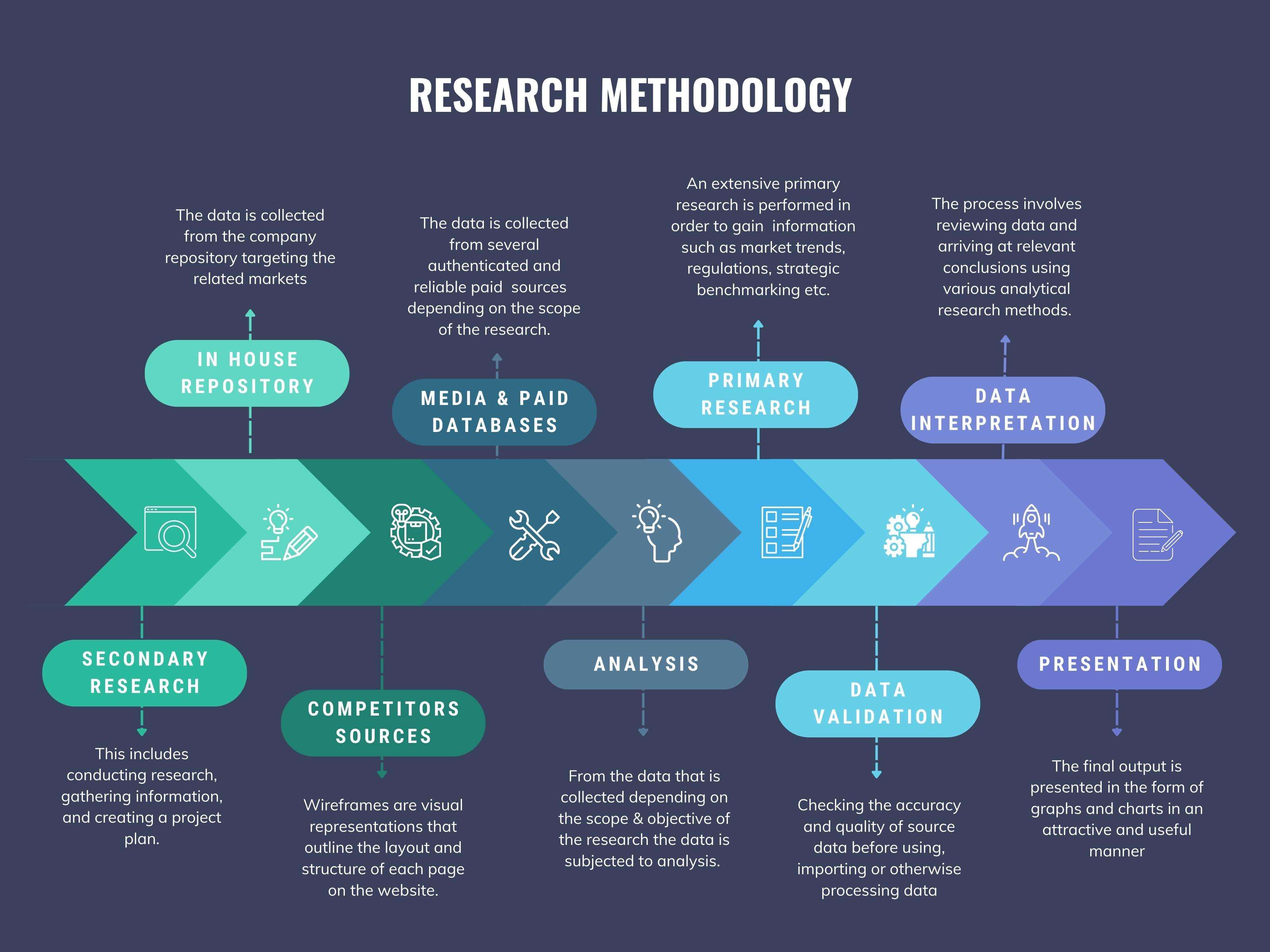
We at ‘Stratistics’ opt for an extensive research approach which involves data mining, data validation, and data analysis. The various research sources include in-house repository, secondary research, competitor’s sources, social media research, client internal data, and primary research.
Our team of analysts prefers the most reliable and authenticated data sources in order to perform the comprehensive literature search. With access to most of the authenticated data bases our team highly considers the best mix of information through various sources to obtain extensive and accurate analysis.
Each report takes an average time of a month and a team of 4 industry analysts. The time may vary depending on the scope and data availability of the desired market report. The various parameters used in the market assessment are standardized in order to enhance the data accuracy.
Data Mining
The data is collected from several authenticated, reliable, paid and unpaid sources and is filtered depending on the scope & objective of the research. Our reports repository acts as an added advantage in this procedure. Data gathering from the raw material suppliers, distributors and the manufacturers is performed on a regular basis, this helps in the comprehensive understanding of the products value chain. Apart from the above mentioned sources the data is also collected from the industry consultants to ensure the objective of the study is in the right direction.
Market trends such as technological advancements, regulatory affairs, market dynamics (Drivers, Restraints, Opportunities and Challenges) are obtained from scientific journals, market related national & international associations and organizations.
Data Analysis
From the data that is collected depending on the scope & objective of the research the data is subjected for the analysis. The critical steps that we follow for the data analysis include:
- Product Lifecycle Analysis
- Competitor analysis
- Risk analysis
- Porters Analysis
- PESTEL Analysis
- SWOT Analysis
The data engineering is performed by the core industry experts considering both the Marketing Mix Modeling and the Demand Forecasting. The marketing mix modeling makes use of multiple-regression techniques to predict the optimal mix of marketing variables. Regression factor is based on a number of variables and how they relate to an outcome such as sales or profits.
Data Validation
The data validation is performed by the exhaustive primary research from the expert interviews. This includes telephonic interviews, focus groups, face to face interviews, and questionnaires to validate our research from all aspects. The industry experts we approach come from the leading firms, involved in the supply chain ranging from the suppliers, distributors to the manufacturers and consumers so as to ensure an unbiased analysis.
We are in touch with more than 15,000 industry experts with the right mix of consultants, CEO's, presidents, vice presidents, managers, experts from both supply side and demand side, executives and so on.
The data validation involves the primary research from the industry experts belonging to:
- Leading Companies
- Suppliers & Distributors
- Manufacturers
- Consumers
- Industry/Strategic Consultants
Apart from the data validation the primary research also helps in performing the fill gap research, i.e. providing solutions for the unmet needs of the research which helps in enhancing the reports quality.
For more details about research methodology, kindly write to us at info@strategymrc.com
Frequently Asked Questions
In case of any queries regarding this report, you can contact the customer service by filing the “Inquiry Before Buy” form available on the right hand side. You may also contact us through email: info@strategymrc.com or phone: +1-301-202-5929
Yes, the samples are available for all the published reports. You can request them by filling the “Request Sample” option available in this page.
Yes, you can request a sample with your specific requirements. All the customized samples will be provided as per the requirement with the real data masked.
All our reports are available in Digital PDF format. In case if you require them in any other formats, such as PPT, Excel etc you can submit a request through “Inquiry Before Buy” form available on the right hand side. You may also contact us through email: info@strategymrc.com or phone: +1-301-202-5929
We offer a free 15% customization with every purchase. This requirement can be fulfilled for both pre and post sale. You may send your customization requirements through email at info@strategymrc.com or call us on +1-301-202-5929.
We have 3 different licensing options available in electronic format.
- Single User Licence: Allows one person, typically the buyer, to have access to the ordered product. The ordered product cannot be distributed to anyone else.
- 2-5 User Licence: Allows the ordered product to be shared among a maximum of 5 people within your organisation.
- Corporate License: Allows the product to be shared among all employees of your organisation regardless of their geographical location.
All our reports are typically be emailed to you as an attachment.
To order any available report you need to register on our website. The payment can be made either through CCAvenue or PayPal payments gateways which accept all international cards.
We extend our support to 6 months post sale. A post sale customization is also provided to cover your unmet needs in the report.
Request Customization
We offer complimentary customization of up to 15% with every purchase. To share your customization requirements, feel free to email us at info@strategymrc.com or call us on +1-301-202-5929. .
Please Note: Customization within the 15% threshold is entirely free of charge. If your request exceeds this limit, we will conduct a feasibility assessment. Following that, a detailed quote and timeline will be provided.
WHY CHOOSE US ?

Assured Quality
Best in class reports with high standard of research integrity

24X7 Research Support
Continuous support to ensure the best customer experience.

Free Customization
Adding more values to your product of interest.

Safe & Secure Access
Providing a secured environment for all online transactions.

Trusted by 600+ Brands
Serving the most reputed brands across the world.