
Alcohol To Jet Atj Market
Alcohol to Jet (ATJ) Market Forecasts to 2032 – Global Analysis By Feedstock Type (Ethanol-to-Jet (ETJ), Isobutanol-to-Jet (IBTJ), Methanol-to-Jet (MTJ), N-butanol-to-Jet (NBTJ) and Fatty Alcohols to Jet), Fuel Type (ATJ-SPK (Alcohol-to-Jet Synthetic Paraffinic Kerosene), ATJ-SKA (Synthetic Kerosene with Aromatics) and Blended Sustainable Aviation Fuel (SAF)), Production Process, Feedstock Source, Distribution Channel, End User and By Geography

According to Stratistics MRC, the Global Alcohol to Jet (ATJ) Market is accounted for $5.2 million in 2025 and is expected to reach $12.3 million by 2032 growing at a CAGR of 12.9% during the forecast period. Alcohol-to-Jet (ATJ) is a sustainable aviation fuel (SAF) production pathway that converts alcohols typically ethanol or isobutanol into jet-grade hydrocarbons. The process involves catalytic steps such as dehydration, oligomerization, hydrogenation, and fractionation to yield synthetic paraffinic kerosene (ATJ-SPK). Compatible with existing aircraft engines and infrastructure, ATJ fuels offer reduced lifecycle greenhouse gas emissions. Feedstocks may include biomass, agricultural residues, or industrial byproducts, making ATJ a viable alternative to fossil-based jet fuels in decarbonizing the aviation sector.
According to journal Renewable and Sustainable Energy Reviews (2024), Alcohol-to-Jet (ATJ) fuel pathways can reduce lifecycle greenhouse gas emissions by up to 70% compared to conventional jet fuel, depending on the type of alcohol feedstock used and production process efficiency.
Market Dynamics:
Driver:
Global push for decarbonization in aviation
Governments and industry stakeholders are prioritizing low-carbon alternatives to fossil-based jet fuels in line with global climate targets. Alcohol-to-jet pathways, such as ATJ-SAF, are being recognized for their drop-in compatibility with existing aircraft engines. Additionally, airlines are signing long-term offtake agreements, reinforcing market confidence. The push for net-zero commitments from major carriers is expected to accelerate commercial adoption across developed and emerging markets.
Restraint:
Policy and regulatory uncertainty/inconsistency
Variations in SAF qualification standards, subsidy access, and lifecycle emission accounting slow down investment decisions. Uncertainty around long-term policy support, especially for low-carbon ethanol and butanol feedstocks, affects scalability. In certain regions, lack of harmonized incentives makes ATJ less competitive compared to alternative SAF routes. The absence of clear mandates for airline SAF blending further complicates commercialization timelines.
Opportunity:
Integration with existing ethanol production infrastructure
Existing ethanol plants can be retrofitted or expanded to incorporate conversion modules, significantly lowering capital expenditure. This integration offers operational efficiencies and supply chain continuity, particularly in agrarian economies with surplus ethanol feedstock. Strategic collaborations between ethanol producers and aviation fuel developers are accelerating demonstration projects. Moreover, emerging markets are exploring decentralized ATJ facilities to stimulate rural economies while supporting decarbonization goals.
Threat:
Rapid development of electric or hydrogen-powered aviation
As aircraft manufacturers race to develop next-generation zero-emission platforms, reliance on SAF may diminish beyond short-to-medium haul routes. Government funding is increasingly being diverted to alternative propulsion R&D, posing strategic challenges to the ATJ ecosystem. Public perception and policy may gradually shift toward direct electrification rather than incremental decarbonization via drop-in fuels. Competitive pressure from these disruptive technologies could limit ATJ’s future market share if commercialization lags.
Covid-19 Impact:
The pandemic disrupted aviation fuel demand globally, delaying many ATJ projects due to reduced air travel and capital constraints. However, the crisis also spotlighted the need for energy security and supply chain diversification, favoring local SAF production pathways. Stimulus packages in several countries included green recovery components, providing renewed momentum for SAF initiatives. Additionally, the post-Covid emphasis on climate resilience is prompting airlines and regulators to revisit sustainability roadmaps.
The isobutanol-to-jet (IBTJ) segment is expected to be the largest during the forecast period
The isobutanol-to-jet (IBTJ) segment is expected to account for the largest market share during the forecast period due to its advanced development status and successful pilot deployments. Isobutanol-derived fuels benefit from high energy density and improved cold flow properties, making them commercially attractive for long-haul aviation. In contrast, the oligomerization route is projected to exhibit the fastest CAGR during the forecast period. Its flexibility in using multiple alcohol feedstocks and simplified reaction steps is drawing attention from technology developers.
The oligomerization segment is expected to have the highest CAGR during the forecast period
Over the forecast period, the oligomerization segment is predicted to witness the highest growth rate owing to its flexibility and technical advantages. This conversion process allows the use of a diverse range of alcohol feedstocks, including ethanol and butanol, offering scalability across different regions. Lower operational complexity and modular setup potential make it favorable for small-to-medium-scale SAF production units. Additionally, advancements in catalyst design and reactor optimization are helping improve conversion efficiency and throughput.
Region with largest share:
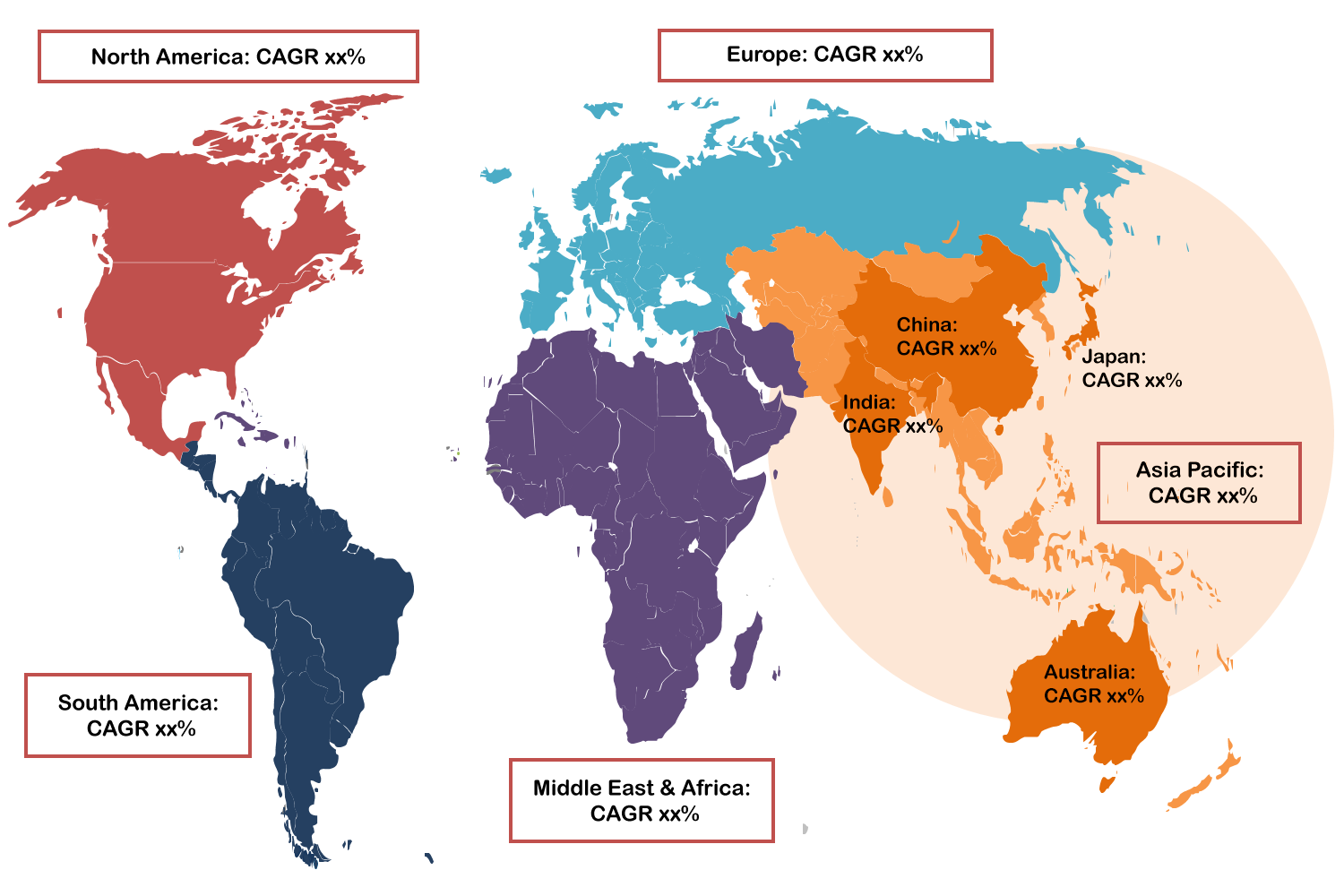
During the forecast period, the North America region is expected to hold the largest market share supported by strong R&D, favorable SAF policies, and a robust aviation infrastructure. The region hosts some of the most advanced ATJ demonstration plants and enjoys regulatory incentives like the Low Carbon Fuel Standard and federal tax credits. Meanwhile, the Asia Pacific region is forecasted to register the highest CAGR, propelled by rapid regional air traffic growth and rising interest in domestic SAF production.
Region with highest CAGR:
Over the forecast period, the Asia Pacific region is anticipated to exhibit the highest CAGR driven by a surge in aviation fuel demand and supportive government initiatives. Countries such as India, China, and Japan are actively investing in domestic sustainable aviation fuel (SAF) production to reduce reliance on imports and address climate mandates. Rapid urbanization and expanding low-cost carrier fleets across Southeast Asia are further boosting interest in low-carbon jet fuels.
Key players in the market
Some of the key players in Alcohol to Jet (ATJ) Market include Suncor Energy, LanzaJet, Gevo, Neste Oyj, Honeywell UOP, Sasol, Enerkem, Virent, SkyNRG, TotalEnergies, Shell, FLITE Consortium, Mitsui & Co., Cosmo Oil, Hypoint and Cosmo Oil.
Key Developments:
In June 2025, LanzaJet signed a memorandum of understanding with ATOBA Energy to develop new commercial models for scaling Sustainable Aviation Fuel (SAF) procurement using LanzaJet’s ATJ pathway.
In June 2025, LanzaJet deepened partnership with Microsoft to adopt Azure as LanzaJet’s preferred cloud platform, supporting global scalability. Collaboration spans climate investments, renewable fuel offtake, and now digital infrastructure.
In April 2025, Gevo, Inc signed a voluntary Scope 1 and Scope 3 carbon credit offtake agreement with Future Energy Global. Designed to accelerate SAF’s book-and-claim market and promote low-carbon aviation.
Feedstock Types Covered:
• Ethanol-to-Jet (ETJ)
• Isobutanol-to-Jet (IBTJ)
• Methanol-to-Jet (MTJ)
• N-butanol-to-Jet (NBTJ)
• Fatty Alcohols to Jet
Fuel Types Covered:
• ATJ-SPK (Alcohol-to-Jet Synthetic Paraffinic Kerosene)
• ATJ-SKA (Synthetic Kerosene with Aromatics)
• Blended Sustainable Aviation Fuel (SAF)
Production Processes Covered:
• Dehydration
• Oligomerization
• Hydrogenation
• Separation & Purification Processes
Feedstock Sources Covered:
• Sugarcane
• Corn
• Agricultural Waste
• Forestry Residues
• Industrial CO₂ Emissions
• Other Feedstock Sources
Distribution Channels Covered:
• Direct Supply Agreements with Airlines
• Fuel Blenders & Refiners
• Airport Fueling Infrastructure
End Users Covered:
• Commercial Aviation
• Cargo Airlines
• Business & General Aviation
• Unmanned Aerial Vehicles (UAVs)
• Other End Users
Regions Covered:
• North America
o US
o Canada
o Mexico
• Europe
o Germany
o UK
o Italy
o France
o Spain
o Rest of Europe
• Asia Pacific
o Japan
o China
o India
o Australia
o New Zealand
o South Korea
o Rest of Asia Pacific
• South America
o Argentina
o Brazil
o Chile
o Rest of South America
• Middle East & Africa
o Saudi Arabia
o UAE
o Qatar
o South Africa
o Rest of Middle East & Africa
What our report offers:
- Market share assessments for the regional and country-level segments
- Strategic recommendations for the new entrants
- Covers Market data for the years 2024, 2025, 2026, 2028, and 2032
- Market Trends (Drivers, Constraints, Opportunities, Threats, Challenges, Investment Opportunities, and recommendations)
- Strategic recommendations in key business segments based on the market estimations
- Competitive landscaping mapping the key common trends
- Company profiling with detailed strategies, financials, and recent developments
- Supply chain trends mapping the latest technological advancements
Free Customization Offerings:
All the customers of this report will be entitled to receive one of the following free customization options:
• Company Profiling
o Comprehensive profiling of additional market players (up to 3)
o SWOT Analysis of key players (up to 3)
• Regional Segmentation
o Market estimations, Forecasts and CAGR of any prominent country as per the client's interest (Note: Depends on feasibility check)
• Competitive Benchmarking
o Benchmarking of key players based on product portfolio, geographical presence, and strategic alliances
Table of Contents
1 Executive Summary
2 Preface
2.1 Abstract
2.2 Stake Holders
2.3 Research Scope
2.4 Research Methodology
2.4.1 Data Mining
2.4.2 Data Analysis
2.4.3 Data Validation
2.4.4 Research Approach
2.5 Research Sources
2.5.1 Primary Research Sources
2.5.2 Secondary Research Sources
2.5.3 Assumptions
3 Market Trend Analysis
3.1 Introduction
3.2 Drivers
3.3 Restraints
3.4 Opportunities
3.5 Threats
3.6 End User Analysis
3.7 Emerging Markets
3.8 Impact of Covid-19
4 Porters Five Force Analysis
4.1 Bargaining power of suppliers
4.2 Bargaining power of buyers
4.3 Threat of substitutes
4.4 Threat of new entrants
4.5 Competitive rivalry
5 Global Alcohol to Jet (ATJ) Market, By Feedstock Type
5.1 Introduction
5.2 Ethanol-to-Jet (ETJ)
5.3 Isobutanol-to-Jet (IBTJ)
5.4 Methanol-to-Jet (MTJ)
5.5 N-butanol-to-Jet (NBTJ)
5.6 Fatty Alcohols to Jet
6 Global Alcohol to Jet (ATJ) Market, By Fuel Type
6.1 Introduction
6.2 ATJ-SPK (Alcohol-to-Jet Synthetic Paraffinic Kerosene)
6.3 ATJ-SKA (Synthetic Kerosene with Aromatics)
6.4 Blended Sustainable Aviation Fuel (SAF)
7 Global Alcohol to Jet (ATJ) Market, By Production Process
7.1 Introduction
7.2 Dehydration
7.3 Oligomerization
7.4 Hydrogenation
7.5 Separation & Purification Processes
8 Global Alcohol to Jet (ATJ) Market, By Feedstock Source
8.1 Introduction
8.2 Sugarcane
8.3 Corn
8.4 Agricultural Waste
8.5 Forestry Residues
8.6 Industrial CO₂ Emissions
8.7 Other Feedstock Sources
9 Global Alcohol to Jet (ATJ) Market, By Distribution Channel
9.1 Introduction
9.2 Direct Supply Agreements with Airlines
9.3 Fuel Blenders & Refiners
9.4 Airport Fueling Infrastructure
10 Global Alcohol to Jet (ATJ) Market, By End User
10.1 Introduction
10.2 Commercial Aviation
10.3 Cargo Airlines
10.4 Business & General Aviation
10.5 Unmanned Aerial Vehicles (UAVs)
10.6 Other End Users
11 Global Alcohol to Jet (ATJ) Market, By Geography
11.1 Introduction
11.2 North America
11.2.1 US
11.2.2 Canada
11.2.3 Mexico
11.3 Europe
11.3.1 Germany
11.3.2 UK
11.3.3 Italy
11.3.4 France
11.3.5 Spain
11.3.6 Rest of Europe
11.4 Asia Pacific
11.4.1 Japan
11.4.2 China
11.4.3 India
11.4.4 Australia
11.4.5 New Zealand
11.4.6 South Korea
11.4.7 Rest of Asia Pacific
11.5 South America
11.5.1 Argentina
11.5.2 Brazil
11.5.3 Chile
11.5.4 Rest of South America
11.6 Middle East & Africa
11.6.1 Saudi Arabia
11.6.2 UAE
11.6.3 Qatar
11.6.4 South Africa
11.6.5 Rest of Middle East & Africa
12 Key Developments
12.1 Agreements, Partnerships, Collaborations and Joint Ventures
12.2 Acquisitions & Mergers
12.3 New Product Launch
12.4 Expansions
12.5 Other Key Strategies
13 Company Profiling
13.1 Suncor Energy
13.2 LanzaJet
13.3 Gevo
13.4 Neste Oyj
13.5 Honeywell UOP
13.6 Sasol
13.7 Enerkem
13.8 Virent
13.9 SkyNRG
13.10 TotalEnergies
13.11 Shell
13.12 FLITE Consortium
13.13 Mitsui & Co.
13.14 Cosmo Oil
13.15 Hypoint
13.16 Cosmo Oil
List of Tables
1 Global Alcohol to Jet (ATJ) Market Outlook, By Region (2024-2032) ($MN)
2 Global Alcohol to Jet (ATJ) Market Outlook, By Feedstock Type (2024-2032) ($MN)
3 Global Alcohol to Jet (ATJ) Market Outlook, By Ethanol-to-Jet (ETJ) (2024-2032) ($MN)
4 Global Alcohol to Jet (ATJ) Market Outlook, By Isobutanol-to-Jet (IBTJ) (2024-2032) ($MN)
5 Global Alcohol to Jet (ATJ) Market Outlook, By Methanol-to-Jet (MTJ) (2024-2032) ($MN)
6 Global Alcohol to Jet (ATJ) Market Outlook, By N-butanol-to-Jet (NBTJ) (2024-2032) ($MN)
7 Global Alcohol to Jet (ATJ) Market Outlook, By Fatty Alcohols to Jet (2024-2032) ($MN)
8 Global Alcohol to Jet (ATJ) Market Outlook, By Fuel Type (2024-2032) ($MN)
9 Global Alcohol to Jet (ATJ) Market Outlook, By ATJ-SPK (Alcohol-to-Jet Synthetic Paraffinic Kerosene) (2024-2032) ($MN)
10 Global Alcohol to Jet (ATJ) Market Outlook, By ATJ-SKA (Synthetic Kerosene with Aromatics) (2024-2032) ($MN)
11 Global Alcohol to Jet (ATJ) Market Outlook, By Blended Sustainable Aviation Fuel (SAF) (2024-2032) ($MN)
12 Global Alcohol to Jet (ATJ) Market Outlook, By Production Process (2024-2032) ($MN)
13 Global Alcohol to Jet (ATJ) Market Outlook, By Dehydration (2024-2032) ($MN)
14 Global Alcohol to Jet (ATJ) Market Outlook, By Oligomerization (2024-2032) ($MN)
15 Global Alcohol to Jet (ATJ) Market Outlook, By Hydrogenation (2024-2032) ($MN)
16 Global Alcohol to Jet (ATJ) Market Outlook, By Separation & Purification Processes (2024-2032) ($MN)
17 Global Alcohol to Jet (ATJ) Market Outlook, By Feedstock Source (2024-2032) ($MN)
18 Global Alcohol to Jet (ATJ) Market Outlook, By Sugarcane (2024-2032) ($MN)
19 Global Alcohol to Jet (ATJ) Market Outlook, By Corn (2024-2032) ($MN)
20 Global Alcohol to Jet (ATJ) Market Outlook, By Agricultural Waste (2024-2032) ($MN)
21 Global Alcohol to Jet (ATJ) Market Outlook, By Forestry Residues (2024-2032) ($MN)
22 Global Alcohol to Jet (ATJ) Market Outlook, By Industrial CO₂ Emissions (2024-2032) ($MN)
23 Global Alcohol to Jet (ATJ) Market Outlook, By Other Feedstock Sources (2024-2032) ($MN)
24 Global Alcohol to Jet (ATJ) Market Outlook, By Distribution Channel (2024-2032) ($MN)
25 Global Alcohol to Jet (ATJ) Market Outlook, By Direct Supply Agreements with Airlines (2024-2032) ($MN)
26 Global Alcohol to Jet (ATJ) Market Outlook, By Fuel Blenders & Refiners (2024-2032) ($MN)
27 Global Alcohol to Jet (ATJ) Market Outlook, By Airport Fueling Infrastructure (2024-2032) ($MN)
28 Global Alcohol to Jet (ATJ) Market Outlook, By End User (2024-2032) ($MN)
29 Global Alcohol to Jet (ATJ) Market Outlook, By Commercial Aviation (2024-2032) ($MN)
30 Global Alcohol to Jet (ATJ) Market Outlook, By Cargo Airlines (2024-2032) ($MN)
31 Global Alcohol to Jet (ATJ) Market Outlook, By Business & General Aviation (2024-2032) ($MN)
32 Global Alcohol to Jet (ATJ) Market Outlook, By Unmanned Aerial Vehicles (UAVs) (2024-2032) ($MN)
33 Global Alcohol to Jet (ATJ) Market Outlook, By Other End Users (2024-2032) ($MN)
Note: Tables for North America, Europe, APAC, South America, and Middle East & Africa Regions are also represented in the same manner as above.
List of Figures
RESEARCH METHODOLOGY

We at ‘Stratistics’ opt for an extensive research approach which involves data mining, data validation, and data analysis. The various research sources include in-house repository, secondary research, competitor’s sources, social media research, client internal data, and primary research.
Our team of analysts prefers the most reliable and authenticated data sources in order to perform the comprehensive literature search. With access to most of the authenticated data bases our team highly considers the best mix of information through various sources to obtain extensive and accurate analysis.
Each report takes an average time of a month and a team of 4 industry analysts. The time may vary depending on the scope and data availability of the desired market report. The various parameters used in the market assessment are standardized in order to enhance the data accuracy.
Data Mining
The data is collected from several authenticated, reliable, paid and unpaid sources and is filtered depending on the scope & objective of the research. Our reports repository acts as an added advantage in this procedure. Data gathering from the raw material suppliers, distributors and the manufacturers is performed on a regular basis, this helps in the comprehensive understanding of the products value chain. Apart from the above mentioned sources the data is also collected from the industry consultants to ensure the objective of the study is in the right direction.
Market trends such as technological advancements, regulatory affairs, market dynamics (Drivers, Restraints, Opportunities and Challenges) are obtained from scientific journals, market related national & international associations and organizations.
Data Analysis
From the data that is collected depending on the scope & objective of the research the data is subjected for the analysis. The critical steps that we follow for the data analysis include:
- Product Lifecycle Analysis
- Competitor analysis
- Risk analysis
- Porters Analysis
- PESTEL Analysis
- SWOT Analysis
The data engineering is performed by the core industry experts considering both the Marketing Mix Modeling and the Demand Forecasting. The marketing mix modeling makes use of multiple-regression techniques to predict the optimal mix of marketing variables. Regression factor is based on a number of variables and how they relate to an outcome such as sales or profits.
Data Validation
The data validation is performed by the exhaustive primary research from the expert interviews. This includes telephonic interviews, focus groups, face to face interviews, and questionnaires to validate our research from all aspects. The industry experts we approach come from the leading firms, involved in the supply chain ranging from the suppliers, distributors to the manufacturers and consumers so as to ensure an unbiased analysis.
We are in touch with more than 15,000 industry experts with the right mix of consultants, CEO's, presidents, vice presidents, managers, experts from both supply side and demand side, executives and so on.
The data validation involves the primary research from the industry experts belonging to:
- Leading Companies
- Suppliers & Distributors
- Manufacturers
- Consumers
- Industry/Strategic Consultants
Apart from the data validation the primary research also helps in performing the fill gap research, i.e. providing solutions for the unmet needs of the research which helps in enhancing the reports quality.
For more details about research methodology, kindly write to us at info@strategymrc.com
Frequently Asked Questions
In case of any queries regarding this report, you can contact the customer service by filing the “Inquiry Before Buy” form available on the right hand side. You may also contact us through email: info@strategymrc.com or phone: +1-301-202-5929
Yes, the samples are available for all the published reports. You can request them by filling the “Request Sample” option available in this page.
Yes, you can request a sample with your specific requirements. All the customized samples will be provided as per the requirement with the real data masked.
All our reports are available in Digital PDF format. In case if you require them in any other formats, such as PPT, Excel etc you can submit a request through “Inquiry Before Buy” form available on the right hand side. You may also contact us through email: info@strategymrc.com or phone: +1-301-202-5929
We offer a free 15% customization with every purchase. This requirement can be fulfilled for both pre and post sale. You may send your customization requirements through email at info@strategymrc.com or call us on +1-301-202-5929.
We have 3 different licensing options available in electronic format.
- Single User Licence: Allows one person, typically the buyer, to have access to the ordered product. The ordered product cannot be distributed to anyone else.
- 2-5 User Licence: Allows the ordered product to be shared among a maximum of 5 people within your organisation.
- Corporate License: Allows the product to be shared among all employees of your organisation regardless of their geographical location.
All our reports are typically be emailed to you as an attachment.
To order any available report you need to register on our website. The payment can be made either through CCAvenue or PayPal payments gateways which accept all international cards.
We extend our support to 6 months post sale. A post sale customization is also provided to cover your unmet needs in the report.
Request Customization
We offer complimentary customization of up to 15% with every purchase. To share your customization requirements, feel free to email us at info@strategymrc.com or call us on +1-301-202-5929. .
Please Note: Customization within the 15% threshold is entirely free of charge. If your request exceeds this limit, we will conduct a feasibility assessment. Following that, a detailed quote and timeline will be provided.
WHY CHOOSE US ?

Assured Quality
Best in class reports with high standard of research integrity

24X7 Research Support
Continuous support to ensure the best customer experience.

Free Customization
Adding more values to your product of interest.

Safe & Secure Access
Providing a secured environment for all online transactions.

Trusted by 600+ Brands
Serving the most reputed brands across the world.
