
Automotive Thermal Fluid Market
Automotive Thermal Fluid Market Forecasts to 2034 – Global Analysis By Fluid Type (Water-Glycol Coolants, Dielectric Battery Immersion Fluids, Refrigerants and Heat-Pump Fluids, and Thermal Interface and Heat-Transfer Fluids), Fluid Chemistry, Thermal Loop, Vehicle Type, and By Geography

Market Dynamics:
Driver:
Battery conditioning ties fluid performance directly to vehicle usability
Electric vehicles rely on thermal control to support charging, power delivery, and cabin comfort with a limited energy budget. The working fluid influences how effectively heat moves and how much energy the pumps or compressor consume. These effects make fluid selection more consequential than a simple purchasing decision. Different operating modes also expose the same circuit to changing temperatures and loads. Demand grows for products that retain useful properties over time and fit the vehicle's integrated thermal strategy. Suppliers able to connect laboratory measurements with real duty cycles can help manufacturers identify where a specialized fluid delivers a practical benefit.
Restraint:
A broad category contains fluids with incompatible application requirements
Thermal fluids are often discussed together even though their operating conditions differ substantially. A water-glycol coolant for an indirect battery loop cannot automatically replace a dielectric immersion fluid, and neither performs the same function as a refrigerant. This creates a communication and qualification challenge for suppliers serving several applications. Material compatibility, contamination, aging, and maintenance must be evaluated separately for each circuit. Vehicle engineers may also need long-duration evidence before approving a new formulation. The result is a slower commercialization process than headline heat-transfer performance alone suggests, particularly where field experience with a new fluid family is limited.
Opportunity:
Joint development can align fluid chemistry with thermal hardware
Collaboration between fluid companies, battery developers, and thermal-system suppliers can improve performance by designing the chemistry and hardware together. Flow channels, seals, heat exchangers, and control strategies can then be matched to the fluid's characteristics. Direct battery cooling provides one example, while low-conductivity indirect coolants offer another. Suppliers may also support lower-carbon production routes when these preserve the required approvals and durability. The opportunity is to solve a defined system problem with evidence from representative testing. Such partnerships can create durable customer relationships because a qualified fluid becomes part of the vehicle's validated thermal architecture.
Threat:
Architecture consolidation can alter the volume and type of fluid required
Integrated thermal modules can reduce circuit complexity or share heat between vehicle subsystems, changing both fill volumes and the mix of fluids used. Improvements in cell chemistry and power-electronics efficiency can further shift cooling requirements. A supplier that invests around one assumed architecture may find that customers choose a different approach. Competition also extends across chemical families, with cost and serviceability sometimes outweighing a laboratory performance advantage. Misapplication remains a reputational risk as products with similar names reach workshops. Clear specifications and realistic performance claims are therefore important to sustaining demand as thermal-system designs evolve.
Covid-19 Impact:
The pandemic interrupted automotive thermal-fluid development through delayed vehicle programs, restricted testing, and uneven access to materials and containers. Conventional coolant and refrigerant businesses were affected by production shutdowns and reduced servicing, while emerging dielectric-fluid projects mainly experienced slower trials and partner coordination. These differences made aggregate demand difficult to interpret. Suppliers had to preserve formulation quality while adapting logistics and production schedules. The period also emphasized the need for robust compatibility data and documented testing, allowing development work to continue across separate organizations even when engineers could not share facilities or prototype vehicles.
The Water-Glycol Coolants segment is expected to be the largest during the forecast period
Water-Glycol Coolants are expected to hold the largest fluid-type share because indirect liquid cooling is established across batteries, electronics, and several conventional vehicle systems. Their widespread use supports mature production and service channels, while inhibitor packages can be tailored to different materials and operating temperatures. This installed base gives the segment breadth that emerging direct-contact fluids have yet to match. Future growth will include more specialized formulations rather than only increased volume of existing products. Electrical conductivity, corrosion protection, and aging behavior will remain important as these coolants serve increasingly demanding electrified powertrains.
The Dielectric Battery Immersion Fluids segment is expected to have the highest CAGR during the forecast period
Dielectric Battery Immersion Fluids are anticipated to record the highest CAGR from a comparatively small base as developers investigate direct-contact cooling for high-power applications. The fluids can increase the surface available for heat removal, but commercial value depends on a compatible pack design and durable material behavior. Development partnerships and demonstrator programs provide routes toward qualification. Adoption is likely to concentrate first where charging or sustained-load requirements justify the extra engineering. The segment's outlook therefore reflects a technology moving through validation and selective commercialization, rather than an assumption that all battery packs will adopt immersion.
Region with largest share:
Asia Pacific is expected to hold the largest share because the region combines extensive battery and vehicle production with a substantial chemical-manufacturing base. Suppliers can work closely with pack designers and component makers to qualify fluids for different architectures. Demand covers established indirect cooling as well as newer specialized products, giving the region a broad application mix. Export programs add requirements for consistent specifications across plants and climates. The regional advantage lies in manufacturing scale and close development relationships, while long-term compatibility and supply reliability remain necessary for converting a promising formulation into repeat production business.
Region with highest CAGR:
Europe is anticipated to achieve the highest regional CAGR as thermal-system partnerships, specialized fluid development, and interest in lower-carbon formulations expand the value of the market. Vehicle manufacturers and engineering suppliers are investigating integrated cooling approaches that require close coordination with chemistry providers. The region also offers opportunities in performance vehicles and demanding commercial applications where thermal constraints are economically significant. Growth will depend on qualification and actual production adoption, since a successful prototype does not guarantee a large supply contract. Suppliers with credible testing and practical integration support can address this transition more effectively than those competing only on fluid price.
Key players in the market
Some of the key players in the Automotive Thermal Fluid Market include BASF, Valvoline Global Operations, Shell, ExxonMobil, TotalEnergies, Castrol, FUCHS, Chevron, PETRONAS Lubricants International, Repsol, Motul, LANXESS, Lubrizol, Arteco, and Engineered Fluids.
Key Developments:
In November 2025, LION E-Mobility announced a partnership between LION Smart and Castrol to develop directly cooled battery modules. Castrol thermal fluids are intended to work with the module's cooling architecture. The agreement demonstrates joint development of fluid and hardware for automotive applications, with deployment benefits still dependent on validation.
In September 2025, BASF introduced GLYSANTIN ELECTRIFIED low-conductivity coolants produced in Shanghai. The products address the electrical and corrosion-protection requirements of battery cooling circuits. Their launch expands the thermal-fluid market through specialized indirect-cooling formulations, distinct from dielectric liquids intended to contact battery cells directly.
In July 2025, TotalEnergies and XING Mobility signed an agreement to develop and promote immersion-cooled battery systems. The parent battery-thermal-management collaboration begins with marine applications and envisages expansion into mobility and other sectors. It illustrates a route for automotive thermal-fluid expertise to develop through broader electrification projects.
Fluid Types Covered:
• Water-Glycol Coolants
• Dielectric Battery Immersion Fluids
• Refrigerants and Heat-Pump Fluids
• Thermal Interface and Heat-Transfer Fluids
Fluid Chemistries Covered:
• Ethylene-Glycol Based
• Propylene-Glycol Based
• Synthetic Hydrocarbon and Ester
• Low-Conductivity Dielectric Formulations
Thermal Loops Covered:
• Battery Cooling and Heating
• Power Electronics and E-Motor Cooling
• Cabin HVAC and Heat Pumps
• Fuel-Cell Thermal Management
Vehicle Types Covered:
• Passenger EVs
• Hybrid Vehicles
• Commercial and Heavy-Duty EVs
Regions Covered:
• North America
o United States
o Canada
o Mexico
• Europe
o United Kingdom
o Germany
o France
o Italy
o Spain
o Netherlands
o Belgium
o Sweden
o Switzerland
o Poland
o Rest of Europe
• Asia Pacific
o China
o Japan
o India
o South Korea
o Australia
o Indonesia
o Thailand
o Malaysia
o Singapore
o Vietnam
o Rest of Asia Pacific
• South America
o Brazil
o Argentina
o Colombia
o Chile
o Peru
o Rest of South America
• Rest of the World (RoW)
o Middle East
▪ Saudi Arabia
▪ United Arab Emirates
▪ Qatar
▪ Israel
▪ Rest of Middle East
o Africa
▪ South Africa
▪ Egypt
▪ Morocco
▪ Rest of Africa
What our report offers:
- Market share assessments for the regional and country-level segments
- Strategic recommendations for the new entrants
- Covers Market data for the years 2023, 2024, 2025, 2026, 2027, 2028, 2030, 2032 and 2034
- Market Trends (Drivers, Constraints, Opportunities, Threats, Challenges, Investment Opportunities, and recommendations)
- Strategic recommendations in key business segments based on the market estimations
- Competitive landscaping mapping the key common trends
- Company profiling with detailed strategies, financials, and recent developments
- Supply chain trends mapping the latest technological advancements
Free Customization Offerings:
All the customers of this report will be entitled to receive one of the following free customization options:
• Company Profiling
o Comprehensive profiling of additional market players (up to 3)
o SWOT Analysis of key players (up to 3)
• Regional Segmentation
o Market estimations, Forecasts and CAGR of any prominent country as per the client's interest (Note: Depends on feasibility check)
• Competitive Benchmarking
o Benchmarking of key players based on product portfolio, geographical presence, and strategic alliances
Table of Contents
1 Executive Summary1.1 Market Snapshot and Key Highlights
1.2 Growth Drivers, Challenges, and Opportunities
1.3 Competitive Landscape Overview
1.4 Strategic Insights and Recommendations
2 Research Framework
2.1 Study Objectives and Scope
2.2 Stakeholder Analysis
2.3 Research Assumptions and Limitations
2.4 Research Methodology
2.4.1 Data Collection (Primary and Secondary)
2.4.2 Data Modeling and Estimation Techniques
2.4.3 Data Validation and Triangulation
2.4.4 Analytical and Forecasting Approach
3 Market Dynamics and Trend Analysis
3.1 Market Definition and Structure
3.2 Key Market Drivers
3.3 Market Restraints and Challenges
3.4 Growth Opportunities and Investment Hotspots
3.5 Industry Threats and Risk Assessment
3.6 Technology and Innovation Landscape
3.7 Emerging and High-Growth Markets
3.8 Regulatory and Policy Environment
3.9 Impact of COVID-19 and Recovery Outlook
4 Competitive and Strategic Assessment
4.1 Porter's Five Forces Analysis
4.1.1 Supplier Bargaining Power
4.1.2 Buyer Bargaining Power
4.1.3 Threat of Substitutes
4.1.4 Threat of New Entrants
4.1.5 Competitive Rivalry
4.2 Market Share Analysis of Key Players
4.3 Product Benchmarking and Performance Comparison
5 Global Automotive Thermal Fluid Market, By Fluid Type
5.1 Water-Glycol Coolants
5.2 Dielectric Battery Immersion Fluids
5.3 Refrigerants and Heat-Pump Fluids
5.4 Thermal Interface and Heat-Transfer Fluids
6 Global Automotive Thermal Fluid Market, By Fluid Chemistry
6.1 Ethylene-Glycol Based
6.2 Propylene-Glycol Based
6.3 Synthetic Hydrocarbon and Ester
6.4 Low-Conductivity Dielectric Formulations
7 Global Automotive Thermal Fluid Market, By Thermal Loop
7.1 Battery Cooling and Heating
7.2 Power Electronics and E-Motor Cooling
7.3 Cabin HVAC and Heat Pumps
7.4 Fuel-Cell Thermal Management
8 Global Automotive Thermal Fluid Market, By Vehicle Type
8.1 Passenger EVs
8.2 Hybrid Vehicles
8.3 Commercial and Heavy-Duty EVs
9 Global Automotive Thermal Fluid Market, By Geography
9.1 North America
9.1.1 United States
9.1.2 Canada
9.1.3 Mexico
9.2 Europe
9.2.1 United Kingdom
9.2.2 Germany
9.2.3 France
9.2.4 Italy
9.2.5 Spain
9.2.6 Netherlands
9.2.7 Belgium
9.2.8 Sweden
9.2.9 Switzerland
9.2.10 Poland
9.2.11 Rest of Europe
9.3 Asia Pacific
9.3.1 China
9.3.2 Japan
9.3.3 India
9.3.4 South Korea
9.3.5 Australia
9.3.6 Indonesia
9.3.7 Thailand
9.3.8 Malaysia
9.3.9 Singapore
9.3.10 Vietnam
9.3.11 Rest of Asia Pacific
9.4 South America
9.4.1 Brazil
9.4.2 Argentina
9.4.3 Colombia
9.4.4 Chile
9.4.5 Peru
9.4.6 Rest of South America
9.5 Rest of the World (RoW)
9.5.1 Middle East
9.5.1.1 Saudi Arabia
9.5.1.2 United Arab Emirates
9.5.1.3 Qatar
9.5.1.4 Israel
9.5.1.5 Rest of Middle East
9.5.2 Africa
9.5.2.1 South Africa
9.5.2.2 Egypt
9.5.2.3 Morocco
9.5.2.4 Rest of Africa
10 Strategic Market Intelligence
10.1 Industry Value Network and Supply Chain Assessment
10.2 White-Space and Opportunity Mapping
10.3 Product Evolution and Market Life Cycle Analysis
10.4 Channel, Distributor, and Go-to-Market Assessment
11 Industry Developments and Strategic Initiatives
11.1 Mergers and Acquisitions
11.2 Partnerships, Alliances, and Joint Ventures
11.3 New Product Launches and Certifications
11.4 Capacity Expansion and Investments
11.5 Other Strategic Initiatives
12 Company Profiles
12.1 BASF
12.2 Valvoline Global Operations
12.3 Shell
12.4 ExxonMobil
12.5 TotalEnergies
12.6 Castrol
12.7 FUCHS
12.8 Chevron
12.9 PETRONAS Lubricants International
12.10 Repsol
12.11 Motul
12.12 LANXESS
12.13 Lubrizol
12.14 Arteco
12.15 Engineered Fluids
List of Tables
1 Global Automotive Thermal Fluid Market Outlook, By Region (2023–2034) ($MN)
2 Global Automotive Thermal Fluid Market Outlook, By Fluid Type (2023–2034) ($MN)
3 Global Automotive Thermal Fluid Market Outlook, By Water-Glycol Coolants (2023–2034) ($MN)
4 Global Automotive Thermal Fluid Market Outlook, By Dielectric Battery Immersion Fluids (2023–2034) ($MN)
5 Global Automotive Thermal Fluid Market Outlook, By Refrigerants and Heat-Pump Fluids (2023–2034) ($MN)
6 Global Automotive Thermal Fluid Market Outlook, By Thermal Interface and Heat-Transfer Fluids (2023–2034) ($MN)
7 Global Automotive Thermal Fluid Market Outlook, By Fluid Chemistry (2023–2034) ($MN)
8 Global Automotive Thermal Fluid Market Outlook, By Ethylene-Glycol Based (2023–2034) ($MN)
9 Global Automotive Thermal Fluid Market Outlook, By Propylene-Glycol Based (2023–2034) ($MN)
10 Global Automotive Thermal Fluid Market Outlook, By Synthetic Hydrocarbon and Ester (2023–2034) ($MN)
11 Global Automotive Thermal Fluid Market Outlook, By Low-Conductivity Dielectric Formulations (2023–2034) ($MN)
12 Global Automotive Thermal Fluid Market Outlook, By Thermal Loop (2023–2034) ($MN)
13 Global Automotive Thermal Fluid Market Outlook, By Battery Cooling and Heating (2023–2034) ($MN)
14 Global Automotive Thermal Fluid Market Outlook, By Power Electronics and E-Motor Cooling (2023–2034) ($MN)
15 Global Automotive Thermal Fluid Market Outlook, By Cabin HVAC and Heat Pumps (2023–2034) ($MN)
16 Global Automotive Thermal Fluid Market Outlook, By Fuel-Cell Thermal Management (2023–2034) ($MN)
17 Global Automotive Thermal Fluid Market Outlook, By Vehicle Type (2023–2034) ($MN)
18 Global Automotive Thermal Fluid Market Outlook, By Passenger EVs (2023–2034) ($MN)
19 Global Automotive Thermal Fluid Market Outlook, By Hybrid Vehicles (2023–2034) ($MN)
20 Global Automotive Thermal Fluid Market Outlook, By Commercial and Heavy-Duty EVs (2023–2034) ($MN)
Note: Tables for North America, Europe, APAC, South America, and Rest of the World (RoW) Regions are also represented in the same manner as above.
List of Figures
RESEARCH METHODOLOGY
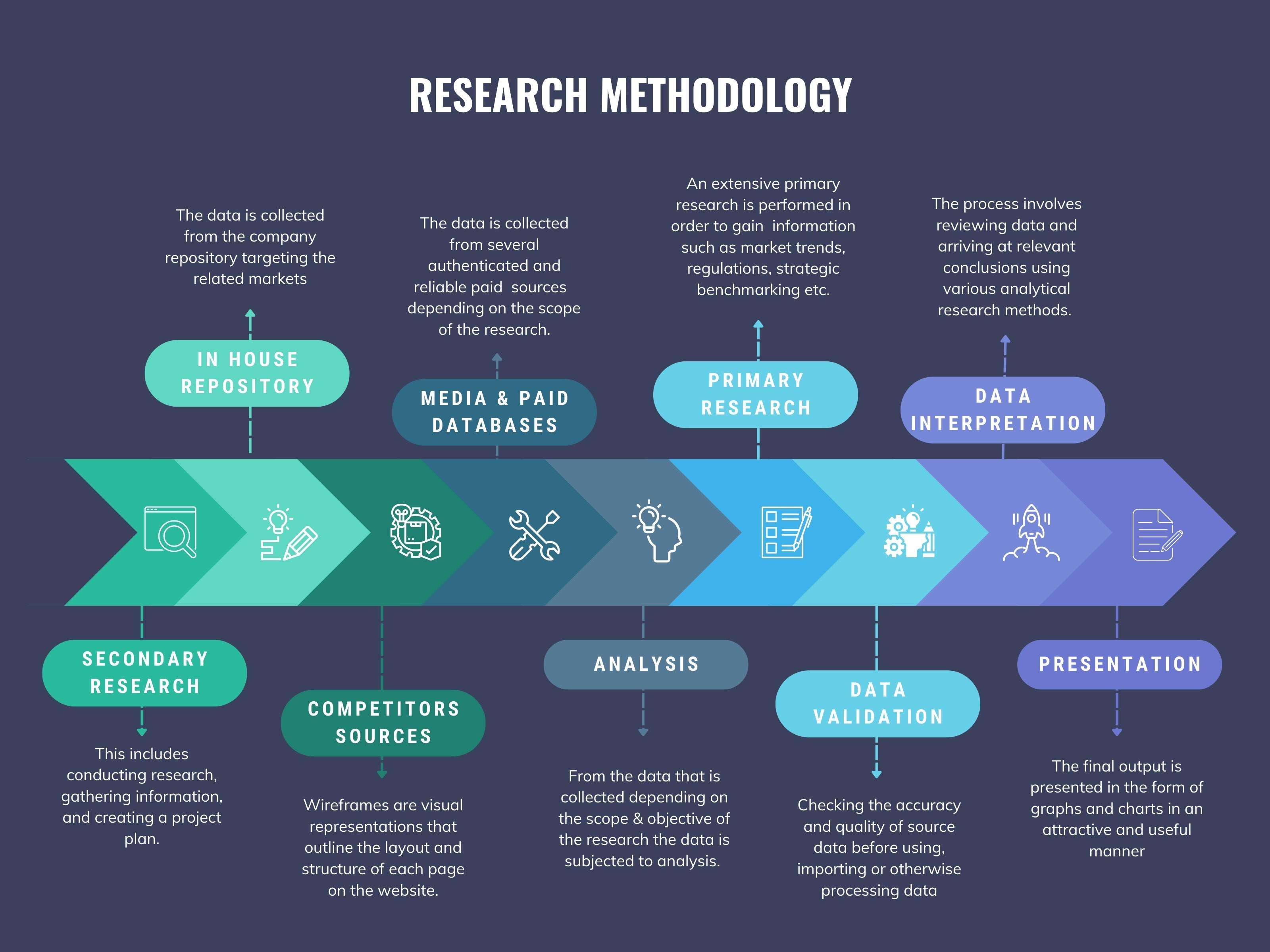
We at ‘Stratistics’ opt for an extensive research approach which involves data mining, data validation, and data analysis. The various research sources include in-house repository, secondary research, competitor’s sources, social media research, client internal data, and primary research.
Our team of analysts prefers the most reliable and authenticated data sources in order to perform the comprehensive literature search. With access to most of the authenticated data bases our team highly considers the best mix of information through various sources to obtain extensive and accurate analysis.
Each report takes an average time of a month and a team of 4 industry analysts. The time may vary depending on the scope and data availability of the desired market report. The various parameters used in the market assessment are standardized in order to enhance the data accuracy.
Data Mining
The data is collected from several authenticated, reliable, paid and unpaid sources and is filtered depending on the scope & objective of the research. Our reports repository acts as an added advantage in this procedure. Data gathering from the raw material suppliers, distributors and the manufacturers is performed on a regular basis, this helps in the comprehensive understanding of the products value chain. Apart from the above mentioned sources the data is also collected from the industry consultants to ensure the objective of the study is in the right direction.
Market trends such as technological advancements, regulatory affairs, market dynamics (Drivers, Restraints, Opportunities and Challenges) are obtained from scientific journals, market related national & international associations and organizations.
Data Analysis
From the data that is collected depending on the scope & objective of the research the data is subjected for the analysis. The critical steps that we follow for the data analysis include:
- Product Lifecycle Analysis
- Competitor analysis
- Risk analysis
- Porters Analysis
- PESTEL Analysis
- SWOT Analysis
The data engineering is performed by the core industry experts considering both the Marketing Mix Modeling and the Demand Forecasting. The marketing mix modeling makes use of multiple-regression techniques to predict the optimal mix of marketing variables. Regression factor is based on a number of variables and how they relate to an outcome such as sales or profits.
Data Validation
The data validation is performed by the exhaustive primary research from the expert interviews. This includes telephonic interviews, focus groups, face to face interviews, and questionnaires to validate our research from all aspects. The industry experts we approach come from the leading firms, involved in the supply chain ranging from the suppliers, distributors to the manufacturers and consumers so as to ensure an unbiased analysis.
We are in touch with more than 15,000 industry experts with the right mix of consultants, CEO's, presidents, vice presidents, managers, experts from both supply side and demand side, executives and so on.
The data validation involves the primary research from the industry experts belonging to:
- Leading Companies
- Suppliers & Distributors
- Manufacturers
- Consumers
- Industry/Strategic Consultants
Apart from the data validation the primary research also helps in performing the fill gap research, i.e. providing solutions for the unmet needs of the research which helps in enhancing the reports quality.
For more details about research methodology, kindly write to us at info@strategymrc.com
Frequently Asked Questions
In case of any queries regarding this report, you can contact the customer service by filing the “Inquiry Before Buy” form available on the right hand side. You may also contact us through email: info@strategymrc.com or phone: +1-301-202-5929
Yes, the samples are available for all the published reports. You can request them by filling the “Request Sample” option available in this page.
Yes, you can request a sample with your specific requirements. All the customized samples will be provided as per the requirement with the real data masked.
All our reports are available in Digital PDF format. In case if you require them in any other formats, such as PPT, Excel etc you can submit a request through “Inquiry Before Buy” form available on the right hand side. You may also contact us through email: info@strategymrc.com or phone: +1-301-202-5929
We offer a free 15% customization with every purchase. This requirement can be fulfilled for both pre and post sale. You may send your customization requirements through email at info@strategymrc.com or call us on +1-301-202-5929.
We have 3 different licensing options available in electronic format.
- Single User Licence: Allows one person, typically the buyer, to have access to the ordered product. The ordered product cannot be distributed to anyone else.
- 2-5 User Licence: Allows the ordered product to be shared among a maximum of 5 people within your organisation.
- Corporate License: Allows the product to be shared among all employees of your organisation regardless of their geographical location.
All our reports are typically be emailed to you as an attachment.
To order any available report you need to register on our website. The payment can be made either through CCAvenue or PayPal payments gateways which accept all international cards.
We extend our support to 6 months post sale. A post sale customization is also provided to cover your unmet needs in the report.
Request Customization
We offer complimentary customization of up to 15% with every purchase. To share your customization requirements, feel free to email us at info@strategymrc.com or call us on +1-301-202-5929. .
Please Note: Customization within the 15% threshold is entirely free of charge. If your request exceeds this limit, we will conduct a feasibility assessment. Following that, a detailed quote and timeline will be provided.
WHY CHOOSE US ?

Assured Quality
Best in class reports with high standard of research integrity

24X7 Research Support
Continuous support to ensure the best customer experience.

Free Customization
Adding more values to your product of interest.

Safe & Secure Access
Providing a secured environment for all online transactions.

Trusted by 600+ Brands
Serving the most reputed brands across the world.