
Battery Storage Inverter Market
Battery Storage Inverter Market Forecasts to 2032 - Global Analysis By Product Type (Single-Phase Three-Phase, Electric Power and Other Product Types), Battery Type, Power Rating, Application, End User and By Geography

According to Stratistics MRC, the Global Battery Storage Inverter Market is accounted for $3.8 billion in 2025 and is expected to reach $7.8 billion by 2032 growing at a CAGR of 10.8% during the forecast period. A battery storage inverter is a key device in energy storage systems, responsible for converting the DC power stored in batteries into AC electricity that powers homes, businesses, and industrial facilities. These inverters play a crucial role in renewable energy systems by facilitating seamless integration with the electrical grid. The adoption of advanced battery storage inverters is expected to surge globally.
According to a statement released by the firm, ""The NOAH 2000 features a Y-Branch Solar Parallel Cable, which allows it to be connected to four solar modules, thereby maximizing the efficiency with which it harvests solar energy.""
Market Dynamics:
Driver:
Expansion of microgrid and off-grid systems
The battery storage inverter market is driven by the global shift toward decentralized energy systems, particularly microgrids and off-grid solutions in remote or disaster-prone areas. Renewable energy integration, such as solar and wind, necessitates advanced inverters to manage intermittent power supply and ensure grid stability. Growing emphasis on energy resilience during power outages or natural disasters boosts adoption in residential and commercial sectors. Additionally, declining costs of battery technologies make these systems more accessible to developing regions.
Restraint:
Efficiency and performance degradation
Energy losses during DC-AC conversion and thermal inefficiencies in inverters reduce overall system performance, raising operational costs. Battery degradation over time, especially in high-temperature environments, shortens lifespan and necessitates frequent replacements. Complex integration with legacy grid infrastructure increases installation challenges and maintenance expenses. Inconsistent power quality from aging inverters can disrupt sensitive industrial equipment. Furthermore, limited scalability in existing designs restricts adaptability to growing energy demands.
Opportunity:
Growing demand for industrial and commercial energy storage
Industries are adopting battery storage inverters to reduce peak demand charges and enhance energy self-sufficiency through load-shifting strategies. Commercial sectors, including data centers and hospitals, prioritize inverters for uninterrupted power supply (UPS) during grid failures. Hybrid inverters supporting multi-source energy inputs (solar + grid + storage) cater to dynamic energy management needs. Partnerships between inverter manufacturers and utility providers also unlock opportunities in grid services like frequency regulation.
Threat:
Technological disruptions and rapid advancements
Fast-paced innovations, such as solid-state inverters and AI-driven energy management systems, risk obsolescence for conventional products. Startups offering cheaper, software-defined inverters challenge established players’ market share. Regulatory delays in certifying next-gen technologies slow time-to-market for upgrades. Intellectual property disputes over advanced algorithms or designs create legal and financial risks. Additionally, there is fluctuation in R&D and ROI due to unpredictable tech trends pressures profitability.
Covid-19 Impact:
The pandemic disrupted supply chains, delaying inverter component production and project deployments in 2020–2021. Lockdowns hampered installation and maintenance services, particularly for industrial clients. However, post-pandemic recovery efforts prioritized renewable energy investments, revitalizing demand in 2022–2023. Remote monitoring solutions gained traction, enabling virtual diagnostics for inverter systems. Long-term emphasis on energy security post-COVID has strengthened investments in hybrid storage-inverter setups.
The single-phase electric power segment is expected to be the largest during the forecast period
The single-phase electric power segment is expected to account for the largest market share during the forecast period due to their compatibility with household solar panels and small-scale storage systems. Their affordability and ease of installation make them popular in suburban and rural electrification projects. Rising solar adoption in single-family homes and small businesses drives segment growth. Utilities in emerging economies deploy these inverters for decentralized energy access programs. However, limitations in handling high-power loads restrict their industrial use.
The lithium-ion battery segment is expected to have the highest CAGR during the forecast period
Over the forecast period, the Lithium-Ion battery segment is predicted to witness the highest growth rate due to their high energy density, longer cycle life, and compatibility with fast-charging inverters. Declining lithium-ion costs and improved safety standards boost adoption in utility-scale storage projects. Integration with smart inverters enables real-time energy management for grid services. Demand surges in EV charging infrastructure and renewable hybrid systems further propel growth. Innovations like solid-state lithium batteries promise enhanced efficiency, fueling R&D investments.
Region with largest share:
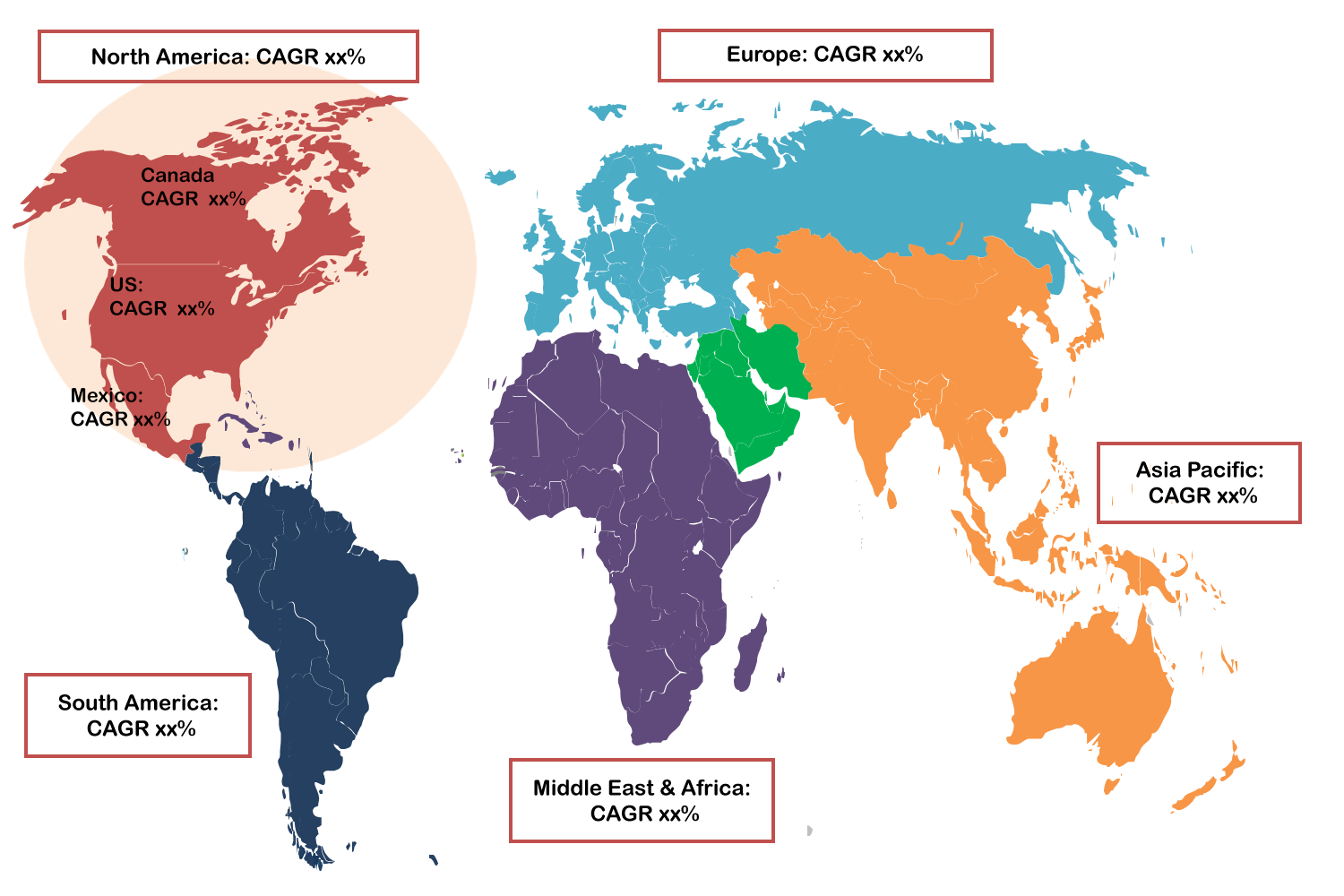
During the forecast period, the Asia-Pacific region is expected to hold the largest market share driven by China’s aggressive renewable targets and India’s solar initiatives like the National Solar Mission. Rapid urbanization and industrial growth in Southeast Asia increase demand for reliable energy storage solutions. Government subsidies for residential solar+storage systems in Japan and South Korea bolster adoption. Manufacturing hubs in the region benefit from local inverter production, reducing costs. Additionally, frequent power shortages in countries like Indonesia and the Philippines accelerate microgrid deployments.
Region with highest CAGR:
Over the forecast period, the North America region is anticipated to exhibit the highest CAGR fuelled by U.S. federal tax credits for solar-storage systems and Canada’s net-zero emissions goals. Increasing investments in grid modernization and hurricane-resilient infrastructure drive demand in coastal states. Tech advancements, such as virtual power plants (VPPs) leveraging distributed inverters, gain traction. Partnerships between utilities and tech firms enhance smart inverter adoption. Rising commercial energy storage in data centers and EV fleets further supports the market.
Key players in the market
Some of the key players in Battery Storage Inverter Market include Robert Bosch GmbH, CLOU, Zhicheng Champion, SUNGROW, Dynapower, Parker-Hannifin Corporation, TRIED, Eaton, SMA, KACO, ABB, Princeton, Sensata Technologies, Inc., GOODWE and SolaX Power.
Key Developments:
In January 2025, Sungrow Power Supply Co., Ltd. introduced the SH20RT Hybrid Inverter, a residential solution combining solar PV and battery storage management. The inverter features AI-driven energy optimization, allowing homeowners to prioritize self-consumption or grid sell-back based on real-time electricity prices.
In October 2024, SMA Solar Technology AG launched the Sunny Central Storage UP 2500, a grid-scale battery inverter designed for utility and industrial applications. The system supports bidirectional power flow, enabling seamless integration with solar/wind farms and lithium-ion or flow battery storage.
In February 2024, ABB Ltd. announced the Terra 360 Battery Inverter, a modular system tailored for commercial microgrids and EV charging stations. The inverter supports up to 2 MW of storage capacity and integrates with second-life EV batteries, offering a 30% cost reduction for energy storage projects.
Product Types Covered:
• Single-Phase Electric Power
• Three-Phase Electric Power
• Other Product Types
Battery Types Covered:
• Lithium-Ion Battery
• Lead-Acid Battery
• Flow Battery
• Nickel-Based Battery
• Other Battery Types
Power Ratings Covered:
• Below 5 kW
• 5 kW to 20 kW
• 20 kW to 100 kW
• Other Power Ratings
Applications Covered:
• Electric Vehicles
• Electric Devices
• Household Appliance
• Other Applications
End User Covered:
• Utility Companies
• Telecommunication Industry
• Military & Defense
• Other End Users
Regions Covered:
• North America
o US
o Canada
o Mexico
• Europe
o Germany
o UK
o Italy
o France
o Spain
o Rest of Europe
• Asia Pacific
o Japan
o China
o India
o Australia
o New Zealand
o South Korea
o Rest of Asia Pacific
• South America
o Argentina
o Brazil
o Chile
o Rest of South America
• Middle East & Africa
o Saudi Arabia
o UAE
o Qatar
o South Africa
o Rest of Middle East & Africa
What our report offers:
- Market share assessments for the regional and country-level segments
- Strategic recommendations for the new entrants
- Covers Market data for the years 2024, 2025, 2026, 2028, and 2032
- Market Trends (Drivers, Constraints, Opportunities, Threats, Challenges, Investment Opportunities, and recommendations)
- Strategic recommendations in key business segments based on the market estimations
- Competitive landscaping mapping the key common trends
- Company profiling with detailed strategies, financials, and recent developments
- Supply chain trends mapping the latest technological advancements
Free Customization Offerings:
All the customers of this report will be entitled to receive one of the following free customization options:
• Company Profiling
o Comprehensive profiling of additional market players (up to 3)
o SWOT Analysis of key players (up to 3)
• Regional Segmentation
o Market estimations, Forecasts and CAGR of any prominent country as per the client's interest (Note: Depends on feasibility check)
• Competitive Benchmarking
o Benchmarking of key players based on product portfolio, geographical presence, and strategic alliances
Table of Contents
1 Executive Summary
2 Preface
2.1 Abstract
2.2 Stake Holders
2.3 Research Scope
2.4 Research Methodology
2.4.1 Data Mining
2.4.2 Data Analysis
2.4.3 Data Validation
2.4.4 Research Approach
2.5 Research Sources
2.5.1 Primary Research Sources
2.5.2 Secondary Research Sources
2.5.3 Assumptions
3 Market Trend Analysis
3.1 Introduction
3.2 Drivers
3.3 Restraints
3.4 Opportunities
3.5 Threats
3.6 Product Analysis
3.7 Application Analysis
3.8 End User Analysis
3.9 Emerging Markets
3.10 Impact of Covid-19
4 Porters Five Force Analysis
4.1 Bargaining power of suppliers
4.2 Bargaining power of buyers
4.3 Threat of substitutes
4.4 Threat of new entrants
4.5 Competitive rivalry
5 Global Battery Storage Inverter Market, By Product Type
5.1 Introduction
5.2 Single-Phase Electric Power
5.3 Three-Phase Electric Power
5.4 Other Product Types
6 Global Battery Storage Inverter Market, By Battery Type
6.1 Introduction
6.2 Lithium-Ion Battery
6.3 Lead-Acid Battery
6.4 Flow Battery
6.5 Nickel-Based Battery
6.6 Other Battery Types
7 Global Battery Storage Inverter Market, By Power Rating
7.1 Introduction
7.2 Below 5 kW
7.3 5 kW to 20 kW
7.4 20 kW to 100 kW
7.5 Other Power Ratings
8 Global Battery Storage Inverter Market, By Application
8.1 Introduction
8.2 Electric Vehicles
8.3 Electric Devices
8.4 Household Appliance
8.5 Other Applications
9 Global Battery Storage Inverter Market, By End User
9.1 Introduction
9.2 Utility Companies
9.3 Telecommunication Industry
9.4 Military & Defense
9.5 Other End Users
10 Global Battery Storage Inverter Market, By Geography
10.1 Introduction
10.2 North America
10.2.1 US
10.2.2 Canada
10.2.3 Mexico
10.3 Europe
10.3.1 Germany
10.3.2 UK
10.3.3 Italy
10.3.4 France
10.3.5 Spain
10.3.6 Rest of Europe
10.4 Asia Pacific
10.4.1 Japan
10.4.2 China
10.4.3 India
10.4.4 Australia
10.4.5 New Zealand
10.4.6 South Korea
10.4.7 Rest of Asia Pacific
10.5 South America
10.5.1 Argentina
10.5.2 Brazil
10.5.3 Chile
10.5.4 Rest of South America
10.6 Middle East & Africa
10.6.1 Saudi Arabia
10.6.2 UAE
10.6.3 Qatar
10.6.4 South Africa
10.10.5 Rest of Middle East & Africa
11 Key Developments
11.1 Agreements, Partnerships, Collaborations and Joint Ventures
11.2 Acquisitions & Mergers
11.3 New Product Launch
11.4 Expansions
11.5 Other Key Strategies
12 Company Profiling
12.1 Robert Bosch GmbH
12.2 CLOU
12.3 Zhicheng Champion
12.4 SUNGROW
12.5 Dynapower
12.6 Parker-Hannifin Corporation
12.7 TRIED
12.8 Eaton
12.9 SMA
12.10 KACO
12.11 ABB
12.12 Princeton
12.13 Sensata Technologies, Inc.
12.14 GOODWE
12.15 SolaX Power
List of Tables
1 Global Battery Storage Inverter Market Outlook, By Region (2024-2032) ($MN)
2 Global Battery Storage Inverter Market Outlook, By Product Type (2024-2032) ($MN)
3 Global Battery Storage Inverter Market Outlook, By Single-Phase Electric Power (2024-2032) ($MN)
4 Global Battery Storage Inverter Market Outlook, By Three-Phase Electric Power (2024-2032) ($MN)
5 Global Battery Storage Inverter Market Outlook, By Other Product Types (2024-2032) ($MN)
6 Global Battery Storage Inverter Market Outlook, By Battery Type (2024-2032) ($MN)
7 Global Battery Storage Inverter Market Outlook, By Lithium-Ion Battery (2024-2032) ($MN)
8 Global Battery Storage Inverter Market Outlook, By Lead-Acid Battery (2024-2032) ($MN)
9 Global Battery Storage Inverter Market Outlook, By Flow Battery (2024-2032) ($MN)
10 Global Battery Storage Inverter Market Outlook, By Nickel-Based Battery (2024-2032) ($MN)
11 Global Battery Storage Inverter Market Outlook, By Other Battery Types (2024-2032) ($MN)
12 Global Battery Storage Inverter Market Outlook, By Power Rating (2024-2032) ($MN)
13 Global Battery Storage Inverter Market Outlook, By Below 5 kW (2024-2032) ($MN)
14 Global Battery Storage Inverter Market Outlook, By 5 kW to 20 kW (2024-2032) ($MN)
15 Global Battery Storage Inverter Market Outlook, By 20 kW to 100 kW (2024-2032) ($MN)
16 Global Battery Storage Inverter Market Outlook, By Other Power Ratings (2024-2032) ($MN)
17 Global Battery Storage Inverter Market Outlook, By Application (2024-2032) ($MN)
18 Global Battery Storage Inverter Market Outlook, By Electric Vehicles (2024-2032) ($MN)
19 Global Battery Storage Inverter Market Outlook, By Electric Devices (2024-2032) ($MN)
20 Global Battery Storage Inverter Market Outlook, By Household Appliance (2024-2032) ($MN)
21 Global Battery Storage Inverter Market Outlook, By Other Applications (2024-2032) ($MN)
22 Global Battery Storage Inverter Market Outlook, By End User (2024-2032) ($MN)
23 Global Battery Storage Inverter Market Outlook, By Utility Companies (2024-2032) ($MN)
24 Global Battery Storage Inverter Market Outlook, By Telecommunication Industry (2024-2032) ($MN)
25 Global Battery Storage Inverter Market Outlook, By Military & Defense (2024-2032) ($MN)
26 Global Battery Storage Inverter Market Outlook, By Other End Users (2024-2032) ($MN)
Note: Tables for North America, Europe, APAC, South America, and Middle East & Africa Regions are also represented in the same manner as above.
List of Figures
RESEARCH METHODOLOGY

We at ‘Stratistics’ opt for an extensive research approach which involves data mining, data validation, and data analysis. The various research sources include in-house repository, secondary research, competitor’s sources, social media research, client internal data, and primary research.
Our team of analysts prefers the most reliable and authenticated data sources in order to perform the comprehensive literature search. With access to most of the authenticated data bases our team highly considers the best mix of information through various sources to obtain extensive and accurate analysis.
Each report takes an average time of a month and a team of 4 industry analysts. The time may vary depending on the scope and data availability of the desired market report. The various parameters used in the market assessment are standardized in order to enhance the data accuracy.
Data Mining
The data is collected from several authenticated, reliable, paid and unpaid sources and is filtered depending on the scope & objective of the research. Our reports repository acts as an added advantage in this procedure. Data gathering from the raw material suppliers, distributors and the manufacturers is performed on a regular basis, this helps in the comprehensive understanding of the products value chain. Apart from the above mentioned sources the data is also collected from the industry consultants to ensure the objective of the study is in the right direction.
Market trends such as technological advancements, regulatory affairs, market dynamics (Drivers, Restraints, Opportunities and Challenges) are obtained from scientific journals, market related national & international associations and organizations.
Data Analysis
From the data that is collected depending on the scope & objective of the research the data is subjected for the analysis. The critical steps that we follow for the data analysis include:
- Product Lifecycle Analysis
- Competitor analysis
- Risk analysis
- Porters Analysis
- PESTEL Analysis
- SWOT Analysis
The data engineering is performed by the core industry experts considering both the Marketing Mix Modeling and the Demand Forecasting. The marketing mix modeling makes use of multiple-regression techniques to predict the optimal mix of marketing variables. Regression factor is based on a number of variables and how they relate to an outcome such as sales or profits.
Data Validation
The data validation is performed by the exhaustive primary research from the expert interviews. This includes telephonic interviews, focus groups, face to face interviews, and questionnaires to validate our research from all aspects. The industry experts we approach come from the leading firms, involved in the supply chain ranging from the suppliers, distributors to the manufacturers and consumers so as to ensure an unbiased analysis.
We are in touch with more than 15,000 industry experts with the right mix of consultants, CEO's, presidents, vice presidents, managers, experts from both supply side and demand side, executives and so on.
The data validation involves the primary research from the industry experts belonging to:
- Leading Companies
- Suppliers & Distributors
- Manufacturers
- Consumers
- Industry/Strategic Consultants
Apart from the data validation the primary research also helps in performing the fill gap research, i.e. providing solutions for the unmet needs of the research which helps in enhancing the reports quality.
For more details about research methodology, kindly write to us at info@strategymrc.com
Frequently Asked Questions
In case of any queries regarding this report, you can contact the customer service by filing the “Inquiry Before Buy” form available on the right hand side. You may also contact us through email: info@strategymrc.com or phone: +1-301-202-5929
Yes, the samples are available for all the published reports. You can request them by filling the “Request Sample” option available in this page.
Yes, you can request a sample with your specific requirements. All the customized samples will be provided as per the requirement with the real data masked.
All our reports are available in Digital PDF format. In case if you require them in any other formats, such as PPT, Excel etc you can submit a request through “Inquiry Before Buy” form available on the right hand side. You may also contact us through email: info@strategymrc.com or phone: +1-301-202-5929
We offer a free 15% customization with every purchase. This requirement can be fulfilled for both pre and post sale. You may send your customization requirements through email at info@strategymrc.com or call us on +1-301-202-5929.
We have 3 different licensing options available in electronic format.
- Single User Licence: Allows one person, typically the buyer, to have access to the ordered product. The ordered product cannot be distributed to anyone else.
- 2-5 User Licence: Allows the ordered product to be shared among a maximum of 5 people within your organisation.
- Corporate License: Allows the product to be shared among all employees of your organisation regardless of their geographical location.
All our reports are typically be emailed to you as an attachment.
To order any available report you need to register on our website. The payment can be made either through CCAvenue or PayPal payments gateways which accept all international cards.
We extend our support to 6 months post sale. A post sale customization is also provided to cover your unmet needs in the report.
Request Customization
We offer complimentary customization of up to 15% with every purchase. To share your customization requirements, feel free to email us at info@strategymrc.com or call us on +1-301-202-5929. .
Please Note: Customization within the 15% threshold is entirely free of charge. If your request exceeds this limit, we will conduct a feasibility assessment. Following that, a detailed quote and timeline will be provided.
WHY CHOOSE US ?

Assured Quality
Best in class reports with high standard of research integrity

24X7 Research Support
Continuous support to ensure the best customer experience.

Free Customization
Adding more values to your product of interest.

Safe & Secure Access
Providing a secured environment for all online transactions.

Trusted by 600+ Brands
Serving the most reputed brands across the world.
