
Big Data Analytics Market
Big Data Analytics Market Forecasts to 2032 - Global Analysis By Component (Software, Services and Other Components), Deployment Mode, Analytics Type, Organization Size, Application, End Users and By Geography

|
Years Covered |
2024-2032 |
|
Estimated Year Value (2025) |
US $78.52 BN |
|
Projected Year Value (2032) |
US $163.54 BN |
|
CAGR (2025-2032) |
11.0% |
|
Regions Covered |
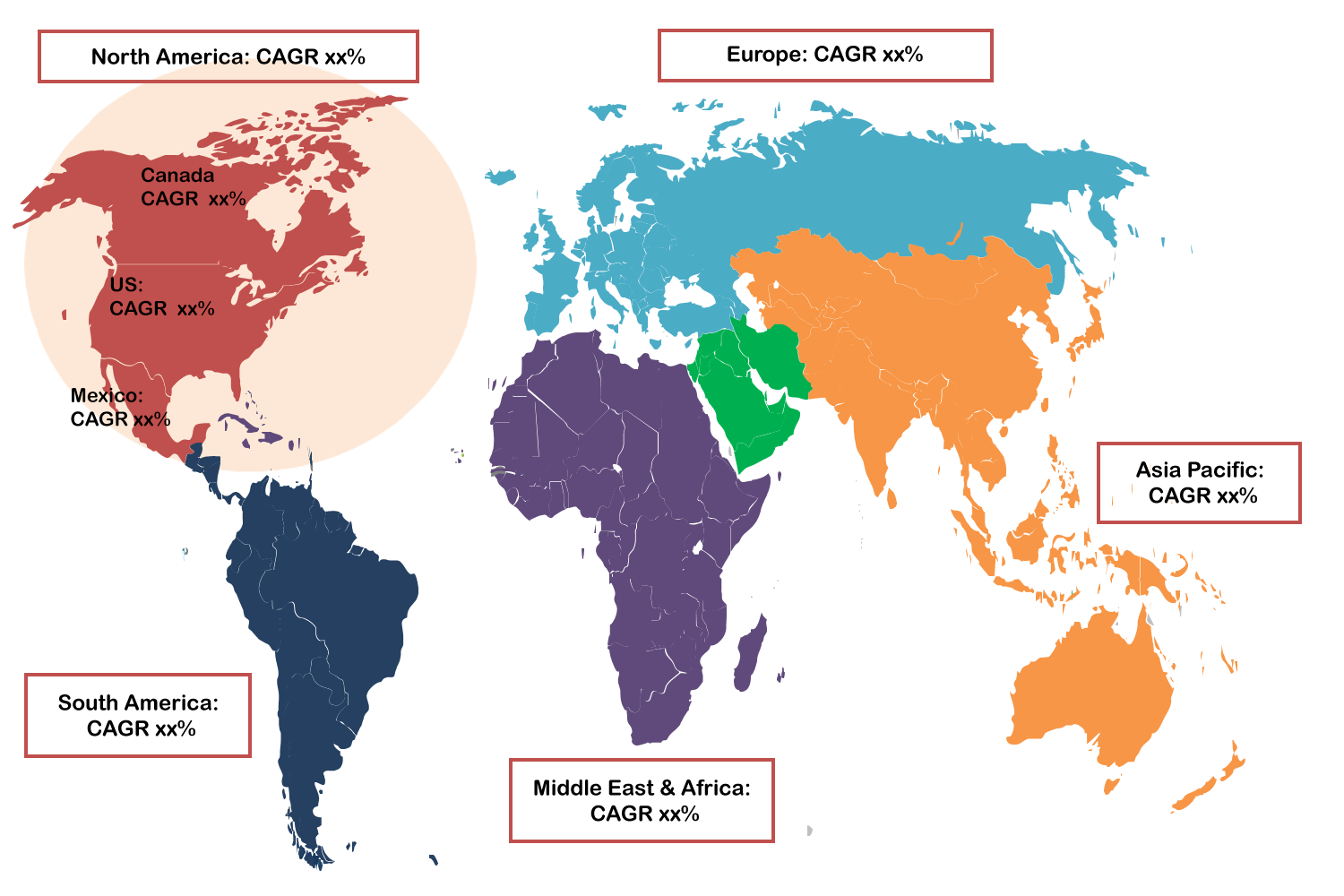
North America, Europe, Asia Pacific, South America, and Middle East & Africa |
|
Countries Covered |
US, Canada, Mexico, Germany, UK, Italy, France, Spain, Japan, China, India, Australia, New Zealand, South Korea, Rest of Asia Pacific, South America, Argentina, Brazil, Chile, Middle East & Africa, Saudi Arabia, UAE, Qatar, and South Africa |
|
Largest Market |
Asia Pacific |
|
Highest Growing Market |
North America |
According to Stratistics MRC, the Global Big Data Analytics Market is accounted for $78.52 billion in 2025 and is expected to reach $163.54 billion by 2032 growing at a CAGR of 11.0% during the forecast period. Big Data Analytics refers to the process of examining large and complex data sets to uncover hidden patterns, correlations, market trends, and customer preferences. Using advanced techniques such as machine learning, data mining, and statistical analysis, it enables organizations to make informed decisions, enhance operational efficiency, and gain a competitive edge. The insights derived from big data help in predictive analytics, real-time monitoring, and strategic business planning across various industries.
According to the Global Data Management Benchmark Report, 43% of organizations now consider real-time data analytics a top priority, which reflects a shift in operational strategies toward leveraging real-time insights.

Market Dynamics:
Driver:
Rapid growth in data generation
Businesses and organizations are generating vast amounts of structured and unstructured data, leading to an urgent need for advanced analytics solutions. The proliferation of IoT, social media interactions, and cloud computing further fuels this growth. With enterprises prioritizing data-driven decision-making, the demand for real-time analytics is escalating. Advancements in AI and machine learning are enhancing the ability to process large datasets effectively. Consequently, the big data analytics market is experiencing significant expansion across multiple industries.
Restraint:
Data privacy and security concerns
Enterprises handling massive volumes of sensitive information face challenges in ensuring compliance with strict regulatory frameworks. Cyber threats, data breaches, and unauthorized access are potential risks that hinder market adoption. Organizations must invest heavily in encryption, authentication protocols, and cyber security measures to mitigate these risks. The complexities of handling personally identifiable information (PII) add another layer of regulatory scrutiny. Thus, navigating privacy concerns while maximizing data utilization remains a critical challenge for industry players.
Opportunity:
Increased adoption of cloud-based solutions
Cloud platforms offer scalable infrastructure, enabling businesses to process large datasets efficiently. Organizations are increasingly shifting to cloud computing for seamless integration, enhanced collaboration, and cost-effective analytics implementation. Advancements in hybrid cloud solutions allow secure data storage and processing while ensuring business continuity. This trend is expected to drive widespread adoption and innovation in the big data analytics space.
Threat:
Risk of inaccurate or misleading insights
The quality and reliability of data heavily impact the outcomes of analytics-driven decisions. Issues such as data inconsistencies, biases in AI models, and poor data governance can lead to flawed interpretations. Organizations must ensure robust data validation and cleansing mechanisms to improve accuracy. The reliance on historical data trends may sometimes overlook emerging market shifts, affecting strategic planning.
Covid-19 Impact
The COVID-19 pandemic accelerated the adoption of big data analytics, transforming industries worldwide. As businesses faced unprecedented disruptions, they turned to analytics for resilience and risk assessment. The healthcare sector leveraged data analytics to track outbreaks, optimize resources, and enhance patient care strategies. Remote work trends further increased the reliance on cloud-based data processing. Post-pandemic, companies continue prioritizing data-driven insights to navigate uncertainties and optimize operational efficiency.
The software segment is expected to be the largest during the forecast period
The software segment is expected to account for the largest market share during the forecast period, due to increasing reliance on advanced analytics solutions. Businesses are investing heavily in AI-driven analytics platforms to enhance productivity and decision-making. The demand for predictive analytics, visualization tools, and automated reporting continues to expand. Cloud-based analytics software provides seamless integration with existing business frameworks, driving its adoption.
The sales analytics segment is expected to have the highest CAGR during the forecast period
Over the forecast period, the sales analytics segment is predicted to witness the highest growth rate, due to increasing demand for customer intelligence. Companies utilize sales analytics to optimize pricing strategies, forecast demand, and enhance revenue generation. AI-powered analytics tools help identify patterns and trends, enabling businesses to refine marketing campaigns. The integration of automation and machine learning improves lead generation accuracy and conversion rates. The need for data-driven sales strategies propels strong growth in this segment.
Region with largest share:
During the forecast period, the Asia Pacific region is expected to hold the largest market share due to the expanding digital landscape. Rapid economic development and technological advancements drive high adoption rates across industries. Governments are heavily investing in big data initiatives to enhance infrastructure and regulatory frameworks. The proliferation of mobile connectivity and e-commerce further fuels demand for analytics solutions.
Region with highest CAGR:
Over the forecast period, the North America region is anticipated to exhibit the highest CAGR, driven by substantial investments in analytics technologies. The region is home to major tech companies pioneering innovations in big data processing. Enterprises actively implement AI-driven analytics for business optimization, risk management, and customer engagement. Strict data protection regulations promote the adoption of secure analytics platforms. Cloud-based infrastructure advancements further enhance scalability and efficiency across sectors.
Key players in the market
Some of the key players profiled in the Big Data Analytics Market include IBM, Microsoft, Oracle, SAP, Amazon Web Services, SAS Institute Inc., Google, Salesforce, Teradata, Cloudera, Accenture, Wipro, Infosys, Mu Sigma, and Genpact.
Key Developments:
In May 2025, IBM is working with Oracle to bring the power of watsonx, IBM’s flagship portfolio of AI products, to Oracle Cloud Infrastructure (OCI). Leveraging OCI’s native AI services, the latest milestone in IBM’s technology partnership with Oracle is designed to fuel a new era of multi-agentic, AI-driven productivity and efficiency across the enterprise.
In September 2024, Oracle and Amazon Web Services, Inc. (AWS) announced the launch of Oracle Database@AWS, a new offering that allows customers to access Oracle Autonomous Database on dedicated infrastructure and Oracle Exadata Database Service within AWS. Oracle Database@AWS will provide customers with a unified experience between Oracle Cloud Infrastructure (OCI) and AWS, offering simplified database administration, billing, and unified customer support.
Components Covered:
• Software
• Services
• Other Components
Deployment Modes Covered:
• On-Premise
• Cloud-Based
Analytics Types Covered:
• Predictive Analytics
• Prescriptive Analytics
• Descriptive Analytics
• Diagnostic Analytics
Organization Sizes Covered:
• Large Enterprises
• Small & Medium Enterprises (SMEs)
Applications Covered:
• Customer Analytics
• Sales Analytics
• Risk & Fraud Detection
• Marketing Analytics
• Operational Analytics
• Supply Chain Analytics
• Other Applications
End Users Covered:
• Banking, Financial Services, and Insurance (BFSI)
• Government & Public Sector
• Healthcare & Life Sciences
• Transportation & Logistics
• Retail & E-commerce
• Education
• Manufacturing
• Energy & Utilities
• Telecommunications & IT
• Media & Entertainment
• Other End Users
Regions Covered:
• North America
o US
o Canada
o Mexico
• Europe
o Germany
o UK
o Italy
o France
o Spain
o Rest of Europe
• Asia Pacific
o Japan
o China
o India
o Australia
o New Zealand
o South Korea
o Rest of Asia Pacific
• South America
o Argentina
o Brazil
o Chile
o Rest of South America
• Middle East & Africa
o Saudi Arabia
o UAE
o Qatar
o South Africa
o Rest of Middle East & Africa
What our report offers:
- Market share assessments for the regional and country-level segments
- Strategic recommendations for the new entrants
- Covers Market data for the years 2022, 2023, 2024, 2026, and 2030
- Market Trends (Drivers, Constraints, Opportunities, Threats, Challenges, Investment Opportunities, and recommendations)
- Strategic recommendations in key business segments based on the market estimations
- Competitive landscaping mapping the key common trends
- Company profiling with detailed strategies, financials, and recent developments
- Supply chain trends mapping the latest technological advancements
Free Customization Offerings:
All the customers of this report will be entitled to receive one of the following free customization options:
• Company Profiling
o Comprehensive profiling of additional market players (up to 3)
o SWOT Analysis of key players (up to 3)
• Regional Segmentation
o Market estimations, Forecasts and CAGR of any prominent country as per the client's interest (Note: Depends on feasibility check)
• Competitive Benchmarking
o Benchmarking of key players based on product portfolio, geographical presence, and strategic alliances
Table of Contents
1 Executive Summary
2 Preface
2.1 Abstract
2.2 Stake Holders
2.3 Research Scope
2.4 Research Methodology
2.4.1 Data Mining
2.4.2 Data Analysis
2.4.3 Data Validation
2.4.4 Research Approach
2.5 Research Sources
2.5.1 Primary Research Sources
2.5.2 Secondary Research Sources
2.5.3 Assumptions
3 Market Trend Analysis
3.1 Introduction
3.2 Drivers
3.3 Restraints
3.4 Opportunities
3.5 Threats
3.6 Application Analysis
3.7 End User Analysis
3.8 Emerging Markets
3.9 Impact of Covid-19
4 Porters Five Force Analysis
4.1 Bargaining power of suppliers
4.2 Bargaining power of buyers
4.3 Threat of substitutes
4.4 Threat of new entrants
4.5 Competitive rivalry
5 Global Big Data Analytics Market, By Component
5.1 Introduction
5.2 Software
5.2.1 Data Discovery & Visualization Tools
5.2.2 Reporting Tools
5.2.3 Data Mining & Warehousing
5.2.4 Predictive Analytics Tools
5.3 Services
5.3.1 Managed Services
5.3.2 Professional Services
5.4 Other Components
6 Global Big Data Analytics Market, By Deployment Mode
6.1 Introduction
6.2 On-Premise
6.3 Cloud-Based
6.3.1 Hybrid Cloud
6.3.2 Public Cloud
6.3.3 Private Cloud
7 Global Big Data Analytics Market, By Analytics Type
7.1 Introduction
7.2 Predictive Analytics
7.3 Prescriptive Analytics
7.4 Descriptive Analytics
7.5 Diagnostic Analytics
8 Global Big Data Analytics Market, By Organization Size
8.1 Introduction
8.2 Large Enterprises
8.3 Small & Medium Enterprises (SMEs)
9 Global Big Data Analytics Market, By Application
9.1 Introduction
9.2 Customer Analytics
9.3 Sales Analytics
9.4 Risk & Fraud Detection
9.5 Marketing Analytics
9.6 Operational Analytics
9.7 Supply Chain Analytics
9.8 Other Applications
10 Global Big Data Analytics Market, By End Users
10.1 Introduction
10.2 Banking, Financial Services, and Insurance (BFSI)
10.3 Government & Public Sector
10.4 Healthcare & Life Sciences
10.5 Transportation & Logistics
10.6 Retail & E-commerce
10.7 Education
10.8 Manufacturing
10.9 Energy & Utilities
10.10 Telecommunications & IT
10.11 Media & Entertainment
10.12 Other End Users
11 Global Big Data Analytics Market, By Geography
11.1 Introduction
11.2 North America
11.2.1 US
11.2.2 Canada
11.2.3 Mexico
11.3 Europe
11.3.1 Germany
11.3.2 UK
11.3.3 Italy
11.3.4 France
11.3.5 Spain
11.3.6 Rest of Europe
11.4 Asia Pacific
11.4.1 Japan
11.4.2 China
11.4.3 India
11.4.4 Australia
11.4.5 New Zealand
11.4.6 South Korea
11.4.7 Rest of Asia Pacific
11.5 South America
11.5.1 Argentina
11.5.2 Brazil
11.5.3 Chile
11.5.4 Rest of South America
11.6 Middle East & Africa
11.6.1 Saudi Arabia
11.6.2 UAE
11.6.3 Qatar
11.6.4 South Africa
11.6.5 Rest of Middle East & Africa
12 Key Developments
12.1 Agreements, Partnerships, Collaborations and Joint Ventures
12.2 Acquisitions & Mergers
12.3 New Product Launch
12.4 Expansions
12.5 Other Key Strategies
13 Company Profiling
13.1 IBM
13.2 Microsoft
13.3 Oracle
13.4 SAP
13.5 Amazon Web Services
13.6 SAS Institute Inc.
13.7 Google
13.8 Salesforce
13.9 Teradata
13.10 Cloudera
13.11 Accenture
13.12 Wipro
13.13 Infosys
13.14 Mu Sigma
13.15 Genpact
List of Tables
1 Global Big Data Analytics Market Outlook, By Region (2024-2032) ($MN)
2 Global Big Data Analytics Market Outlook, By Component (2024-2032) ($MN)
3 Global Big Data Analytics Market Outlook, By Software (2024-2032) ($MN)
4 Global Big Data Analytics Market Outlook, By Data Discovery & Visualization Tools (2024-2032) ($MN)
5 Global Big Data Analytics Market Outlook, By Reporting Tools (2024-2032) ($MN)
6 Global Big Data Analytics Market Outlook, By Data Mining & Warehousing (2024-2032) ($MN)
7 Global Big Data Analytics Market Outlook, By Predictive Analytics Tools (2024-2032) ($MN)
8 Global Big Data Analytics Market Outlook, By Services (2024-2032) ($MN)
9 Global Big Data Analytics Market Outlook, By Managed Services (2024-2032) ($MN)
10 Global Big Data Analytics Market Outlook, By Professional Services (2024-2032) ($MN)
11 Global Big Data Analytics Market Outlook, By Other Components (2024-2032) ($MN)
12 Global Big Data Analytics Market Outlook, By Deployment Mode (2024-2032) ($MN)
13 Global Big Data Analytics Market Outlook, By On-Premise (2024-2032) ($MN)
14 Global Big Data Analytics Market Outlook, By Cloud-Based (2024-2032) ($MN)
15 Global Big Data Analytics Market Outlook, By Hybrid Cloud (2024-2032) ($MN)
16 Global Big Data Analytics Market Outlook, By Public Cloud (2024-2032) ($MN)
17 Global Big Data Analytics Market Outlook, By Private Cloud (2024-2032) ($MN)
18 Global Big Data Analytics Market Outlook, By Analytics Type (2024-2032) ($MN)
19 Global Big Data Analytics Market Outlook, By Predictive Analytics (2024-2032) ($MN)
20 Global Big Data Analytics Market Outlook, By Prescriptive Analytics (2024-2032) ($MN)
21 Global Big Data Analytics Market Outlook, By Descriptive Analytics (2024-2032) ($MN)
22 Global Big Data Analytics Market Outlook, By Diagnostic Analytics (2024-2032) ($MN)
23 Global Big Data Analytics Market Outlook, By Organization Size (2024-2032) ($MN)
24 Global Big Data Analytics Market Outlook, By Large Enterprises (2024-2032) ($MN)
25 Global Big Data Analytics Market Outlook, By Small & Medium Enterprises (SMEs) (2024-2032) ($MN)
26 Global Big Data Analytics Market Outlook, By Application (2024-2032) ($MN)
27 Global Big Data Analytics Market Outlook, By Customer Analytics (2024-2032) ($MN)
28 Global Big Data Analytics Market Outlook, By Sales Analytics (2024-2032) ($MN)
29 Global Big Data Analytics Market Outlook, By Risk & Fraud Detection (2024-2032) ($MN)
30 Global Big Data Analytics Market Outlook, By Marketing Analytics (2024-2032) ($MN)
31 Global Big Data Analytics Market Outlook, By Operational Analytics (2024-2032) ($MN)
32 Global Big Data Analytics Market Outlook, By Supply Chain Analytics (2024-2032) ($MN)
33 Global Big Data Analytics Market Outlook, By Other Applications (2024-2032) ($MN)
34 Global Big Data Analytics Market Outlook, By End Users (2024-2032) ($MN)
35 Global Big Data Analytics Market Outlook, By Banking, Financial Services, and Insurance (BFSI) (2024-2032) ($MN)
36 Global Big Data Analytics Market Outlook, By Government & Public Sector (2024-2032) ($MN)
37 Global Big Data Analytics Market Outlook, By Healthcare & Life Sciences (2024-2032) ($MN)
38 Global Big Data Analytics Market Outlook, By Transportation & Logistics (2024-2032) ($MN)
39 Global Big Data Analytics Market Outlook, By Retail & E-commerce (2024-2032) ($MN)
40 Global Big Data Analytics Market Outlook, By Education (2024-2032) ($MN)
41 Global Big Data Analytics Market Outlook, By Manufacturing (2024-2032) ($MN)
42 Global Big Data Analytics Market Outlook, By Energy & Utilities (2024-2032) ($MN)
43 Global Big Data Analytics Market Outlook, By Telecommunications & IT (2024-2032) ($MN)
44 Global Big Data Analytics Market Outlook, By Media & Entertainment (2024-2032) ($MN)
45 Global Big Data Analytics Market Outlook, By Other End Users (2024-2032) ($MN)
Note: Tables for North America, Europe, APAC, South America, and Middle East & Africa Regions are also represented in the same manner as above.
List of Figures
RESEARCH METHODOLOGY

We at ‘Stratistics’ opt for an extensive research approach which involves data mining, data validation, and data analysis. The various research sources include in-house repository, secondary research, competitor’s sources, social media research, client internal data, and primary research.
Our team of analysts prefers the most reliable and authenticated data sources in order to perform the comprehensive literature search. With access to most of the authenticated data bases our team highly considers the best mix of information through various sources to obtain extensive and accurate analysis.
Each report takes an average time of a month and a team of 4 industry analysts. The time may vary depending on the scope and data availability of the desired market report. The various parameters used in the market assessment are standardized in order to enhance the data accuracy.
Data Mining
The data is collected from several authenticated, reliable, paid and unpaid sources and is filtered depending on the scope & objective of the research. Our reports repository acts as an added advantage in this procedure. Data gathering from the raw material suppliers, distributors and the manufacturers is performed on a regular basis, this helps in the comprehensive understanding of the products value chain. Apart from the above mentioned sources the data is also collected from the industry consultants to ensure the objective of the study is in the right direction.
Market trends such as technological advancements, regulatory affairs, market dynamics (Drivers, Restraints, Opportunities and Challenges) are obtained from scientific journals, market related national & international associations and organizations.
Data Analysis
From the data that is collected depending on the scope & objective of the research the data is subjected for the analysis. The critical steps that we follow for the data analysis include:
- Product Lifecycle Analysis
- Competitor analysis
- Risk analysis
- Porters Analysis
- PESTEL Analysis
- SWOT Analysis
The data engineering is performed by the core industry experts considering both the Marketing Mix Modeling and the Demand Forecasting. The marketing mix modeling makes use of multiple-regression techniques to predict the optimal mix of marketing variables. Regression factor is based on a number of variables and how they relate to an outcome such as sales or profits.
Data Validation
The data validation is performed by the exhaustive primary research from the expert interviews. This includes telephonic interviews, focus groups, face to face interviews, and questionnaires to validate our research from all aspects. The industry experts we approach come from the leading firms, involved in the supply chain ranging from the suppliers, distributors to the manufacturers and consumers so as to ensure an unbiased analysis.
We are in touch with more than 15,000 industry experts with the right mix of consultants, CEO's, presidents, vice presidents, managers, experts from both supply side and demand side, executives and so on.
The data validation involves the primary research from the industry experts belonging to:
- Leading Companies
- Suppliers & Distributors
- Manufacturers
- Consumers
- Industry/Strategic Consultants
Apart from the data validation the primary research also helps in performing the fill gap research, i.e. providing solutions for the unmet needs of the research which helps in enhancing the reports quality.
For more details about research methodology, kindly write to us at info@strategymrc.com
Frequently Asked Questions
In case of any queries regarding this report, you can contact the customer service by filing the “Inquiry Before Buy” form available on the right hand side. You may also contact us through email: info@strategymrc.com or phone: +1-301-202-5929
Yes, the samples are available for all the published reports. You can request them by filling the “Request Sample” option available in this page.
Yes, you can request a sample with your specific requirements. All the customized samples will be provided as per the requirement with the real data masked.
All our reports are available in Digital PDF format. In case if you require them in any other formats, such as PPT, Excel etc you can submit a request through “Inquiry Before Buy” form available on the right hand side. You may also contact us through email: info@strategymrc.com or phone: +1-301-202-5929
We offer a free 15% customization with every purchase. This requirement can be fulfilled for both pre and post sale. You may send your customization requirements through email at info@strategymrc.com or call us on +1-301-202-5929.
We have 3 different licensing options available in electronic format.
- Single User Licence: Allows one person, typically the buyer, to have access to the ordered product. The ordered product cannot be distributed to anyone else.
- 2-5 User Licence: Allows the ordered product to be shared among a maximum of 5 people within your organisation.
- Corporate License: Allows the product to be shared among all employees of your organisation regardless of their geographical location.
All our reports are typically be emailed to you as an attachment.
To order any available report you need to register on our website. The payment can be made either through CCAvenue or PayPal payments gateways which accept all international cards.
We extend our support to 6 months post sale. A post sale customization is also provided to cover your unmet needs in the report.
Request Customization
We offer complimentary customization of up to 15% with every purchase. To share your customization requirements, feel free to email us at info@strategymrc.com or call us on +1-301-202-5929. .
Please Note: Customization within the 15% threshold is entirely free of charge. If your request exceeds this limit, we will conduct a feasibility assessment. Following that, a detailed quote and timeline will be provided.
WHY CHOOSE US ?

Assured Quality
Best in class reports with high standard of research integrity

24X7 Research Support
Continuous support to ensure the best customer experience.

Free Customization
Adding more values to your product of interest.

Safe & Secure Access
Providing a secured environment for all online transactions.

Trusted by 600+ Brands
Serving the most reputed brands across the world.
