
Bio Based Polymers Market
Bio-Based Polymers Market Forecasts to 2032 – Global Analysis By Product (Bio-based Polyethylene (Bio-PE), Bio-based Polyamide (Bio-PA), Bio-based Polyethylene Terephthalate (Bio-PET), Bio-based Polyurethane (Bio-PU), Polybutylene Succinate (PBS), Polyhydroxyalkanoates (PHAs), Polylactic Acid (PLA), Bio-based Epoxies, Polyethylene Furanoate (PEF) and Other Products), Material, Process, End User and By Geography

According to Stratistics MRC, the Global Bio-Based Polymers Market is accounted for $9.99 billion in 2025 and is expected to reach $16.59 billion by 2032 growing at a CAGR of 7.5% during the forecast period. Bio-based polymers are made entirely or in part from renewable biological resources, such as microorganisms, plants, or algae, as opposed to fossil fuels. Direct synthesis from natural polymers (such as proteins, cellulose, and starch) or fermentation and polymerization of bio-derived monomers, such as bio-based polyethylene or polylactic acid (PLA), are two possible methods. These materials are becoming more and more crucial for fostering a circular economy, lowering greenhouse gas emissions, and lessening reliance on petroleum. Although some bio-based polymers can decompose naturally, others might be chemically identical to traditional plastics but have a smaller environmental impact because they come from renewable resources.
According to experts at the United Nations Environment Assembly (UNEA-6), plastics currently account for around 4% of global greenhouse-gas emissions, and under a business-as-usual scenario, their lifecycle could contribute up to 19% by 2040. Additionally, only 1–1.5% of plastics produced in the world are bio-based, underscoring how minimal bio-based alternatives currently are in the broader plastics market.
Market Dynamics:
Driver:
Demand from customers for sustainable products
Growing consumer awareness of environmental problems like microplastics and ocean plastic pollution has made them prefer products with environmentally friendly packaging. According to surveys by groups like the European Bioplastics Association, many consumers actively look for labels that say ""biodegradable"" or ""plant-based,"" and over half of them are willing to pay more for goods that have a lower environmental impact. Younger demographics, which impact brand strategies through social media advocacy and sustainable lifestyle trends, are particularly affected by this shift. Bio-based polymers have emerged as a key differentiator in competitive markets as companies are under increasing pressure to exhibit environmental responsibility through their use in consumer goods, packaging, and textiles.
Restraint:
Limited end-of-life management infrastructure
The infrastructure to handle bio-based polymers properly is lacking in most places, despite the fact that many of them are compostable or biodegradable under specific circumstances. Bioplastics can only be processed in a small number of industrial composting facilities, and bio-based materials frequently wind up in landfills with slow or insufficient biodegradation. Additionally, recycling streams become contaminated due to unclear labeling and consumer education, which can also result in lower-quality recycled plastics. Because the environmental benefits of bio-based polymers cannot be fully realized without the proper infrastructure for collection, sorting, and processing, consumers and policymakers will become skeptical of them.
Opportunity:
Developments in diversification of feedstock
The market for bio-based polymers has a big chance as second- and third-generation feedstocks become more popular. Producers can sidestep the food versus materials controversy and enhance sustainability profiles by utilizing non-food biomass, such as forestry by-products, algae, agricultural residues, and even waste gases from industrial processes. Algae-based bioplastics, for instance, can be grown in non-arable regions and require little freshwater and land, which eases environmental pressure. However, a new class of bio-based polymers with net-negative carbon footprints may be produced by using carbon capture and utilization (CCU) technologies to synthesize polymer precursors from CO₂ emissions.
Threat:
Slow progress in supporting infrastructure development
Even though bio-based polymers frequently offer advantages like compostability or recyclability, there is still a lack of adequate infrastructure worldwide to process them efficiently. Many of these materials still end up in landfills, losing their intended environmental benefit, due to a lack of adequate composting facilities, waste collection systems, or recycling plants that can handle bioplastics. The value of bio-based polymers may be weakened if governments and local governments do not make the required infrastructure investments, which would provide detractors with more evidence to doubt their feasibility as a widespread substitute for plastics derived from fossil fuels.
Covid-19 Impact:
The market for bio-based polymers experienced mixed effects from the COVID-19 pandemic, including supply chain disruptions and new demand opportunities. Production delays and cost increases resulted from the availability of biomass feedstocks like corn, sugarcane, and cassava being severely impacted by lockdowns, labor shortages, and logistical bottlenecks. Restrictions and the temporary closure of processing facilities resulted in lower capacity utilization for many bio-based polymer manufacturers. The demand for bio-based materials decreased due to a steep drop in industries like construction and automobiles. However, the pandemic also increased demand for environmentally friendly packaging, especially for food, e-commerce, and pharmaceuticals, which spurred short-term expansion in specific biodegradable and compostable polymer markets.
The bio-based polyethylene (Bio-PE) segment is expected to be the largest during the forecast period
The bio-based polyethylene (Bio-PE) segment is expected to account for the largest market share during the forecast period. Due to the fact that bio-based polyethylene (bio-PE) has the same chemical and physical characteristics as regular polyethylene, it can be readily incorporated into current production and recycling procedures without requiring major modifications. Packaging films, bottles, and containers—some of the most common plastic consumption categories worldwide—are among the many uses for Bio-PE, which is mainly made from renewable resources like sugarcane ethanol. Additionally, when compared to polyethylene derived from fossil fuels, bio-PE provides a significant reduction in carbon emissions, which is in line with both regulatory demands for greener materials and corporate sustainability goals.
The starches segment is expected to have the highest CAGR during the forecast period
Over the forecast period, the starches segment is predicted to witness the highest growth rate. Biopolymers based on starch are becoming increasingly popular because they are economical, renewable, and biodegradable. Starch polymers, which are mostly derived from crops like corn, wheat, and potatoes, are extensively utilized in biomedical, agricultural, and packaging applications. They are a sustainable substitute for traditional plastics because of their natural ability to decompose, which lowers environmental pollution. Their mechanical and barrier qualities have been enhanced by developments in starch modification techniques, increasing their industrial uses. The market for bio-based polymers is expected to grow significantly, with the starch segment expected to experience strong growth due to rising environmental regulations and consumer demand for eco-friendly products.
Region with largest share:
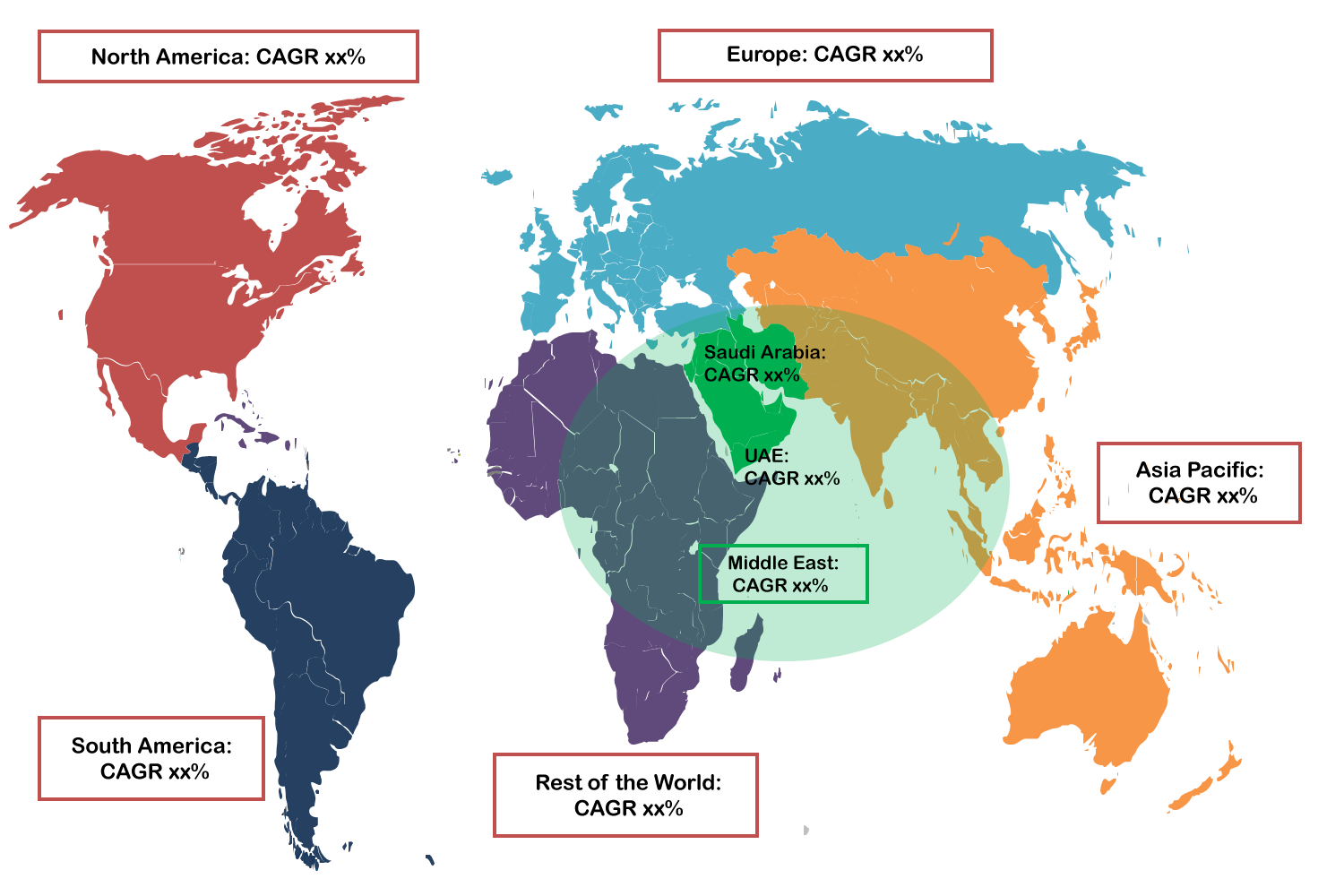
During the forecast period, the Asia-Pacific region is expected to hold the largest market share. Rapid industrialization, growing environmental consciousness, and robust government programs supporting sustainable materials in nations like China, India, and Japan are the main drivers of this dominance. Large-scale production of bio-based polymers is supported by the region's plentiful supply of raw materials, including corn, sugarcane, and cassava. Market expansion is also fueled by rising demand from the automotive, agricultural, and packaging industries. Moreover, Asia-Pacific is well-positioned to hold its dominant position in the global market for bio-based polymers owing to advantageous regulatory policies and a sizable consumer base interested in eco-friendly products.
Region with highest CAGR:
Over the forecast period, the Middle East & Africa (MEA) region is anticipated to exhibit the highest CAGR. Growing government efforts to reduce plastic waste, growing investments in sustainable infrastructure, and growing environmental concerns are all contributing factors to this rapid growth. Demand is being driven by growing industrialization and growing awareness of biodegradable materials, even though the market is still in its infancy when compared to other regions. Furthermore, adoption of bio-based polymers is also facilitated by the region's initiatives to diversify its economy away from fossil fuels and advance green technologies. In the upcoming years, MEA is expected to develop into a rapidly expanding market for bio-based polymers as infrastructure and awareness increase.
Key players in the market
Some of the key players in Bio-Based Polymers Market include DuPont de Nemours, Inc., Toray Industries, Inc., BASF SE, NatureWorks LLC, Covestro AG, Mitsubishi Chemical Holding Corporation, Biome Bioplastics Inc, Thyssenkrupp AG, Novamont S.p.A., Cortec Group Management Services, LLC, FKuR Kunststoff GmbH, TotalEnergies Corbion Inc, Merck KGaA, Solvay and FP International.
Key Developments:
In August 2025, DuPont, Corteva and Chemours reached a proposed agreement with the New Jersey Department of Environmental Protection to pay $875 million over a 25-year period to resolve all legacy PFAS-related claims in the state. The deal includes an approximately $125 million allocation for costs, fees, penalties and punitive damages.
In July 2025, BASF and Equinor have signed a long-term strategic agreement for the annual delivery of up to 23 terawatt hours of natural gas over a ten-year period. The contract secures a substantial share of BASF’s natural gas needs in Europe.
In February 2025, NatureWorks is proud to announce the launch of Ingeo 3D300, the company’s newest specially engineered 3D printing grade. Designed for faster printing without compromising quality, Ingeo 3D300 sets a new benchmark in additive manufacturing by offering enhanced efficiency and exceptional performance.
Products Covered:
• Bio-based Polyethylene (Bio-PE)
• Bio-based Polyamide (Bio-PA)
• Bio-based Polyethylene Terephthalate (Bio-PET)
• Bio-based Polyurethane (Bio-PU)
• Polybutylene Succinate (PBS)
• Polyhydroxyalkanoates (PHAs)
• Polylactic Acid (PLA)
• Bio-based Epoxies
• Polyethylene Furanoate (PEF)
• Other Products
Materials Covered:
• Starches
• Cellulose
• Chitin
• Gelatin
• Plant Oils & Fats
• Other Materials
Processes Covered:
• Injection Molding
• Extrusion
• Blow Molding
• 3D Printing (Additive Manufacturing)
• Other Processes
End Users Covered:
• Textile
• Automotive & Transportation
• Agriculture
• Packaging
• Building & Construction
• Consumer Goods
• Medical/Healthcare
• Food & Beverage
• Electrical & Electronics
• Other End Users
Regions Covered:
• North America
o US
o Canada
o Mexico
• Europe
o Germany
o UK
o Italy
o France
o Spain
o Rest of Europe
• Asia Pacific
o Japan
o China
o India
o Australia
o New Zealand
o South Korea
o Rest of Asia Pacific
• South America
o Argentina
o Brazil
o Chile
o Rest of South America
• Middle East & Africa
o Saudi Arabia
o UAE
o Qatar
o South Africa
o Rest of Middle East & Africa
What our report offers:
- Market share assessments for the regional and country-level segments
- Strategic recommendations for the new entrants
- Covers Market data for the years 2024, 2025, 2026, 2028, and 2032
- Market Trends (Drivers, Constraints, Opportunities, Threats, Challenges, Investment Opportunities, and recommendations)
- Strategic recommendations in key business segments based on the market estimations
- Competitive landscaping mapping the key common trends
- Company profiling with detailed strategies, financials, and recent developments
- Supply chain trends mapping the latest technological advancements
Free Customization Offerings:
All the customers of this report will be entitled to receive one of the following free customization options:
• Company Profiling
o Comprehensive profiling of additional market players (up to 3)
o SWOT Analysis of key players (up to 3)
• Regional Segmentation
o Market estimations, Forecasts and CAGR of any prominent country as per the client's interest (Note: Depends on feasibility check)
• Competitive Benchmarking
o Benchmarking of key players based on product portfolio, geographical presence, and strategic alliances
Table of Contents
1 Executive Summary
2 Preface
2.1 Abstract
2.2 Stake Holders
2.3 Research Scope
2.4 Research Methodology
2.4.1 Data Mining
2.4.2 Data Analysis
2.4.3 Data Validation
2.4.4 Research Approach
2.5 Research Sources
2.5.1 Primary Research Sources
2.5.2 Secondary Research Sources
2.5.3 Assumptions
3 Market Trend Analysis
3.1 Introduction
3.2 Drivers
3.3 Restraints
3.4 Opportunities
3.5 Threats
3.6 Product Analysis
3.7 End User Analysis
3.8 Emerging Markets
3.9 Impact of Covid-19
4 Porters Five Force Analysis
4.1 Bargaining power of suppliers
4.2 Bargaining power of buyers
4.3 Threat of substitutes
4.4 Threat of new entrants
4.5 Competitive rivalry
5 Global Bio-Based Polymers Market, By Product
5.1 Introduction
5.2 Bio-based Polyethylene (Bio-PE)
5.3 Bio-based Polyamide (Bio-PA)
5.4 Bio-based Polyethylene Terephthalate (Bio-PET)
5.5 Bio-based Polyurethane (Bio-PU)
5.6 Polybutylene Succinate (PBS)
5.7 Polyhydroxyalkanoates (PHAs)
5.8 Polylactic Acid (PLA)
5.9 Bio-based Epoxies
5.10 Polyethylene Furanoate (PEF)
5.11 Other Products
6 Global Bio-Based Polymers Market, By Material
6.1 Introduction
6.2 Starches
6.3 Cellulose
6.4 Chitin
6.5 Gelatin
6.6 Plant Oils & Fats
6.7 Other Materials
7 Global Bio-Based Polymers Market, By Process
7.1 Introduction
7.2 Injection Molding
7.3 Extrusion
7.4 Blow Molding
7.5 3D Printing (Additive Manufacturing)
7.6 Other Processes
8 Global Bio-Based Polymers Market, By End User
8.1 Introduction
8.2 Textile
8.3 Automotive & Transportation
8.4 Agriculture
8.5 Packaging
8.6 Building & Construction
8.7 Consumer Goods
8.8 Medical/Healthcare
8.9 Food & Beverage
8.10 Electrical & Electronics
8.11 Other End Users
9 Global Bio-Based Polymers Market, By Geography
9.1 Introduction
9.2 North America
9.2.1 US
9.2.2 Canada
9.2.3 Mexico
9.3 Europe
9.3.1 Germany
9.3.2 UK
9.3.3 Italy
9.3.4 France
9.3.5 Spain
9.3.6 Rest of Europe
9.4 Asia Pacific
9.4.1 Japan
9.4.2 China
9.4.3 India
9.4.4 Australia
9.4.5 New Zealand
9.4.6 South Korea
9.4.7 Rest of Asia Pacific
9.5 South America
9.5.1 Argentina
9.5.2 Brazil
9.5.3 Chile
9.5.4 Rest of South America
9.6 Middle East & Africa
9.6.1 Saudi Arabia
9.6.2 UAE
9.6.3 Qatar
9.6.4 South Africa
9.6.5 Rest of Middle East & Africa
10 Key Developments
10.1 Agreements, Partnerships, Collaborations and Joint Ventures
10.2 Acquisitions & Mergers
10.3 New Product Launch
10.4 Expansions
10.5 Other Key Strategies
11 Company Profiling
11.1 DuPont de Nemours, Inc.
11.2 Toray Industries, Inc.,
11.3 BASF SE
11.4 NatureWorks LLC
11.5 Covestro AG
11.6 Mitsubishi Chemical Holding Corporation
11.7 Biome Bioplastics Inc
11.8 Thyssenkrupp AG
11.9 Novamont S.p.A.
11.10 Cortec Group Management Services, LLC
11.11 FKuR Kunststoff GmbH
11.12 TotalEnergies Corbion Inc
11.13 Merck KGaA
11.14 Solvay
11.15 FP International
List of Tables
1 Global Bio-Based Polymers Market Outlook, By Region (2024-2032) ($MN)
2 Global Bio-Based Polymers Market Outlook, By Product (2024-2032) ($MN)
3 Global Bio-Based Polymers Market Outlook, By Bio-based Polyethylene (Bio-PE) (2024-2032) ($MN)
4 Global Bio-Based Polymers Market Outlook, By Bio-based Polyamide (Bio-PA) (2024-2032) ($MN)
5 Global Bio-Based Polymers Market Outlook, By Bio-based Polyethylene Terephthalate (Bio-PET) (2024-2032) ($MN)
6 Global Bio-Based Polymers Market Outlook, By Bio-based Polyurethane (Bio-PU) (2024-2032) ($MN)
7 Global Bio-Based Polymers Market Outlook, By Polybutylene Succinate (PBS) (2024-2032) ($MN)
8 Global Bio-Based Polymers Market Outlook, By Polyhydroxyalkanoates (PHAs) (2024-2032) ($MN)
9 Global Bio-Based Polymers Market Outlook, By Polylactic Acid (PLA) (2024-2032) ($MN)
10 Global Bio-Based Polymers Market Outlook, By Bio-based Epoxies (2024-2032) ($MN)
11 Global Bio-Based Polymers Market Outlook, By Polyethylene Furanoate (PEF) (2024-2032) ($MN)
12 Global Bio-Based Polymers Market Outlook, By Other Products (2024-2032) ($MN)
13 Global Bio-Based Polymers Market Outlook, By Material (2024-2032) ($MN)
14 Global Bio-Based Polymers Market Outlook, By Starches (2024-2032) ($MN)
15 Global Bio-Based Polymers Market Outlook, By Cellulose (2024-2032) ($MN)
16 Global Bio-Based Polymers Market Outlook, By Chitin (2024-2032) ($MN)
17 Global Bio-Based Polymers Market Outlook, By Gelatin (2024-2032) ($MN)
18 Global Bio-Based Polymers Market Outlook, By Plant Oils & Fats (2024-2032) ($MN)
19 Global Bio-Based Polymers Market Outlook, By Other Materials (2024-2032) ($MN)
20 Global Bio-Based Polymers Market Outlook, By Process (2024-2032) ($MN)
21 Global Bio-Based Polymers Market Outlook, By Injection Molding (2024-2032) ($MN)
22 Global Bio-Based Polymers Market Outlook, By Extrusion (2024-2032) ($MN)
23 Global Bio-Based Polymers Market Outlook, By Blow Molding (2024-2032) ($MN)
24 Global Bio-Based Polymers Market Outlook, By 3D Printing (Additive Manufacturing) (2024-2032) ($MN)
25 Global Bio-Based Polymers Market Outlook, By Other Processes (2024-2032) ($MN)
26 Global Bio-Based Polymers Market Outlook, By End User (2024-2032) ($MN)
27 Global Bio-Based Polymers Market Outlook, By Textile (2024-2032) ($MN)
28 Global Bio-Based Polymers Market Outlook, By Automotive & Transportation (2024-2032) ($MN)
29 Global Bio-Based Polymers Market Outlook, By Agriculture (2024-2032) ($MN)
30 Global Bio-Based Polymers Market Outlook, By Packaging (2024-2032) ($MN)
31 Global Bio-Based Polymers Market Outlook, By Building & Construction (2024-2032) ($MN)
32 Global Bio-Based Polymers Market Outlook, By Consumer Goods (2024-2032) ($MN)
33 Global Bio-Based Polymers Market Outlook, By Medical/Healthcare (2024-2032) ($MN)
34 Global Bio-Based Polymers Market Outlook, By Food & Beverage (2024-2032) ($MN)
35 Global Bio-Based Polymers Market Outlook, By Electrical & Electronics (2024-2032) ($MN)
36 Global Bio-Based Polymers Market Outlook, By Other End Users (2024-2032) ($MN)
Note: Tables for North America, Europe, APAC, South America, and Middle East & Africa Regions are also represented in the same manner as above.
List of Figures
RESEARCH METHODOLOGY
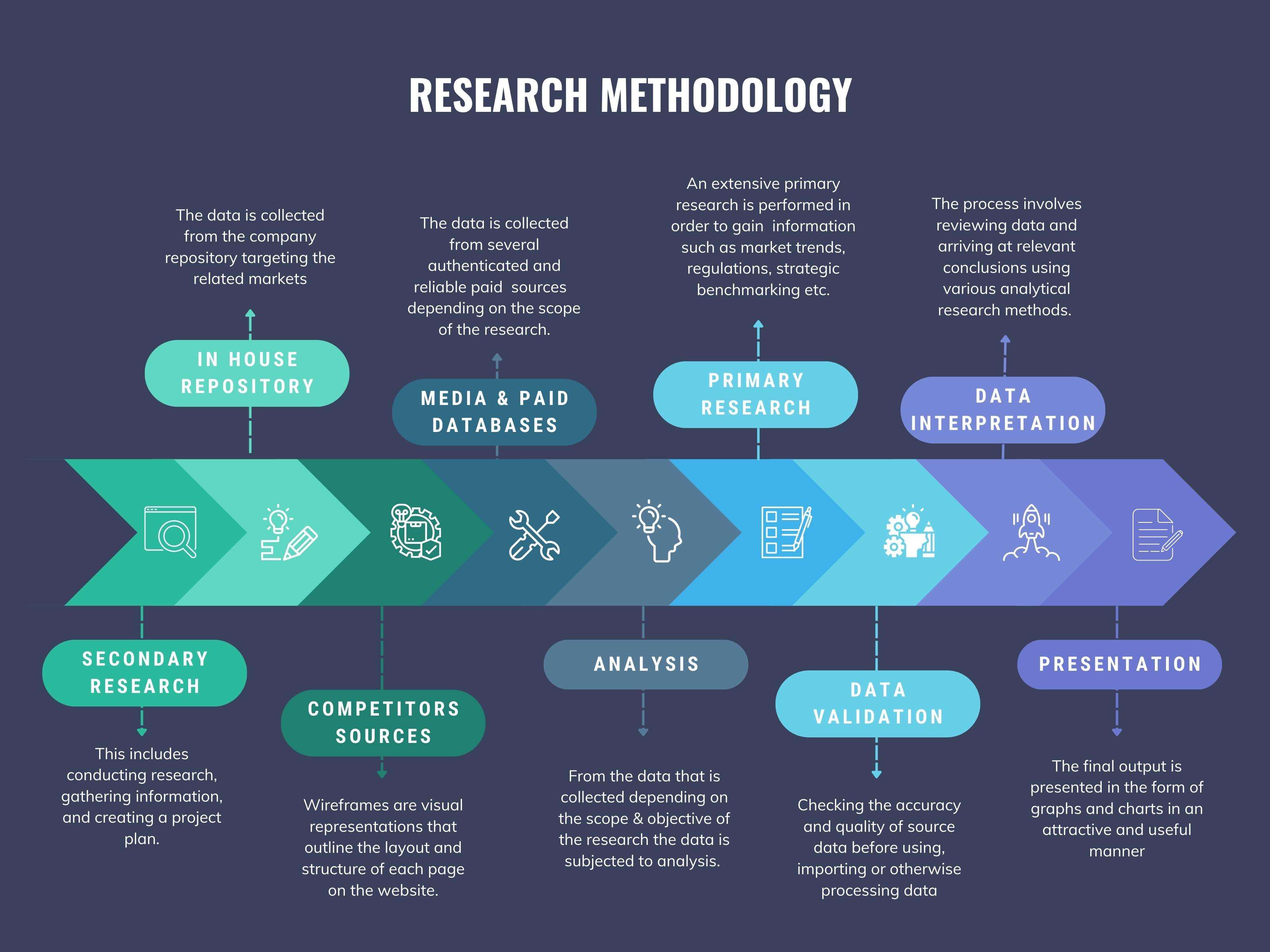
We at ‘Stratistics’ opt for an extensive research approach which involves data mining, data validation, and data analysis. The various research sources include in-house repository, secondary research, competitor’s sources, social media research, client internal data, and primary research.
Our team of analysts prefers the most reliable and authenticated data sources in order to perform the comprehensive literature search. With access to most of the authenticated data bases our team highly considers the best mix of information through various sources to obtain extensive and accurate analysis.
Each report takes an average time of a month and a team of 4 industry analysts. The time may vary depending on the scope and data availability of the desired market report. The various parameters used in the market assessment are standardized in order to enhance the data accuracy.
Data Mining
The data is collected from several authenticated, reliable, paid and unpaid sources and is filtered depending on the scope & objective of the research. Our reports repository acts as an added advantage in this procedure. Data gathering from the raw material suppliers, distributors and the manufacturers is performed on a regular basis, this helps in the comprehensive understanding of the products value chain. Apart from the above mentioned sources the data is also collected from the industry consultants to ensure the objective of the study is in the right direction.
Market trends such as technological advancements, regulatory affairs, market dynamics (Drivers, Restraints, Opportunities and Challenges) are obtained from scientific journals, market related national & international associations and organizations.
Data Analysis
From the data that is collected depending on the scope & objective of the research the data is subjected for the analysis. The critical steps that we follow for the data analysis include:
- Product Lifecycle Analysis
- Competitor analysis
- Risk analysis
- Porters Analysis
- PESTEL Analysis
- SWOT Analysis
The data engineering is performed by the core industry experts considering both the Marketing Mix Modeling and the Demand Forecasting. The marketing mix modeling makes use of multiple-regression techniques to predict the optimal mix of marketing variables. Regression factor is based on a number of variables and how they relate to an outcome such as sales or profits.
Data Validation
The data validation is performed by the exhaustive primary research from the expert interviews. This includes telephonic interviews, focus groups, face to face interviews, and questionnaires to validate our research from all aspects. The industry experts we approach come from the leading firms, involved in the supply chain ranging from the suppliers, distributors to the manufacturers and consumers so as to ensure an unbiased analysis.
We are in touch with more than 15,000 industry experts with the right mix of consultants, CEO's, presidents, vice presidents, managers, experts from both supply side and demand side, executives and so on.
The data validation involves the primary research from the industry experts belonging to:
- Leading Companies
- Suppliers & Distributors
- Manufacturers
- Consumers
- Industry/Strategic Consultants
Apart from the data validation the primary research also helps in performing the fill gap research, i.e. providing solutions for the unmet needs of the research which helps in enhancing the reports quality.
For more details about research methodology, kindly write to us at info@strategymrc.com
Frequently Asked Questions
In case of any queries regarding this report, you can contact the customer service by filing the “Inquiry Before Buy” form available on the right hand side. You may also contact us through email: info@strategymrc.com or phone: +1-301-202-5929
Yes, the samples are available for all the published reports. You can request them by filling the “Request Sample” option available in this page.
Yes, you can request a sample with your specific requirements. All the customized samples will be provided as per the requirement with the real data masked.
All our reports are available in Digital PDF format. In case if you require them in any other formats, such as PPT, Excel etc you can submit a request through “Inquiry Before Buy” form available on the right hand side. You may also contact us through email: info@strategymrc.com or phone: +1-301-202-5929
We offer a free 15% customization with every purchase. This requirement can be fulfilled for both pre and post sale. You may send your customization requirements through email at info@strategymrc.com or call us on +1-301-202-5929.
We have 3 different licensing options available in electronic format.
- Single User Licence: Allows one person, typically the buyer, to have access to the ordered product. The ordered product cannot be distributed to anyone else.
- 2-5 User Licence: Allows the ordered product to be shared among a maximum of 5 people within your organisation.
- Corporate License: Allows the product to be shared among all employees of your organisation regardless of their geographical location.
All our reports are typically be emailed to you as an attachment.
To order any available report you need to register on our website. The payment can be made either through CCAvenue or PayPal payments gateways which accept all international cards.
We extend our support to 6 months post sale. A post sale customization is also provided to cover your unmet needs in the report.
Request Customization
We offer complimentary customization of up to 15% with every purchase. To share your customization requirements, feel free to email us at info@strategymrc.com or call us on +1-301-202-5929. .
Please Note: Customization within the 15% threshold is entirely free of charge. If your request exceeds this limit, we will conduct a feasibility assessment. Following that, a detailed quote and timeline will be provided.
WHY CHOOSE US ?

Assured Quality
Best in class reports with high standard of research integrity

24X7 Research Support
Continuous support to ensure the best customer experience.

Free Customization
Adding more values to your product of interest.

Safe & Secure Access
Providing a secured environment for all online transactions.

Trusted by 600+ Brands
Serving the most reputed brands across the world.