
Cellulose Nanofiber Labels Market
Cellulose Nanofiber Labels Market Forecasts to 2032 – Global Analysis By Product Type (Cellulose Nanofibrils (CNF) / Microfibrillated Cellulose (MFC), Cellulose Nanocrystals, Bacterial Nanocellulose and Other Product Types), Source, Application, End User and By Geography

According to Stratistics MRC, the Global Cellulose Nanofiber Labels Market is accounted for $43.6 million in 2025 and is expected to reach $181.7 million by 2032 growing at a CAGR of 22.6% during the forecast period. Cellulose nanofiber (CNF) labels are sustainable labeling materials composed of nanoscale fibrils derived from plant-based cellulose. These labels exhibit high mechanical strength, low thermal expansion, and excellent printability, making them suitable for eco-friendly packaging and smart labeling applications. CNFs typically measure 5–20 nm in width and several micrometers in length, offering lightweight, biodegradable alternatives to synthetic polymers. Their renewable origin and compatibility with functional coatings enable advanced features such as moisture resistance, transparency, and sensor integration.
According to International Journal of Pharmaceutical Sciences, Nanofibers typically possess diameters below 100 nanometers and exhibit surface area-to-volume ratios exceeding 1000 m²/g, which significantly enhances their performance in filtration, drug delivery, and tissue engineering applications.
Market Dynamics:
Driver:
Growing demand for sustainable and biodegradable materials
Industries such as food, cosmetics, and pharmaceuticals are increasingly adopting these materials to meet regulatory and consumer expectations for low-impact packaging. Their lightweight structure and superior mechanical strength also contribute to reduced transportation emissions. As sustainability becomes a core procurement criterion, cellulose nanofiber labels are gaining traction across multiple sectors. These labels are derived from plant-based sources, making them biodegradable and compostable, aligning with circular economy goals.
Restraint:
Scalability challenges & lack of standardization
Manufacturers must invest in specialized equipment and skilled labor, which increases operational costs. Additionally, variability in raw material sources can affect batch uniformity, complicating quality assurance. The absence of universally accepted standards for nanocellulose quality, dispersion, and compatibility with printing technologies creates inconsistencies in performance. These limitations hinder broader adoption, especially among small and mid-sized enterprises seeking cost-effective solutions.
Opportunity:
Development of ""smart"" and functional labels & Growing demand in the packaging industry
The integration of cellulose nanofibers with conductive inks, biosensors, and RFID components is opening new avenues for intelligent packaging. These labels can monitor freshness, detect tampering, or track logistics in real time, enhancing product safety and supply chain transparency. Coupled with their biodegradable nature, smart nanofiber labels offer a dual advantage functionality and sustainability. The packaging industry, particularly in food and healthcare, is exploring these innovations to meet evolving consumer demands.
Threat:
Potential environmental and health concerns
Inhalation risks during manufacturing and uncertainties about long-term environmental accumulation have prompted scrutiny from regulatory bodies. The potential for nanoparticle migration into packaged goods, especially food and pharmaceuticals, raises safety questions. Without comprehensive toxicological studies and disposal guidelines, manufacturers may face resistance from risk-averse industries. These concerns could delay regulatory approvals and limit market penetration until robust safety frameworks are established.
Covid-19 Impact:
The pandemic disrupted global supply chains, affecting the availability of raw materials and delaying production timelines for cellulose nanofiber labels. However, it also accelerated the demand for hygienic, tamper-evident, and sustainable packaging particularly in e-commerce and healthcare sectors. As consumers became more environmentally conscious during lockdowns, brands responded by adopting greener labeling solutions. The rise in remote diagnostics and direct-to-consumer shipments further boosted interest in smart, biodegradable labels that ensure product integrity.
The cellulose nanocrystals segment is expected to be the largest during the forecast period
The cellulose nanocrystals segment is expected to account for the largest market share during the forecast period due to their exceptional tensile strength, transparency, and barrier properties. These attributes make CNCs ideal for high-performance labeling applications where durability and clarity are critical. Their compatibility with water-based inks and coatings also supports eco-friendly printing processes. CNCs are increasingly used in multilayer label structures to enhance shelf-life and reduce contamination risks.
The polymer matrix composites segment is expected to have the highest CAGR during the forecast period
Over the forecast period, the polymer matrix composites segment is predicted to witness the highest growth rate driven by their ability to combine flexibility with structural integrity. These composites enable the production of labels that are not only biodegradable but also resistant to moisture, heat, and mechanical stress. Innovations in bio-based polymers such as PLA and PHA are further enhancing the performance of these labels boosting the market growth.
Region with largest share:
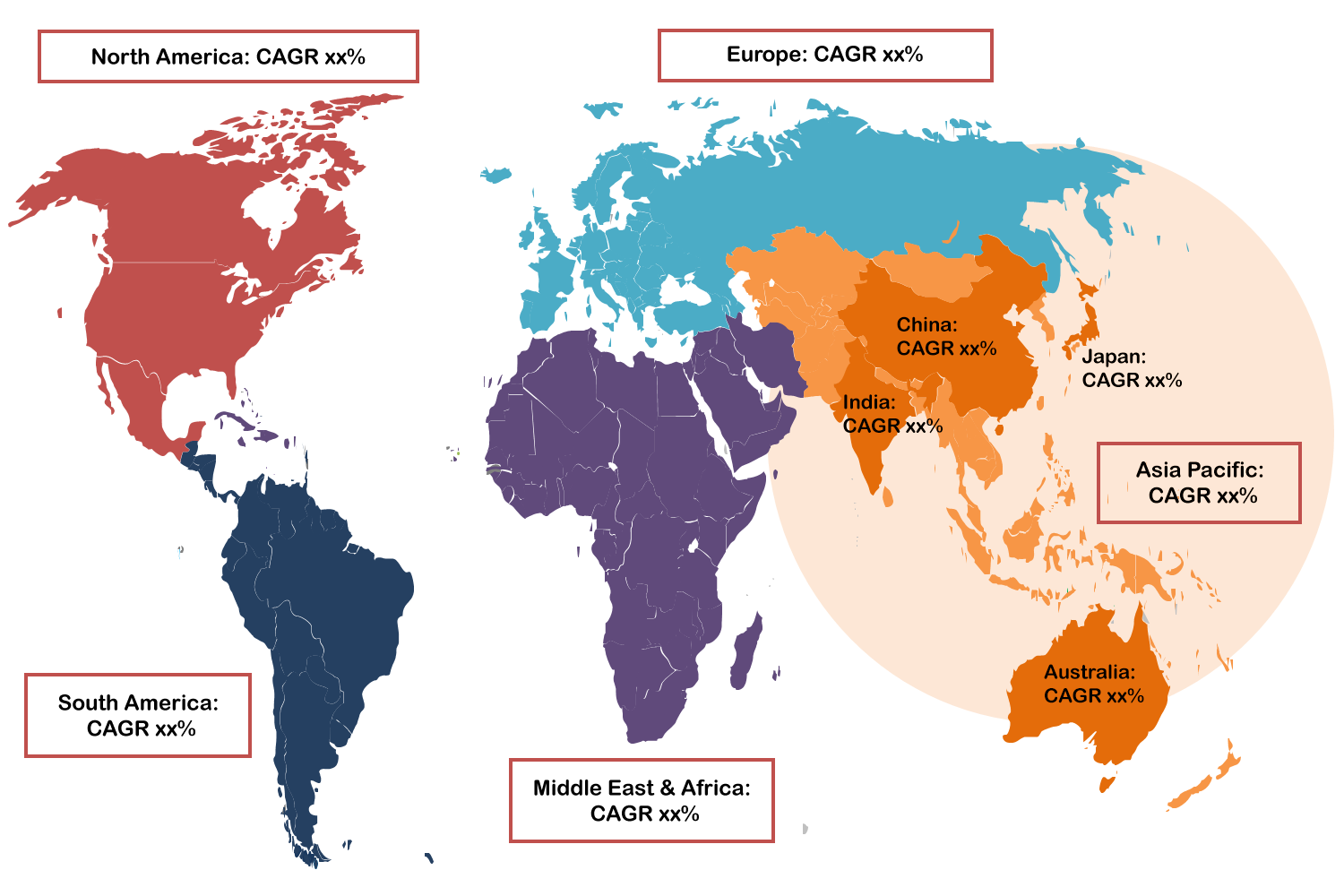
During the forecast period, the North America region is expected to hold the largest market share supported by strong regulatory frameworks promoting sustainable packaging and a mature consumer base that values eco-friendly products. Government incentives for bio-based materials and collaborations between academia and industry are accelerating innovation. Additionally, the presence of advanced printing and converting infrastructure facilitates the seamless integration of cellulose nanofiber labels into existing supply chains.
Region with highest CAGR:
Over the forecast period, the Asia Pacific region is anticipated to exhibit the highest CAGR fueled by rapid industrialization, rising environmental awareness, and expanding middle-class consumption. Countries like China, India, and Japan are investing heavily in bioeconomy initiatives and sustainable packaging technologies. The region’s abundant agricultural biomass offers a cost-effective source for nanocellulose extraction, supporting local production. Strategic partnerships and government-backed sustainability programs are expected to further boost market momentum.
Key players in the market
Some of the key players in Cellulose Nanofiber Labels Market include VTT Technical Research Centre of Finland Ltd., The Procter & Gamble Company (P&G), Stora Enso Biomaterials, Sappi Europe SA, RISE Research Institutes of Sweden, Oji Holdings Corporation, Nippon Paper Industries Co., Ltd., Melodea Ltd., Kruger Inc., Imerys S.A., Fpinnovations, FiberLean Technologies Ltd., Daio Paper Corporation, CelluForce Inc., CelluComp Ltd., Borregaard AS, American Process Inc., and AkzoNobel N.V.
Key Developments:
In August 2025, Sappi Europe SA announced product and exhibition activity for FACHPACK/interzum and new decorative-laminate textures and collaborations to be shown in 2025 trade shows.
In June 2025, Stora Enso announced a strategic partnership with Matrix Pack to accelerate formed-fiber packaging innovation.
In March 2025, Nippon Paper Industries Co., Ltd. signed an MoU (with JAL, Airbus, Sumitomo & GEI) to collaborate on Japan-domestic wood-based SAF (sustainable aviation fuel) development.
Product Types Covered:
• Cellulose Nanofibrils (CNF) / Microfibrillated Cellulose (MFC)
• Cellulose Nanocrystals
• Bacterial Nanocellulose
• Other Product Type
Sources Covered:
• Wood Pulp
• Non-wood Plant Sources
• Bacterial Synthesis
• Recycled Sources
• Other Sources
Applications Covered:
• Barrier Films & Coatings
• Paperboard Reinforcement
• Sustainable Labeling
• Paper Strengthening & Additives
• Polymer Matrix Composites
• Scratch-resistant Coatings
• Wound Dressings & Scaffolds
• Other Applications
End Users Covered:
• Packaging
• Pulp & Paper
• Composites
• Biomedical & Healthcare
• Electronics
• Food & Beverages
• Other End Users
Regions Covered:
• North America
o US
o Canada
o Mexico
• Europe
o Germany
o UK
o Italy
o France
o Spain
o Rest of Europe
• Asia Pacific
o Japan
o China
o India
o Australia
o New Zealand
o South Korea
o Rest of Asia Pacific
• South America
o Argentina
o Brazil
o Chile
o Rest of South America
• Middle East & Africa
o Saudi Arabia
o UAE
o Qatar
o South Africa
o Rest of Middle East & Africa
What our report offers:
- Market share assessments for the regional and country-level segments
- Strategic recommendations for the new entrants
- Covers Market data for the years 2024, 2025, 2026, 2028, and 2032
- Market Trends (Drivers, Constraints, Opportunities, Threats, Challenges, Investment Opportunities, and recommendations)
- Strategic recommendations in key business segments based on the market estimations
- Competitive landscaping mapping the key common trends
- Company profiling with detailed strategies, financials, and recent developments
- Supply chain trends mapping the latest technological advancements
Free Customization Offerings:
All the customers of this report will be entitled to receive one of the following free customization options:
• Company Profiling
o Comprehensive profiling of additional market players (up to 3)
o SWOT Analysis of key players (up to 3)
• Regional Segmentation
o Market estimations, Forecasts and CAGR of any prominent country as per the client's interest (Note: Depends on feasibility check)
• Competitive Benchmarking
o Benchmarking of key players based on product portfolio, geographical presence, and strategic alliances
Table of Contents
1 Executive Summary
2 Preface
2.1 Abstract
2.2 Stake Holders
2.3 Research Scope
2.4 Research Methodology
2.4.1 Data Mining
2.4.2 Data Analysis
2.4.3 Data Validation
2.4.4 Research Approach
2.5 Research Sources
2.5.1 Primary Research Sources
2.5.2 Secondary Research Sources
2.5.3 Assumptions
3 Market Trend Analysis
3.1 Introduction
3.2 Drivers
3.3 Restraints
3.4 Opportunities
3.5 Threats
3.6 Product Analysis
3.7 Application Analysis
3.8 End User Analysis
3.9 Emerging Markets
3.10 Impact of Covid-19
4 Porters Five Force Analysis
4.1 Bargaining power of suppliers
4.2 Bargaining power of buyers
4.3 Threat of substitutes
4.4 Threat of new entrants
4.5 Competitive rivalry
5 Global Cellulose Nanofiber Labels Market, By Product Type
5.1 Introduction
5.2 Cellulose Nanofibrils (CNF) / Microfibrillated Cellulose (MFC)
5.2.1 Wood-based CNF
5.2.2 Non-wood-based CNF
5.3 Cellulose Nanocrystals
5.4 Bacterial Nanocellulose
5.5 Other Product Type
6 Global Cellulose Nanofiber Labels Market, By Source
6.1 Introduction
6.2 Wood Pulp
6.3 Non-wood Plant Sources
6.4 Bacterial Synthesis
6.5 Recycled Sources
6.6 Other Sources
7 Global Cellulose Nanofiber Labels Market, By Application
7.1 Introduction
7.2 Barrier Films & Coatings
7.3 Paperboard Reinforcement
7.4 Sustainable Labeling
7.5 Paper Strengthening & Additives
7.6 Polymer Matrix Composites
7.7 Scratch-resistant Coatings
7.8 Wound Dressings & Scaffolds
7.9 Other Applications
8 Global Cellulose Nanofiber Labels Market, By End User
8.1 Introduction
8.2 Packaging
8.3 Pulp & Paper
8.4 Composites
8.5 Biomedical & Healthcare
8.6 Electronics
8.7 Food & Beverages
8.8 Other End Users
9 Global Cellulose Nanofiber Labels Market, By Geography
9.1 Introduction
9.2 North America
9.2.1 US
9.2.2 Canada
9.2.3 Mexico
9.3 Europe
9.3.1 Germany
9.3.2 UK
9.3.3 Italy
9.3.4 France
9.3.5 Spain
9.3.6 Rest of Europe
9.4 Asia Pacific
9.4.1 Japan
9.4.2 China
9.4.3 India
9.4.4 Australia
9.4.5 New Zealand
9.4.6 South Korea
9.4.7 Rest of Asia Pacific
9.5 South America
9.5.1 Argentina
9.5.2 Brazil
9.5.3 Chile
9.5.4 Rest of South America
9.6 Middle East & Africa
9.6.1 Saudi Arabia
9.6.2 UAE
9.6.3 Qatar
9.6.4 South Africa
9.6.5 Rest of Middle East & Africa
10 Key Developments
10.1 Agreements, Partnerships, Collaborations and Joint Ventures
10.2 Acquisitions & Mergers
10.3 New Product Launch
10.4 Expansions
10.5 Other Key Strategies
11 Company Profiling
11.1 VTT Technical Research Centre of Finland Ltd.
11.2 The Procter & Gamble Company (P&G)
11.3 Stora Enso Biomaterials
11.4 Sappi Europe SA
11.5 RISE Research Institutes of Sweden
11.6 Oji Holdings Corporation
11.7 Nippon Paper Industries Co., Ltd.
11.8 Melodea Ltd.
11.9 Kruger Inc.
11.10 Imerys S.A.
11.11 Fpinnovations
11.12 FiberLean Technologies Ltd.
11.13 Daio Paper Corporation
11.14 CelluForce Inc.
11.15 CelluComp Ltd.
11.16 Borregaard AS
11.17 American Process Inc.
11.18 AkzoNobel N.V.
List of Tables
1 Global Cellulose Nanofiber Labels Market Outlook, By Region (2024-2032) ($MN)
2 Global Cellulose Nanofiber Labels Market Outlook, By Product Type (2024-2032) ($MN)
3 Global Cellulose Nanofiber Labels Market Outlook, By Cellulose Nanofibrils (CNF) / Microfibrillated Cellulose (MFC) (2024-2032) ($MN)
4 Global Cellulose Nanofiber Labels Market Outlook, By Wood-based CNF (2024-2032) ($MN)
5 Global Cellulose Nanofiber Labels Market Outlook, By Non-wood-based CNF (2024-2032) ($MN)
6 Global Cellulose Nanofiber Labels Market Outlook, By Cellulose Nanocrystals (2024-2032) ($MN)
7 Global Cellulose Nanofiber Labels Market Outlook, By Bacterial Nanocellulose (2024-2032) ($MN)
8 Global Cellulose Nanofiber Labels Market Outlook, By Other Product Type (2024-2032) ($MN)
9 Global Cellulose Nanofiber Labels Market Outlook, By Source (2024-2032) ($MN)
10 Global Cellulose Nanofiber Labels Market Outlook, By Wood Pulp (2024-2032) ($MN)
11 Global Cellulose Nanofiber Labels Market Outlook, By Non-wood Plant Sources (2024-2032) ($MN)
12 Global Cellulose Nanofiber Labels Market Outlook, By Bacterial Synthesis (2024-2032) ($MN)
13 Global Cellulose Nanofiber Labels Market Outlook, By Recycled Sources (2024-2032) ($MN)
14 Global Cellulose Nanofiber Labels Market Outlook, By Other Sources (2024-2032) ($MN)
15 Global Cellulose Nanofiber Labels Market Outlook, By Application (2024-2032) ($MN)
16 Global Cellulose Nanofiber Labels Market Outlook, By Barrier Films & Coatings (2024-2032) ($MN)
17 Global Cellulose Nanofiber Labels Market Outlook, By Paperboard Reinforcement (2024-2032) ($MN)
18 Global Cellulose Nanofiber Labels Market Outlook, By Sustainable Labeling (2024-2032) ($MN)
19 Global Cellulose Nanofiber Labels Market Outlook, By Paper Strengthening & Additives (2024-2032) ($MN)
20 Global Cellulose Nanofiber Labels Market Outlook, By Polymer Matrix Composites (2024-2032) ($MN)
21 Global Cellulose Nanofiber Labels Market Outlook, By Scratch-resistant Coatings (2024-2032) ($MN)
22 Global Cellulose Nanofiber Labels Market Outlook, By Wound Dressings & Scaffolds (2024-2032) ($MN)
23 Global Cellulose Nanofiber Labels Market Outlook, By Other Applications (2024-2032) ($MN)
24 Global Cellulose Nanofiber Labels Market Outlook, By End User (2024-2032) ($MN)
25 Global Cellulose Nanofiber Labels Market Outlook, By Packaging (2024-2032) ($MN)
26 Global Cellulose Nanofiber Labels Market Outlook, By Pulp & Paper (2024-2032) ($MN)
27 Global Cellulose Nanofiber Labels Market Outlook, By Composites (2024-2032) ($MN)
28 Global Cellulose Nanofiber Labels Market Outlook, By Biomedical & Healthcare (2024-2032) ($MN)
29 Global Cellulose Nanofiber Labels Market Outlook, By Electronics (2024-2032) ($MN)
30 Global Cellulose Nanofiber Labels Market Outlook, By Food & Beverages (2024-2032) ($MN)
31 Global Cellulose Nanofiber Labels Market Outlook, By Other End Users (2024-2032) ($MN)
Note: Tables for North America, Europe, APAC, South America, and Middle East & Africa Regions are also represented in the same manner as above.
List of Figures
RESEARCH METHODOLOGY

We at ‘Stratistics’ opt for an extensive research approach which involves data mining, data validation, and data analysis. The various research sources include in-house repository, secondary research, competitor’s sources, social media research, client internal data, and primary research.
Our team of analysts prefers the most reliable and authenticated data sources in order to perform the comprehensive literature search. With access to most of the authenticated data bases our team highly considers the best mix of information through various sources to obtain extensive and accurate analysis.
Each report takes an average time of a month and a team of 4 industry analysts. The time may vary depending on the scope and data availability of the desired market report. The various parameters used in the market assessment are standardized in order to enhance the data accuracy.
Data Mining
The data is collected from several authenticated, reliable, paid and unpaid sources and is filtered depending on the scope & objective of the research. Our reports repository acts as an added advantage in this procedure. Data gathering from the raw material suppliers, distributors and the manufacturers is performed on a regular basis, this helps in the comprehensive understanding of the products value chain. Apart from the above mentioned sources the data is also collected from the industry consultants to ensure the objective of the study is in the right direction.
Market trends such as technological advancements, regulatory affairs, market dynamics (Drivers, Restraints, Opportunities and Challenges) are obtained from scientific journals, market related national & international associations and organizations.
Data Analysis
From the data that is collected depending on the scope & objective of the research the data is subjected for the analysis. The critical steps that we follow for the data analysis include:
- Product Lifecycle Analysis
- Competitor analysis
- Risk analysis
- Porters Analysis
- PESTEL Analysis
- SWOT Analysis
The data engineering is performed by the core industry experts considering both the Marketing Mix Modeling and the Demand Forecasting. The marketing mix modeling makes use of multiple-regression techniques to predict the optimal mix of marketing variables. Regression factor is based on a number of variables and how they relate to an outcome such as sales or profits.
Data Validation
The data validation is performed by the exhaustive primary research from the expert interviews. This includes telephonic interviews, focus groups, face to face interviews, and questionnaires to validate our research from all aspects. The industry experts we approach come from the leading firms, involved in the supply chain ranging from the suppliers, distributors to the manufacturers and consumers so as to ensure an unbiased analysis.
We are in touch with more than 15,000 industry experts with the right mix of consultants, CEO's, presidents, vice presidents, managers, experts from both supply side and demand side, executives and so on.
The data validation involves the primary research from the industry experts belonging to:
- Leading Companies
- Suppliers & Distributors
- Manufacturers
- Consumers
- Industry/Strategic Consultants
Apart from the data validation the primary research also helps in performing the fill gap research, i.e. providing solutions for the unmet needs of the research which helps in enhancing the reports quality.
For more details about research methodology, kindly write to us at info@strategymrc.com
Frequently Asked Questions
In case of any queries regarding this report, you can contact the customer service by filing the “Inquiry Before Buy” form available on the right hand side. You may also contact us through email: info@strategymrc.com or phone: +1-301-202-5929
Yes, the samples are available for all the published reports. You can request them by filling the “Request Sample” option available in this page.
Yes, you can request a sample with your specific requirements. All the customized samples will be provided as per the requirement with the real data masked.
All our reports are available in Digital PDF format. In case if you require them in any other formats, such as PPT, Excel etc you can submit a request through “Inquiry Before Buy” form available on the right hand side. You may also contact us through email: info@strategymrc.com or phone: +1-301-202-5929
We offer a free 15% customization with every purchase. This requirement can be fulfilled for both pre and post sale. You may send your customization requirements through email at info@strategymrc.com or call us on +1-301-202-5929.
We have 3 different licensing options available in electronic format.
- Single User Licence: Allows one person, typically the buyer, to have access to the ordered product. The ordered product cannot be distributed to anyone else.
- 2-5 User Licence: Allows the ordered product to be shared among a maximum of 5 people within your organisation.
- Corporate License: Allows the product to be shared among all employees of your organisation regardless of their geographical location.
All our reports are typically be emailed to you as an attachment.
To order any available report you need to register on our website. The payment can be made either through CCAvenue or PayPal payments gateways which accept all international cards.
We extend our support to 6 months post sale. A post sale customization is also provided to cover your unmet needs in the report.
Request Customization
We offer complimentary customization of up to 15% with every purchase. To share your customization requirements, feel free to email us at info@strategymrc.com or call us on +1-301-202-5929. .
Please Note: Customization within the 15% threshold is entirely free of charge. If your request exceeds this limit, we will conduct a feasibility assessment. Following that, a detailed quote and timeline will be provided.
WHY CHOOSE US ?

Assured Quality
Best in class reports with high standard of research integrity

24X7 Research Support
Continuous support to ensure the best customer experience.

Free Customization
Adding more values to your product of interest.

Safe & Secure Access
Providing a secured environment for all online transactions.

Trusted by 600+ Brands
Serving the most reputed brands across the world.
