
Contactless Farecollection And Digital Ticketing Market
Contactless Fare-Collection and Digital Ticketing Market Forecasts to 2034 - Global Analysis By Component (Hardware, Software and Services), Technology, Application, End User and By Geography

|
Years Covered |
2023-2034 |
|
Estimated Year Value (2026) |
US $16.34 BN |
|
Projected Year Value (2034) |
US $46.30 BN |
|
CAGR (2026-2034) |
13.9% |
|
Regions Covered |
North America, Europe, Asia Pacific, South America, and Rest of the World (RoW) |
|
Countries Covered |
United States, Canada, Mexico, United Kingdom, Germany, France, Italy, Spain, Netherlands, Belgium, Sweden, Switzerland, Poland, Rest of Europe, China, Japan, India, South Korea, Australia, Indonesia, Thailand, Malaysia, Singapore, Vietnam, Rest of Asia Pacific, Brazil, Argentina, Colombia, Chile, Peru, Rest of South America, Saudi Arabia, United Arab Emirates, Qatar, Israel, Rest of Middle East, South Africa, Egypt, Morocco, and Rest of Africa. |
|
Largest Market |
North America |
|
Highest Growing Market |
Asia Pacific |
According to Stratistics MRC, the Global Contactless Fare‑Collection and Digital Ticketing Market is accounted for $16.34 billion in 2026 and is expected to reach $46.30 billion by 2034 growing at a CAGR of 13.9% during the forecast period. Contactless fare-collection and digital ticketing solutions are reshaping urban transit by offering quick, reliable, and user-friendly payment alternatives. Through NFC technology, QR codes, mobile payment apps, and reloadable smart cards, commuters can travel without relying on physical tickets or cash. These innovations shorten boarding times, enhance system productivity, and limit fare losses. Transit agencies gain valuable real-time analytics that assist in service optimization and passenger demand analysis. Advanced encryption and cloud-based platforms ensure secure and efficient transaction processing. With growing smart city initiatives, digital ticketing fosters integrated mobility networks and delivers smoother, more connected travel experiences for modern commuters.
According to HID’s State of Mass Transit Ticketing Hardware Report 2025, 88% of transit agencies worldwide are planning digital upgrades within the next two years. The report highlights a strong shift toward contactless payments, open‑architecture solutions, and enhanced passenger convenience, showing that digital ticketing is becoming the dominant model for fare collection.
Market Dynamics:
Driver:
Rising adoption of smart cities and digital infrastructure
Growing investments in smart city initiatives and digital frameworks significantly propel the contactless fare-collection and digital ticketing market. Public agencies are deploying intelligent mobility solutions that combine mobile transactions, cloud computing, and analytics to streamline commuter experiences. Enhanced connectivity supports instant ticket verification, centralized oversight, and live passenger tracking. Authorities emphasize automation to ease traffic pressure and boost operational consistency. As transportation systems evolve with IoT integration and interoperable technologies, the need for touchless payment methods accelerates, driving widespread implementation of secure, adaptable, and efficient digital fare management platforms across urban transit networks.
Restraint:
High initial implementation costs
The considerable capital needed to establish contactless fare-collection and digital ticketing systems poses a major challenge to market growth. Installing NFC-based devices, automated entry gates, and cloud-managed platforms demands heavy financial commitment. Authorities must further invest in integration software, data protection measures, and ongoing maintenance services. In many smaller cities and emerging economies, restricted budgets hinder rapid deployment. Transitioning from outdated infrastructure to compatible digital systems also increases technical and financial burdens. When transportation revenues are limited, operators may postpone adoption, slowing the widespread rollout of advanced and interoperable digital ticketing solutions.
Opportunity:
Expansion of multimodal transportation integration
Bringing diverse transit services onto one cohesive payment system creates strong growth potential for the contactless fare-collection and digital ticketing industry. Travelers increasingly seek unified platforms that connect buses, metro networks, railways, shared bicycles, and ride-hailing options. Digital fare technologies allow seamless transactions across various operators, improving both user convenience and system coordination. These integrated frameworks enable flexible pricing, subscription packages, and instant route optimization. With cities embracing Mobility-as-a-Service concepts, interoperable ticketing solutions become central to connected travel ecosystems, unlocking new revenue streams and strengthening overall transportation efficiency and customer satisfaction.
Threat:
Rising cyber attacks and payment fraud risks
Escalating cybercrime and advanced financial fraud techniques significantly endanger the growth of contactless fare-collection and digital ticketing solutions. Dependence on digital networks, mobile platforms, and online payment processors exposes systems to hacking attempts. Unauthorized access to sensitive commuter data or transaction details can lead to monetary damage and credibility loss. Tactics such as digital skimming, QR tampering, and malicious software infiltration threaten operational reliability. If security mechanisms are not regularly strengthened, passenger confidence may decline. Ongoing cyber risks therefore represent a substantial barrier that can restrict the sustained expansion of digital fare technologies.
Covid-19 Impact:
The outbreak of COVID-19 produced both challenges and opportunities for the contactless fare-collection and digital ticketing industry. Strict lockdowns and travel restrictions caused a sharp drop in public transit ridership, leading to revenue losses and postponement of planned technology upgrades. Financial pressures limited immediate investment in modernization projects. Nevertheless, the pandemic heightened awareness of hygiene and safety, increasing preference for touch less and cash-free payment methods. Transit operators promoted mobile apps, QR scanning, and contactless card payments to reduce physical interaction. With ridership recovery, digital ticketing systems experienced renewed momentum, reinforcing their long-term adoption across transportation networks.
The hardware segment is expected to be the largest during the forecast period
The hardware segment is expected to account for the largest market share during the forecast period because tangible infrastructure is fundamental to operational functionality. Equipment including contactless validators, smart card readers, NFC terminals, automated entry gates, kiosks, and vehicle-mounted systems provides the core framework for digital fare management. Transit operators focus heavily on installing and upgrading these physical components to ensure secure, efficient passenger processing. Hardware systems facilitate instant fare authentication and streamline commuter flow across networks. With ongoing transit expansion and modernization initiatives, investment in robust and compatible hardware solutions remains the primary contributor to market dominance.
The mobile applications segment is expected to have the highest CAGR during the forecast period
Over the forecast period, the mobile applications segment is predicted to witness the highest growth rate, driven by widespread smartphone usage and rising demand for convenient digital payments. Through dedicated transit apps, passengers can buy, manage, and validate tickets using QR scanning, NFC functionality, or embedded digital wallets. These platforms reduce dependence on physical media while offering operators access to live analytics and targeted communication tools. Their adaptability and user-friendly design encourage broader acceptance.
Region with largest share:
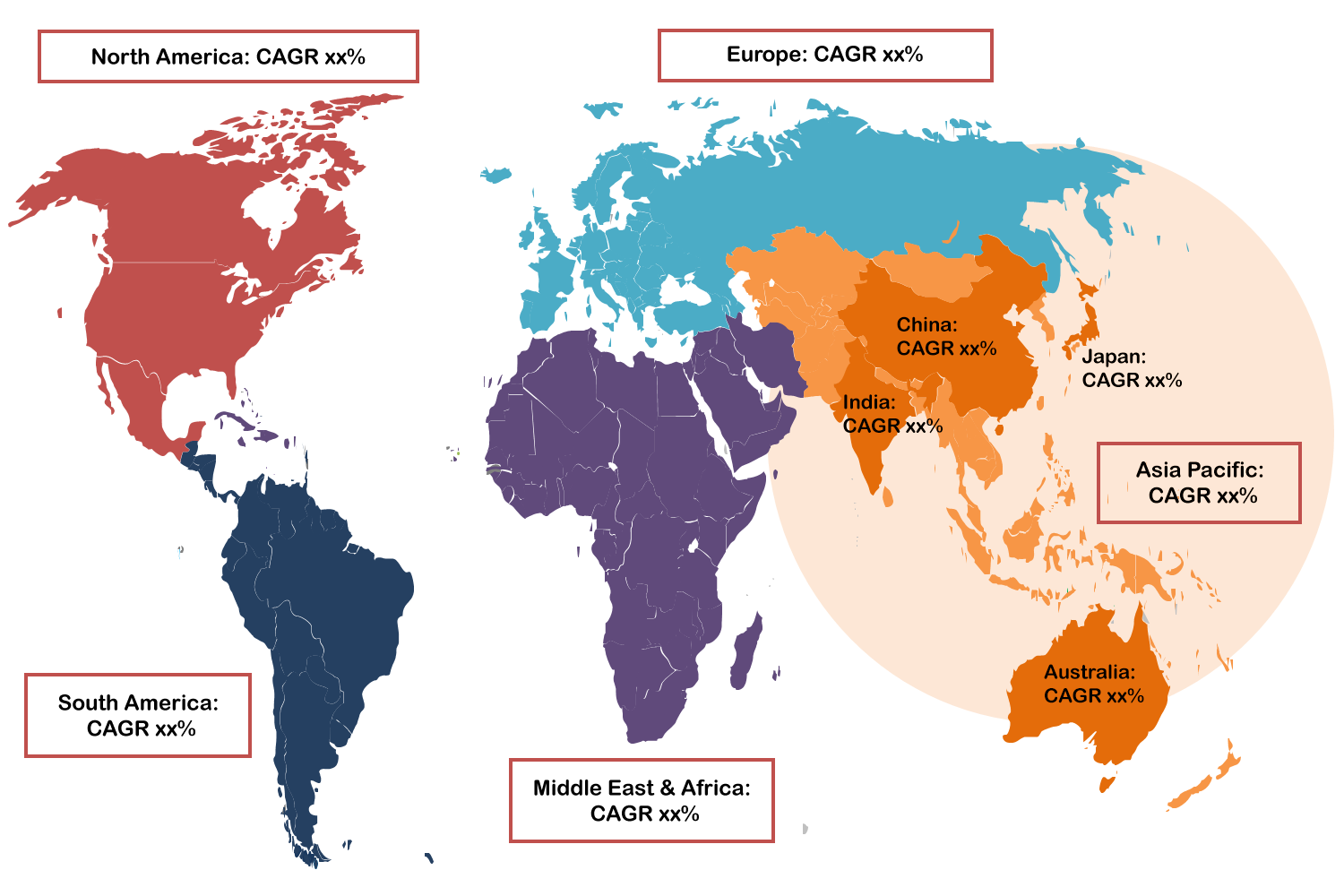
During the forecast period, the North America region is expected to hold the largest market share, supported by well-developed transit networks and widespread digital payment adoption. Public transportation systems in the United States and Canada increasingly deploy contactless cards, mobile ticketing applications, and open-loop payment frameworks to improve user experience. Strong financial infrastructure, extensive smartphone usage, and consumer familiarity with electronic payments enable smooth fare processing. Strategic government funding for smart transportation projects strengthens technological advancement. Additionally, the presence of prominent solution providers and ongoing infrastructure upgrades solidify the region’s leadership in digital fare management solutions.

Region with highest CAGR:
Over the forecast period, the Asia Pacific region is anticipated to exhibit the highest CAGR, driven by accelerating urban development and infrastructure modernization. Emerging economies including China, India, and Japan are rapidly adopting digital payment technologies within expanding transit systems. Rising smartphone usage and strong mobile wallet penetration enhance readiness for app-based ticketing platforms. Supportive government policies promoting cashless transactions and smart mobility ecosystems further stimulate adoption. Increasing commuter volumes and continuous metro rail projects reinforce the region’s position as the fastest-growing market for digital fare solutions.
Key players in the market
Some of the key players in Contactless Fare‑Collection and Digital Ticketing Market include Cubic Transportation Systems, Thales S.A., Scheidt & Bachmann GmbH, Vix Technology Pty Ltd, Masabi Ltd., LG CNS, Omron Corporation, Samsung SDS, NXP Semiconductors, NEC Corporation, Infineon Technologies AG, Indra Sistemas S.A., LECIP HOLDINGS CORPORATION, HID, Gemalto NV, CPI Card Group, FAIRTIQ and Modeshift
Key Developments:
In November 2025, NEC Corporation has concluded a Technology Partner Program Agreement with Siemens Industry Software Inc. (Siemens) to expand global solutions in the field of 3D robot simulations. Through this agreement, the two companies will further consolidate their strengths, accelerate the deployment of solutions internationally, and mutually strengthen their resources to support the continued growth of customers.
In October 2025, Infineon Technologies AG has signed power purchase agreements (PPA) with PNE AG and Statkraft to procure wind and solar electricity for its German facilities. Under a 10-year deal with German renewables developer and wind power producer PNE AG, Infineon will buy electricity from the Schlenzer and Kittlitz III wind farms in Brandenburg, Germany, which have a combined capacity of 24 MW, for its sites in Dresden, Regensburg, Warstein and Neubiberg near Munich.
In February 2025, NXP Semiconductors has acquired AI chip startup Kinara in a $307 million all-cash agreement. NXP said the acquisition would enable it to “enhance and strengthen” its ability to provide scalable AI platforms by combining Kinara’s NPUs and AI software with NXP’s solutions portfolio. Kinara develops programmable neural processing units (NPUs) for Edge AI applications, including multi-modal generative AI models.
Components Covered:
• Hardware
• Software
• Services
Technologies Covered:
• NFC (Near-Field Communication)
• RFID (Radio Frequency Identification)
• QR Code
• Smart Cards
• Mobile Applications
• Other Technologies
Applications Covered:
• Public Transport
• Toll Collection
• Parking
• Events & Venues
End Users Covered:
• Railways
• Metro
• Buses
• Airports
• Smart Cities & Municipal Authorities
Regions Covered:
• North America
o United States
o Canada
o Mexico
• Europe
o United Kingdom
o Germany
o France
o Italy
o Spain
o Netherlands
o Belgium
o Sweden
o Switzerland
o Poland
o Rest of Europe
• Asia Pacific
o China
o Japan
o India
o South Korea
o Australia
o Indonesia
o Thailand
o Malaysia
o Singapore
o Vietnam
o Rest of Asia Pacific
• South America
o Brazil
o Argentina
o Colombia
o Chile
o Peru
o Rest of South America
• Rest of the World (RoW)
o Middle East
§ Saudi Arabia
§ United Arab Emirates
§ Qatar
§ Israel
§ Rest of Middle East
o Africa
§ South Africa
§ Egypt
§ Morocco
§ Rest of Africa
What our report offers:
- Market share assessments for the regional and country-level segments
- Strategic recommendations for the new entrants
- Covers Market data for the years 2023, 2024, 2025, 2026, 2027, 2028, 2030, 2032 and 2034
- Market Trends (Drivers, Constraints, Opportunities, Threats, Challenges, Investment Opportunities, and recommendations)
- Strategic recommendations in key business segments based on the market estimations
- Competitive landscaping mapping the key common trends
- Company profiling with detailed strategies, financials, and recent developments
- Supply chain trends mapping the latest technological advancements
Free Customization Offerings:
All the customers of this report will be entitled to receive one of the following free customization options:
• Company Profiling
o Comprehensive profiling of additional market players (up to 3)
o SWOT Analysis of key players (up to 3)
• Regional Segmentation
o Market estimations, Forecasts and CAGR of any prominent country as per the client's interest (Note: Depends on feasibility check)
• Competitive Benchmarking
o Benchmarking of key players based on product portfolio, geographical presence, and strategic alliances
Table of Contents
1 Executive Summary
1.1 Market Snapshot and Key Highlights
1.2 Growth Drivers, Challenges, and Opportunities
1.3 Competitive Landscape Overview
1.4 Strategic Insights and Recommendations
2 Research Framework
2.1 Study Objectives and Scope
2.2 Stakeholder Analysis
2.3 Research Assumptions and Limitations
2.4 Research Methodology
2.4.1 Data Collection (Primary and Secondary)
2.4.2 Data Modeling and Estimation Techniques
2.4.3 Data Validation and Triangulation
2.4.4 Analytical and Forecasting Approach
3 Market Dynamics and Trend Analysis
3.1 Market Definition and Structure
3.2 Key Market Drivers
3.3 Market Restraints and Challenges
3.4 Growth Opportunities and Investment Hotspots
3.5 Industry Threats and Risk Assessment
3.6 Technology and Innovation Landscape
3.7 Emerging and High-Growth Markets
3.8 Regulatory and Policy Environment
3.9 Impact of COVID-19 and Recovery Outlook
4 Competitive and Strategic Assessment
4.1 Porter's Five Forces Analysis
4.1.1 Supplier Bargaining Power
4.1.2 Buyer Bargaining Power
4.1.3 Threat of Substitutes
4.1.4 Threat of New Entrants
4.1.5 Competitive Rivalry
4.2 Market Share Analysis of Key Players
4.3 Product Benchmarking and Performance Comparison
5 Global Contactless Fare‑Collection and Digital Ticketing Market, By Component
5.1 Hardware
5.2 Software
5.3 Services
6 Global Contactless Fare‑Collection and Digital Ticketing Market, By Technology
6.1 NFC (Near-Field Communication)
6.2 RFID (Radio Frequency Identification)
6.3 QR Code
6.4 Smart Cards
6.5 Mobile Applications
6.6 Other Technologies
7 Global Contactless Fare‑Collection and Digital Ticketing Market, By Application
7.1 Public Transport
7.2 Toll Collection
7.3 Parking
7.4 Events & Venues
8 Global Contactless Fare‑Collection and Digital Ticketing Market, By End User
8.1 Railways
8.2 Metro
8.3 Buses
8.4 Airports
8.5 Smart Cities & Municipal Authorities
9 Global Contactless Fare‑Collection and Digital Ticketing Market, By Geography
9.1 North America
9.1.1 United States
9.1.2 Canada
9.1.3 Mexico
9.2 Europe
9.2.1 United Kingdom
9.2.2 Germany
9.2.3 France
9.2.4 Italy
9.2.5 Spain
9.2.6 Netherlands
9.2.7 Belgium
9.2.8 Sweden
9.2.9 Switzerland
9.2.10 Poland
9.2.11 Rest of Europe
9.3 Asia Pacific
9.3.1 China
9.3.2 Japan
9.3.3 India
9.3.4 South Korea
9.3.5 Australia
9.3.6 Indonesia
9.3.7 Thailand
9.3.8 Malaysia
9.3.9 Singapore
9.3.10 Vietnam
9.3.11 Rest of Asia Pacific
9.4 South America
9.4.1 Brazil
9.4.2 Argentina
9.4.3 Colombia
9.4.4 Chile
9.4.5 Peru
9.4.6 Rest of South America
9.5 Rest of the World (RoW)
9.5.1 Middle East
9.5.1.1 Saudi Arabia
9.5.1.2 United Arab Emirates
9.5.1.3 Qatar
9.5.1.4 Israel
9.5.1.5 Rest of Middle East
9.5.2 Africa
9.5.2.1 South Africa
9.5.2.2 Egypt
9.5.2.3 Morocco
9.5.2.4 Rest of Africa
10 Strategic Market Intelligence
10.1 Industry Value Network and Supply Chain Assessment
10.2 White-Space and Opportunity Mapping
10.3 Product Evolution and Market Life Cycle Analysis
10.4 Channel, Distributor, and Go-to-Market Assessment
11 Industry Developments and Strategic Initiatives
11.1 Mergers and Acquisitions
11.2 Partnerships, Alliances, and Joint Ventures
11.3 New Product Launches and Certifications
11.4 Capacity Expansion and Investments
11.5 Other Strategic Initiatives
12 Company Profiles
12.1 Cubic Transportation Systems
12.2 Thales S.A.
12.3 Scheidt & Bachmann GmbH
12.4 Vix Technology Pty Ltd
12.5 Masabi Ltd.
12.6 LG CNS
12.7 Omron Corporation
12.8 Samsung SDS
12.9 NXP Semiconductors
12.10 NEC Corporation
12.11 Infineon Technologies AG
12.12 Indra Sistemas S.A.
12.13 LECIP HOLDINGS CORPORATION
12.14 HID
12.15 Gemalto NV
12.16 CPI Card Group
12.17 FAIRTIQ
12.18 Modeshift
List of Tables
1 Global Contactless Fare‑Collection and Digital Ticketing Market Outlook, By Region (2023-2034) ($MN)
2 Global Contactless Fare‑Collection and Digital Ticketing Market Outlook, By Component (2023-2034) ($MN)
3 Global Contactless Fare‑Collection and Digital Ticketing Market Outlook, By Hardware (2023-2034) ($MN)
4 Global Contactless Fare‑Collection and Digital Ticketing Market Outlook, By Software (2023-2034) ($MN)
5 Global Contactless Fare‑Collection and Digital Ticketing Market Outlook, By Services (2023-2034) ($MN)
6 Global Contactless Fare‑Collection and Digital Ticketing Market Outlook, By Technology (2023-2034) ($MN)
7 Global Contactless Fare‑Collection and Digital Ticketing Market Outlook, By NFC (Near-Field Communication) (2023-2034) ($MN)
8 Global Contactless Fare‑Collection and Digital Ticketing Market Outlook, By RFID (Radio Frequency Identification) (2023-2034) ($MN)
9 Global Contactless Fare‑Collection and Digital Ticketing Market Outlook, By QR Code (2023-2034) ($MN)
10 Global Contactless Fare‑Collection and Digital Ticketing Market Outlook, By Smart Cards (2023-2034) ($MN)
11 Global Contactless Fare‑Collection and Digital Ticketing Market Outlook, By Mobile Applications (2023-2034) ($MN)
12 Global Contactless Fare‑Collection and Digital Ticketing Market Outlook, By Other Technologies (2023-2034) ($MN)
13 Global Contactless Fare‑Collection and Digital Ticketing Market Outlook, By Application (2023-2034) ($MN)
14 Global Contactless Fare‑Collection and Digital Ticketing Market Outlook, By Public Transport (2023-2034) ($MN)
15 Global Contactless Fare‑Collection and Digital Ticketing Market Outlook, By Toll Collection (2023-2034) ($MN)
16 Global Contactless Fare‑Collection and Digital Ticketing Market Outlook, By Parking (2023-2034) ($MN)
17 Global Contactless Fare‑Collection and Digital Ticketing Market Outlook, By Events & Venues (2023-2034) ($MN)
18 Global Contactless Fare‑Collection and Digital Ticketing Market Outlook, By End User (2023-2034) ($MN)
19 Global Contactless Fare‑Collection and Digital Ticketing Market Outlook, By Railways (2023-2034) ($MN)
20 Global Contactless Fare‑Collection and Digital Ticketing Market Outlook, By Metro (2023-2034) ($MN)
21 Global Contactless Fare‑Collection and Digital Ticketing Market Outlook, By Buses (2023-2034) ($MN)
22 Global Contactless Fare‑Collection and Digital Ticketing Market Outlook, By Airports (2023-2034) ($MN)
23 Global Contactless Fare‑Collection and Digital Ticketing Market Outlook, By Smart Cities & Municipal Authorities (2023-2034) ($MN)
Note: Tables for North America, Europe, APAC, South America, and Rest of the World (RoW) Regions are also represented in the same manner as above.
List of Figures
RESEARCH METHODOLOGY

We at ‘Stratistics’ opt for an extensive research approach which involves data mining, data validation, and data analysis. The various research sources include in-house repository, secondary research, competitor’s sources, social media research, client internal data, and primary research.
Our team of analysts prefers the most reliable and authenticated data sources in order to perform the comprehensive literature search. With access to most of the authenticated data bases our team highly considers the best mix of information through various sources to obtain extensive and accurate analysis.
Each report takes an average time of a month and a team of 4 industry analysts. The time may vary depending on the scope and data availability of the desired market report. The various parameters used in the market assessment are standardized in order to enhance the data accuracy.
Data Mining
The data is collected from several authenticated, reliable, paid and unpaid sources and is filtered depending on the scope & objective of the research. Our reports repository acts as an added advantage in this procedure. Data gathering from the raw material suppliers, distributors and the manufacturers is performed on a regular basis, this helps in the comprehensive understanding of the products value chain. Apart from the above mentioned sources the data is also collected from the industry consultants to ensure the objective of the study is in the right direction.
Market trends such as technological advancements, regulatory affairs, market dynamics (Drivers, Restraints, Opportunities and Challenges) are obtained from scientific journals, market related national & international associations and organizations.
Data Analysis
From the data that is collected depending on the scope & objective of the research the data is subjected for the analysis. The critical steps that we follow for the data analysis include:
- Product Lifecycle Analysis
- Competitor analysis
- Risk analysis
- Porters Analysis
- PESTEL Analysis
- SWOT Analysis
The data engineering is performed by the core industry experts considering both the Marketing Mix Modeling and the Demand Forecasting. The marketing mix modeling makes use of multiple-regression techniques to predict the optimal mix of marketing variables. Regression factor is based on a number of variables and how they relate to an outcome such as sales or profits.
Data Validation
The data validation is performed by the exhaustive primary research from the expert interviews. This includes telephonic interviews, focus groups, face to face interviews, and questionnaires to validate our research from all aspects. The industry experts we approach come from the leading firms, involved in the supply chain ranging from the suppliers, distributors to the manufacturers and consumers so as to ensure an unbiased analysis.
We are in touch with more than 15,000 industry experts with the right mix of consultants, CEO's, presidents, vice presidents, managers, experts from both supply side and demand side, executives and so on.
The data validation involves the primary research from the industry experts belonging to:
- Leading Companies
- Suppliers & Distributors
- Manufacturers
- Consumers
- Industry/Strategic Consultants
Apart from the data validation the primary research also helps in performing the fill gap research, i.e. providing solutions for the unmet needs of the research which helps in enhancing the reports quality.
For more details about research methodology, kindly write to us at info@strategymrc.com
Frequently Asked Questions
In case of any queries regarding this report, you can contact the customer service by filing the “Inquiry Before Buy” form available on the right hand side. You may also contact us through email: info@strategymrc.com or phone: +1-301-202-5929
Yes, the samples are available for all the published reports. You can request them by filling the “Request Sample” option available in this page.
Yes, you can request a sample with your specific requirements. All the customized samples will be provided as per the requirement with the real data masked.
All our reports are available in Digital PDF format. In case if you require them in any other formats, such as PPT, Excel etc you can submit a request through “Inquiry Before Buy” form available on the right hand side. You may also contact us through email: info@strategymrc.com or phone: +1-301-202-5929
We offer a free 15% customization with every purchase. This requirement can be fulfilled for both pre and post sale. You may send your customization requirements through email at info@strategymrc.com or call us on +1-301-202-5929.
We have 3 different licensing options available in electronic format.
- Single User Licence: Allows one person, typically the buyer, to have access to the ordered product. The ordered product cannot be distributed to anyone else.
- 2-5 User Licence: Allows the ordered product to be shared among a maximum of 5 people within your organisation.
- Corporate License: Allows the product to be shared among all employees of your organisation regardless of their geographical location.
All our reports are typically be emailed to you as an attachment.
To order any available report you need to register on our website. The payment can be made either through CCAvenue or PayPal payments gateways which accept all international cards.
We extend our support to 6 months post sale. A post sale customization is also provided to cover your unmet needs in the report.
Request Customization
We offer complimentary customization of up to 15% with every purchase. To share your customization requirements, feel free to email us at info@strategymrc.com or call us on +1-301-202-5929. .
Please Note: Customization within the 15% threshold is entirely free of charge. If your request exceeds this limit, we will conduct a feasibility assessment. Following that, a detailed quote and timeline will be provided.
WHY CHOOSE US ?

Assured Quality
Best in class reports with high standard of research integrity

24X7 Research Support
Continuous support to ensure the best customer experience.

Free Customization
Adding more values to your product of interest.

Safe & Secure Access
Providing a secured environment for all online transactions.

Trusted by 600+ Brands
Serving the most reputed brands across the world.
