
Digital Agtech Market
Digital AgTech Market Forecasts to 2032 – Global Analysis By Component (Hardware, Software, Services and Other Components), Farm, Deployment Model, Technology, Application, End User and By Geography

According to Stratistics MRC, the Global Digital AgTech Market is accounted for $7.79 billion in 2025 and is expected to reach $15.57 billion by 2032 growing at a CAGR of 10.4% during the forecast period. Digital AgTech is the integration of advanced digital technologies such as AI, IoT, blockchain, and data analytics across the agricultural value chain to enhance productivity, sustainability, and decision-making. It encompasses precision farming tools, automated equipment, geospatial mapping, and smart sensors that monitor soil, weather, and crop health. Beyond the farm, it supports traceability, supply chain transparency, and agri-commerce platforms. Digital AgTech enables data-driven agriculture, optimizing resource use while improving profitability and resilience in modern farming systems
According to AgriEngineering (MDPI, 2025), digital literacy and technology adoption in agriculture are accelerating globally, with over 65% of reviewed studies reporting measurable improvements in productivity and resource efficiency following the implementation of Digital AgTech tools such as AI, IoT, and satellite-based monitoring systems.
Market Dynamics:
Driver:
Rapidly growing global population and changing dietary habits
The escalating global population is placing unprecedented pressure on agricultural systems to produce more food with fewer resources. Simultaneously, evolving consumer preferences such as the shift toward organic produce, plant-based diets, and traceable food sources are accelerating the adoption of digital agriculture technologies. Precision farming, AI-driven crop modeling, and smart irrigation systems are being deployed to optimize yield and reduce waste. As food security becomes a strategic priority, digital AgTech is emerging as a cornerstone of sustainable agricultural transformation.
Restraint:
Lack of digital literacy and technical knowledge
The complexity of integrating IoT devices, data analytics platforms, and AI-based decision systems can deter adoption among smallholder farmers. Moreover, language barriers and lack of localized support further hinder effective implementation especially in developing regions face barriers due to limited exposure to digital tools and insufficient training. Without targeted education programs and user-friendly interfaces, the full potential of AgTech innovations may remain untapped, slowing market penetration and scalability.
Opportunity:
Development of specialized solutions
Companies are investing in region-specific platforms that account for soil conditions, climate variability, and local farming practices. Innovations such as AI-powered pest prediction, blockchain-based supply chain traceability, and drone-assisted crop monitoring are being customized to meet niche requirements. This specialization not only enhances operational efficiency but also opens new revenue streams for technology providers. As regulatory frameworks evolve to support digital agriculture, the market is poised for robust expansion through targeted innovation.
Threat:
Vendor lock-in and lack of interoperability
Farmers often find themselves locked into specific software or hardware solutions that are incompatible with other tools, limiting flexibility and increasing long-term costs. This lack of interoperability stifles collaboration across the agricultural value chain and impedes data sharing. Without standardized protocols and open APIs, the risk of technological silos grows, undermining the scalability and resilience of digital farming systems.
Covid-19 Impact:
The COVID-19 pandemic acted as both a disruptor and a catalyst for the Digital AgTech market. On one hand, supply chain interruptions and labor shortages exposed vulnerabilities in traditional farming operations. On the other, the crisis accelerated the adoption of remote monitoring tools, autonomous machinery, and digital farm management platforms. Farmers increasingly relied on satellite imagery, predictive analytics, and mobile apps to maintain productivity amid restrictions.
The software segment is expected to be the largest during the forecast period
The software segment is expected to account for the largest market share during the forecast period due to its central role in data aggregation, analytics, and decision support. Farm management systems, predictive modeling platforms, and cloud-based dashboards are becoming indispensable for modern agriculture. These tools enable real-time monitoring of crop health, resource usage, and market trends, empowering farmers to make informed decisions. The scalability and adaptability of software solutions make them attractive across diverse farming contexts, from large-scale agribusinesses to smallholder operations.
The precision farming segment is expected to have the highest CAGR during the forecast period
Over the forecast period, the precision farming segment is predicted to witness the highest growth rate driven by its ability to enhance productivity while minimizing environmental impact. Technologies such as GPS-guided tractors, variable rate application systems, and multispectral imaging are revolutionizing field-level management. By enabling site-specific interventions, precision agriculture reduces input costs and improves yield quality. The segment is also benefiting from increased investment in AI and machine learning, which are being used to refine crop models and optimize planting schedules.
Region with largest share:
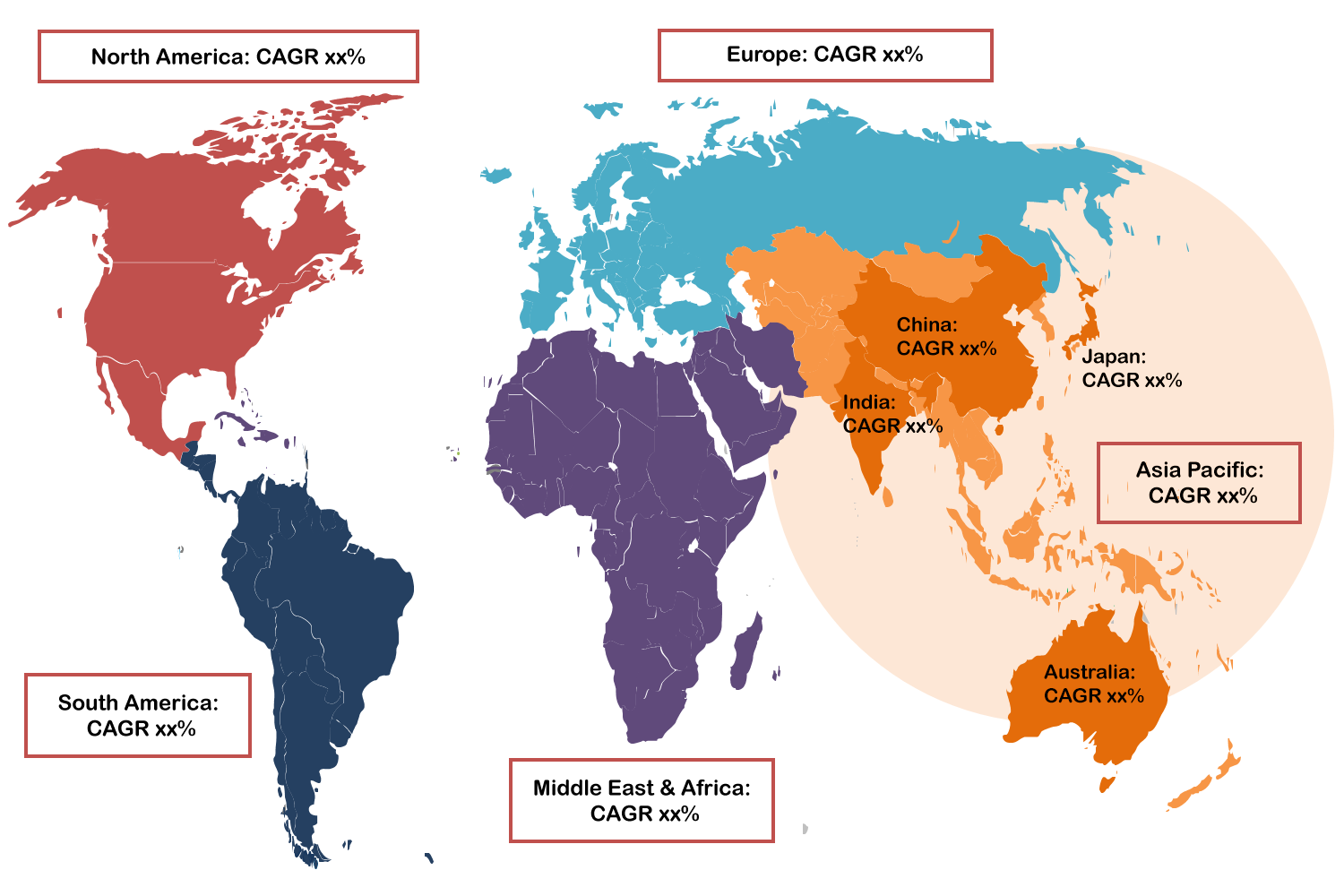
During the forecast period, the Asia Pacific region is expected to hold the largest market sharefueled by its vast agricultural base and rising demand for food security. Countries like China, India, and Indonesia are investing heavily in smart farming initiatives, supported by government subsidies and public-private partnerships. The region’s large population and diverse agro-climatic zones create a fertile ground for digital solutions tailored to local needs. Additionally, the proliferation of mobile connectivity and affordable sensors is accelerating adoption among small and medium-scale farmers.
Region with highest CAGR:
Over the forecast period, the Asia Pacific region is anticipated to exhibit the highest CAGR attributed to rapid technological adoption and expanding agritech startups. Innovations in drone-based surveillance, AI-driven crop diagnostics, and blockchain-enabled supply chains are gaining traction across Asia Pacific. Educational initiatives and digital literacy programs are helping bridge the knowledge gap, while favorable policy environments are encouraging foreign investment will further propel the growth of digital technologies.
Key players in the market
Some of the key players in Digital AgTech Market include Trimble Inc., Taranis, Stellapps, Solinftec, Ninjacart, Monarch Tractor, John Deere, Indigo Ag, Fasal, FarmLogs, FarmERP, Ecorobotix SA, DeHaat, Cropin, Cargill, Carbon Robotics, Bayer AG, Agworld, AgroStar and Aerobotics.
Key Developments:
In May 2025, Trimble introduced “Trimble Materials,” a solution in its Construction One suite that spans purchasing, inventory, and accounts payable—intended to help contractors gain control of material costs. It connects field, office, warehouse teams and suppliers for centralized tracking of material orders, inventory, and invoices.
In January 2025, Deere unveiled several machines including an autonomous 9RX tractor, a 5ML orchard sprayer, an articulated dump truck, and an electric mower using its second-generation autonomy kit with more sensors, AI, vision, etc. These models span agriculture, construction, and landscaping, aiming to address labor shortages and increase efficiency via automation.
Components Covered:
• Hardware
• Software
• Services
• Other Components
Farms Covered:
• Large Farms
• Small & Medium-Sized Farms
Deployment Models Covered:
• Cloud-based Solutions
• On-Premises
• Hybrid Models
Technologies Covered:
• Precision Farming
• IoT (Internet of Things)
• Artificial Intelligence (AI) & Machine Learning (ML)
• Big Data Analytics
• Blockchain for Agriculture
• Other Technologies
Applications Covered:
• Precision Farming & Farm Management
• Livestock Monitoring
• Supply Chain Management
• Financial Management
• Other Applications
End Users Covered:
• Row crops
• Horticulture
• Specialty Crops
• Protected Agriculture
• Pasture
• Other End Users
Regions Covered:
• North America
o US
o Canada
o Mexico
• Europe
o Germany
o UK
o Italy
o France
o Spain
o Rest of Europe
• Asia Pacific
o Japan
o China
o India
o Australia
o New Zealand
o South Korea
o Rest of Asia Pacific
• South America
o Argentina
o Brazil
o Chile
o Rest of South America
• Middle East & Africa
o Saudi Arabia
o UAE
o Qatar
o South Africa
o Rest of Middle East & Africa
What our report offers:
- Market share assessments for the regional and country-level segments
- Strategic recommendations for the new entrants
- Covers Market data for the years 2024, 2025, 2026, 2028, and 2032
- Market Trends (Drivers, Constraints, Opportunities, Threats, Challenges, Investment Opportunities, and recommendations)
- Strategic recommendations in key business segments based on the market estimations
- Competitive landscaping mapping the key common trends
- Company profiling with detailed strategies, financials, and recent developments
- Supply chain trends mapping the latest technological advancements
Free Customization Offerings:
All the customers of this report will be entitled to receive one of the following free customization options:
• Company Profiling
o Comprehensive profiling of additional market players (up to 3)
o SWOT Analysis of key players (up to 3)
• Regional Segmentation
o Market estimations, Forecasts and CAGR of any prominent country as per the client's interest (Note: Depends on feasibility check)
• Competitive Benchmarking
o Benchmarking of key players based on product portfolio, geographical presence, and strategic alliances
Table of Contents
1 Executive Summary
2 Preface
2.1 Abstract
2.2 Stake Holders
2.3 Research Scope
2.4 Research Methodology
2.4.1 Data Mining
2.4.2 Data Analysis
2.4.3 Data Validation
2.4.4 Research Approach
2.5 Research Sources
2.5.1 Primary Research Sources
2.5.2 Secondary Research Sources
2.5.3 Assumptions
3 Market Trend Analysis
3.1 Introduction
3.2 Drivers
3.3 Restraints
3.4 Opportunities
3.5 Threats
3.6 Technology Analysis
3.7 Application Analysis
3.8 End User Analysis
3.9 Emerging Markets
3.10 Impact of Covid-19
4 Porters Five Force Analysis
4.1 Bargaining power of suppliers
4.2 Bargaining power of buyers
4.3 Threat of substitutes
4.4 Threat of new entrants
4.5 Competitive rivalry
5 Global Digital AgTech Market, By Component
5.1 Introduction
5.2 Hardware
5.2.1 Sensors
5.2.2 GPS/GNSS Devices
5.2.3 Drones
5.2.4 Automation & Control Systems
5.2.5 Guidance & Steering Systems
5.2.6 Handheld Devices & Displays
5.3 Software
5.3.1 Farm Management Software (FMS)
5.3.2 Data Analytics & AI Platforms
5.3.3 Supply Chain Management Software
5.3.4 Financial Management Software
5.3.5 On-Cloud vs. On-Premise Deployment
5.4 Services
5.4.1 System Integration & Consulting
5.4.2 Data Collection & Analytical Services
5.4.3 Maintenance & Support Services
5.4.4 Connectivity Services
5.4.5 Advisory Services
5.5 Other Components
6 Global Digital AgTech Market, By Farm
6.1 Introduction
6.2 Large Farms
6.3 Small & Medium-Sized Farms
7 Global Digital AgTech Market, By Deployment Model
7.1 Introduction
7.2 Cloud-based Solutions
7.3 On-Premises
7.4 Hybrid Models
8 Global Digital AgTech Market, By Technology
8.1 Introduction
8.2 Precision Farming
8.3 IoT (Internet of Things)
8.4 Artificial Intelligence (AI) & Machine Learning (ML)
8.5 Big Data Analytics
8.6 Blockchain for Agriculture
8.7 Other Technologies
9 Global Digital AgTech Market, By Application
9.1 Introduction
9.2 Precision Farming & Farm Management
9.3 Livestock Monitoring
9.4 Supply Chain Management
9.5 Financial Management
9.6 Other Applications
10 Global Digital AgTech Market, By End User
10.1 Introduction
10.2 Row crops
10.3 Horticulture
10.4 Specialty Crops
10.5 Protected Agriculture
10.6 Pasture
10.7 Other End Users
11 Global Digital AgTech Market, By Geography
11.1 Introduction
11.2 North America
11.2.1 US
11.2.2 Canada
11.2.3 Mexico
11.3 Europe
11.3.1 Germany
11.3.2 UK
11.3.3 Italy
11.3.4 France
11.3.5 Spain
11.3.6 Rest of Europe
11.4 Asia Pacific
11.4.1 Japan
11.4.2 China
11.4.3 India
11.4.4 Australia
11.4.5 New Zealand
11.4.6 South Korea
11.4.7 Rest of Asia Pacific
11.5 South America
11.5.1 Argentina
11.5.2 Brazil
11.5.3 Chile
11.5.4 Rest of South America
11.6 Middle East & Africa
11.6.1 Saudi Arabia
11.6.2 UAE
11.6.3 Qatar
11.6.4 South Africa
11.6.5 Rest of Middle East & Africa
12 Key Developments
12.1 Agreements, Partnerships, Collaborations and Joint Ventures
12.2 Acquisitions & Mergers
12.3 New Product Launch
12.4 Expansions
12.5 Other Key Strategies
13 Company Profiling
13.1 Trimble Inc.
13.2 Taranis
13.3 Stellapps
13.4 Solinftec
13.5 Ninjacart
13.6 Monarch Tractor
13.7 John Deere
13.8 Indigo Ag
13.9 Fasal
13.10 FarmLogs
13.11 FarmERP
13.12 Ecorobotix SA
13.13 DeHaat
13.14 Cropin
13.15 Cargill
13.16 Carbon Robotics
13.17 Bayer AG
13.18 Agworld
13.19 AgroStar
13.20 Aerobotics
List of Tables
1 Global Digital AgTech Market Outlook, By Region (2024-2032) ($MN)
2 Global Digital AgTech Market Outlook, By Component (2024-2032) ($MN)
3 Global Digital AgTech Market Outlook, By Hardware (2024-2032) ($MN)
4 Global Digital AgTech Market Outlook, By Sensors (2024-2032) ($MN)
5 Global Digital AgTech Market Outlook, By GPS/GNSS Devices (2024-2032) ($MN)
6 Global Digital AgTech Market Outlook, By Drones (2024-2032) ($MN)
7 Global Digital AgTech Market Outlook, By Automation & Control Systems (2024-2032) ($MN)
8 Global Digital AgTech Market Outlook, By Guidance & Steering Systems (2024-2032) ($MN)
9 Global Digital AgTech Market Outlook, By Handheld Devices & Displays (2024-2032) ($MN)
10 Global Digital AgTech Market Outlook, By Software (2024-2032) ($MN)
11 Global Digital AgTech Market Outlook, By Farm Management Software (FMS) (2024-2032) ($MN)
12 Global Digital AgTech Market Outlook, By Data Analytics & AI Platforms (2024-2032) ($MN)
13 Global Digital AgTech Market Outlook, By Supply Chain Management Software (2024-2032) ($MN)
14 Global Digital AgTech Market Outlook, By Financial Management Software (2024-2032) ($MN)
15 Global Digital AgTech Market Outlook, By On-Cloud vs. On-Premise Deployment (2024-2032) ($MN)
16 Global Digital AgTech Market Outlook, By Services (2024-2032) ($MN)
17 Global Digital AgTech Market Outlook, By System Integration & Consulting (2024-2032) ($MN)
18 Global Digital AgTech Market Outlook, By Data Collection & Analytical Services (2024-2032) ($MN)
19 Global Digital AgTech Market Outlook, By Maintenance & Support Services (2024-2032) ($MN)
20 Global Digital AgTech Market Outlook, By Connectivity Services (2024-2032) ($MN)
21 Global Digital AgTech Market Outlook, By Advisory Services (2024-2032) ($MN)
22 Global Digital AgTech Market Outlook, By Other Components (2024-2032) ($MN)
23 Global Digital AgTech Market Outlook, By Farm (2024-2032) ($MN)
24 Global Digital AgTech Market Outlook, By Large Farms (2024-2032) ($MN)
25 Global Digital AgTech Market Outlook, By Small & Medium-Sized Farms (2024-2032) ($MN)
26 Global Digital AgTech Market Outlook, By Deployment Model (2024-2032) ($MN)
27 Global Digital AgTech Market Outlook, By Cloud-based Solutions (2024-2032) ($MN)
28 Global Digital AgTech Market Outlook, By On-Premises (2024-2032) ($MN)
29 Global Digital AgTech Market Outlook, By Hybrid Models (2024-2032) ($MN)
30 Global Digital AgTech Market Outlook, By Technology (2024-2032) ($MN)
31 Global Digital AgTech Market Outlook, By Precision Farming (2024-2032) ($MN)
32 Global Digital AgTech Market Outlook, By IoT (Internet of Things) (2024-2032) ($MN)
33 Global Digital AgTech Market Outlook, By Artificial Intelligence (AI) & Machine Learning (ML) (2024-2032) ($MN)
34 Global Digital AgTech Market Outlook, By Big Data Analytics (2024-2032) ($MN)
35 Global Digital AgTech Market Outlook, By Blockchain for Agriculture (2024-2032) ($MN)
36 Global Digital AgTech Market Outlook, By Other Technologies (2024-2032) ($MN)
37 Global Digital AgTech Market Outlook, By Application (2024-2032) ($MN)
38 Global Digital AgTech Market Outlook, By Precision Farming & Farm Management (2024-2032) ($MN)
39 Global Digital AgTech Market Outlook, By Livestock Monitoring (2024-2032) ($MN)
40 Global Digital AgTech Market Outlook, By Supply Chain Management (2024-2032) ($MN)
41 Global Digital AgTech Market Outlook, By Financial Management (2024-2032) ($MN)
42 Global Digital AgTech Market Outlook, By Other Applications (2024-2032) ($MN)
43 Global Digital AgTech Market Outlook, By End User (2024-2032) ($MN)
44 Global Digital AgTech Market Outlook, By Row crops (2024-2032) ($MN)
45 Global Digital AgTech Market Outlook, By Horticulture (2024-2032) ($MN)
46 Global Digital AgTech Market Outlook, By Specialty Crops (2024-2032) ($MN)
47 Global Digital AgTech Market Outlook, By Protected Agriculture (2024-2032) ($MN)
48 Global Digital AgTech Market Outlook, By Pasture (2024-2032) ($MN)
49 Global Digital AgTech Market Outlook, By Other End Users (2024-2032) ($MN)
Note: Tables for North America, Europe, APAC, South America, and Middle East & Africa Regions are also represented in the same manner as above.
List of Figures
RESEARCH METHODOLOGY

We at ‘Stratistics’ opt for an extensive research approach which involves data mining, data validation, and data analysis. The various research sources include in-house repository, secondary research, competitor’s sources, social media research, client internal data, and primary research.
Our team of analysts prefers the most reliable and authenticated data sources in order to perform the comprehensive literature search. With access to most of the authenticated data bases our team highly considers the best mix of information through various sources to obtain extensive and accurate analysis.
Each report takes an average time of a month and a team of 4 industry analysts. The time may vary depending on the scope and data availability of the desired market report. The various parameters used in the market assessment are standardized in order to enhance the data accuracy.
Data Mining
The data is collected from several authenticated, reliable, paid and unpaid sources and is filtered depending on the scope & objective of the research. Our reports repository acts as an added advantage in this procedure. Data gathering from the raw material suppliers, distributors and the manufacturers is performed on a regular basis, this helps in the comprehensive understanding of the products value chain. Apart from the above mentioned sources the data is also collected from the industry consultants to ensure the objective of the study is in the right direction.
Market trends such as technological advancements, regulatory affairs, market dynamics (Drivers, Restraints, Opportunities and Challenges) are obtained from scientific journals, market related national & international associations and organizations.
Data Analysis
From the data that is collected depending on the scope & objective of the research the data is subjected for the analysis. The critical steps that we follow for the data analysis include:
- Product Lifecycle Analysis
- Competitor analysis
- Risk analysis
- Porters Analysis
- PESTEL Analysis
- SWOT Analysis
The data engineering is performed by the core industry experts considering both the Marketing Mix Modeling and the Demand Forecasting. The marketing mix modeling makes use of multiple-regression techniques to predict the optimal mix of marketing variables. Regression factor is based on a number of variables and how they relate to an outcome such as sales or profits.
Data Validation
The data validation is performed by the exhaustive primary research from the expert interviews. This includes telephonic interviews, focus groups, face to face interviews, and questionnaires to validate our research from all aspects. The industry experts we approach come from the leading firms, involved in the supply chain ranging from the suppliers, distributors to the manufacturers and consumers so as to ensure an unbiased analysis.
We are in touch with more than 15,000 industry experts with the right mix of consultants, CEO's, presidents, vice presidents, managers, experts from both supply side and demand side, executives and so on.
The data validation involves the primary research from the industry experts belonging to:
- Leading Companies
- Suppliers & Distributors
- Manufacturers
- Consumers
- Industry/Strategic Consultants
Apart from the data validation the primary research also helps in performing the fill gap research, i.e. providing solutions for the unmet needs of the research which helps in enhancing the reports quality.
For more details about research methodology, kindly write to us at info@strategymrc.com
Frequently Asked Questions
In case of any queries regarding this report, you can contact the customer service by filing the “Inquiry Before Buy” form available on the right hand side. You may also contact us through email: info@strategymrc.com or phone: +1-301-202-5929
Yes, the samples are available for all the published reports. You can request them by filling the “Request Sample” option available in this page.
Yes, you can request a sample with your specific requirements. All the customized samples will be provided as per the requirement with the real data masked.
All our reports are available in Digital PDF format. In case if you require them in any other formats, such as PPT, Excel etc you can submit a request through “Inquiry Before Buy” form available on the right hand side. You may also contact us through email: info@strategymrc.com or phone: +1-301-202-5929
We offer a free 15% customization with every purchase. This requirement can be fulfilled for both pre and post sale. You may send your customization requirements through email at info@strategymrc.com or call us on +1-301-202-5929.
We have 3 different licensing options available in electronic format.
- Single User Licence: Allows one person, typically the buyer, to have access to the ordered product. The ordered product cannot be distributed to anyone else.
- 2-5 User Licence: Allows the ordered product to be shared among a maximum of 5 people within your organisation.
- Corporate License: Allows the product to be shared among all employees of your organisation regardless of their geographical location.
All our reports are typically be emailed to you as an attachment.
To order any available report you need to register on our website. The payment can be made either through CCAvenue or PayPal payments gateways which accept all international cards.
We extend our support to 6 months post sale. A post sale customization is also provided to cover your unmet needs in the report.
Request Customization
We offer complimentary customization of up to 15% with every purchase. To share your customization requirements, feel free to email us at info@strategymrc.com or call us on +1-301-202-5929. .
Please Note: Customization within the 15% threshold is entirely free of charge. If your request exceeds this limit, we will conduct a feasibility assessment. Following that, a detailed quote and timeline will be provided.
WHY CHOOSE US ?

Assured Quality
Best in class reports with high standard of research integrity

24X7 Research Support
Continuous support to ensure the best customer experience.

Free Customization
Adding more values to your product of interest.

Safe & Secure Access
Providing a secured environment for all online transactions.

Trusted by 600+ Brands
Serving the most reputed brands across the world.
