
Eco Friendly Furniture Market
Eco-Friendly Furniture Market Forecasts to 2032 – Global Analysis By Product Type (Beds, Sofas & Couches, Chairs & Stools, Tables & Desks, Cabinets & Shelves, Indoor Furniture and Outdoor Furniture), Material, Distribution Channel, Application and By Geography

According to Stratistics MRC, the Global Eco-Friendly Furniture Market is accounted for $58.52 billion in 2025 and is expected to reach $118.48 billion by 2032 growing at a CAGR of 10.6% during the forecast period. Furniture that is made and designed with a minimal impact on the environment, with a focus on sustainability, non-toxic materials, and ethical production methods, is referred to as eco-friendly furniture. Biodegradable textiles, bamboo, recycled metal, reclaimed wood, and other renewable or recycled materials are frequently used to make these products. The production procedures place a high priority on water conservation, lower carbon emissions, and ethical sourcing, which is frequently validated by organizations like GREENGUARD or the Forest Stewardship Council.
According to the American Home Furnishings Alliance (AHFA), nearly 90% of U.S. furniture manufacturers have implemented some form of sustainable practices, including the use of certified wood, recycled content, and low-emission finishes, reflecting growing industry-wide commitment to eco-conscious production.
Market Dynamics:
Driver:
Growing concern for the environment and conscientious consumption
Global awareness of environmental problems like landfill overflow, deforestation, and climate change has had a big impact on consumer buying habits. These days, eco-aware buyers look for furniture that embodies their principles, such as longevity, ethical sourcing, and little environmental impact. Consumers are more likely to purchase from companies that value sustainable raw materials, such as textiles sourced ethically, recycled metals, and reclaimed wood. Ideas like ""slow furniture"" and minimalist living are promoting fewer, multipurpose, and longer-lasting purchases. Additionally, the demand for eco-friendly furniture is being driven by a deep-seated shift toward environmentally conscious consumption, which goes beyond a simple lifestyle trend.
Restraint:
Expensive production and sustainable raw material costs
The high cost of sustainable production is one of the main issues facing the market for eco-friendly furniture. Compared to conventional alternatives sourcing certified raw materials such as organic cotton, FSC-certified wood, or biodegradable upholstery can be substantially more costly. Furthermore, using water-based finishes, eco-safe treatments, and low-VOC adhesives frequently calls for specialized tools or longer production schedules, which raises manufacturing costs. Higher retail prices result from this, which may put off budget-conscious buyers, particularly in developing nations where affordability frequently takes precedence over environmental concerns. Small and mid-sized manufacturers might find it difficult to cover these increased expenses, which would limit their ability to compete in the larger market.
Opportunity:
Growing urbanization and development of smart cities
The eco-friendly furniture industry has a lot of potential due to the fast rate of urbanization, particularly in emerging economies. As cities grow and make investments in sustainable infrastructure as part of their smart city missions, demand for modular homes, green-certified buildings, and intelligent, eco-friendly interior design is rising. For public housing, schools, hospitals, and government buildings, governments are promoting environmentally friendly procurement practices. Urban buyers are also growing more ecologically conscious and design-savvy, preferring multipurpose, compact furniture that supports sustainability objectives. Businesses that provide sleek, contemporary, and small green furniture that meets urban demands are thriving as a result of this trend toward environmentally conscious urban living.
Threat:
Competition in prices from traditional furniture manufacturers
One of the biggest dangers to eco-friendly furniture companies is the fierce price competition from traditional furniture makers, especially those that produce in large quantities with cheap labor and materials. Cost-conscious customers may find cheaper alternatives offered by traditional furniture manufacturers, particularly those based in nations like China, Vietnam, and portions of Eastern Europe. Eco-friendly furniture is easily undercut, even though it is frequently more expensive due to higher raw material and certification costs. Furthermore, green brands find it challenging to compete in markets where affordability is the main deciding factor or to acquire mass market share as a result of the perception that sustainability is a luxury.
Covid-19 Impact:
The COVID-19 pandemic affected the market for eco-friendly furniture in a variety of ways. First, production and delivery were hindered by global supply chain disruptions, factory closures, and delays in sourcing sustainable raw materials, which slowed market momentum. But as lockdowns caused consumers to prioritize wellness and home renovation, there was a sharp increase in demand for eco-friendly, non-toxic, and ergonomic furniture, particularly online. Growing health and indoor air quality concerns have influenced consumers' preference for natural, chemical-free furniture. Additionally, as more people work remotely, the pandemic increased demand for environmentally friendly home office supplies. COVID-19 had a long-term positive impact on market growth by acting as a catalyst for sustainable interior design and conscientious consumption.
The indoor furniture segment is expected to be the largest during the forecast period
The indoor furniture segment is expected to account for the largest market share during the forecast period. The growing need for environmentally friendly furniture options in indoor areas such as living rooms, bedrooms, offices, and hospitality spaces is what is causing this dominance in residential, commercial, and institutional settings. Customers are prioritizing indoor furniture made of non-toxic finishes, wood from sustainable sources, recycled materials, and low-emission adhesives in order to improve indoor air quality and lessen its impact on the environment as they move toward eco-conscious living. Furthermore, eco-friendly indoor furniture, including beds, couches, chairs, and storage units, is in high demand due to the increase in remote work and home remodeling.
The online retail segment is expected to have the highest CAGR during the forecast period
Over the forecast period, the online retail segment is predicted to witness the highest growth rate. Rising digital literacy, growing internet and smartphone penetration, and changing consumer preferences toward the ease of e-commerce are the main drivers of this impressive growth. Before making environmentally conscious decisions, consumers can quickly compare sustainable furniture options, read thorough product descriptions that include environmental certifications, and read user reviews owing to online platforms. Moreover, a direct-to-consumer (D2C) online business model has been embraced by numerous eco-friendly furniture brands, reducing intermediaries and guaranteeing transparency in sourcing, production, and pricing.
Region with largest share:
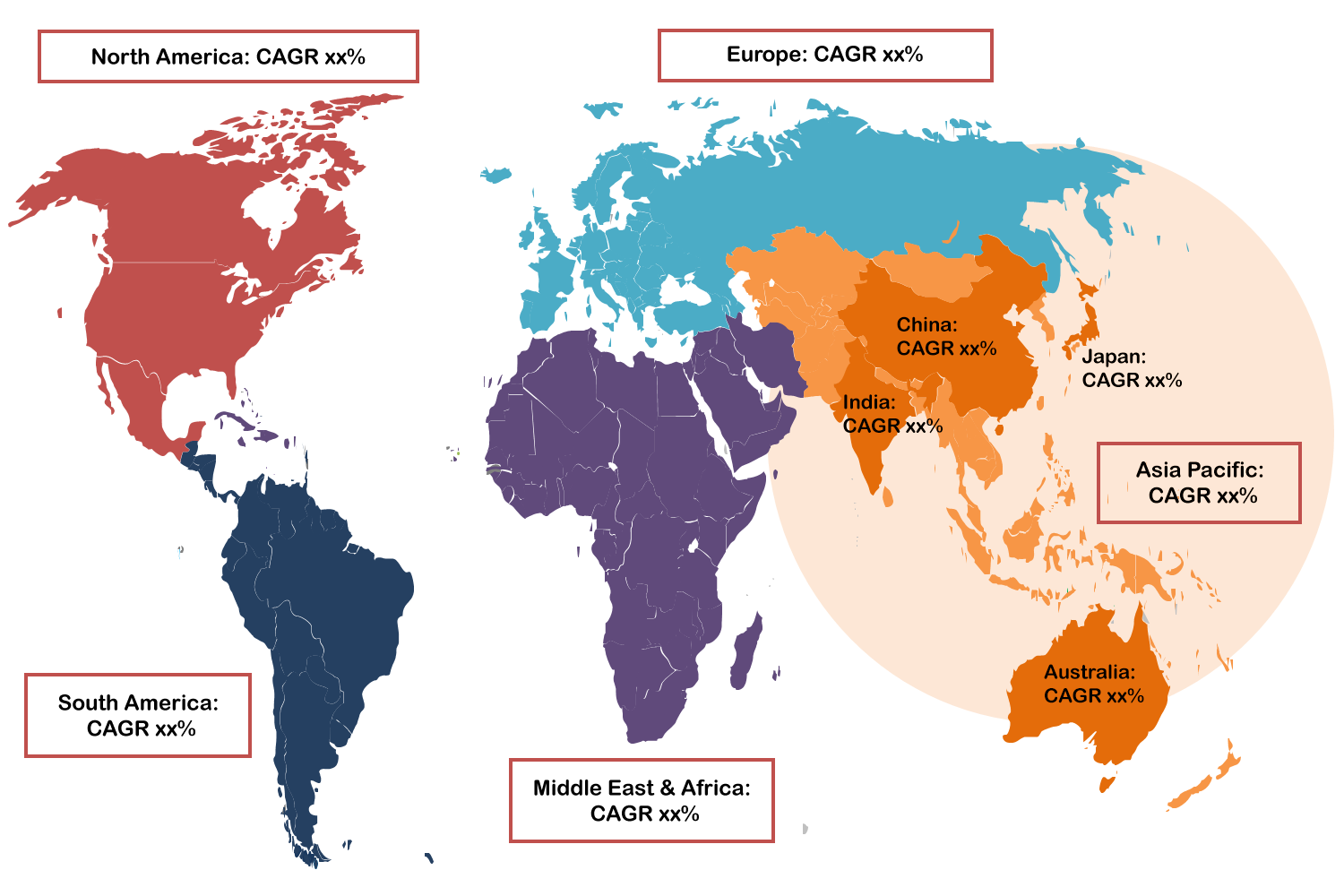
During the forecast period, the North America region is expected to hold the largest market share. Strong regulatory frameworks, including strict emissions standards and green building codes like LEED and CALGreen, as well as widespread consumer awareness of environmental and health issues are the main drivers of this dominance. Furthermore, North American retailers and brands are quickly incorporating certified materials into their product lines, such as recycled upholstery, GREENGUARD-listed finishes, and FSC-certified wood. The region's leadership is further strengthened by the strong institutional adoption and support for eco-certified furniture in public and commercial sector projects.
Region with highest CAGR:
Over the forecast period, the Asia Pacific region is anticipated to exhibit the highest CAGR. Strong urbanization and infrastructure development in nations like China and India, growing middle-class incomes, and growing consumer interest in sustainable lifestyle options are all contributing factors to this fast growth. Demand is further fueled by institutional momentum behind public, residential, and hospitality projects that use eco-friendly furnishings, particularly bamboo, teakwood, and recycled materials. Moreover, adoption of certified sustainable furniture in new developments is being encouraged by government regulations and green building initiatives, such as India's National Green Building Code and China's Green Building Action Plan.
Key players in the market
Some of the key players in Eco-Friendly Furniture Market include Greenington, La-Z-Boy Inc., Cisco Brothers Corporation, Moso International B.V., Lee Industries, Inc., Ethan Allen Global, Inc., Manchester Woodcraft Inc, Vermont Woods Studios, Ashley Furniture Industries, Inc., Williams-Sonoma, Inc., Inter IKEA Systems B.V., Sabai Inc, KING Furniture Pty Ltd, Vestre Inc and Roche Bobois Inc.
Key Developments:
In August 2025, La-Z-Boy Inc, signed an asset purchase agreement to acquire a La-Z-Boy Furniture Galleries store network in the Southeast from Atlanta Furniture Galleries owned by Tom and Amy DeGoey. The DeGoey business is the second-largest independent operator within the La-Z-Boy Furniture Galleries store network, with 15 stores, four warehouses, and approximately $80 million in annual sales.
In August 2025, Inter IKEA Systems B.V announces that it has signed franchise agreements with Sarton Group to grant exclusive rights to explore expansion opportunities in Panama and Costa Rica. Inter IKEA Systems B.V. grants Sarton Group the franchisee rights for Panama and Costa Rica. Sarton Group currently runs retail operations in the Spanish Islands, Dominican Republic and Puerto Rico.
In June 2025, Williams-Sonoma, Inc. announced an amendment to its credit agreement with Bank of America, extending the maturity date of its revolving loan facility to 2030 and increasing its aggregate commitments to $600 million. This strategic financial move, which also involves transitioning to the Term SOFR standard and adjusting interest rates and fees, is expected to enhance the company’s financial flexibility and support its growth objectives, while maintaining certain covenants and guarantees from its U.S. subsidiaries.
Product Types Covered:
• Beds
• Sofas & Couches
• Chairs & Stools
• Tables & Desks
• Cabinets & Shelves
• Indoor Furniture
• Outdoor Furniture
Materials Covered:
• Reclaimed Wood
• Bamboo
• Recycled Metal
• Recycled Plastic
• Cork
• FSC-Certified Wood
• Biodegradable Composites / Bio-based Materials
• Steel
• Aluminum
• Other Materials
Distribution Channels Covered:
• Online Retail
• Specialty Stores
• Supermarkets/Hypermarkets
• Direct Sales
• Departmental Stores
• Offline Retail
Applications Covered:
• Residential
• Commercial
• Hospitality
• Institutional
Regions Covered:
• North America
o US
o Canada
o Mexico
• Europe
o Germany
o UK
o Italy
o France
o Spain
o Rest of Europe
• Asia Pacific
o Japan
o China
o India
o Australia
o New Zealand
o South Korea
o Rest of Asia Pacific
• South America
o Argentina
o Brazil
o Chile
o Rest of South America
• Middle East & Africa
o Saudi Arabia
o UAE
o Qatar
o South Africa
o Rest of Middle East & Africa
What our report offers:
- Market share assessments for the regional and country-level segments
- Strategic recommendations for the new entrants
- Covers Market data for the years 2024, 2025, 2026, 2028, and 2032
- Market Trends (Drivers, Constraints, Opportunities, Threats, Challenges, Investment Opportunities, and recommendations)
- Strategic recommendations in key business segments based on the market estimations
- Competitive landscaping mapping the key common trends
- Company profiling with detailed strategies, financials, and recent developments
- Supply chain trends mapping the latest technological advancements
Free Customization Offerings:
All the customers of this report will be entitled to receive one of the following free customization options:
• Company Profiling
o Comprehensive profiling of additional market players (up to 3)
o SWOT Analysis of key players (up to 3)
• Regional Segmentation
o Market estimations, Forecasts and CAGR of any prominent country as per the client's interest (Note: Depends on feasibility check)
• Competitive Benchmarking
o Benchmarking of key players based on product portfolio, geographical presence, and strategic alliances
Table of Contents
1 Executive Summary
2 Preface
2.1 Abstract
2.2 Stake Holders
2.3 Research Scope
2.4 Research Methodology
2.4.1 Data Mining
2.4.2 Data Analysis
2.4.3 Data Validation
2.4.4 Research Approach
2.5 Research Sources
2.5.1 Primary Research Sources
2.5.2 Secondary Research Sources
2.5.3 Assumptions
3 Market Trend Analysis
3.1 Introduction
3.2 Drivers
3.3 Restraints
3.4 Opportunities
3.5 Threats
3.6 Product Analysis
3.7 Application Analysis
3.8 Emerging Markets
3.9 Impact of Covid-19
4 Porters Five Force Analysis
4.1 Bargaining power of suppliers
4.2 Bargaining power of buyers
4.3 Threat of substitutes
4.4 Threat of new entrants
4.5 Competitive rivalry
5 Global Eco-Friendly Furniture Market, By Product Type
5.1 Introduction
5.2 Beds
5.3 Sofas & Couches
5.4 Chairs & Stools
5.5 Tables & Desks
5.6 Cabinets & Shelves
5.7 Indoor Furniture
5.8 Outdoor Furniture
6 Global Eco-Friendly Furniture Market, By Material
6.1 Introduction
6.2 Reclaimed Wood
6.3 Bamboo
6.4 Recycled Metal
6.5 Recycled Plastic
6.6 Cork
6.7 FSC-Certified Wood
6.8 Biodegradable Composites / Bio-based Materials
6.9 Steel
6.10 Aluminum
6.11 Other Materials
7 Global Eco-Friendly Furniture Market, By Distribution Channel
7.1 Introduction
7.2 Online Retail
7.3 Specialty Stores
7.4 Supermarkets/Hypermarkets
7.5 Direct Sales
7.6 Departmental Stores
7.7 Offline Retail
8 Global Eco-Friendly Furniture Market, By Application
8.1 Introduction
8.2 Residential
8.3 Commercial
8.4 Hospitality
8.5 Institutional
9 Global Eco-Friendly Furniture Market, By Geography
9.1 Introduction
9.2 North America
9.2.1 US
9.2.2 Canada
9.2.3 Mexico
9.3 Europe
9.3.1 Germany
9.3.2 UK
9.3.3 Italy
9.3.4 France
9.3.5 Spain
9.3.6 Rest of Europe
9.4 Asia Pacific
9.4.1 Japan
9.4.2 China
9.4.3 India
9.4.4 Australia
9.4.5 New Zealand
9.4.6 South Korea
9.4.7 Rest of Asia Pacific
9.5 South America
9.5.1 Argentina
9.5.2 Brazil
9.5.3 Chile
9.5.4 Rest of South America
9.6 Middle East & Africa
9.6.1 Saudi Arabia
9.6.2 UAE
9.6.3 Qatar
9.6.4 South Africa
9.6.5 Rest of Middle East & Africa
10 Key Developments
10.1 Agreements, Partnerships, Collaborations and Joint Ventures
10.2 Acquisitions & Mergers
10.3 New Product Launch
10.4 Expansions
10.5 Other Key Strategies
11 Company Profiling
11.1 Greenington
11.2 La-Z-Boy Inc.
11.3 Cisco Brothers Corporation
11.4 Moso International B.V.
11.5 Lee Industries, Inc.
11.6 Ethan Allen Global, Inc.
11.7 Manchester Woodcraft Inc
11.8 Vermont Woods Studios
11.9 Ashley Furniture Industries, Inc.
11.10 Williams-Sonoma, Inc.
11.11 Inter IKEA Systems B.V.
11.12 Sabai Inc
11.13 KING Furniture Pty Ltd
11.14 Vestre Inc
11.15 Roche Bobois Inc
List of Tables
1 Global Eco-Friendly Furniture Market Outlook, By Region (2024-2032) ($MN)
2 Global Eco-Friendly Furniture Market Outlook, By Product Type (2024-2032) ($MN)
3 Global Eco-Friendly Furniture Market Outlook, By Beds (2024-2032) ($MN)
4 Global Eco-Friendly Furniture Market Outlook, By Sofas & Couches (2024-2032) ($MN)
5 Global Eco-Friendly Furniture Market Outlook, By Chairs & Stools (2024-2032) ($MN)
6 Global Eco-Friendly Furniture Market Outlook, By Tables & Desks (2024-2032) ($MN)
7 Global Eco-Friendly Furniture Market Outlook, By Cabinets & Shelves (2024-2032) ($MN)
8 Global Eco-Friendly Furniture Market Outlook, By Indoor Furniture (2024-2032) ($MN)
9 Global Eco-Friendly Furniture Market Outlook, By Outdoor Furniture (2024-2032) ($MN)
10 Global Eco-Friendly Furniture Market Outlook, By Material (2024-2032) ($MN)
11 Global Eco-Friendly Furniture Market Outlook, By Reclaimed Wood (2024-2032) ($MN)
12 Global Eco-Friendly Furniture Market Outlook, By Bamboo (2024-2032) ($MN)
13 Global Eco-Friendly Furniture Market Outlook, By Recycled Metal (2024-2032) ($MN)
14 Global Eco-Friendly Furniture Market Outlook, By Recycled Plastic (2024-2032) ($MN)
15 Global Eco-Friendly Furniture Market Outlook, By Cork (2024-2032) ($MN)
16 Global Eco-Friendly Furniture Market Outlook, By FSC-Certified Wood (2024-2032) ($MN)
17 Global Eco-Friendly Furniture Market Outlook, By Biodegradable Composites / Bio-based Materials (2024-2032) ($MN)
18 Global Eco-Friendly Furniture Market Outlook, By Steel (2024-2032) ($MN)
19 Global Eco-Friendly Furniture Market Outlook, By Aluminum (2024-2032) ($MN)
20 Global Eco-Friendly Furniture Market Outlook, By Other Materials (2024-2032) ($MN)
21 Global Eco-Friendly Furniture Market Outlook, By Distribution Channel (2024-2032) ($MN)
22 Global Eco-Friendly Furniture Market Outlook, By Online Retail (2024-2032) ($MN)
23 Global Eco-Friendly Furniture Market Outlook, By Specialty Stores (2024-2032) ($MN)
24 Global Eco-Friendly Furniture Market Outlook, By Supermarkets/Hypermarkets (2024-2032) ($MN)
25 Global Eco-Friendly Furniture Market Outlook, By Direct Sales (2024-2032) ($MN)
26 Global Eco-Friendly Furniture Market Outlook, By Departmental Stores (2024-2032) ($MN)
27 Global Eco-Friendly Furniture Market Outlook, By Offline Retail (2024-2032) ($MN)
28 Global Eco-Friendly Furniture Market Outlook, By Application (2024-2032) ($MN)
29 Global Eco-Friendly Furniture Market Outlook, By Residential (2024-2032) ($MN)
30 Global Eco-Friendly Furniture Market Outlook, By Commercial (2024-2032) ($MN)
31 Global Eco-Friendly Furniture Market Outlook, By Hospitality (2024-2032) ($MN)
32 Global Eco-Friendly Furniture Market Outlook, By Institutional (2024-2032) ($MN)
Note: Tables for North America, Europe, APAC, South America, and Middle East & Africa Regions are also represented in the same manner as above.
List of Figures
RESEARCH METHODOLOGY

We at ‘Stratistics’ opt for an extensive research approach which involves data mining, data validation, and data analysis. The various research sources include in-house repository, secondary research, competitor’s sources, social media research, client internal data, and primary research.
Our team of analysts prefers the most reliable and authenticated data sources in order to perform the comprehensive literature search. With access to most of the authenticated data bases our team highly considers the best mix of information through various sources to obtain extensive and accurate analysis.
Each report takes an average time of a month and a team of 4 industry analysts. The time may vary depending on the scope and data availability of the desired market report. The various parameters used in the market assessment are standardized in order to enhance the data accuracy.
Data Mining
The data is collected from several authenticated, reliable, paid and unpaid sources and is filtered depending on the scope & objective of the research. Our reports repository acts as an added advantage in this procedure. Data gathering from the raw material suppliers, distributors and the manufacturers is performed on a regular basis, this helps in the comprehensive understanding of the products value chain. Apart from the above mentioned sources the data is also collected from the industry consultants to ensure the objective of the study is in the right direction.
Market trends such as technological advancements, regulatory affairs, market dynamics (Drivers, Restraints, Opportunities and Challenges) are obtained from scientific journals, market related national & international associations and organizations.
Data Analysis
From the data that is collected depending on the scope & objective of the research the data is subjected for the analysis. The critical steps that we follow for the data analysis include:
- Product Lifecycle Analysis
- Competitor analysis
- Risk analysis
- Porters Analysis
- PESTEL Analysis
- SWOT Analysis
The data engineering is performed by the core industry experts considering both the Marketing Mix Modeling and the Demand Forecasting. The marketing mix modeling makes use of multiple-regression techniques to predict the optimal mix of marketing variables. Regression factor is based on a number of variables and how they relate to an outcome such as sales or profits.
Data Validation
The data validation is performed by the exhaustive primary research from the expert interviews. This includes telephonic interviews, focus groups, face to face interviews, and questionnaires to validate our research from all aspects. The industry experts we approach come from the leading firms, involved in the supply chain ranging from the suppliers, distributors to the manufacturers and consumers so as to ensure an unbiased analysis.
We are in touch with more than 15,000 industry experts with the right mix of consultants, CEO's, presidents, vice presidents, managers, experts from both supply side and demand side, executives and so on.
The data validation involves the primary research from the industry experts belonging to:
- Leading Companies
- Suppliers & Distributors
- Manufacturers
- Consumers
- Industry/Strategic Consultants
Apart from the data validation the primary research also helps in performing the fill gap research, i.e. providing solutions for the unmet needs of the research which helps in enhancing the reports quality.
For more details about research methodology, kindly write to us at info@strategymrc.com
Frequently Asked Questions
In case of any queries regarding this report, you can contact the customer service by filing the “Inquiry Before Buy” form available on the right hand side. You may also contact us through email: info@strategymrc.com or phone: +1-301-202-5929
Yes, the samples are available for all the published reports. You can request them by filling the “Request Sample” option available in this page.
Yes, you can request a sample with your specific requirements. All the customized samples will be provided as per the requirement with the real data masked.
All our reports are available in Digital PDF format. In case if you require them in any other formats, such as PPT, Excel etc you can submit a request through “Inquiry Before Buy” form available on the right hand side. You may also contact us through email: info@strategymrc.com or phone: +1-301-202-5929
We offer a free 15% customization with every purchase. This requirement can be fulfilled for both pre and post sale. You may send your customization requirements through email at info@strategymrc.com or call us on +1-301-202-5929.
We have 3 different licensing options available in electronic format.
- Single User Licence: Allows one person, typically the buyer, to have access to the ordered product. The ordered product cannot be distributed to anyone else.
- 2-5 User Licence: Allows the ordered product to be shared among a maximum of 5 people within your organisation.
- Corporate License: Allows the product to be shared among all employees of your organisation regardless of their geographical location.
All our reports are typically be emailed to you as an attachment.
To order any available report you need to register on our website. The payment can be made either through CCAvenue or PayPal payments gateways which accept all international cards.
We extend our support to 6 months post sale. A post sale customization is also provided to cover your unmet needs in the report.
Request Customization
We offer complimentary customization of up to 15% with every purchase. To share your customization requirements, feel free to email us at info@strategymrc.com or call us on +1-301-202-5929. .
Please Note: Customization within the 15% threshold is entirely free of charge. If your request exceeds this limit, we will conduct a feasibility assessment. Following that, a detailed quote and timeline will be provided.
WHY CHOOSE US ?

Assured Quality
Best in class reports with high standard of research integrity

24X7 Research Support
Continuous support to ensure the best customer experience.

Free Customization
Adding more values to your product of interest.

Safe & Secure Access
Providing a secured environment for all online transactions.

Trusted by 600+ Brands
Serving the most reputed brands across the world.
