
Humanoid Robot Market
Humanoid Robot Market Forecasts To 2034 – Global Analysis By Robot Type (Industrial Humanoid Robots, Service Humanoid Robots, Collaborative Humanoid Robots and General-Purpose Humanoid Robots), Component, Functionality, Level of Autonomy, Deployment Environment, Business Model, Technology, Application, End User and By Geography

According to Stratistics MRC, the Global Humanoid Robot Market is accounted for $10.7 billion in 2026 and is expected to reach $132.6 billion by 2034 growing at a CAGR of 37.0% during the forecast period. The humanoid robot market covers the design, production, and use of human-shaped robotic systems featuring structures such as heads, upper bodies, arms, hands, and legs. These systems combine artificial intelligence, vision technologies, sensors, actuators, motion-control mechanisms, and computing platforms to execute physical and cognitive activities. Humanoid robots are utilized in areas such as industrial manufacturing, logistics, warehousing, healthcare, retail, hospitality, education, research, and domestic assistance. The market includes robotics manufacturers, technology providers, component producers, and AI companies. Core technological capabilities include bipedal movement, precise object handling, autonomous mobility, human-robot interaction, machine learning, and multimodal sensing.
Market Dynamics:
Driver:
Increasing Adoption of Automation in Existing Human-Centric Environments
Growing automation within human-oriented workplaces is creating opportunities for humanoid robotic platforms. Many existing facilities, including factories, warehouses, healthcare centers, retail locations, and offices, are structured around human dimensions, with features such as stairs, doors, shelves, tools, workbenches, and conventional equipment. Because humanoid robots are designed around similar physical characteristics, they can potentially interact with existing infrastructure without extensive facility modifications. This can make them suitable for flexible automation applications involving multiple activities. Businesses seeking robots capable of operating across different workplace functions are therefore examining humanoid systems as an alternative to specialized machines designed for only individual tasks or narrowly defined processes.
Restraint:
High Development and Deployment Costs
The substantial investment required to develop and implement humanoid robots can limit their adoption across industries. These robotic platforms depend on complex components, including advanced actuators, sensors, computing systems, batteries, artificial intelligence software, and sophisticated mechanical structures. Combining these technologies while achieving reliability and commercial viability involves considerable expenditure on research, engineering, testing, and production. Businesses may also face additional expenses related to installation, maintenance, software integration, workforce training, and supporting infrastructure. Such financial requirements can be particularly challenging for smaller organizations. Furthermore, uncertainty surrounding investment returns may cause companies to postpone adoption when conventional automation solutions offer established performance at comparatively lower costs.
Opportunity:
Integration of Humanoid Robots with Generative AI and Multimodal Technologies
Combining humanoid robots with generative AI and multimodal technologies provides opportunities to enhance robotic intelligence and interaction. Generative AI can help robots understand natural-language commands, generate context-aware responses, plan activities, and adapt their behavior, while multimodal systems can process information from cameras, microphones, tactile sensors, and other sources simultaneously. This combination can allow robots to better interpret complicated instructions and interact with people in more intuitive ways. Cloud infrastructure and edge computing can provide additional processing capabilities for advanced applications. Partnerships among robotics manufacturers, AI developers, chip companies, and software providers can further support the creation of intelligent humanoid platforms for varied industrial, commercial, and service environments.
Threat:
High Competition from Alternative Automation Technologies
Established automation solutions represent a significant competitive threat to humanoid robotics. Industrial robotic arms, autonomous mobile robots, automated guided vehicles, collaborative robots, and specialized automated equipment are already widely used for particular operational requirements. Companies using these technologies often possess existing infrastructure, technical expertise, and maintenance capabilities. For narrowly defined applications, specialized machines may offer more straightforward implementation and potentially lower costs than general-purpose humanoid robots. Continued improvements in competing robotic technologies could encourage businesses to select specialized automation where human-like functionality is not required. Consequently, humanoid robot manufacturers may face pressure to demonstrate strong flexibility, reliability, performance, and economic justification.
Covid-19 Impact:
The COVID-19 outbreak influenced the humanoid robot market through disruptions to manufacturing, component availability, research programs, supply networks, and investment activities. Restrictions on movement and workplace operations affected production schedules, procurement processes, testing, and technology development. However, concerns surrounding human-to-human transmission also encouraged interest in robotic systems capable of supporting activities with limited direct contact. Potential applications included healthcare assistance, logistics, customer interaction, disinfection, and other tasks where reducing human exposure was beneficial. Hospitals and industrial facilities examined automation as a means of supporting operations during workforce constraints. Consequently, the pandemic presented immediate industry disruptions while also emphasizing potential roles for humanoid robots in contact-sensitive environments.
The Hardware segment is expected to be the largest during the forecast period
The Hardware segment is expected to account for the largest market share during the forecast period, supported by the critical importance of physical technologies in humanoid robotic systems. These robots depend on actuators, sensors, processors, batteries, motors, controllers, communication technologies, and structural elements to enable mobility, perception, interaction, and autonomous functionality. Developments in computing capabilities, sensing systems, lightweight materials, and motion-control technologies are enabling more sophisticated robotic designs. Hardware provides the underlying platform for implementing artificial intelligence and robotics software. Increasing requirements for precision, reliability, performance, and energy efficiency are supporting the adoption of advanced hardware components across various humanoid robot applications.
The Healthcare Automation segment is expected to have the highest CAGR during the forecast period
Over the forecast period, the Healthcare Automation segment is predicted to witness the highest growth rate, supported by rising interest in humanoid robots capable of assisting patients and healthcare personnel in hospitals, rehabilitation facilities, assisted-living centers, and related environments. Potential functions include patient communication, mobility assistance, reminders, monitoring, rehabilitation support, information provision, and movement of supplies. Humanoid robots can use speech, gestures, vision, and artificial intelligence to facilitate more natural interactions within care environments. Improvements in sensing, navigation, robotic manipulation, and intelligent control are expanding their capabilities. Growing requirements for healthcare support and automated assistance are creating new opportunities for humanoid robots across a broad range of healthcare-related applications.
Region with largest share:
During the forecast period, the North America region is expected to hold the largest market share, supported by its advanced technology ecosystem, significant investment in artificial intelligence and robotics, and concentration of leading technology and robotics companies. The region benefits from established capabilities spanning robotics production, semiconductor technologies, AI development, research institutions, and industrial automation. Growing use of advanced automation in manufacturing, logistics, warehousing, healthcare, and related sectors is supporting regional demand for sophisticated robotic platforms. Strong research initiatives, venture funding, and cooperation between technology firms and academic organizations further contribute to market development. Together, these factors reinforce North America's significant position within the humanoid robotics industry.
Region with highest CAGR:
Over the forecast period, the Asia Pacific region is anticipated to exhibit the highest CAGR, driven by advances in robotics, artificial intelligence, industrial automation, and manufacturing technologies throughout the region. China, Japan, South Korea, and other Asian economies are increasing investments in humanoid robots, smart factories, and intelligent automation. The region's extensive automotive, electronics, logistics, and manufacturing industries provide numerous potential applications for humanoid robotic systems. Government support, expanding research programs, and partnerships among robotics manufacturers, technology companies, and research organizations are also contributing to market development. Together, these factors are creating favorable conditions for increasing deployment of humanoid robots across diverse industrial and commercial applications.
Key players in the market
Some of the key players in Humanoid Robot Market include Tesla, Inc., Figure AI, Inc., Agility Robotics, Apptronik, Inc., Boston Dynamics, UBTECH Robotics Corp., Ltd., Unitree Robotics, AgiBot, 1X Technologies AS, Sanctuary AI, Fourier Intelligence, NEURA Robotics GmbH, EngineAI Robotics, XPENG Robotics, Kepler Robotics, Robot Era, Rainbow Robotics and Galbot Co., Ltd.
Key Developments:
In September 2026, Figure announced a strategic partnership with Nscale for deployment of up to 100,000 NVIDIA Vera Rubin GPUs to support Helix training and humanoid robotics development. The agreement also includes exploration of using Figure humanoids within Nscale’s supply chain.
In September 2026, Agility expanded its partnership with NVIDIA around Digit 5 safety technology, becoming the first launch partner for NVIDIA’s Halos for Robotics platform and pairing Agility’s systems with NVIDIA IGX Thor and Halos Core infrastructure.
In June 2026, Apptronik’s expanded Robot Park network supports its research partnership with Google DeepMind, with Apollo 2 robots collecting real-world data used to advance Gemini Robotics models. The collaboration connects robot operation, data collection, and AI-model development for future humanoid systems.
Robot Types Covered:
• Industrial Humanoid Robots
• Service Humanoid Robots
• Collaborative Humanoid Robots
• General-Purpose Humanoid Robots
Components Covered:
• Hardware
• Software
• Services
Functionalities Covered:
• Perception and Sensing
• Mobility and Navigation
• Manipulation and Grasping
• Object Recognition and Handling
• Task Planning
• Autonomous Decision-Making
• Human-Robot Interaction
• Learning and Adaptation
Level of Autonomies Covered:
• Teleoperated
• Semi-Autonomous
• Fully Autonomous
Deployment Environments Covered:
• Indoor
• Outdoor
• Controlled Environments
• Unstructured Environments
• Hazardous Environments
• Human-Centric Environments
Business Models Covered:
• Robot Sales
• Robot-as-a-Service
• Leasing and Rental
• Subscription-Based Services
• Pay-per-Use
• Software and AI Licensing
Technologies Covered:
• Artificial Intelligence
• Computer Vision
• Natural Language Processing
• Speech Recognition
• Sensor Fusion
• Autonomous Navigation
• Motion Planning and Control
• Simultaneous Localization and Mapping
• Reinforcement Learning
Applications Covered:
• Manufacturing and Assembly
• Material Handling
• Machine Tending
• Logistics and Warehousing
• Inspection and Quality Control
• Maintenance and Repair
• Construction
• Mining
• Energy and Utilities
• Healthcare Automation
• Retail Automation
End Users Covered:
• Manufacturing
• Logistics and Warehousing
• Healthcare
• Construction
• Mining
• Energy and Utilities
• Retail and E-Commerce
• Hospitality
• Security and Defense
Regions Covered:
• North America
o United States
o Canada
o Mexico
• Europe
o United Kingdom
o Germany
o France
o Italy
o Spain
o Netherlands
o Belgium
o Sweden
o Switzerland
o Poland
o Rest of Europe
• Asia Pacific
o China
o Japan
o India
o South Korea
o Australia
o Indonesia
o Thailand
o Malaysia
o Singapore
o Vietnam
o Rest of Asia Pacific
• South America
o Brazil
o Argentina
o Colombia
o Chile
o Peru
o Rest of South America
• Rest of the World (RoW)
o Middle East
§ Saudi Arabia
§ United Arab Emirates
§ Qatar
§ Israel
§ Rest of Middle East
o Africa
§ South Africa
§ Egypt
§ Morocco
§ Rest of Africa
What our report offers:
- Market share assessments for the regional and country-level segments
- Strategic recommendations for the new entrants
- Covers Market data for the years 2023, 2024, 2025, 2026, 2027, 2028, 2030, 2032 and 2034
- Market Trends (Drivers, Constraints, Opportunities, Threats, Challenges, Investment Opportunities, and recommendations)
- Strategic recommendations in key business segments based on the market estimations
- Competitive landscaping mapping the key common trends
- Company profiling with detailed strategies, financials, and recent developments
- Supply chain trends mapping the latest technological advancements
Free Customization Offerings:
All the customers of this report will be entitled to receive one of the following free customization options:
• Company Profiling
o Comprehensive profiling of additional market players (up to 3)
o SWOT Analysis of key players (up to 3)
• Regional Segmentation
o Market estimations, Forecasts and CAGR of any prominent country as per the client's interest (Note: Depends on feasibility check)
• Competitive Benchmarking
o Benchmarking of key players based on product portfolio, geographical presence, and strategic alliances
Table of Contents
1 Executive Summary
1.1 Market Snapshot and Key Highlights
1.2 Growth Drivers, Challenges, and Opportunities
1.3 Competitive Landscape Overview
1.4 Strategic Insights and Recommendations
2 Research Framework
2.1 Study Objectives and Scope
2.2 Stakeholder Analysis
2.3 Research Assumptions and Limitations
2.4 Research Methodology
2.4.1 Data Collection (Primary and Secondary)
2.4.2 Data Modeling and Estimation Techniques
2.4.3 Data Validation and Triangulation
2.4.4 Analytical and Forecasting Approach
3 Market Dynamics and Trend Analysis
3.1 Market Definition and Structure
3.2 Key Market Drivers
3.3 Market Restraints and Challenges
3.4 Growth Opportunities and Investment Hotspots
3.5 Industry Threats and Risk Assessment
3.6 Technology and Innovation Landscape
3.7 Emerging and High-Growth Markets
3.8 Regulatory and Policy Environment
3.9 Impact of COVID-19 and Recovery Outlook
4 Competitive and Strategic Assessment
4.1 Porter's Five Forces Analysis
4.1.1 Supplier Bargaining Power
4.1.2 Buyer Bargaining Power
4.1.3 Threat of Substitutes
4.1.4 Threat of New Entrants
4.1.5 Competitive Rivalry
4.2 Market Share Analysis of Key Players
4.3 Product Benchmarking and Performance Comparison
5 Global Humanoid Robot Market, By Robot Type
5.1 Industrial Humanoid Robots
5.2 Service Humanoid Robots
5.3 Collaborative Humanoid Robots
5.4 General-Purpose Humanoid Robots
6 Global Humanoid Robot Market, By Component
6.1 Hardware
6.2 Software
6.3 Services
7 Global Humanoid Robot Market, By Functionality
7.1 Perception and Sensing
7.2 Mobility and Navigation
7.3 Manipulation and Grasping
7.4 Object Recognition and Handling
7.5 Task Planning
7.6 Autonomous Decision-Making
7.7 Human-Robot Interaction
7.8 Learning and Adaptation
8 Global Humanoid Robot Market, By Level of Autonomy
8.1 Teleoperated
8.2 Semi-Autonomous
8.3 Fully Autonomous
9 Global Humanoid Robot Market, By Deployment Environment
9.1 Indoor
9.2 Outdoor
9.3 Controlled Environments
9.4 Unstructured Environments
9.5 Hazardous Environments
9.6 Human-Centric Environments
10 Global Humanoid Robot Market, By Business Model
10.1 Robot Sales
10.2 Robot-as-a-Service
10.3 Leasing and Rental
10.4 Subscription-Based Services
10.5 Pay-per-Use
10.6 Software and AI Licensing
11 Global Humanoid Robot Market, By Technology
11.1 Artificial Intelligence
11.2 Computer Vision
11.3 Natural Language Processing
11.4 Speech Recognition
11.5 Sensor Fusion
11.6 Autonomous Navigation
11.7 Motion Planning and Control
11.8 Simultaneous Localization and Mapping
11.9 Reinforcement Learning
12 Global Humanoid Robot Market, By Application
12.1 Manufacturing and Assembly
12.2 Material Handling
12.3 Machine Tending
12.4 Logistics and Warehousing
12.5 Inspection and Quality Control
12.6 Maintenance and Repair
12.7 Construction
12.8 Mining
12.9 Energy and Utilities
12.10 Healthcare Automation
12.11 Retail Automation
13 Global Humanoid Robot Market, By End User
13.1 Manufacturing
13.2 Logistics and Warehousing
13.3 Healthcare
13.4 Construction
13.5 Mining
13.6 Energy and Utilities
13.7 Retail and E-Commerce
13.8 Hospitality
13.9 Security and Defense
14 Global Humanoid Robot Market, By Geography
14.1 North America
14.1.1 United States
14.1.2 Canada
14.1.3 Mexico
14.2 Europe
14.2.1 United Kingdom
14.2.2 Germany
14.2.3 France
14.2.4 Italy
14.2.5 Spain
14.2.6 Netherlands
14.2.7 Belgium
14.2.8 Sweden
14.2.9 Switzerland
14.2.10 Poland
14.2.11 Rest of Europe
14.3 Asia Pacific
14.3.1 China
14.3.2 Japan
14.3.3 India
14.3.4 South Korea
14.3.5 Australia
14.3.6 Indonesia
14.3.7 Thailand
14.3.8 Malaysia
14.3.9 Singapore
14.3.10 Vietnam
14.3.11 Rest of Asia Pacific
14.4 South America
14.4.1 Brazil
14.4.2 Argentina
14.4.3 Colombia
14.4.4 Chile
14.4.5 Peru
14.4.6 Rest of South America
14.5 Rest of the World (RoW)
14.5.1 Middle East
14.5.1.1 Saudi Arabia
14.5.1.2 United Arab Emirates
14.5.1.3 Qatar
14.5.1.4 Israel
14.5.1.5 Rest of Middle East
14.5.2 Africa
14.5.2.1 South Africa
14.5.2.2 Egypt
14.5.2.3 Morocco
14.5.2.4 Rest of Africa
15 Strategic Market Intelligence
15.1 Industry Value Network and Supply Chain Assessment
15.2 White-Space and Opportunity Mapping
15.3 Product Evolution and Market Life Cycle Analysis
15.4 Channel, Distributor, and Go-to-Market Assessment
16 Industry Developments and Strategic Initiatives
16.1 Mergers and Acquisitions
16.2 Partnerships, Alliances, and Joint Ventures
16.3 New Product Launches and Certifications
16.4 Capacity Expansion and Investments
16.5 Other Strategic Initiatives
17 Company Profiles
17.1 Tesla, Inc.
17.2 Figure AI, Inc.
17.3 Agility Robotics
17.4 Apptronik, Inc.
17.5 Boston Dynamics
17.6 UBTECH Robotics Corp., Ltd.
17.7 Unitree Robotics
17.8 AgiBot
17.9 1X Technologies AS
17.10 Sanctuary AI
17.11 Fourier Intelligence
17.12 NEURA Robotics GmbH
17.13 EngineAI Robotics
17.14 XPENG Robotics
17.15 Kepler Robotics
17.16 Robot Era
17.17 Rainbow Robotics
17.18 Galbot Co., Ltd.
List of Tables
1 Global Humanoid Robot Market Outlook, By Region (2023-2034) ($MN)
2 Global Humanoid Robot Market Outlook, By Robot Type (2023-2034) ($MN)
3 Global Humanoid Robot Market Outlook, By Industrial Humanoid Robots (2023-2034) ($MN)
4 Global Humanoid Robot Market Outlook, By Service Humanoid Robots (2023-2034) ($MN)
5 Global Humanoid Robot Market Outlook, By Collaborative Humanoid Robots (2023-2034) ($MN)
6 Global Humanoid Robot Market Outlook, By General-Purpose Humanoid Robots (2023-2034) ($MN)
7 Global Humanoid Robot Market Outlook, By Component (2023-2034) ($MN)
8 Global Humanoid Robot Market Outlook, By Hardware (2023-2034) ($MN)
9 Global Humanoid Robot Market Outlook, By Software (2023-2034) ($MN)
10 Global Humanoid Robot Market Outlook, By Services (2023-2034) ($MN)
11 Global Humanoid Robot Market Outlook, By Functionality (2023-2034) ($MN)
12 Global Humanoid Robot Market Outlook, By Perception and Sensing (2023-2034) ($MN)
13 Global Humanoid Robot Market Outlook, By Mobility and Navigation (2023-2034) ($MN)
14 Global Humanoid Robot Market Outlook, By Manipulation and Grasping (2023-2034) ($MN)
15 Global Humanoid Robot Market Outlook, By Object Recognition and Handling (2023-2034) ($MN)
16 Global Humanoid Robot Market Outlook, By Task Planning (2023-2034) ($MN)
17 Global Humanoid Robot Market Outlook, By Autonomous Decision-Making (2023-2034) ($MN)
18 Global Humanoid Robot Market Outlook, By Human-Robot Interaction (2023-2034) ($MN)
19 Global Humanoid Robot Market Outlook, By Learning and Adaptation (2023-2034) ($MN)
20 Global Humanoid Robot Market Outlook, By Level of Autonomy (2023-2034) ($MN)
21 Global Humanoid Robot Market Outlook, By Teleoperated (2023-2034) ($MN)
22 Global Humanoid Robot Market Outlook, By Semi-Autonomous (2023-2034) ($MN)
23 Global Humanoid Robot Market Outlook, By Fully Autonomous (2023-2034) ($MN)
24 Global Humanoid Robot Market Outlook, By Deployment Environment (2023-2034) ($MN)
25 Global Humanoid Robot Market Outlook, By Indoor (2023-2034) ($MN)
26 Global Humanoid Robot Market Outlook, By Outdoor (2023-2034) ($MN)
27 Global Humanoid Robot Market Outlook, By Controlled Environments (2023-2034) ($MN)
28 Global Humanoid Robot Market Outlook, By Unstructured Environments (2023-2034) ($MN)
29 Global Humanoid Robot Market Outlook, By Hazardous Environments (2023-2034) ($MN)
30 Global Humanoid Robot Market Outlook, By Human-Centric Environments (2023-2034) ($MN)
31 Global Humanoid Robot Market Outlook, By Business Model (2023-2034) ($MN)
32 Global Humanoid Robot Market Outlook, By Robot Sales (2023-2034) ($MN)
33 Global Humanoid Robot Market Outlook, By Robot-as-a-Service (2023-2034) ($MN)
34 Global Humanoid Robot Market Outlook, By Leasing and Rental (2023-2034) ($MN)
35 Global Humanoid Robot Market Outlook, By Subscription-Based Services (2023-2034) ($MN)
36 Global Humanoid Robot Market Outlook, By Pay-per-Use (2023-2034) ($MN)
37 Global Humanoid Robot Market Outlook, By Software and AI Licensing (2023-2034) ($MN)
38 Global Humanoid Robot Market Outlook, By Technology (2023-2034) ($MN)
39 Global Humanoid Robot Market Outlook, By Artificial Intelligence (2023-2034) ($MN)
40 Global Humanoid Robot Market Outlook, By Computer Vision (2023-2034) ($MN)
41 Global Humanoid Robot Market Outlook, By Natural Language Processing (2023-2034) ($MN)
42 Global Humanoid Robot Market Outlook, By Speech Recognition (2023-2034) ($MN)
43 Global Humanoid Robot Market Outlook, By Sensor Fusion (2023-2034) ($MN)
44 Global Humanoid Robot Market Outlook, By Autonomous Navigation (2023-2034) ($MN)
45 Global Humanoid Robot Market Outlook, By Motion Planning and Control (2023-2034) ($MN)
46 Global Humanoid Robot Market Outlook, By Simultaneous Localization and Mapping (2023-2034) ($MN)
47 Global Humanoid Robot Market Outlook, By Reinforcement Learning (2023-2034) ($MN)
48 Global Humanoid Robot Market Outlook, By Application (2023-2034) ($MN)
49 Global Humanoid Robot Market Outlook, By Manufacturing and Assembly (2023-2034) ($MN)
50 Global Humanoid Robot Market Outlook, By Material Handling (2023-2034) ($MN)
51 Global Humanoid Robot Market Outlook, By Machine Tending (2023-2034) ($MN)
52 Global Humanoid Robot Market Outlook, By Logistics and Warehousing (2023-2034) ($MN)
53 Global Humanoid Robot Market Outlook, By Inspection and Quality Control (2023-2034) ($MN)
54 Global Humanoid Robot Market Outlook, By Maintenance and Repair (2023-2034) ($MN)
55 Global Humanoid Robot Market Outlook, By Construction (2023-2034) ($MN)
56 Global Humanoid Robot Market Outlook, By Mining (2023-2034) ($MN)
57 Global Humanoid Robot Market Outlook, By Energy and Utilities (2023-2034) ($MN)
58 Global Humanoid Robot Market Outlook, By Healthcare Automation (2023-2034) ($MN)
59 Global Humanoid Robot Market Outlook, By Retail Automation (2023-2034) ($MN)
60 Global Humanoid Robot Market Outlook, By End User (2023-2034) ($MN)
61 Global Humanoid Robot Market Outlook, By Manufacturing (2023-2034) ($MN)
62 Global Humanoid Robot Market Outlook, By Logistics and Warehousing (2023-2034) ($MN)
63 Global Humanoid Robot Market Outlook, By Healthcare (2023-2034) ($MN)
64 Global Humanoid Robot Market Outlook, By Construction (2023-2034) ($MN)
65 Global Humanoid Robot Market Outlook, By Mining (2023-2034) ($MN)
66 Global Humanoid Robot Market Outlook, By Energy and Utilities (2023-2034) ($MN)
67 Global Humanoid Robot Market Outlook, By Retail and E-Commerce (2023-2034) ($MN)
68 Global Humanoid Robot Market Outlook, By Hospitality (2023-2034) ($MN)
69 Global Humanoid Robot Market Outlook, By Security and Defense (2023-2034) ($MN)
Note: Tables for North America, Europe, APAC, South America, and Rest of the World (RoW) Regions are also represented in the same manner as above.
List of Figures
RESEARCH METHODOLOGY
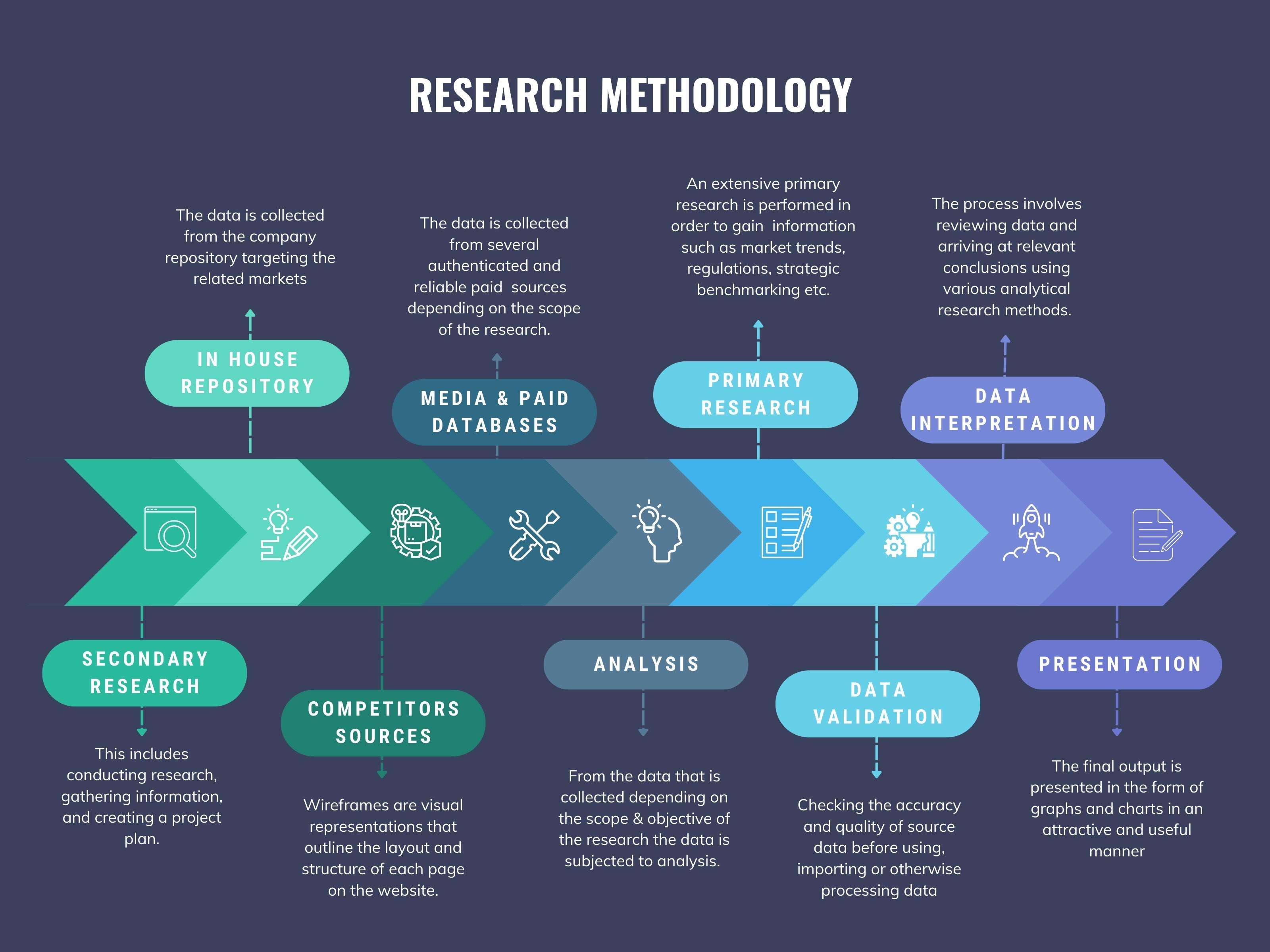
We at ‘Stratistics’ opt for an extensive research approach which involves data mining, data validation, and data analysis. The various research sources include in-house repository, secondary research, competitor’s sources, social media research, client internal data, and primary research.
Our team of analysts prefers the most reliable and authenticated data sources in order to perform the comprehensive literature search. With access to most of the authenticated data bases our team highly considers the best mix of information through various sources to obtain extensive and accurate analysis.
Each report takes an average time of a month and a team of 4 industry analysts. The time may vary depending on the scope and data availability of the desired market report. The various parameters used in the market assessment are standardized in order to enhance the data accuracy.
Data Mining
The data is collected from several authenticated, reliable, paid and unpaid sources and is filtered depending on the scope & objective of the research. Our reports repository acts as an added advantage in this procedure. Data gathering from the raw material suppliers, distributors and the manufacturers is performed on a regular basis, this helps in the comprehensive understanding of the products value chain. Apart from the above mentioned sources the data is also collected from the industry consultants to ensure the objective of the study is in the right direction.
Market trends such as technological advancements, regulatory affairs, market dynamics (Drivers, Restraints, Opportunities and Challenges) are obtained from scientific journals, market related national & international associations and organizations.
Data Analysis
From the data that is collected depending on the scope & objective of the research the data is subjected for the analysis. The critical steps that we follow for the data analysis include:
- Product Lifecycle Analysis
- Competitor analysis
- Risk analysis
- Porters Analysis
- PESTEL Analysis
- SWOT Analysis
The data engineering is performed by the core industry experts considering both the Marketing Mix Modeling and the Demand Forecasting. The marketing mix modeling makes use of multiple-regression techniques to predict the optimal mix of marketing variables. Regression factor is based on a number of variables and how they relate to an outcome such as sales or profits.
Data Validation
The data validation is performed by the exhaustive primary research from the expert interviews. This includes telephonic interviews, focus groups, face to face interviews, and questionnaires to validate our research from all aspects. The industry experts we approach come from the leading firms, involved in the supply chain ranging from the suppliers, distributors to the manufacturers and consumers so as to ensure an unbiased analysis.
We are in touch with more than 15,000 industry experts with the right mix of consultants, CEO's, presidents, vice presidents, managers, experts from both supply side and demand side, executives and so on.
The data validation involves the primary research from the industry experts belonging to:
- Leading Companies
- Suppliers & Distributors
- Manufacturers
- Consumers
- Industry/Strategic Consultants
Apart from the data validation the primary research also helps in performing the fill gap research, i.e. providing solutions for the unmet needs of the research which helps in enhancing the reports quality.
For more details about research methodology, kindly write to us at info@strategymrc.com
Frequently Asked Questions
In case of any queries regarding this report, you can contact the customer service by filing the “Inquiry Before Buy” form available on the right hand side. You may also contact us through email: info@strategymrc.com or phone: +1-301-202-5929
Yes, the samples are available for all the published reports. You can request them by filling the “Request Sample” option available in this page.
Yes, you can request a sample with your specific requirements. All the customized samples will be provided as per the requirement with the real data masked.
All our reports are available in Digital PDF format. In case if you require them in any other formats, such as PPT, Excel etc you can submit a request through “Inquiry Before Buy” form available on the right hand side. You may also contact us through email: info@strategymrc.com or phone: +1-301-202-5929
We offer a free 15% customization with every purchase. This requirement can be fulfilled for both pre and post sale. You may send your customization requirements through email at info@strategymrc.com or call us on +1-301-202-5929.
We have 3 different licensing options available in electronic format.
- Single User Licence: Allows one person, typically the buyer, to have access to the ordered product. The ordered product cannot be distributed to anyone else.
- 2-5 User Licence: Allows the ordered product to be shared among a maximum of 5 people within your organisation.
- Corporate License: Allows the product to be shared among all employees of your organisation regardless of their geographical location.
All our reports are typically be emailed to you as an attachment.
To order any available report you need to register on our website. The payment can be made either through CCAvenue or PayPal payments gateways which accept all international cards.
We extend our support to 6 months post sale. A post sale customization is also provided to cover your unmet needs in the report.
Request Customization
We offer complimentary customization of up to 15% with every purchase. To share your customization requirements, feel free to email us at info@strategymrc.com or call us on +1-301-202-5929. .
Please Note: Customization within the 15% threshold is entirely free of charge. If your request exceeds this limit, we will conduct a feasibility assessment. Following that, a detailed quote and timeline will be provided.
WHY CHOOSE US ?

Assured Quality
Best in class reports with high standard of research integrity

24X7 Research Support
Continuous support to ensure the best customer experience.

Free Customization
Adding more values to your product of interest.

Safe & Secure Access
Providing a secured environment for all online transactions.

Trusted by 600+ Brands
Serving the most reputed brands across the world.