
Muscle Stimulators Market
Muscle Stimulators Market Forecasts to 2032 – Global Analysis By Product Type (Transcutaneous Electrical Nerve Stimulation (TENS), Functional Electrical Stimulation (FES), Electrical Muscle Stimulation (EMS) and Neuromuscular Electrical Stimulation (NMES)), Modality (Portable/Bench-top Systems and Handheld Devices), Technology, Application, End User and By Geography

According to Stratistics MRC, the Global Muscle Stimulators Market is accounted for $854.83 million in 2025 and is expected to reach $1147.81 million by 2032 growing at a CAGR of 4.3% during the forecast period. Muscle stimulators, or neuromuscular electrical stimulation (NMES) devices, have garnered significant attention in rehabilitation and sports science for their ability to evoke muscle contractions through controlled electrical impulses. As a research associate, I recognize their utility in enhancing muscle strength, accelerating recovery after injury, and preventing atrophy in immobilized patients. Studies indicate that consistent, targeted stimulation can improve motor function and facilitate neuromuscular re-education, particularly in post-operative or neurological cases. However, optimizing parameters such as frequency, intensity, and pulse duration is critical to ensure efficacy and patient safety. Ongoing investigations aim to refine these devices for broader clinical and athletic applications.
According to the World Health Organization (WHO), in 2022, approximately 1.71 billion people globally were affected by musculoskeletal conditions, making them the leading cause of disability worldwide. Low back pain alone was the top cause of disability in 160 countries.
Market Dynamics:
Driver:
Rising prevalence of musculoskeletal disorders
The increasing incidence of musculoskeletal disorders, such as arthritis, back pain, and muscle injuries, is a significant driver for the muscle stimulators market. As these conditions impair mobility and reduce quality of life, healthcare providers and patients seek non-invasive solutions to restore muscle function. Muscle stimulators offer targeted electrical impulses that aid in strengthening weakened muscles and improving rehabilitation outcomes. Studies have shown that consistent use enhances motor function and accelerates recovery. Consequently, the growing burden of musculoskeletal conditions globally creates a strong demand for effective and convenient rehabilitation technologies, positioning muscle stimulators as a preferred therapeutic solution in clinical and home settings.
Restraint:
High device costs
The relatively high cost of muscle stimulators is a major restraint for market expansion, particularly in developing regions. Advanced NMES devices with wireless capabilities, app integration, or AI-based customization require significant manufacturing investment, which translates to higher prices for end-users. Many patients and smaller clinics may find these costs prohibitive, limiting adoption. Additionally, high initial investments can slow procurement in hospitals or rehabilitation centers, where budgets are constrained. Economic disparities further exacerbate this issue, reducing accessibility in low-income populations. Consequently, despite their clinical benefits, the financial burden associated with muscle stimulators continues to restrict widespread uptake and slows overall market growth.
Opportunity:
Expansion of home-based rehabilitation programs
Home-based rehabilitation programs have gained momentum, particularly after the COVID-19 pandemic, presenting a substantial growth opportunity for muscle stimulators. Patients increasingly prefer convenient, non-invasive therapies that can be administered independently under remote supervision. Muscle stimulators facilitate consistent, targeted exercise, reducing dependency on clinical visits. Research underscores their effectiveness in improving functional recovery and maintaining muscle mass in post-operative or immobilized patients. Integration with telehealth platforms and app-based guidance enhances usability and patient engagement. As healthcare systems increasingly embrace decentralized care models, the adoption of home-use NMES devices is poised to grow, offering manufacturers opportunities to develop user-friendly, portable, and connected solutions.
Threat:
Side effects and patient safety concerns
The use of muscle stimulators is seriously threatened by possible side effects, such as skin irritation, muscle fatigue, or inappropriate stimulation. Negative patient experiences can reduce confidence among users and clinicians, limiting market penetration. Misuse at home without adequate supervision can exacerbate these concerns. Additionally, inconsistent clinical outcomes in specific populations, such as patients with severe neurological deficits or comorbidities, may undermine the perceived efficacy of NMES. Healthcare providers may hesitate to recommend devices without robust safety protocols, and regulatory authorities may impose stricter guidelines. Addressing safety concerns through patient education, training, and device innovation is therefore critical to mitigating this threat.
Covid-19 Impact:
The COVID-19 pandemic had a dual impact on the muscle stimulators market. On one hand, lockdowns and reduced hospital visits temporarily disrupted supply chains and limited access to clinical rehabilitation services, causing short-term declines in device adoption. On the other hand, the pandemic accelerated the shift toward home-based rehabilitation and telehealth, creating new opportunities for portable and user-friendly NMES devices. Patients recovering from COVID-19–related muscle weakness or prolonged immobilization increasingly sought non-invasive therapies to restore strength and mobility. Consequently, while initial market activity faced setbacks, the long-term trend favored growth in home-use devices and remote monitoring solutions, highlighting the pandemic’s transformative effect on the sector.
The transcutaneous electrical nerve stimulation (TENS) segment is expected to be the largest during the forecast period
The transcutaneous electrical nerve stimulation (TENS) segment is expected to account for the largest market share during the forecast period. This prominence is primarily attributed to TENS's widespread application in non-invasive pain management, offering effective relief for conditions such as arthritis, back pain, and muscle soreness. Its popularity is further bolstered by its ease of use, affordability, and suitability for both clinical and home settings. The increasing prevalence of chronic pain disorders and a growing preference for drug-free therapeutic options have significantly contributed to TENS's market leadership. As healthcare systems emphasize non-pharmacological treatments, TENS continues to be a preferred choice among patients and healthcare providers alike.
The pain management segment is expected to have the highest CAGR during the forecast period
Over the forecast period, the pain management segment is predicted to witness the highest growth rate. This growth is primarily driven by the increasing prevalence of chronic pain conditions, such as arthritis and back pain, and a growing preference for non-invasive, drug-free therapeutic options. Muscle stimulators, particularly Transcutaneous Electrical Nerve Stimulation (TENS) devices, have gained popularity among patients seeking effective pain relief without the side effects associated with pharmacological treatments. Furthermore, the segment's expansion is further supported by advancements in device technology, including portability and user-friendly interfaces, which enhance patient compliance and satisfaction.
Region with largest share:
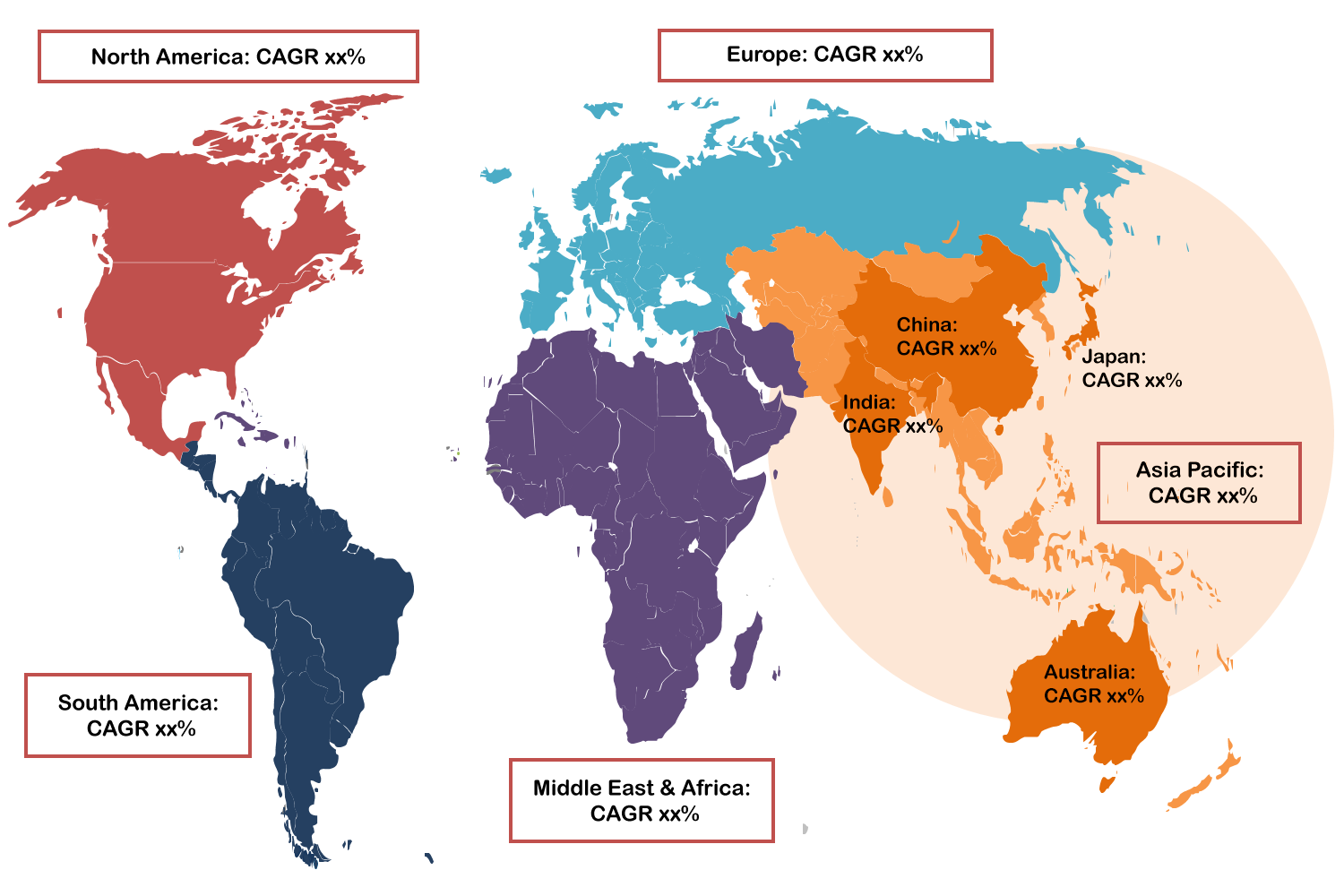
During the forecast period, the North America region is expected to hold the largest market share. This dominance is attributed to several factors, including advanced healthcare infrastructure, high prevalence of musculoskeletal and neurological disorders, and strong adoption of innovative medical technologies. The United States, in particular, leads the market due to substantial investments in healthcare research and development, a high rate of medical device utilization, and a well-established healthcare system that supports the use of advanced muscle stimulators. Additionally, the growing awareness of pain management and rehabilitation therapies among patients and healthcare providers further contributes to the region's leading position in the market.
Region with highest CAGR:
Over the forecast period, the Asia Pacific region is anticipated to exhibit the highest CAGR. This growth is primarily driven by increasing awareness of health and wellness, a rising adoption of pain management treatments, and the growing use of smart devices for maintaining health. Additionally, the region is witnessing a surge in sports-related injuries, further fueling the demand for muscle stimulators. Countries like India are expected to register significant growth due to expanding healthcare infrastructure and a large patient population seeking non-invasive therapeutic solutions. The combination of these factors positions Asia Pacific as the fastest-growing regional market for muscle stimulators.
Key players in the market
Some of the key players in Muscle Stimulators Market include Abbott Laboratories, AxioBionics, Beurer, BioMedical Life Systems, BTL, Chattanooga (DJO), Compex, EMS Physio, Enovis Corporation (DJO), GAMA Healthcare, Globus Corporation, Ito Physiotherapy & Rehabilitation, Liberate Medical, Mettler Electronics and NeuroMetrix.
Key Developments:
In February 2025, Globus Medical and Nevro Corp. announced they have entered into a definitive agreement for Globus Medical to acquire all shares of Nevro in an all-cash transaction. Under the terms of the agreement, which was unanimously approved by the boards of directors of both companies, Globus Medical will acquire all shares of Nevro for $5.85 per share.
In December 2024, Abbott Laboratories and DexCom said they have reached an agreement to settle all patent disputes between them related to continuous glucose monitoring devices. The agreement will dismiss all pending cases in courts and patent offices worldwide, along with a provision preventing legal action between the companies for patent and appearance disputes for the next 10 years.
In October 2024, PT Beurer Indonesia Technology, a subsidiary of German healthcare device manufacturer Beurer GmbH, has opened a factory at the Kendal Special Economic Zone (KEK) in Central Java, making it the first such production facility in Southeast Asia. The company’s decision to expand to Indonesia was formalized, when Beurer signed an investment agreement with KEK Kendal at the Hannover Messe event in Germany.
Product Types Covered:
• Transcutaneous Electrical Nerve Stimulation (TENS)
• Functional Electrical Stimulation (FES)
• Electrical Muscle Stimulation (EMS)
• Neuromuscular Electrical Stimulation (NMES)
Modalities Covered:
• Portable/Bench-top Systems
• Handheld Devices
Technologies Covered:
• Analog
• Digital
• Wireless / Smart-integrated
Applications Covered:
• Pain Management
• Rehabilitation
• Muscle Strengthening
• Athletic Performance Enhancement
End Users Covered:
• Hospitals
• Physiotherapy Clinics
• Home Care Settings
• Sports Clinics / Athletic Centers
Regions Covered:
• North America
o US
o Canada
o Mexico
• Europe
o Germany
o UK
o Italy
o France
o Spain
o Rest of Europe
• Asia Pacific
o Japan
o China
o India
o Australia
o New Zealand
o South Korea
o Rest of Asia Pacific
• South America
o Argentina
o Brazil
o Chile
o Rest of South America
• Middle East & Africa
o Saudi Arabia
o UAE
o Qatar
o South Africa
o Rest of Middle East & Africa
What our report offers:
- Market share assessments for the regional and country-level segments
- Strategic recommendations for the new entrants
- Covers Market data for the years 2024, 2025, 2026, 2028, and 2032
- Market Trends (Drivers, Constraints, Opportunities, Threats, Challenges, Investment Opportunities, and recommendations)
- Strategic recommendations in key business segments based on the market estimations
- Competitive landscaping mapping the key common trends
- Company profiling with detailed strategies, financials, and recent developments
- Supply chain trends mapping the latest technological advancements
Free Customization Offerings:
All the customers of this report will be entitled to receive one of the following free customization options:
• Company Profiling
o Comprehensive profiling of additional market players (up to 3)
o SWOT Analysis of key players (up to 3)
• Regional Segmentation
o Market estimations, Forecasts and CAGR of any prominent country as per the client's interest (Note: Depends on feasibility check)
• Competitive Benchmarking
o Benchmarking of key players based on product portfolio, geographical presence, and strategic alliances
Table of Contents
1 Executive Summary
2 Preface
2.1 Abstract
2.2 Stake Holders
2.3 Research Scope
2.4 Research Methodology
2.4.1 Data Mining
2.4.2 Data Analysis
2.4.3 Data Validation
2.4.4 Research Approach
2.5 Research Sources
2.5.1 Primary Research Sources
2.5.2 Secondary Research Sources
2.5.3 Assumptions
3 Market Trend Analysis
3.1 Introduction
3.2 Drivers
3.3 Restraints
3.4 Opportunities
3.5 Threats
3.6 Product Analysis
3.7 Technology Analysis
3.8 Application Analysis
3.9 End User Analysis
3.10 Emerging Markets
3.11 Impact of Covid-19
4 Porters Five Force Analysis
4.1 Bargaining power of suppliers
4.2 Bargaining power of buyers
4.3 Threat of substitutes
4.4 Threat of new entrants
4.5 Competitive rivalry
5 Global Muscle Stimulators Market, By Product Type
5.1 Introduction
5.2 Transcutaneous Electrical Nerve Stimulation (TENS)
5.3 Functional Electrical Stimulation (FES)
5.4 Electrical Muscle Stimulation (EMS)
5.5 Neuromuscular Electrical Stimulation (NMES)
6 Global Muscle Stimulators Market, By Modality
6.1 Introduction
6.2 Portable/Bench-top Systems
6.3 Handheld Devices
7 Global Muscle Stimulators Market, By Technology
7.1 Introduction
7.2 Analog
7.3 Digital
7.4 Wireless / Smart-integrated
8 Global Muscle Stimulators Market, By Application
8.1 Introduction
8.2 Pain Management
8.3 Rehabilitation
8.4 Muscle Strengthening
8.5 Athletic Performance Enhancement
9 Global Muscle Stimulators Market, By End User
9.1 Introduction
9.2 Hospitals
9.3 Physiotherapy Clinics
9.4 Home Care Settings
9.5 Sports Clinics / Athletic Centers
10 Global Muscle Stimulators Market, By Geography
10.1 Introduction
10.2 North America
10.2.1 US
10.2.2 Canada
10.2.3 Mexico
10.3 Europe
10.3.1 Germany
10.3.2 UK
10.3.3 Italy
10.3.4 France
10.3.5 Spain
10.3.6 Rest of Europe
10.4 Asia Pacific
10.4.1 Japan
10.4.2 China
10.4.3 India
10.4.4 Australia
10.4.5 New Zealand
10.4.6 South Korea
10.4.7 Rest of Asia Pacific
10.5 South America
10.5.1 Argentina
10.5.2 Brazil
10.5.3 Chile
10.5.4 Rest of South America
10.6 Middle East & Africa
10.6.1 Saudi Arabia
10.6.2 UAE
10.6.3 Qatar
10.6.4 South Africa
10.6.5 Rest of Middle East & Africa
11 Key Developments
11.1 Agreements, Partnerships, Collaborations and Joint Ventures
11.2 Acquisitions & Mergers
11.3 New Product Launch
11.4 Expansions
11.5 Other Key Strategies
12 Company Profiling
12.1 Abbott Laboratories
12.2 AxioBionics
12.3 Beurer
12.4 BioMedical Life Systems
12.5 BTL
12.6 Chattanooga (DJO)
12.7 Compex
12.8 EMS Physio
12.9 Enovis Corporation (DJO)
12.10 GAMA Healthcare
12.11 Globus Corporation
12.12 Ito Physiotherapy & Rehabilitation
12.13 Liberate Medical
12.14 Mettler Electronics
12.15 NeuroMetrix
List of Tables
1 Global Muscle Stimulators Market Outlook, By Region (2024-2032) ($MN)
2 Global Muscle Stimulators Market Outlook, By Product Type (2024-2032) ($MN)
3 Global Muscle Stimulators Market Outlook, By Transcutaneous Electrical Nerve Stimulation (TENS) (2024-2032) ($MN)
4 Global Muscle Stimulators Market Outlook, By Functional Electrical Stimulation (FES) (2024-2032) ($MN)
5 Global Muscle Stimulators Market Outlook, By Electrical Muscle Stimulation (EMS) (2024-2032) ($MN)
6 Global Muscle Stimulators Market Outlook, By Neuromuscular Electrical Stimulation (NMES) (2024-2032) ($MN)
7 Global Muscle Stimulators Market Outlook, By Modality (2024-2032) ($MN)
8 Global Muscle Stimulators Market Outlook, By Portable/Bench-top Systems (2024-2032) ($MN)
9 Global Muscle Stimulators Market Outlook, By Handheld Devices (2024-2032) ($MN)
10 Global Muscle Stimulators Market Outlook, By Technology (2024-2032) ($MN)
11 Global Muscle Stimulators Market Outlook, By Analog (2024-2032) ($MN)
12 Global Muscle Stimulators Market Outlook, By Digital (2024-2032) ($MN)
13 Global Muscle Stimulators Market Outlook, By Wireless / Smart-integrated (2024-2032) ($MN)
14 Global Muscle Stimulators Market Outlook, By Application (2024-2032) ($MN)
15 Global Muscle Stimulators Market Outlook, By Pain Management (2024-2032) ($MN)
16 Global Muscle Stimulators Market Outlook, By Rehabilitation (2024-2032) ($MN)
17 Global Muscle Stimulators Market Outlook, By Muscle Strengthening (2024-2032) ($MN)
18 Global Muscle Stimulators Market Outlook, By Athletic Performance Enhancement (2024-2032) ($MN)
19 Global Muscle Stimulators Market Outlook, By End User (2024-2032) ($MN)
20 Global Muscle Stimulators Market Outlook, By Hospitals (2024-2032) ($MN)
21 Global Muscle Stimulators Market Outlook, By Physiotherapy Clinics (2024-2032) ($MN)
22 Global Muscle Stimulators Market Outlook, By Home Care Settings (2024-2032) ($MN)
23 Global Muscle Stimulators Market Outlook, By Sports Clinics / Athletic Centers (2024-2032) ($MN)
Note: Tables for North America, Europe, APAC, South America, and Middle East & Africa Regions are also represented in the same manner as above.
List of Figures
RESEARCH METHODOLOGY

We at ‘Stratistics’ opt for an extensive research approach which involves data mining, data validation, and data analysis. The various research sources include in-house repository, secondary research, competitor’s sources, social media research, client internal data, and primary research.
Our team of analysts prefers the most reliable and authenticated data sources in order to perform the comprehensive literature search. With access to most of the authenticated data bases our team highly considers the best mix of information through various sources to obtain extensive and accurate analysis.
Each report takes an average time of a month and a team of 4 industry analysts. The time may vary depending on the scope and data availability of the desired market report. The various parameters used in the market assessment are standardized in order to enhance the data accuracy.
Data Mining
The data is collected from several authenticated, reliable, paid and unpaid sources and is filtered depending on the scope & objective of the research. Our reports repository acts as an added advantage in this procedure. Data gathering from the raw material suppliers, distributors and the manufacturers is performed on a regular basis, this helps in the comprehensive understanding of the products value chain. Apart from the above mentioned sources the data is also collected from the industry consultants to ensure the objective of the study is in the right direction.
Market trends such as technological advancements, regulatory affairs, market dynamics (Drivers, Restraints, Opportunities and Challenges) are obtained from scientific journals, market related national & international associations and organizations.
Data Analysis
From the data that is collected depending on the scope & objective of the research the data is subjected for the analysis. The critical steps that we follow for the data analysis include:
- Product Lifecycle Analysis
- Competitor analysis
- Risk analysis
- Porters Analysis
- PESTEL Analysis
- SWOT Analysis
The data engineering is performed by the core industry experts considering both the Marketing Mix Modeling and the Demand Forecasting. The marketing mix modeling makes use of multiple-regression techniques to predict the optimal mix of marketing variables. Regression factor is based on a number of variables and how they relate to an outcome such as sales or profits.
Data Validation
The data validation is performed by the exhaustive primary research from the expert interviews. This includes telephonic interviews, focus groups, face to face interviews, and questionnaires to validate our research from all aspects. The industry experts we approach come from the leading firms, involved in the supply chain ranging from the suppliers, distributors to the manufacturers and consumers so as to ensure an unbiased analysis.
We are in touch with more than 15,000 industry experts with the right mix of consultants, CEO's, presidents, vice presidents, managers, experts from both supply side and demand side, executives and so on.
The data validation involves the primary research from the industry experts belonging to:
- Leading Companies
- Suppliers & Distributors
- Manufacturers
- Consumers
- Industry/Strategic Consultants
Apart from the data validation the primary research also helps in performing the fill gap research, i.e. providing solutions for the unmet needs of the research which helps in enhancing the reports quality.
For more details about research methodology, kindly write to us at info@strategymrc.com
Frequently Asked Questions
In case of any queries regarding this report, you can contact the customer service by filing the “Inquiry Before Buy” form available on the right hand side. You may also contact us through email: info@strategymrc.com or phone: +1-301-202-5929
Yes, the samples are available for all the published reports. You can request them by filling the “Request Sample” option available in this page.
Yes, you can request a sample with your specific requirements. All the customized samples will be provided as per the requirement with the real data masked.
All our reports are available in Digital PDF format. In case if you require them in any other formats, such as PPT, Excel etc you can submit a request through “Inquiry Before Buy” form available on the right hand side. You may also contact us through email: info@strategymrc.com or phone: +1-301-202-5929
We offer a free 15% customization with every purchase. This requirement can be fulfilled for both pre and post sale. You may send your customization requirements through email at info@strategymrc.com or call us on +1-301-202-5929.
We have 3 different licensing options available in electronic format.
- Single User Licence: Allows one person, typically the buyer, to have access to the ordered product. The ordered product cannot be distributed to anyone else.
- 2-5 User Licence: Allows the ordered product to be shared among a maximum of 5 people within your organisation.
- Corporate License: Allows the product to be shared among all employees of your organisation regardless of their geographical location.
All our reports are typically be emailed to you as an attachment.
To order any available report you need to register on our website. The payment can be made either through CCAvenue or PayPal payments gateways which accept all international cards.
We extend our support to 6 months post sale. A post sale customization is also provided to cover your unmet needs in the report.
Request Customization
We offer complimentary customization of up to 15% with every purchase. To share your customization requirements, feel free to email us at info@strategymrc.com or call us on +1-301-202-5929. .
Please Note: Customization within the 15% threshold is entirely free of charge. If your request exceeds this limit, we will conduct a feasibility assessment. Following that, a detailed quote and timeline will be provided.
WHY CHOOSE US ?

Assured Quality
Best in class reports with high standard of research integrity

24X7 Research Support
Continuous support to ensure the best customer experience.

Free Customization
Adding more values to your product of interest.

Safe & Secure Access
Providing a secured environment for all online transactions.

Trusted by 600+ Brands
Serving the most reputed brands across the world.
