
Neurocosmetics Market
Neurocosmetics Market Forecasts to 2034 – Global Analysis By Product Type (Neuropeptide-Based Cosmetics, Sensory-Modulating Botanical Cosmetics, Cooling-Sensation Cosmetics, Warming-Sensation Cosmetics and Stress-Response Skincare), Product Form, Application, Distribution Channel, End User, Skin Type and By Geography

Market Dynamics:
Driver:
Rising Neurosensory Skincare Interest
Consumers are increasingly aware that skin reactivity is linked to sensory and stress pathways, which encourages interest in formulations that calm discomfort rather than only moisturize. Brands highlight neuropeptide and botanical actives in premium serums and creams, supported by influencer education and dermatology commentary. This positioning supports higher price points and repeat purchase among buyers seeking gentle, soothing routines, thereby expanding shelf presence across specialty retail and e-commerce channels in developed markets.
Restraint:
Limited Clinical Validation
Independent clinical evidence linking topical neuropeptides to measurable sensory outcomes remains limited, which makes dermatologists cautious about recommending these formulations over established soothing actives. Claims referencing neurotransmitter modulation attract regulatory scrutiny in several markets, raising compliance costs and slowing launches. Without robust comparative trials, brands struggle to defend premium pricing, and skeptical consumers may revert to conventional barrier products, thereby constraining category expansion beyond early adopters and specialist channels.
Opportunity:
Sensitive Skin Demand
Growing prevalence of self-reported sensitive skin creates opportunity for neurocosmetic products positioned as gentle alternatives to strong actives. Pharmacy and dermatology channels provide credible platforms for education, while cooling and warming formats offer tangible sensory cues that reinforce perceived efficacy. Brands that pair neuropeptides with ceramides and panthenol can address redness and tightness without irritation. As consumers simplify routines, clear sensitive-skin identity supports premium pricing and durable loyalty across pharmacy and specialty retail channels.
Threat:
Substitution by Barrier Products
Established barrier creams containing ceramides, panthenol, and colloidal oatmeal deliver soothing benefits at lower cost and with broader clinical familiarity, which reduces willingness to pay premiums for neurocosmetic positioning. Many consumers perceive these conventional products as sufficient for reactive skin. If mainstream brands add sensory-comfort claims to existing barrier lines, neurocosmetic serums may struggle to differentiate, and brands must substantiate unique neurosensory benefits to defend shelf space and pricing.
Covid-19 Impact:
The pandemic heightened attention to skin reactivity as mask-wearing increased irritation and discomfort. During the crisis, consumers shifted toward soothing, fragrance-free formulations and researched sensory skincare online, supporting early neurocosmetic trial. Post-pandemic, sustained interest in gentle, stress-focused routines has reinforced demand, while brands expanded e-commerce distribution and clinical substantiation to support premium positioning across pharmacy and specialty retail channels globally.
The Neuropeptide-Based Cosmetics segment is expected to be the largest during the forecast period
The Neuropeptide-Based Cosmetics segment is expected to account for the largest market share during the forecast period, due to their direct positioning around sensory comfort and skin reactivity, which appeals to consumers seeking gentle alternatives to strong actives. These formulations feature prominently in premium serums and creams sold through specialty retail and dermatology channels, while brand education reinforces perceived efficacy. As sensitive-skin concerns grow, neuropeptide-based products remain the category anchor, thereby sustaining leading revenue share across the market.
The Serums segment is expected to have the highest CAGR during the forecast period
Over the forecast period, the Serums segment is predicted to witness the highest growth rate, driven by consumer preference for lightweight, fast-absorbing formats that deliver concentrated actives beneath moisturizers. Serums support layering within multi-step routines and allow brands to highlight neuropeptide concentration at premium price points. As formulators improve stability and sensory texture, serum launches multiply across brand-owned e-commerce and specialty retail, making this the fastest-growing product form segment in the category.
Region with largest share:
During the forecast period, the North America region is expected to hold the largest market share, due to high premium skincare spending, strong dermatology infrastructure, and consumer familiarity with neuroscience-inspired positioning. The United States dominates regional revenue, supported by specialty retailers and brands investing in clinical substantiation. Active venture funding for sensitive-skin startups and rapid direct-to-consumer adoption further reinforce the region's leading position in neurocosmetics, while pharmacy chains provide credible platforms for education and trial.
Region with highest CAGR:
Over the forecast period, the Asia Pacific region is anticipated to exhibit the highest CAGR, due to deeply embedded multi-step routines, rising sensitive-skin concerns, and rapid premiumization across South Korea, China, Japan, and India. Consumers readily adopt soothing serums and creams, while local brands and contract manufacturers expand neuropeptide formulation capability. Growing pharmacy and e-commerce availability, combined with dermatology education programs, makes Asia Pacific the fastest-growing regional market for neurocosmetics.
Key players in the market
Some of the key players in Neurocosmetics Market include L'Oreal S.A., The Estee Lauder Companies Inc., Beiersdorf AG, Shiseido Company, Limited, Unilever PLC, The Procter & Gamble Company, Kao Corporation, Kenvue Inc., Amorepacific Corporation, LG H&H Co., Ltd., Coty Inc., Natura &Co, Edgewell Personal Care Company, Galderma Group AG, Pierre Fabre Laboratories, and Rohto Pharmaceutical Co., Ltd.
Key Developments:
In October 2026, L'Oreal S.A. launched a neuropeptide serum positioned for sensory comfort and barrier support, supported by dermatological tolerance testing and distributed through specialty retailers and brand-owned e-commerce across European and North American markets.
In September 2026, Beiersdorf AG expanded its soothing skincare range with cooling-sensation gels and creams formulated for reactive skin, supported by clinical education programs and distributed through pharmacies and medical spa channels across European markets.
In August 2026, Amorepacific Corporation introduced sensory-modulating botanical masks and serums designed for stress-response skincare, distributed through specialty retailers and online marketplaces with digital education campaigns across South Korea and Southeast Asia.
Product Types Covered:
· Neuropeptide-Based Cosmetics
· Sensory-Modulating Botanical Cosmetics
· Cooling-Sensation Cosmetics
· Warming-Sensation Cosmetics
· Stress-Response Skincare
Product Forms Covered:
· Serums
· Creams
· Lotions
· Gels
· Masks
Applications Covered:
· Skin Hydration
· Barrier Comfort
· Fine Line Appearance
· Skin Texture
· Visible Radiance
· Environmental Stress Protection
Distribution Channels Covered:
· Brand-Owned E-Commerce
· Online Marketplaces
· Pharmacies and Drugstores
· Specialty Retailers
End Users Covered:
· Individual Consumers
· Dermatology Clinics
· Medical Spas
· Beauty Salons
· Professional Aestheticians
· Skincare Subscription Providers
Skin Types Covered:
· Dry Skin
· Oily Skin
· Combination Skin
Regions Covered:
North America
United States
Canada
Mexico
Europe
United Kingdom
Germany
France
Italy
Spain
Netherlands
Belgium
Sweden
Switzerland
Poland
Rest of Europe
Asia Pacific
China
Japan
India
South Korea
Australia
Indonesia
Thailand
Malaysia
Singapore
Vietnam
Rest of Asia Pacific
South America
Brazil
Argentina
Colombia
Chile
Peru
Rest of South America
Rest of the World (RoW)
Middle East
Saudi Arabia
United Arab Emirates
Qatar
Israel
Rest of Middle East
Africa
South Africa
Egypt
Morocco
Rest of Africa
What our report offers:
- Market share assessments for the regional and country-level segments
- Strategic recommendations for the new entrants
- Covers Market data for the years 2023, 2024, 2025, 2026, 2027, 2028, 2030, 2032 and 2034
- Market Trends (Drivers, Constraints, Opportunities, Threats, Challenges, Investment Opportunities, and recommendations)
- Strategic recommendations in key business segments based on the market estimations
- Competitive landscaping mapping the key common trends
- Company profiling with detailed strategies, financials, and recent developments
- Supply chain trends mapping the latest technological advancements
Free Customization Offerings:
All the customers of this report will be entitled to receive one of the following free customization options:
Company Profiling
Comprehensive profiling of additional market players (up to 3)
SWOT Analysis of key players (up to 3)
Regional Segmentation
Market estimations, Forecasts and CAGR of any prominent country as per the client's interest (Note: Depends on feasibility check)
Competitive Benchmarking
Benchmarking of key players based on product portfolio, geographical presence, and strategic alliances
Table of Contents
1 Executive Summary1.1 Market Snapshot and Key Highlights
1.2 Growth Drivers, Challenges, and Opportunities
1.3 Competitive Landscape Overview
1.4 Strategic Insights and Recommendations
2 Research Framework
2.1 Study Objectives and Scope
2.2 Stakeholder Analysis
2.3 Research Assumptions and Limitations
2.4 Research Methodology
2.4.1 Data Collection (Primary and Secondary)
2.4.2 Data Modeling and Estimation Techniques
2.4.3 Data Validation and Triangulation
2.4.4 Analytical and Forecasting Approach
3 Market Dynamics and Trend Analysis
3.1 Market Definition and Structure
3.2 Key Market Drivers
3.3 Market Restraints and Challenges
3.4 Growth Opportunities and Investment Hotspots
3.5 Industry Threats and Risk Assessment
3.6 Technology and Innovation Landscape
3.7 Emerging and High-Growth Markets
3.8 Regulatory and Policy Environment
3.9 Impact of COVID-19 and Recovery Outlook
4 Competitive and Strategic Assessment
4.1 Porter's Five Forces Analysis
4.1.1 Supplier Bargaining Power
4.1.2 Buyer Bargaining Power
4.1.3 Threat of Substitutes
4.1.4 Threat of New Entrants
4.1.5 Competitive Rivalry
4.2 Market Share Analysis of Key Players
4.3 Product Benchmarking and Performance Comparison
5 Global Neurocosmetics Market, By Product Type
5.1 Neuropeptide-Based Cosmetics
5.2 Sensory-Modulating Botanical Cosmetics
5.3 Cooling-Sensation Cosmetics
5.4 Warming-Sensation Cosmetics
5.5 Stress-Response Skincare
6 Global Neurocosmetics Market, By Product Form
6.1 Serums
6.2 Creams
6.3 Lotions
6.4 Gels
6.5 Masks
7 Global Neurocosmetics Market, By Application
7.1 Skin Hydration
7.2 Barrier Comfort
7.3 Fine Line Appearance
7.4 Skin Texture
7.5 Visible Radiance
7.6 Environmental Stress Protection
8 Global Neurocosmetics Market, By Distribution Channel
8.1 Brand-Owned E-Commerce
8.2 Online Marketplaces
8.3 Pharmacies and Drugstores
8.4 Specialty Retailers
9 Global Neurocosmetics Market, By End User
9.1 Individual Consumers
9.2 Dermatology Clinics
9.3 Medical Spas
9.4 Beauty Salons
9.5 Professional Aestheticians
9.6 Skincare Subscription Providers
10 Global Neurocosmetics Market, By Skin Type
10.1 Dry Skin
10.2 Oily Skin
10.3 Combination Skin
11 Global Neurocosmetics Market, By Geography
11.1 North America
11.1.1 United States
11.1.2 Canada
11.1.3 Mexico
11.2 Europe
11.2.1 United Kingdom
11.2.2 Germany
11.2.3 France
11.2.4 Italy
11.2.5 Spain
11.2.6 Netherlands
11.2.7 Belgium
11.2.8 Sweden
11.2.9 Switzerland
11.2.10 Poland
11.2.11 Rest of Europe
11.3 Asia Pacific
11.3.1 China
11.3.2 Japan
11.3.3 India
11.3.4 South Korea
11.3.5 Australia
11.3.6 Indonesia
11.3.7 Thailand
11.3.8 Malaysia
11.3.9 Singapore
11.3.10 Vietnam
11.3.11 Rest of Asia Pacific
11.4 South America
11.4.1 Brazil
11.4.2 Argentina
11.4.3 Colombia
11.4.4 Chile
11.4.5 Peru
11.4.6 Rest of South America
11.5 Rest of the World (RoW)
11.5.1 Middle East
11.5.1.1 Saudi Arabia
11.5.1.2 United Arab Emirates
11.5.1.3 Qatar
11.5.1.4 Israel
11.5.1.5 Rest of Middle East
11.5.2 Africa
11.5.2.1 South Africa
11.5.2.2 Egypt
11.5.2.3 Morocco
11.5.2.4 Rest of Africa
12 Strategic Market Intelligence
12.1 Industry Value Network and Supply Chain Assessment
12.2 White-Space and Opportunity Mapping
12.3 Product Evolution and Market Life Cycle Analysis
12.4 Channel, Distributor, and Go-to-Market Assessment
13 Industry Developments and Strategic Initiatives
13.1 Mergers and Acquisitions
13.2 Partnerships, Alliances, and Joint Ventures
13.3 New Product Launches and Certifications
13.4 Capacity Expansion and Investments
13.5 Other Strategic Initiatives
14 Company Profiling
14.1 L'Oreal S.A.
14.2 The Estee Lauder Companies Inc.
14.3 Beiersdorf AG
14.4 Shiseido Company, Limited
14.5 Unilever PLC
14.6 The Procter & Gamble Company
14.7 Kao Corporation
14.8 Kenvue Inc.
14.9 Amorepacific Corporation
14.10 LG H&H Co., Ltd.
14.11 Coty Inc.
14.12 Natura &Co
14.13 Edgewell Personal Care Company
14.14 Galderma Group AG
14.15 Pierre Fabre Laboratories
14.16 Rohto Pharmaceutical Co., Ltd.
List of Tables
1 Global Neurocosmetics Market Outlook, By Region (2023-2034) ($MN)
2 Global Neurocosmetics Market Outlook, By Product Type (2023-2034) ($MN)
3 Global Neurocosmetics Market Outlook, By Neuropeptide-Based Cosmetics (2023-2034) ($MN)
4 Global Neurocosmetics Market Outlook, By Sensory-Modulating Botanical Cosmetics (2023-2034) ($MN)
5 Global Neurocosmetics Market Outlook, By Cooling-Sensation Cosmetics (2023-2034) ($MN)
6 Global Neurocosmetics Market Outlook, By Warming-Sensation Cosmetics (2023-2034) ($MN)
7 Global Neurocosmetics Market Outlook, By Stress-Response Skincare (2023-2034) ($MN)
8 Global Neurocosmetics Market Outlook, By Product Form (2023-2034) ($MN)
9 Global Neurocosmetics Market Outlook, By Serums (2023-2034) ($MN)
10 Global Neurocosmetics Market Outlook, By Creams (2023-2034) ($MN)
11 Global Neurocosmetics Market Outlook, By Lotions (2023-2034) ($MN)
12 Global Neurocosmetics Market Outlook, By Gels (2023-2034) ($MN)
13 Global Neurocosmetics Market Outlook, By Masks (2023-2034) ($MN)
14 Global Neurocosmetics Market Outlook, By Application (2023-2034) ($MN)
15 Global Neurocosmetics Market Outlook, By Skin Hydration (2023-2034) ($MN)
16 Global Neurocosmetics Market Outlook, By Barrier Comfort (2023-2034) ($MN)
17 Global Neurocosmetics Market Outlook, By Fine Line Appearance (2023-2034) ($MN)
18 Global Neurocosmetics Market Outlook, By Skin Texture (2023-2034) ($MN)
19 Global Neurocosmetics Market Outlook, By Visible Radiance (2023-2034) ($MN)
20 Global Neurocosmetics Market Outlook, By Environmental Stress Protection (2023-2034) ($MN)
21 Global Neurocosmetics Market Outlook, By Distribution Channel (2023-2034) ($MN)
22 Global Neurocosmetics Market Outlook, By Brand-Owned E-Commerce (2023-2034) ($MN)
23 Global Neurocosmetics Market Outlook, By Online Marketplaces (2023-2034) ($MN)
24 Global Neurocosmetics Market Outlook, By Pharmacies and Drugstores (2023-2034) ($MN)
25 Global Neurocosmetics Market Outlook, By Specialty Retailers (2023-2034) ($MN)
26 Global Neurocosmetics Market Outlook, By End User (2023-2034) ($MN)
27 Global Neurocosmetics Market Outlook, By Individual Consumers (2023-2034) ($MN)
28 Global Neurocosmetics Market Outlook, By Dermatology Clinics (2023-2034) ($MN)
29 Global Neurocosmetics Market Outlook, By Medical Spas (2023-2034) ($MN)
30 Global Neurocosmetics Market Outlook, By Beauty Salons (2023-2034) ($MN)
31 Global Neurocosmetics Market Outlook, By Professional Aestheticians (2023-2034) ($MN)
32 Global Neurocosmetics Market Outlook, By Skincare Subscription Providers (2023-2034) ($MN)
33 Global Neurocosmetics Market Outlook, By Skin Type (2023-2034) ($MN)
34 Global Neurocosmetics Market Outlook, By Dry Skin (2023-2034) ($MN)
35 Global Neurocosmetics Market Outlook, By Oily Skin (2023-2034) ($MN)
36 Global Neurocosmetics Market Outlook, By Combination Skin (2023-2034) ($MN)
Note: Tables for North America, Europe, APAC, South America, and Rest of the World (RoW) Regions are also represented in the same manner as above.
List of Figures
RESEARCH METHODOLOGY
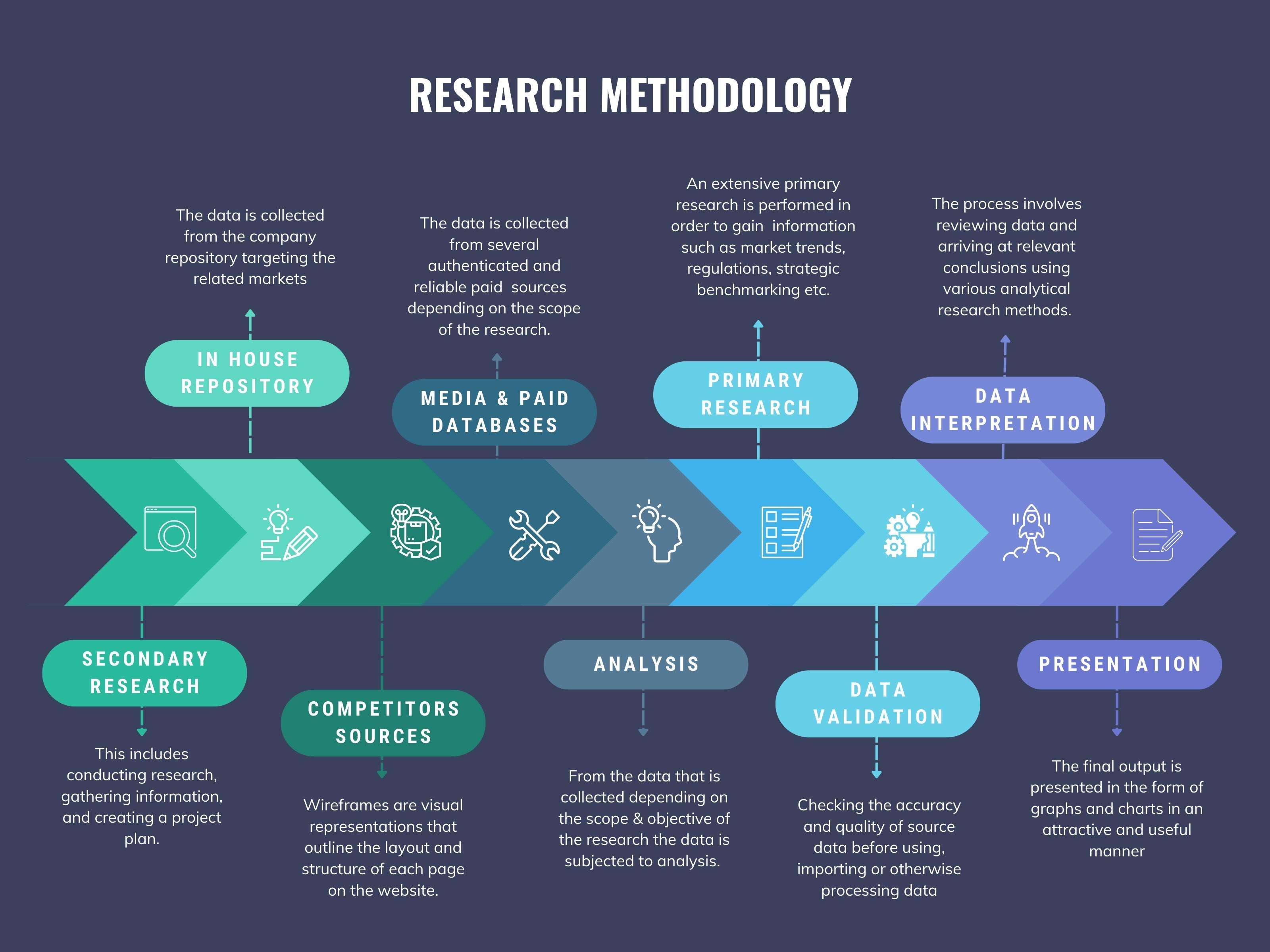
We at ‘Stratistics’ opt for an extensive research approach which involves data mining, data validation, and data analysis. The various research sources include in-house repository, secondary research, competitor’s sources, social media research, client internal data, and primary research.
Our team of analysts prefers the most reliable and authenticated data sources in order to perform the comprehensive literature search. With access to most of the authenticated data bases our team highly considers the best mix of information through various sources to obtain extensive and accurate analysis.
Each report takes an average time of a month and a team of 4 industry analysts. The time may vary depending on the scope and data availability of the desired market report. The various parameters used in the market assessment are standardized in order to enhance the data accuracy.
Data Mining
The data is collected from several authenticated, reliable, paid and unpaid sources and is filtered depending on the scope & objective of the research. Our reports repository acts as an added advantage in this procedure. Data gathering from the raw material suppliers, distributors and the manufacturers is performed on a regular basis, this helps in the comprehensive understanding of the products value chain. Apart from the above mentioned sources the data is also collected from the industry consultants to ensure the objective of the study is in the right direction.
Market trends such as technological advancements, regulatory affairs, market dynamics (Drivers, Restraints, Opportunities and Challenges) are obtained from scientific journals, market related national & international associations and organizations.
Data Analysis
From the data that is collected depending on the scope & objective of the research the data is subjected for the analysis. The critical steps that we follow for the data analysis include:
- Product Lifecycle Analysis
- Competitor analysis
- Risk analysis
- Porters Analysis
- PESTEL Analysis
- SWOT Analysis
The data engineering is performed by the core industry experts considering both the Marketing Mix Modeling and the Demand Forecasting. The marketing mix modeling makes use of multiple-regression techniques to predict the optimal mix of marketing variables. Regression factor is based on a number of variables and how they relate to an outcome such as sales or profits.
Data Validation
The data validation is performed by the exhaustive primary research from the expert interviews. This includes telephonic interviews, focus groups, face to face interviews, and questionnaires to validate our research from all aspects. The industry experts we approach come from the leading firms, involved in the supply chain ranging from the suppliers, distributors to the manufacturers and consumers so as to ensure an unbiased analysis.
We are in touch with more than 15,000 industry experts with the right mix of consultants, CEO's, presidents, vice presidents, managers, experts from both supply side and demand side, executives and so on.
The data validation involves the primary research from the industry experts belonging to:
- Leading Companies
- Suppliers & Distributors
- Manufacturers
- Consumers
- Industry/Strategic Consultants
Apart from the data validation the primary research also helps in performing the fill gap research, i.e. providing solutions for the unmet needs of the research which helps in enhancing the reports quality.
For more details about research methodology, kindly write to us at info@strategymrc.com
Frequently Asked Questions
In case of any queries regarding this report, you can contact the customer service by filing the “Inquiry Before Buy” form available on the right hand side. You may also contact us through email: info@strategymrc.com or phone: +1-301-202-5929
Yes, the samples are available for all the published reports. You can request them by filling the “Request Sample” option available in this page.
Yes, you can request a sample with your specific requirements. All the customized samples will be provided as per the requirement with the real data masked.
All our reports are available in Digital PDF format. In case if you require them in any other formats, such as PPT, Excel etc you can submit a request through “Inquiry Before Buy” form available on the right hand side. You may also contact us through email: info@strategymrc.com or phone: +1-301-202-5929
We offer a free 15% customization with every purchase. This requirement can be fulfilled for both pre and post sale. You may send your customization requirements through email at info@strategymrc.com or call us on +1-301-202-5929.
We have 3 different licensing options available in electronic format.
- Single User Licence: Allows one person, typically the buyer, to have access to the ordered product. The ordered product cannot be distributed to anyone else.
- 2-5 User Licence: Allows the ordered product to be shared among a maximum of 5 people within your organisation.
- Corporate License: Allows the product to be shared among all employees of your organisation regardless of their geographical location.
All our reports are typically be emailed to you as an attachment.
To order any available report you need to register on our website. The payment can be made either through CCAvenue or PayPal payments gateways which accept all international cards.
We extend our support to 6 months post sale. A post sale customization is also provided to cover your unmet needs in the report.
Request Customization
We offer complimentary customization of up to 15% with every purchase. To share your customization requirements, feel free to email us at info@strategymrc.com or call us on +1-301-202-5929. .
Please Note: Customization within the 15% threshold is entirely free of charge. If your request exceeds this limit, we will conduct a feasibility assessment. Following that, a detailed quote and timeline will be provided.
WHY CHOOSE US ?

Assured Quality
Best in class reports with high standard of research integrity

24X7 Research Support
Continuous support to ensure the best customer experience.

Free Customization
Adding more values to your product of interest.

Safe & Secure Access
Providing a secured environment for all online transactions.

Trusted by 600+ Brands
Serving the most reputed brands across the world.