
Optical Materials Market
Optical Materials Market Forecasts to 2032 – Global Analysis By Product Type (Glass, Quartz, Polymers, Metals, Ceramics, Crystals, Silicone and Other Product Types), End User and By Geography

According to Stratistics MRC, the Global Optical Materials Market is accounted for $5.23 billion in 2025 and is expected to reach $8.85 billion by 2032 growing at a CAGR of 7.8% during the forecast period. Optical materials are substances that have been specially designed or chosen because of their capacity to control light through absorption, emission, transmission, reflection, and refraction. These substances are essential to many different technologies, such as display systems, lenses, lasers, and optical fibers. With their own optical characteristics, such as high transparency, particular refractive indices, or nonlinear optical responses, common optical materials include glasses, crystals, polymers, and semiconductors. Moreover, wavelength range, optical loss, mechanical strength, and thermal stability are some of the factors that influence the selection of an optical material, which makes them crucial parts of both commonplace devices and cutting-edge scientific instruments.
According to data from the International Society for Optics and Photonics (SPIE)—a leading professional association in optics and photonics—there are over 20,000 members worldwide actively engaged in research, engineering, education, and industry related to optical materials.
Market Dynamics:
Driver:
Increased consumer electronics demand
The need for high-performance optical materials has grown dramatically as a result of the quick spread of smartphones, tablets, smart watches, and augmented/virtual reality (AR/VR) devices. Lenses, camera modules, screens, biometric sensors, and protective covers are all made with these materials. High resolution, durability, and light transmission are achieved by using materials such as sapphire glass, optical-grade polymers, and specially coated thin films. Additionally, advanced optical materials are becoming more and more important as new features like LiDAR-based depth sensing, 3D facial recognition, and under-display fingerprint readers become commonplace.
Restraint:
Expensive advanced optical substances
The high cost of producing and acquiring advanced materials such as sapphire, germanium, and some nonlinear crystals is one of the main factors limiting the market for optical materials. Complex and energy-intensive fabrication techniques like crystal growth, high-temperature processing, or ultra-pure chemical synthesis are frequently needed to create these materials. For example, the production of gallium arsenide or single-crystal sapphire requires costly raw materials and extremely controlled conditions. Furthermore, pricing pressure frequently restricts the use of cutting-edge optical materials in developing or budget-constrained industries, which slows market growth.
Opportunity:
Optical material integration with lidar and automotive sensors
Advanced driver assistance systems (ADAS) and autonomous vehicle development represent yet another rapidly expanding market for optical materials. In LiDAR sensors, night vision systems, head-up displays, and camera-based navigation, optical components are essential. These devices all need materials that are thermally stable, optically transparent, and resilient to extreme outdoor environment conditions. Materials that are becoming more popular in automotive optics include sapphire windows, chalcogenide glass, and IR-transparent polymers. Moreover, optical material manufacturers have the chance to provide specialized solutions for automotive sensing requirements as regulations and consumer demand drive automakers toward safer, smarter vehicles.
Threat:
Geopolitical uncertainty and trade barriers
Geopolitical instability is one of the biggest risks to the market for optical materials, especially when it comes to nations that control the supply of vital raw materials. China, which holds a sizable portion of the global rare-earth supply chain, is the primary source of many high-performance optical materials, including rare-earth elements, high-purity quartz, and specialty glass additives. Political disputes, export restrictions, and trade tensions can all cause supply chain disruptions, raise the price of raw materials, and postpone production schedules. Additionally, large multinational corporations are not the only businesses affected by these risks; smaller businesses without strategic stockpiles or diversified sourcing strategies face significant obstacles.
Covid-19 Impact:
The COVID-19 pandemic caused short-term uncertainty in important industries like electronics, automotive, and aerospace; disrupted global supply chains; and delayed manufacturing, all of which had a mixed but significant effect on the market for optical materials. Lockdowns and decreased industrial activity caused raw material production and shipments, including high-purity silica and rare-earth elements, to slow down. This resulted in material shortages and price volatility. The pandemic did, however, also hasten digital transformation and remote communication, increasing demand for optically based technologies such as fiber-optic networks, medical imaging systems, and AR/VR. Particularly in the consumer electronics, telecom, and healthcare industries, this change helped partially offset the downturn.
The glass segment is expected to be the largest during the forecast period
The glass segment is expected to account for the largest market share during the forecast period. Glass continues to be the foundation of the optical materials industry because of its exceptional durability, high refractive precision, and optical clarity. Numerous crucial applications, including fiber-optic systems, optical windows, prisms, and precision lenses, make extensive use of it. Because of their low dispersion and thermal stability, glass materials are perfect for scientific equipment, telecommunications parts, and high-resolution imaging devices. Moreover, ultra-thin, flexible, and anti-reflective coated glass is examples of recent developments that have expanded their use in cutting-edge consumer electronics like AR/VR devices and smartphone cameras.
The aerospace & defense segment is expected to have the highest CAGR during the forecast period
Over the forecast period, the aerospace & defense segment is predicted to witness the highest growth rate. This expansion is fueled by rising international investment in space exploration, defense technologies, and sophisticated surveillance systems. Infrared imaging, high-precision laser targeting, missile guidance, satellite optics, and drone-based sensors are just a few of the applications that depend heavily on optical materials. These systems need materials like sapphire, chalcogenide glass, and specialty coatings that have exceptional mechanical durability, clarity at various wavelengths, and superior heat resistance. Additionally, high-performance optical components are becoming more and more in demand as geopolitical tensions increase and aerospace missions become more complex.
Region with largest share:
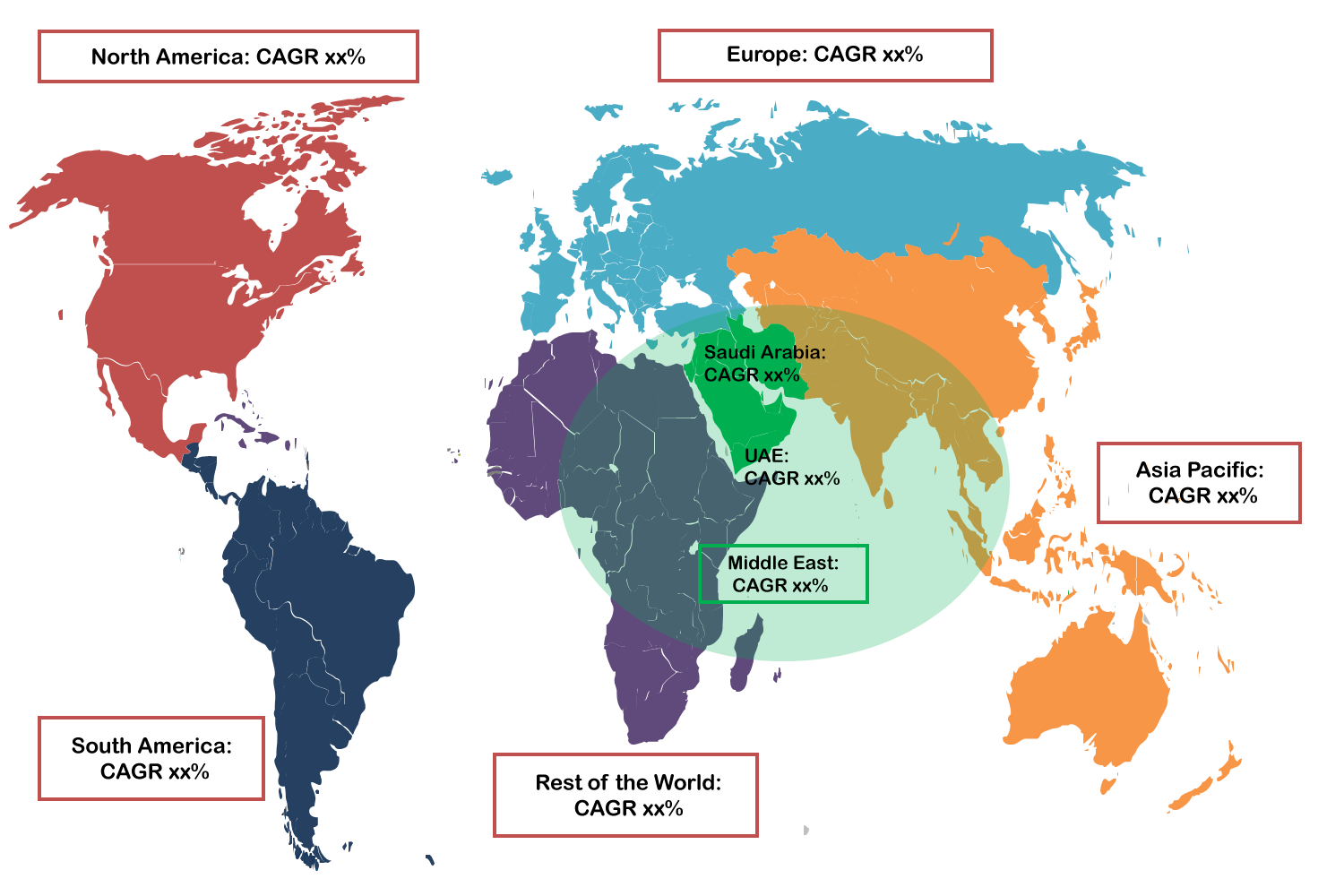
During the forecast period, the Asia-Pacific region is expected to hold the largest market share, mainly due to the robust presence of centers for the production of consumer electronics, the quick uptake of new technologies, and the growing telecommunications network. Global leaders in the production of semiconductor devices, fiber-optic components, smartphones, and display panels include China, Japan, South Korea, and Taiwan. These industries mainly rely on cutting-edge optical materials like glass, polymers, and photonic substrates. Regional demand is further increased by large government investments in smart cities, renewable energy technologies, and the rollout of 5G. Furthermore, Asia-Pacific is the leading region in the production and consumption of optical materials due to the availability of raw materials, skilled labor, and established supply chains.
Region with highest CAGR:
Over the forecast period, the Middle East & Africa (MEA) region is anticipated to exhibit the highest CAGR. This quick expansion is being fueled by rising investments in smart city projects, infrastructure development, and the use of cutting-edge technologies in renewable energy, telecommunications, and defense. Demand for high-performance optical components is being driven by nations like Saudi Arabia and the United Arab Emirates actively modernizing their defense systems and growing 5G networks. Moreover, solar energy projects and healthcare diagnostics—both of which depend on cutting-edge optical materials—are expanding in the area. MEA's growing industrial base and strategic investments make it the fastest-growing region in the optical materials landscape, despite the market's current smaller absolute size.
Key players in the market
Some of the key players in Optical Materials Market include Corning Incorporated, 3M Company, Schott AG, Fujifilm Holdings Corporation, Carl Zeiss AG, Nikon Corporation, Saint-Gobain S.A., AGC Inc., Dow Chemical Company, LG Chem, Mitsubishi Chemical Corporation, Sumitomo Chemical Co., Ltd., Canon Inc., Thorlabs, Inc. and Merck KGaA (Merck Group).
Key Developments:
In June 2025, Dow has announced an agreement to sell its 50% stake in DowAksa Advanced Composites Holdings BV to joint venture partner Aksa Akrilik Kimya Sanayii A.Ş. for $125 million. The transaction reflects an enterprise value of approximately 10x the estimated 2025 operating EBITDA. The joint venture, established in 2012, is being divested as part of Dow's strategy to focus on core, high-value downstream businesses. The sale proceeds will support Dow's balanced capital allocation approach.
In May 2025, 3M has reached an agreement that resolves all legacy claims related to the Chambers Works site in Salem County, New Jersey, currently owned by The Chemours Company and, before that, by DuPont. In addition, the settlement extends to PFAS-related claims that the State of New Jersey and its departments have, or may in the future have, against 3M.
In April 2025, Nikon Corporation has announced the signing of a sponsored research agreement with Advanced Powders and Coatings Inc. (AP&C) and the University of Waterloo, Ontario, Canada. This agreement focuses on innovative repair capabilities for high-value aerospace components using titanium alloys.
Product Types Covered:
• Glass
• Quartz
• Polymers
• Metals
• Ceramics
• Crystals
• Silicone
• Other Product Types
End Users Covered:
• Consumer Electronics
• Telecommunications
• Automotive
• Optical Lenses and Optical Fibers
• Healthcare
• Energy
• Construction
• Aerospace & Defense
• Other End Users
Regions Covered:
• North America
o US
o Canada
o Mexico
• Europe
o Germany
o UK
o Italy
o France
o Spain
o Rest of Europe
• Asia Pacific
o Japan
o China
o India
o Australia
o New Zealand
o South Korea
o Rest of Asia Pacific
• South America
o Argentina
o Brazil
o Chile
o Rest of South America
• Middle East & Africa
o Saudi Arabia
o UAE
o Qatar
o South Africa
o Rest of Middle East & Africa
What our report offers:
- Market share assessments for the regional and country-level segments
- Strategic recommendations for the new entrants
- Covers Market data for the years 2024, 2025, 2026, 2028, and 2032
- Market Trends (Drivers, Constraints, Opportunities, Threats, Challenges, Investment Opportunities, and recommendations)
- Strategic recommendations in key business segments based on the market estimations
- Competitive landscaping mapping the key common trends
- Company profiling with detailed strategies, financials, and recent developments
- Supply chain trends mapping the latest technological advancements
Free Customization Offerings:
All the customers of this report will be entitled to receive one of the following free customization options:
• Company Profiling
o Comprehensive profiling of additional market players (up to 3)
o SWOT Analysis of key players (up to 3)
• Regional Segmentation
o Market estimations, Forecasts and CAGR of any prominent country as per the client's interest (Note: Depends on feasibility check)
• Competitive Benchmarking
o Benchmarking of key players based on product portfolio, geographical presence, and strategic alliances
Table of Contents
1 Executive Summary
2 Preface
2.1 Abstract
2.2 Stake Holders
2.3 Research Scope
2.4 Research Methodology
2.4.1 Data Mining
2.4.2 Data Analysis
2.4.3 Data Validation
2.4.4 Research Approach
2.5 Research Sources
2.5.1 Primary Research Sources
2.5.2 Secondary Research Sources
2.5.3 Assumptions
3 Market Trend Analysis
3.1 Introduction
3.2 Drivers
3.3 Restraints
3.4 Opportunities
3.5 Threats
3.6 Product Analysis
3.7 End User Analysis
3.8 Emerging Markets
3.9 Impact of Covid-19
4 Porters Five Force Analysis
4.1 Bargaining power of suppliers
4.2 Bargaining power of buyers
4.3 Threat of substitutes
4.4 Threat of new entrants
4.5 Competitive rivalry
5 Global Optical Materials Market, By Product Type
5.1 Introduction
5.2 Glass
5.3 Quartz
5.4 Polymers
5.5 Metals
5.6 Ceramics
5.7 Crystals
5.8 Silicone
5.9 Other Product Types
6 Global Optical Materials Market, By End User
6.1 Introduction
6.2 Consumer Electronics
6.3 Telecommunications
6.4 Automotive
6.5 Optical Lenses and Optical Fibers
6.6 Healthcare
6.7 Energy
6.8 Construction
6.9 Aerospace & Defense
6.10 Other End Users
7 Global Optical Materials Market, By Geography
7.1 Introduction
7.2 North America
7.2.1 US
7.2.2 Canada
7.2.3 Mexico
7.3 Europe
7.3.1 Germany
7.3.2 UK
7.3.3 Italy
7.3.4 France
7.3.5 Spain
7.3.6 Rest of Europe
7.4 Asia Pacific
7.4.1 Japan
7.4.2 China
7.4.3 India
7.4.4 Australia
7.4.5 New Zealand
7.4.6 South Korea
7.4.7 Rest of Asia Pacific
7.5 South America
7.5.1 Argentina
7.5.2 Brazil
7.5.3 Chile
7.5.4 Rest of South America
7.6 Middle East & Africa
7.6.1 Saudi Arabia
7.6.2 UAE
7.6.3 Qatar
7.6.4 South Africa
7.6.5 Rest of Middle East & Africa
8 Key Developments
8.1 Agreements, Partnerships, Collaborations and Joint Ventures
8.2 Acquisitions & Mergers
8.3 New Product Launch
8.4 Expansions
8.5 Other Key Strategies
9 Company Profiling
9.1 Corning Incorporated
9.2 3M Company
9.3 Schott AG
9.4 Fujifilm Holdings Corporation
9.5 Carl Zeiss AG
9.6 Nikon Corporation
9.7 Saint-Gobain S.A.
9.8 AGC Inc.
9.9 Dow Chemical Company
9.10 LG Chem
9.11 Mitsubishi Chemical Corporation
9.12 Sumitomo Chemical Co., Ltd.
9.13 Canon Inc.
9.14 Thorlabs, Inc.
9.15 Merck KGaA (Merck Group)
List of Tables
1 Global Optical Materials Market Outlook, By Region (2024-2032) ($MN)
2 Global Optical Materials Market Outlook, By Product Type (2024-2032) ($MN)
3 Global Optical Materials Market Outlook, By Glass (2024-2032) ($MN)
4 Global Optical Materials Market Outlook, By Quartz (2024-2032) ($MN)
5 Global Optical Materials Market Outlook, By Polymers (2024-2032) ($MN)
6 Global Optical Materials Market Outlook, By Metals (2024-2032) ($MN)
7 Global Optical Materials Market Outlook, By Ceramics (2024-2032) ($MN)
8 Global Optical Materials Market Outlook, By Crystals (2024-2032) ($MN)
9 Global Optical Materials Market Outlook, By Silicone (2024-2032) ($MN)
10 Global Optical Materials Market Outlook, By Other Product Types (2024-2032) ($MN)
11 Global Optical Materials Market Outlook, By End User (2024-2032) ($MN)
12 Global Optical Materials Market Outlook, By Consumer Electronics (2024-2032) ($MN)
13 Global Optical Materials Market Outlook, By Telecommunications (2024-2032) ($MN)
14 Global Optical Materials Market Outlook, By Automotive (2024-2032) ($MN)
15 Global Optical Materials Market Outlook, By Optical Lenses and Optical Fibers (2024-2032) ($MN)
16 Global Optical Materials Market Outlook, By Healthcare (2024-2032) ($MN)
17 Global Optical Materials Market Outlook, By Energy (2024-2032) ($MN)
18 Global Optical Materials Market Outlook, By Construction (2024-2032) ($MN)
19 Global Optical Materials Market Outlook, By Aerospace & Defense (2024-2032) ($MN)
20 Global Optical Materials Market Outlook, By Other End Users (2024-2032) ($MN)
21 North America Optical Materials Market Outlook, By Country (2024-2032) ($MN)
22 North America Optical Materials Market Outlook, By Product Type (2024-2032) ($MN)
23 North America Optical Materials Market Outlook, By Glass (2024-2032) ($MN)
24 North America Optical Materials Market Outlook, By Quartz (2024-2032) ($MN)
25 North America Optical Materials Market Outlook, By Polymers (2024-2032) ($MN)
26 North America Optical Materials Market Outlook, By Metals (2024-2032) ($MN)
27 North America Optical Materials Market Outlook, By Ceramics (2024-2032) ($MN)
28 North America Optical Materials Market Outlook, By Crystals (2024-2032) ($MN)
29 North America Optical Materials Market Outlook, By Silicone (2024-2032) ($MN)
30 North America Optical Materials Market Outlook, By Other Product Types (2024-2032) ($MN)
31 North America Optical Materials Market Outlook, By End User (2024-2032) ($MN)
32 North America Optical Materials Market Outlook, By Consumer Electronics (2024-2032) ($MN)
33 North America Optical Materials Market Outlook, By Telecommunications (2024-2032) ($MN)
34 North America Optical Materials Market Outlook, By Automotive (2024-2032) ($MN)
35 North America Optical Materials Market Outlook, By Optical Lenses and Optical Fibers (2024-2032) ($MN)
36 North America Optical Materials Market Outlook, By Healthcare (2024-2032) ($MN)
37 North America Optical Materials Market Outlook, By Energy (2024-2032) ($MN)
38 North America Optical Materials Market Outlook, By Construction (2024-2032) ($MN)
39 North America Optical Materials Market Outlook, By Aerospace & Defense (2024-2032) ($MN)
40 North America Optical Materials Market Outlook, By Other End Users (2024-2032) ($MN)
41 Europe Optical Materials Market Outlook, By Country (2024-2032) ($MN)
42 Europe Optical Materials Market Outlook, By Product Type (2024-2032) ($MN)
43 Europe Optical Materials Market Outlook, By Glass (2024-2032) ($MN)
44 Europe Optical Materials Market Outlook, By Quartz (2024-2032) ($MN)
45 Europe Optical Materials Market Outlook, By Polymers (2024-2032) ($MN)
46 Europe Optical Materials Market Outlook, By Metals (2024-2032) ($MN)
47 Europe Optical Materials Market Outlook, By Ceramics (2024-2032) ($MN)
48 Europe Optical Materials Market Outlook, By Crystals (2024-2032) ($MN)
49 Europe Optical Materials Market Outlook, By Silicone (2024-2032) ($MN)
50 Europe Optical Materials Market Outlook, By Other Product Types (2024-2032) ($MN)
51 Europe Optical Materials Market Outlook, By End User (2024-2032) ($MN)
52 Europe Optical Materials Market Outlook, By Consumer Electronics (2024-2032) ($MN)
53 Europe Optical Materials Market Outlook, By Telecommunications (2024-2032) ($MN)
54 Europe Optical Materials Market Outlook, By Automotive (2024-2032) ($MN)
55 Europe Optical Materials Market Outlook, By Optical Lenses and Optical Fibers (2024-2032) ($MN)
56 Europe Optical Materials Market Outlook, By Healthcare (2024-2032) ($MN)
57 Europe Optical Materials Market Outlook, By Energy (2024-2032) ($MN)
58 Europe Optical Materials Market Outlook, By Construction (2024-2032) ($MN)
59 Europe Optical Materials Market Outlook, By Aerospace & Defense (2024-2032) ($MN)
60 Europe Optical Materials Market Outlook, By Other End Users (2024-2032) ($MN)
61 Asia Pacific Optical Materials Market Outlook, By Country (2024-2032) ($MN)
62 Asia Pacific Optical Materials Market Outlook, By Product Type (2024-2032) ($MN)
63 Asia Pacific Optical Materials Market Outlook, By Glass (2024-2032) ($MN)
64 Asia Pacific Optical Materials Market Outlook, By Quartz (2024-2032) ($MN)
65 Asia Pacific Optical Materials Market Outlook, By Polymers (2024-2032) ($MN)
66 Asia Pacific Optical Materials Market Outlook, By Metals (2024-2032) ($MN)
67 Asia Pacific Optical Materials Market Outlook, By Ceramics (2024-2032) ($MN)
68 Asia Pacific Optical Materials Market Outlook, By Crystals (2024-2032) ($MN)
69 Asia Pacific Optical Materials Market Outlook, By Silicone (2024-2032) ($MN)
70 Asia Pacific Optical Materials Market Outlook, By Other Product Types (2024-2032) ($MN)
71 Asia Pacific Optical Materials Market Outlook, By End User (2024-2032) ($MN)
72 Asia Pacific Optical Materials Market Outlook, By Consumer Electronics (2024-2032) ($MN)
73 Asia Pacific Optical Materials Market Outlook, By Telecommunications (2024-2032) ($MN)
74 Asia Pacific Optical Materials Market Outlook, By Automotive (2024-2032) ($MN)
75 Asia Pacific Optical Materials Market Outlook, By Optical Lenses and Optical Fibers (2024-2032) ($MN)
76 Asia Pacific Optical Materials Market Outlook, By Healthcare (2024-2032) ($MN)
77 Asia Pacific Optical Materials Market Outlook, By Energy (2024-2032) ($MN)
78 Asia Pacific Optical Materials Market Outlook, By Construction (2024-2032) ($MN)
79 Asia Pacific Optical Materials Market Outlook, By Aerospace & Defense (2024-2032) ($MN)
80 Asia Pacific Optical Materials Market Outlook, By Other End Users (2024-2032) ($MN)
81 South America Optical Materials Market Outlook, By Country (2024-2032) ($MN)
82 South America Optical Materials Market Outlook, By Product Type (2024-2032) ($MN)
83 South America Optical Materials Market Outlook, By Glass (2024-2032) ($MN)
84 South America Optical Materials Market Outlook, By Quartz (2024-2032) ($MN)
85 South America Optical Materials Market Outlook, By Polymers (2024-2032) ($MN)
86 South America Optical Materials Market Outlook, By Metals (2024-2032) ($MN)
87 South America Optical Materials Market Outlook, By Ceramics (2024-2032) ($MN)
88 South America Optical Materials Market Outlook, By Crystals (2024-2032) ($MN)
89 South America Optical Materials Market Outlook, By Silicone (2024-2032) ($MN)
90 South America Optical Materials Market Outlook, By Other Product Types (2024-2032) ($MN)
91 South America Optical Materials Market Outlook, By End User (2024-2032) ($MN)
92 South America Optical Materials Market Outlook, By Consumer Electronics (2024-2032) ($MN)
93 South America Optical Materials Market Outlook, By Telecommunications (2024-2032) ($MN)
94 South America Optical Materials Market Outlook, By Automotive (2024-2032) ($MN)
95 South America Optical Materials Market Outlook, By Optical Lenses and Optical Fibers (2024-2032) ($MN)
96 South America Optical Materials Market Outlook, By Healthcare (2024-2032) ($MN)
97 South America Optical Materials Market Outlook, By Energy (2024-2032) ($MN)
98 South America Optical Materials Market Outlook, By Construction (2024-2032) ($MN)
99 South America Optical Materials Market Outlook, By Aerospace & Defense (2024-2032) ($MN)
100 South America Optical Materials Market Outlook, By Other End Users (2024-2032) ($MN)
101 Middle East & Africa Optical Materials Market Outlook, By Country (2024-2032) ($MN)
102 Middle East & Africa Optical Materials Market Outlook, By Product Type (2024-2032) ($MN)
103 Middle East & Africa Optical Materials Market Outlook, By Glass (2024-2032) ($MN)
104 Middle East & Africa Optical Materials Market Outlook, By Quartz (2024-2032) ($MN)
105 Middle East & Africa Optical Materials Market Outlook, By Polymers (2024-2032) ($MN)
106 Middle East & Africa Optical Materials Market Outlook, By Metals (2024-2032) ($MN)
107 Middle East & Africa Optical Materials Market Outlook, By Ceramics (2024-2032) ($MN)
108 Middle East & Africa Optical Materials Market Outlook, By Crystals (2024-2032) ($MN)
109 Middle East & Africa Optical Materials Market Outlook, By Silicone (2024-2032) ($MN)
110 Middle East & Africa Optical Materials Market Outlook, By Other Product Types (2024-2032) ($MN)
111 Middle East & Africa Optical Materials Market Outlook, By End User (2024-2032) ($MN)
112 Middle East & Africa Optical Materials Market Outlook, By Consumer Electronics (2024-2032) ($MN)
113 Middle East & Africa Optical Materials Market Outlook, By Telecommunications (2024-2032) ($MN)
114 Middle East & Africa Optical Materials Market Outlook, By Automotive (2024-2032) ($MN)
115 Middle East & Africa Optical Materials Market Outlook, By Optical Lenses and Optical Fibers (2024-2032) ($MN)
116 Middle East & Africa Optical Materials Market Outlook, By Healthcare (2024-2032) ($MN)
117 Middle East & Africa Optical Materials Market Outlook, By Energy (2024-2032) ($MN)
118 Middle East & Africa Optical Materials Market Outlook, By Construction (2024-2032) ($MN)
119 Middle East & Africa Optical Materials Market Outlook, By Aerospace & Defense (2024-2032) ($MN)
120 Middle East & Africa Optical Materials Market Outlook, By Other End Users (2024-2032) ($MN)
List of Figures
RESEARCH METHODOLOGY

We at ‘Stratistics’ opt for an extensive research approach which involves data mining, data validation, and data analysis. The various research sources include in-house repository, secondary research, competitor’s sources, social media research, client internal data, and primary research.
Our team of analysts prefers the most reliable and authenticated data sources in order to perform the comprehensive literature search. With access to most of the authenticated data bases our team highly considers the best mix of information through various sources to obtain extensive and accurate analysis.
Each report takes an average time of a month and a team of 4 industry analysts. The time may vary depending on the scope and data availability of the desired market report. The various parameters used in the market assessment are standardized in order to enhance the data accuracy.
Data Mining
The data is collected from several authenticated, reliable, paid and unpaid sources and is filtered depending on the scope & objective of the research. Our reports repository acts as an added advantage in this procedure. Data gathering from the raw material suppliers, distributors and the manufacturers is performed on a regular basis, this helps in the comprehensive understanding of the products value chain. Apart from the above mentioned sources the data is also collected from the industry consultants to ensure the objective of the study is in the right direction.
Market trends such as technological advancements, regulatory affairs, market dynamics (Drivers, Restraints, Opportunities and Challenges) are obtained from scientific journals, market related national & international associations and organizations.
Data Analysis
From the data that is collected depending on the scope & objective of the research the data is subjected for the analysis. The critical steps that we follow for the data analysis include:
- Product Lifecycle Analysis
- Competitor analysis
- Risk analysis
- Porters Analysis
- PESTEL Analysis
- SWOT Analysis
The data engineering is performed by the core industry experts considering both the Marketing Mix Modeling and the Demand Forecasting. The marketing mix modeling makes use of multiple-regression techniques to predict the optimal mix of marketing variables. Regression factor is based on a number of variables and how they relate to an outcome such as sales or profits.
Data Validation
The data validation is performed by the exhaustive primary research from the expert interviews. This includes telephonic interviews, focus groups, face to face interviews, and questionnaires to validate our research from all aspects. The industry experts we approach come from the leading firms, involved in the supply chain ranging from the suppliers, distributors to the manufacturers and consumers so as to ensure an unbiased analysis.
We are in touch with more than 15,000 industry experts with the right mix of consultants, CEO's, presidents, vice presidents, managers, experts from both supply side and demand side, executives and so on.
The data validation involves the primary research from the industry experts belonging to:
- Leading Companies
- Suppliers & Distributors
- Manufacturers
- Consumers
- Industry/Strategic Consultants
Apart from the data validation the primary research also helps in performing the fill gap research, i.e. providing solutions for the unmet needs of the research which helps in enhancing the reports quality.
For more details about research methodology, kindly write to us at info@strategymrc.com
Frequently Asked Questions
In case of any queries regarding this report, you can contact the customer service by filing the “Inquiry Before Buy” form available on the right hand side. You may also contact us through email: info@strategymrc.com or phone: +1-301-202-5929
Yes, the samples are available for all the published reports. You can request them by filling the “Request Sample” option available in this page.
Yes, you can request a sample with your specific requirements. All the customized samples will be provided as per the requirement with the real data masked.
All our reports are available in Digital PDF format. In case if you require them in any other formats, such as PPT, Excel etc you can submit a request through “Inquiry Before Buy” form available on the right hand side. You may also contact us through email: info@strategymrc.com or phone: +1-301-202-5929
We offer a free 15% customization with every purchase. This requirement can be fulfilled for both pre and post sale. You may send your customization requirements through email at info@strategymrc.com or call us on +1-301-202-5929.
We have 3 different licensing options available in electronic format.
- Single User Licence: Allows one person, typically the buyer, to have access to the ordered product. The ordered product cannot be distributed to anyone else.
- 2-5 User Licence: Allows the ordered product to be shared among a maximum of 5 people within your organisation.
- Corporate License: Allows the product to be shared among all employees of your organisation regardless of their geographical location.
All our reports are typically be emailed to you as an attachment.
To order any available report you need to register on our website. The payment can be made either through CCAvenue or PayPal payments gateways which accept all international cards.
We extend our support to 6 months post sale. A post sale customization is also provided to cover your unmet needs in the report.
Request Customization
We offer complimentary customization of up to 15% with every purchase. To share your customization requirements, feel free to email us at info@strategymrc.com or call us on +1-301-202-5929. .
Please Note: Customization within the 15% threshold is entirely free of charge. If your request exceeds this limit, we will conduct a feasibility assessment. Following that, a detailed quote and timeline will be provided.
WHY CHOOSE US ?

Assured Quality
Best in class reports with high standard of research integrity

24X7 Research Support
Continuous support to ensure the best customer experience.

Free Customization
Adding more values to your product of interest.

Safe & Secure Access
Providing a secured environment for all online transactions.

Trusted by 600+ Brands
Serving the most reputed brands across the world.
