
Organic Led Market
Organic LED Market Forecasts to 2032 – Global Analysis By Product (Small-Area OLEDs, Large-Area OLEDs, Flexible OLEDs and Transparent & Top-Emission OLEDs), Component, Form, Technology, Applications, End User and By Geography

According to Stratistics MRC, the Global Organic LED Market is accounted for $76.1 billion in 2025 and is expected to reach $231.0 billion by 2032 growing at a CAGR of 17.2% during the forecast period. Organic LEDs (OLEDs) are light-emitting diodes that use organic compounds as the emissive layer to produce bright, efficient, and flexible displays. Unlike traditional LEDs, OLEDs generate light through electroluminescence in thin organic films, enabling thinner, lighter, and more energy-efficient panels. They are widely applied in smartphones, televisions, wearables, and lighting systems. OLED technology supports vibrant colors, wide viewing angles, and flexible form factors, making it a key advancement in modern display solutions.
According to the Consumer Technology Association, the demand for premium viewing experiences is driving adoption of OLED technology in smartphones and televisions, with foldable displays representing the fastest-growing segment.
Market Dynamics:
Driver:
Rising demand for flexible displays
The OLED market is driven by the surging demand for flexible and foldable displays across consumer electronics. Smartphones, tablets, and wearables increasingly utilize OLED technology due to its lightweight structure, thinness, and adaptability to curved or foldable designs. Consumers are drawn to OLED screens for their superior brightness, color accuracy, and energy efficiency compared to LCDs. Spurred by innovation from leading OEMs, flexible OLED adoption is accelerating, solidifying its role as a pivotal driver for next-generation display technologies worldwide.
Restraint:
Limited durability and lifespan concerns
A key restraint for the OLED market is the limited durability and shorter lifespan of panels compared to alternative display technologies. OLEDs are prone to issues such as burn-in, pixel degradation, and moisture sensitivity, which undermine long-term performance. This creates consumer hesitation, particularly in premium electronics where durability is a purchasing priority. Manufacturers are compelled to invest in encapsulation techniques and advanced materials to mitigate these issues. However, durability challenges remain a significant barrier slowing widespread adoption in cost-sensitive segments.
Opportunity:
Growth in automotive display adoption
The automotive sector offers a promising growth opportunity for OLED adoption. Next-generation vehicles are increasingly integrating OLED panels into dashboards, infotainment systems, HUDs, and interior ambient lighting. Fueled by rising demand for luxury and electric vehicles, OLED’s design flexibility and superior visual quality align with the industry’s push toward advanced, immersive displays. Moreover, automakers are investing in OLED due to its ability to support curved and seamless integrations, enabling futuristic cockpit designs. This trend opens expansive, long-term market opportunities.
Threat:
Competition from microLED technologies
The OLED market faces a looming threat from the emergence of microLED technologies, which promise higher brightness, improved durability, and superior energy efficiency. MicroLED’s longer lifespan and scalability position it as a compelling alternative, especially for high-end consumer devices and automotive displays. As leading tech giants invest heavily in microLED commercialization, OLED’s dominance could be challenged. Although OLED currently holds strong market penetration, competition from microLED innovations poses a credible threat that could shift demand dynamics in the coming decade.
Covid-19 Impact:
The COVID-19 pandemic had a mixed impact on the OLED market. Initial supply chain disruptions and factory shutdowns slowed OLED panel production, particularly in Asia. However, remote work and increased reliance on consumer electronics fueled demand for OLED-enabled smartphones, laptops, and TVs. The pandemic also accelerated interest in premium home entertainment and flexible devices, creating new adoption momentum. While short-term production delays caused setbacks, the long-term outlook for OLED technology remains positive as health-driven digitization boosts consumer electronics demand globally.
The small-area OLEDs segment is expected to be the largest during the forecast period
The small-area OLEDs segment is expected to account for the largest market share during the forecast period, propelled by extensive adoption in smartphones, wearables, and VR headsets. Their compact size, superior contrast ratios, and energy efficiency make them highly suitable for portable consumer electronics. Fueled by rising global smartphone penetration and the trend toward foldable displays, small-area OLEDs dominate shipments. Continuous investments by manufacturers to improve cost efficiency and yield rates further enhance market expansion, consolidating this segment’s leadership position.
The cathode & anode materials segment is expected to have the highest CAGR during the forecast period
Over the forecast period, the cathode & anode materials segment is predicted to witness the highest growth rate, influenced by rapid advancements in OLED architecture and the need for performance optimization. Research into novel conductive materials and organic compounds is improving efficiency, brightness, and lifespan. Growing R&D collaborations between material scientists and display manufacturers are accelerating innovation. The shift toward energy-efficient and flexible displays intensifies demand for advanced electrode materials, positioning this segment as the fastest-growing within the OLED market.
Region with largest share:
During the forecast period, the Asia Pacific region is expected to hold the largest market share, fuelled by the dominance of consumer electronics manufacturing hubs such as South Korea, China, and Japan. Major panel producers like Samsung Display, LG Display, and BOE Technology drive extensive OLED production capacity in the region. Rapid smartphone adoption, urbanization, and strong investment in display technologies further boost demand. The region’s well-established supply chain and innovation ecosystem ensure Asia Pacific’s leadership in OLED adoption globally.
Region with highest CAGR:
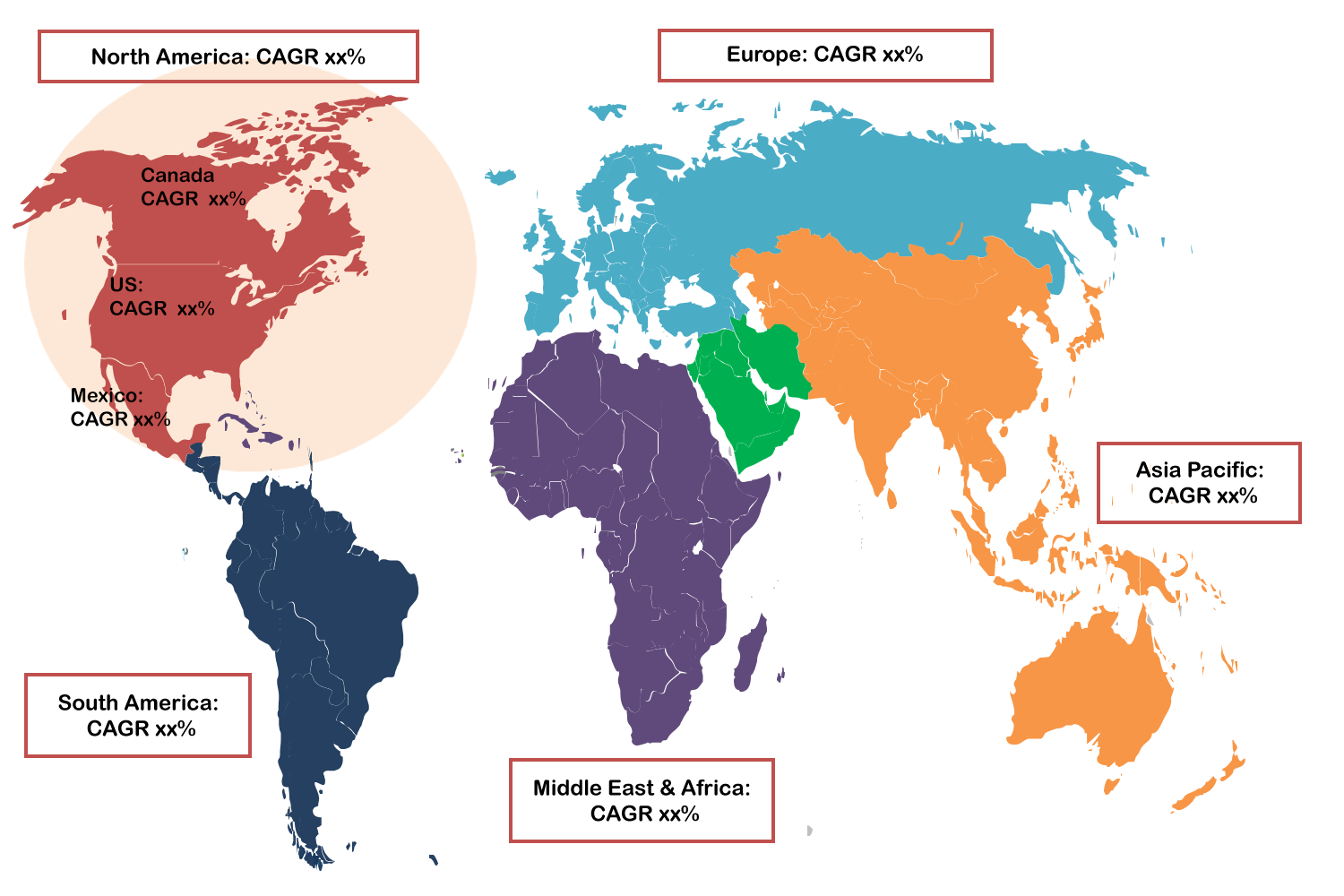
Over the forecast period, the North America region is anticipated to exhibit the highest CAGR, driven by increasing adoption of premium devices, strong consumer spending power, and advancements in automotive OLED applications. U.S. and Canadian markets are early adopters of OLED-enabled smartphones, wearables, and smart TVs. Furthermore, the region is witnessing rising integration of OLED in luxury electric vehicles and AR/VR devices. Fueled by strong R&D investments and demand for cutting-edge technology, North America emerges as the fastest-growing regional market.
Key players in the market
Some of the key players in Organic LED Market include Samsung Display Co., Ltd., LG Display Co., Ltd., Universal Display Corporation, BOE Technology Group Co., Ltd., TCL CSOT (China Star Optoelectronics), Visionox Technology Inc., AU Optronics Corp., Japan Display Inc., Konica Minolta, Inc., Osram Opto Semiconductors GmbH, Sony Corporation, Kyulux Inc., JOLED Inc., Innolux Corporation, Sharp Corporation, Rohm Semiconductor, Merck KGaA, and Sumitomo Chemical Co., Ltd.
Key Developments:
In May 2025, Samsung Display announced the start of mass production for its next-generation QD-OLED panels, featuring a new 'Intelligent' AI-powered algorithm that dynamically optimizes power consumption and brightness levels for each pixel, significantly improving energy efficiency.
In April 2025, LG Display unveiled its new META Technology 3.0 for OLED TVs at the annual Display Week conference. The technology integrates a new micro-lens array and light-boosting algorithm to achieve a peak brightness of over 3,000 nits, setting a new industry benchmark.
In March 2025, Universal Display Corporation (UDC) announced the commercial launch of a new, high-efficiency blue phosphorescent OLED material system, a significant milestone expected to improve the longevity and reduce the power consumption of future blue OLED components.
In February 2025, BOE Technology revealed that it had secured a major contract to supply advanced foldable OLED displays for an upcoming flagship smartphone series from a leading Chinese OEM, set for release in Q3 2025.
Products Covered:
• Small-Area OLEDs
• Large-Area OLEDs
• Flexible OLEDs
• Transparent & Top-Emission OLEDs
Components Covered:
• Substrates
• Emissive Layer
• Hole Injection
• Electron Transport
• Cathode & Anode Materials
Forms Covered:
• Vacuum Thermal Evaporation (VTE)
• Solution Processing
• Encapsulation Methods
Technologies Covered:
• Passive Matrix OLED (PMOLED)
• Active Matrix OLED (AMOLED)
• Bottom-emission Architectures
• White OLED (WOLED)
Applications Covered:
• Television & Monitors
• Smartphones & Tablets
• Wearables & AR/VR Displays
• Lighting & Architectural Panels
• Automotive Displays & Lighting
• Medical & Industrial Displays
End Users Covered:
• Consumer Electronics OEMs
• Automotive OEMs & Tier-1 Suppliers
• Lighting Manufacturers
• Industrial & Medical Equipment Makers
Regions Covered:
• North America
o US
o Canada
o Mexico
• Europe
o Germany
o UK
o Italy
o France
o Spain
o Rest of Europe
• Asia Pacific
o Japan
o China
o India
o Australia
o New Zealand
o South Korea
o Rest of Asia Pacific
• South America
o Argentina
o Brazil
o Chile
o Rest of South America
• Middle East & Africa
o Saudi Arabia
o UAE
o Qatar
o South Africa
o Rest of Middle East & Africa
What our report offers:
- Market share assessments for the regional and country-level segments
- Strategic recommendations for the new entrants
- Covers Market data for the years 2024, 2025, 2026, 2028, and 2032
- Market Trends (Drivers, Constraints, Opportunities, Threats, Challenges, Investment Opportunities, and recommendations)
- Strategic recommendations in key business segments based on the market estimations
- Competitive landscaping mapping the key common trends
- Company profiling with detailed strategies, financials, and recent developments
- Supply chain trends mapping the latest technological advancements
Free Customization Offerings:
All the customers of this report will be entitled to receive one of the following free customization options:
• Company Profiling
o Comprehensive profiling of additional market players (up to 3)
o SWOT Analysis of key players (up to 3)
• Regional Segmentation
o Market estimations, Forecasts and CAGR of any prominent country as per the client's interest (Note: Depends on feasibility check)
• Competitive Benchmarking
o Benchmarking of key players based on product portfolio, geographical presence, and strategic alliances
Table of Contents
1 Executive Summary
2 Preface
2.1 Abstract
2.2 Stake Holders
2.3 Research Scope
2.4 Research Methodology
2.4.1 Data Mining
2.4.2 Data Analysis
2.4.3 Data Validation
2.4.4 Research Approach
2.5 Research Sources
2.5.1 Primary Research Sources
2.5.2 Secondary Research Sources
2.5.3 Assumptions
3 Market Trend Analysis
3.1 Introduction
3.2 Drivers
3.3 Restraints
3.4 Opportunities
3.5 Threats
3.6 Product Analysis
3.7 Technology Analysis
3.8 Application Analysis
3.9 End User Analysis
4.10 Emerging Markets
4.11 Impact of Covid-19
4 Porters Five Force Analysis
4.1 Bargaining power of suppliers
4.2 Bargaining power of buyers
4.3 Threat of substitutes
4.4 Threat of new entrants
4.5 Competitive rivalry
5 Global Organic LED Market, By Product
5.1 Introduction
5.2 Small-Area OLEDs
5.3 Large-Area OLEDs
5.4 Flexible OLEDs
5.5 Transparent & Top-Emission OLEDs
6 Global Organic LED Market, By Component
6.1 Introduction
6.2 Substrates
6.3 Emissive Layer
6.4 Hole Injection
6.5 Electron Transport
6.6 Cathode & Anode Materials
7 Global Organic LED Market, By Form
7.1 Introduction
7.2 Vacuum Thermal Evaporation (VTE)
7.3 Solution Processing
7.4 Encapsulation Methods
8 Global Organic LED Market, By Technology
8.1 Introduction
8.2 Passive Matrix OLED (PMOLED)
8.3 Active Matrix OLED (AMOLED)
8.4 Bottom-emission Architectures
8.5 White OLED (WOLED)
9 Global Organic LED Market, By Application
9.1 Introduction
9.2 Television & Monitors
9.3 Smartphones & Tablets
9.4 Wearables & AR/VR Displays
9.5 Lighting & Architectural Panels
9.6 Automotive Displays & Lighting
9.7 Medical & Industrial Displays
10 Global Organic LED Market, By End User
10.1 Introduction
10.2 Consumer Electronics OEMs
10.3 Automotive OEMs & Tier-1 Suppliers
10.4 Lighting Manufacturers
10.5 Industrial & Medical Equipment Makers
11 Global Organic LED Market, By Geography
11.1 Introduction
11.2 North America
11.2.1 US
11.2.2 Canada
11.2.3 Mexico
11.3 Europe
11.3.1 Germany
11.3.2 UK
11.3.3 Italy
11.3.4 France
11.3.5 Spain
11.3.6 Rest of Europe
11.4 Asia Pacific
11.4.1 Japan
11.4.2 China
11.4.3 India
11.4.4 Australia
11.4.5 New Zealand
11.4.6 South Korea
11.4.7 Rest of Asia Pacific
11.5 South America
11.5.1 Argentina
11.5.2 Brazil
11.5.3 Chile
11.5.4 Rest of South America
11.6 Middle East & Africa
11.6.1 Saudi Arabia
11.6.2 UAE
11.6.3 Qatar
11.6.4 South Africa
11.6.5 Rest of Middle East & Africa
12 Key Developments
12.1 Agreements, Partnerships, Collaborations and Joint Ventures
12.2 Acquisitions & Mergers
12.3 New Product Launch
12.4 Expansions
12.5 Other Key Strategies
13 Company Profiling
13.1 Samsung Display Co., Ltd.
13.2 LG Display Co., Ltd.
13.3 Universal Display Corporation
13.4 BOE Technology Group Co., Ltd.
13.5 TCL CSOT (China Star Optoelectronics)
13.6 Visionox Technology Inc.
13.7 AU Optronics Corp.
13.8 Japan Display Inc.
13.9 Konica Minolta, Inc.
13.10 Osram Opto Semiconductors GmbH
13.11 Sony Corporation
13.12 Kyulux Inc.
13.13 JOLED Inc.
13.14 Innolux Corporation
13.15 Sharp Corporation
13.16 Rohm Semiconductor
13.17 Merck KGaA
13.18 Sumitomo Chemical Co., Ltd.
List of Tables
1 Global Organic LED Market Outlook, By Region (2024-2032) ($MN)
2 Global Organic LED Market Outlook, By Product (2024-2032) ($MN)
3 Global Organic LED Market Outlook, By Small-Area OLEDs (2024-2032) ($MN)
4 Global Organic LED Market Outlook, By Large-Area OLEDs (2024-2032) ($MN)
5 Global Organic LED Market Outlook, By Flexible OLEDs (2024-2032) ($MN)
6 Global Organic LED Market Outlook, By Transparent & Top-Emission OLEDs (2024-2032) ($MN)
7 Global Organic LED Market Outlook, By Component (2024-2032) ($MN)
8 Global Organic LED Market Outlook, By Substrates (2024-2032) ($MN)
9 Global Organic LED Market Outlook, By Emissive Layer (2024-2032) ($MN)
10 Global Organic LED Market Outlook, By Hole Injection (2024-2032) ($MN)
11 Global Organic LED Market Outlook, By Electron Transport (2024-2032) ($MN)
12 Global Organic LED Market Outlook, By Cathode & Anode Materials (2024-2032) ($MN)
13 Global Organic LED Market Outlook, By Form (2024-2032) ($MN)
14 Global Organic LED Market Outlook, By Vacuum Thermal Evaporation (VTE) (2024-2032) ($MN)
15 Global Organic LED Market Outlook, By Solution Processing (2024-2032) ($MN)
16 Global Organic LED Market Outlook, By Encapsulation Methods (2024-2032) ($MN)
17 Global Organic LED Market Outlook, By Technology (2024-2032) ($MN)
18 Global Organic LED Market Outlook, By Passive Matrix OLED (PMOLED) (2024-2032) ($MN)
19 Global Organic LED Market Outlook, By Active Matrix OLED (AMOLED) (2024-2032) ($MN)
20 Global Organic LED Market Outlook, By Bottom-emission Architectures (2024-2032) ($MN)
21 Global Organic LED Market Outlook, By White OLED (WOLED) (2024-2032) ($MN)
22 Global Organic LED Market Outlook, By Application (2024-2032) ($MN)
23 Global Organic LED Market Outlook, By Television & Monitors (2024-2032) ($MN)
24 Global Organic LED Market Outlook, By Smartphones & Tablets (2024-2032) ($MN)
25 Global Organic LED Market Outlook, By Wearables & AR/VR Displays (2024-2032) ($MN)
26 Global Organic LED Market Outlook, By Lighting & Architectural Panels (2024-2032) ($MN)
27 Global Organic LED Market Outlook, By Automotive Displays & Lighting (2024-2032) ($MN)
28 Global Organic LED Market Outlook, By Medical & Industrial Displays (2024-2032) ($MN)
29 Global Organic LED Market Outlook, By End User (2024-2032) ($MN)
30 Global Organic LED Market Outlook, By Consumer Electronics OEMs (2024-2032) ($MN)
31 Global Organic LED Market Outlook, By Automotive OEMs & Tier-1 Suppliers (2024-2032) ($MN)
32 Global Organic LED Market Outlook, By Lighting Manufacturers (2024-2032) ($MN)
33 Global Organic LED Market Outlook, By Industrial & Medical Equipment Makers (2024-2032) ($MN)
Note: Tables for North America, Europe, APAC, South America, and Middle East & Africa Regions are also represented in the same manner as above.
List of Figures
RESEARCH METHODOLOGY

We at ‘Stratistics’ opt for an extensive research approach which involves data mining, data validation, and data analysis. The various research sources include in-house repository, secondary research, competitor’s sources, social media research, client internal data, and primary research.
Our team of analysts prefers the most reliable and authenticated data sources in order to perform the comprehensive literature search. With access to most of the authenticated data bases our team highly considers the best mix of information through various sources to obtain extensive and accurate analysis.
Each report takes an average time of a month and a team of 4 industry analysts. The time may vary depending on the scope and data availability of the desired market report. The various parameters used in the market assessment are standardized in order to enhance the data accuracy.
Data Mining
The data is collected from several authenticated, reliable, paid and unpaid sources and is filtered depending on the scope & objective of the research. Our reports repository acts as an added advantage in this procedure. Data gathering from the raw material suppliers, distributors and the manufacturers is performed on a regular basis, this helps in the comprehensive understanding of the products value chain. Apart from the above mentioned sources the data is also collected from the industry consultants to ensure the objective of the study is in the right direction.
Market trends such as technological advancements, regulatory affairs, market dynamics (Drivers, Restraints, Opportunities and Challenges) are obtained from scientific journals, market related national & international associations and organizations.
Data Analysis
From the data that is collected depending on the scope & objective of the research the data is subjected for the analysis. The critical steps that we follow for the data analysis include:
- Product Lifecycle Analysis
- Competitor analysis
- Risk analysis
- Porters Analysis
- PESTEL Analysis
- SWOT Analysis
The data engineering is performed by the core industry experts considering both the Marketing Mix Modeling and the Demand Forecasting. The marketing mix modeling makes use of multiple-regression techniques to predict the optimal mix of marketing variables. Regression factor is based on a number of variables and how they relate to an outcome such as sales or profits.
Data Validation
The data validation is performed by the exhaustive primary research from the expert interviews. This includes telephonic interviews, focus groups, face to face interviews, and questionnaires to validate our research from all aspects. The industry experts we approach come from the leading firms, involved in the supply chain ranging from the suppliers, distributors to the manufacturers and consumers so as to ensure an unbiased analysis.
We are in touch with more than 15,000 industry experts with the right mix of consultants, CEO's, presidents, vice presidents, managers, experts from both supply side and demand side, executives and so on.
The data validation involves the primary research from the industry experts belonging to:
- Leading Companies
- Suppliers & Distributors
- Manufacturers
- Consumers
- Industry/Strategic Consultants
Apart from the data validation the primary research also helps in performing the fill gap research, i.e. providing solutions for the unmet needs of the research which helps in enhancing the reports quality.
For more details about research methodology, kindly write to us at info@strategymrc.com
Frequently Asked Questions
In case of any queries regarding this report, you can contact the customer service by filing the “Inquiry Before Buy” form available on the right hand side. You may also contact us through email: info@strategymrc.com or phone: +1-301-202-5929
Yes, the samples are available for all the published reports. You can request them by filling the “Request Sample” option available in this page.
Yes, you can request a sample with your specific requirements. All the customized samples will be provided as per the requirement with the real data masked.
All our reports are available in Digital PDF format. In case if you require them in any other formats, such as PPT, Excel etc you can submit a request through “Inquiry Before Buy” form available on the right hand side. You may also contact us through email: info@strategymrc.com or phone: +1-301-202-5929
We offer a free 15% customization with every purchase. This requirement can be fulfilled for both pre and post sale. You may send your customization requirements through email at info@strategymrc.com or call us on +1-301-202-5929.
We have 3 different licensing options available in electronic format.
- Single User Licence: Allows one person, typically the buyer, to have access to the ordered product. The ordered product cannot be distributed to anyone else.
- 2-5 User Licence: Allows the ordered product to be shared among a maximum of 5 people within your organisation.
- Corporate License: Allows the product to be shared among all employees of your organisation regardless of their geographical location.
All our reports are typically be emailed to you as an attachment.
To order any available report you need to register on our website. The payment can be made either through CCAvenue or PayPal payments gateways which accept all international cards.
We extend our support to 6 months post sale. A post sale customization is also provided to cover your unmet needs in the report.
Request Customization
We offer complimentary customization of up to 15% with every purchase. To share your customization requirements, feel free to email us at info@strategymrc.com or call us on +1-301-202-5929. .
Please Note: Customization within the 15% threshold is entirely free of charge. If your request exceeds this limit, we will conduct a feasibility assessment. Following that, a detailed quote and timeline will be provided.
WHY CHOOSE US ?

Assured Quality
Best in class reports with high standard of research integrity

24X7 Research Support
Continuous support to ensure the best customer experience.

Free Customization
Adding more values to your product of interest.

Safe & Secure Access
Providing a secured environment for all online transactions.

Trusted by 600+ Brands
Serving the most reputed brands across the world.
