
Peer To Peer Energy Trading Market
Peer-to-Peer Energy Trading Market Forecasts to 2034 - Global Analysis By Trading Model (Direct Peer-to-Peer Trading, Community-Based Energy Trading, Utility-Facilitated Peer Trading, and Hybrid Trading Models), Platform Type (Blockchain-Enabled Platforms, Cloud-Based Platforms, On-Premise Platforms, and Integrated Energy Management Platforms), Energy Source, Transaction Mechanism, Grid Connectivity, End User, and By Geography

|
Years Covered |
2023-2034 |
|
Estimated Year Value (2026) |
US $0.38 BN |
|
Projected Year Value (2032) |
US $5.08 BN |
|
CAGR (2026-2032) |
38.2% |
|
Regions Covered |
North America, Europe, Asia Pacific, South America, and Middle East & Africa |
|
Countries Covered |
US, Canada, Mexico, Germany, UK, Italy, France, Spain, Japan, China, India, Australia, New Zealand, South Korea, Rest of Asia Pacific, South America, Argentina, Brazil, Chile, Middle East & Africa, Saudi Arabia, UAE, Qatar, and South Africa |
|
Largest Market |
Europe |
|
Highest Growing Market |
Asia Pacific |
According to Stratistics MRC, the Global Peer-to-Peer Energy Trading Market is accounted for $0.38 billion in 2026 and is expected to reach $5.08 billion by 2034 growing at a CAGR of 38.2% during the forecast period. The peer-to-peer energy trading allows consumers and prosumers to buy and sell electricity directly through digital platforms, often supported by blockchain or secure settlement systems. It promotes local energy exchange and consumer participation in energy markets. Growth is driven by rooftop solar adoption, declining storage costs, digital payment integration, regulatory pilots supporting decentralized trading, and growing consumer interest in energy independence and transparent pricing mechanisms.
Market Dynamics:
Driver:
Empowerment of prosumers
The rising emergence of prosumers, individuals who both produce and consume energy, acts as a primary driver for market expansion. Driven by the falling costs of rooftop solar panels and residential battery storage, households are transitioning from passive ratepayers to active market participants. This empowerment allows them to monetize surplus generation by selling it directly to neighbors, bypassing traditional utility markups. Consequently, the desire for energy autonomy and localized financial returns is fueling the demand for decentralized trading platforms. This shift improves household economics but also fosters a more democratic and resilient energy ecosystem globally.
Restraint:
Regulatory bans or complex licensing
In many jurisdictions, existing laws are structured around a centralized monopoly model, often requiring P2P participants to hold the same complex licenses as large-scale utilities. Furthermore, some regions maintain strict bans on third-party energy sales to protect incumbent providers. These legal hurdles create high entry barriers for startups and discourage prosumer participation. Without standardized rules for grid access and wheeling charges, the market struggles to move beyond localized pilot projects into full-scale commercial implementation across diverse geographies.
Opportunity:
Standardization of market & communication protocols
Developing uniform communication protocols and market rules can streamline the integration of smart meters, IoT devices, and blockchain-enabled platforms. Standardization reduces technical complexity for developers and lowers costs for end-users, facilitating a plug-and-play environment for energy trading. By establishing global benchmarks for data security and transaction validation, stakeholders can accelerate the scaling of P2P networks. This technical harmonization is essential for creating a seamless, interconnected energy web that operates efficiently across different utility territories.
Threat:
Low liquidity in early-stage markets
When a trading network has too few active buyers and sellers, the lack of transaction volume leads to extreme price volatility and difficulty in matching supply with demand in real time. Prosumers may become discouraged if they cannot reliably sell their excess energy or if prices fluctuate unpredictably compared to fixed retail rates. This illiquidity can stall market momentum, making it difficult for platforms to achieve the critical mass necessary to prove their long-term economic viability and reliability.
Covid-19 Impact:
The COVID-19 pandemic exerted a dual impact on the peer-to-peer energy trading landscape. Initially, global lockdowns disrupted supply chains and delayed numerous pilot projects and hardware installations. However, the crisis underscored the need for resilient, localized energy systems as commercial demand plummeted while residential consumption soared. This shift accelerated digital transformation within the energy sector, as utilities sought automated, remotely managed solutions. Ultimately, the pandemic acted as a wake-up call for grid decentralization, boosting long-term interest in self-sufficiency and digital trading platforms to mitigate future shocks.
The solar energy segment is expected to be the largest during the forecast period
The solar energy segment is expected to account for the largest market share during the forecast period due to the widespread adoption of rooftop photovoltaic systems. Solar technology offers the most accessible entry point for residential and commercial prosumers, thanks to its modular nature and rapidly declining installation costs. Unlike wind or hydro, solar can be easily integrated into urban environments, providing a consistent source of surplus energy for local trading. As government incentives and net-metering policies evolve, the sheer volume of solar-generated units available for exchange solidifies its dominance in the market.
The utility-facilitated models segment is expected to have the highest CAGR during the forecast period
Over the forecast period, the utility-facilitated models segment is predicted to witness the highest growth rate as traditional energy providers seek to integrate P2P trading into their existing infrastructure. Rather than viewing decentralization as a threat, utilities are increasingly acting as platform operators or market makers to manage grid congestion and balance local loads. This model provides the necessary trust and regulatory compliance that purely decentralized platforms often lack. By leveraging their existing customer bases and billing systems, utility-facilitated frameworks can scale rapidly, making them the fastest-growing segment in the global market.
Region with largest share:
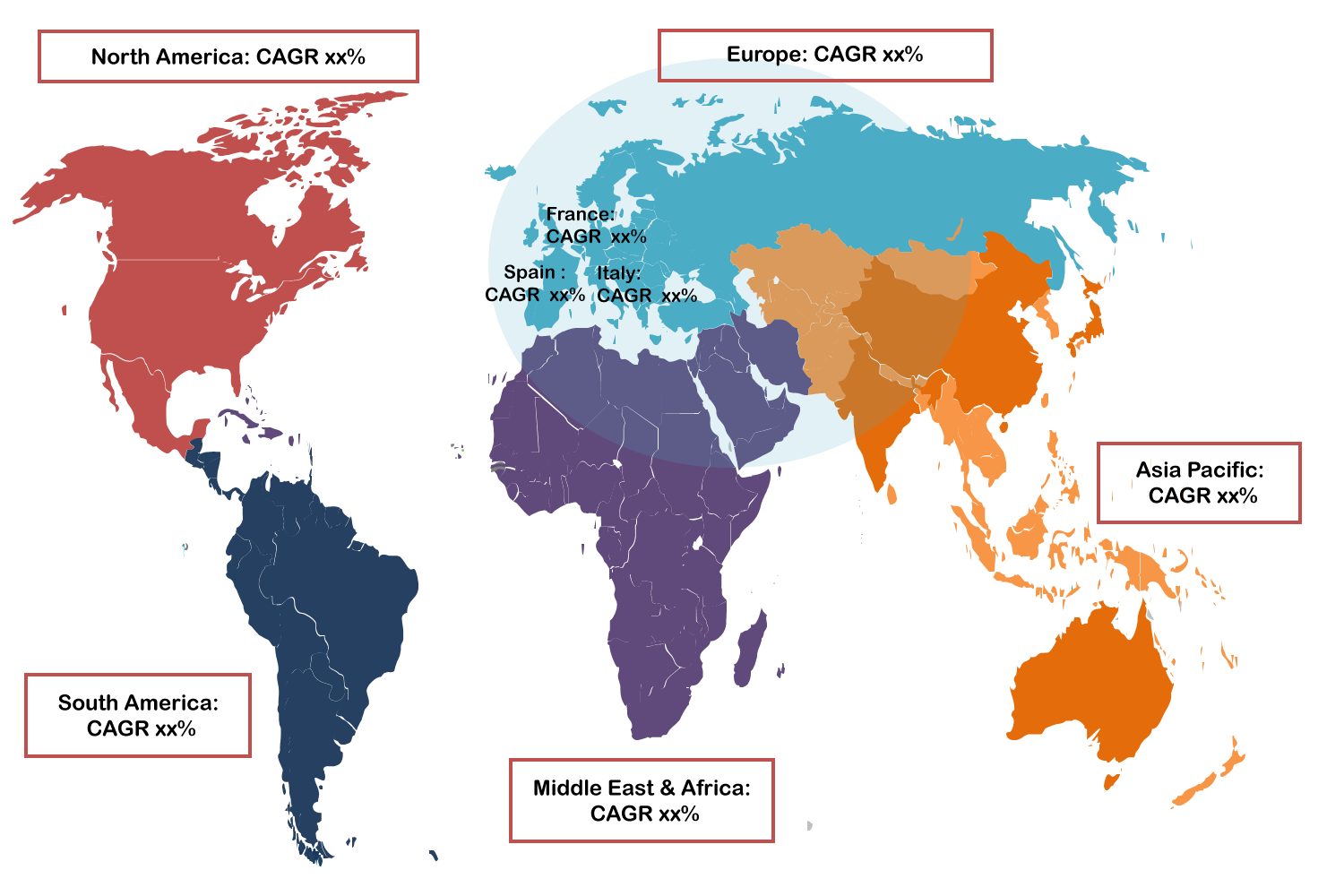
During the forecast period, the Europe region is expected to hold the largest market share, underpinned by its progressive regulatory environment and ambitious decarbonization targets. Countries like Germany, the Netherlands, and the UK have pioneered several P2P pilot projects and community energy initiatives. The European Union’s "Clean Energy for All Europeans" package specifically encourages citizen participation and energy communities, providing the legal foundation for peer-to-peer exchange. High electricity prices and a mature digital infrastructure further incentivize European consumers to adopt trading platforms, maintaining the region's position as a global leader in decentralized energy.
Region with highest CAGR:
Over the forecast period, the Asia Pacific region is anticipated to exhibit the highest CAGR, driven by rapid urbanization and massive investments in renewable energy infrastructure. Developing economies like India, Thailand, and Vietnam are increasingly exploring P2P trading to improve rural energy access and manage the strain on centralized grids. The proliferation of smart city projects and a tech-savvy population provide fertile ground for blockchain-based energy platforms. With supportive government mandates and a high volume of new solar installations, the region is poised for explosive growth as it leapfrogs traditional utility models.
Key players in the market
Some of the key players in Peer-to-Peer Energy Trading Market include Power Ledger, LO3 Energy, Sonnen, WePower, SunContract, SunExchange, Exergy, Verv, Lition, Electrify.Asia (Electrify), BlockEnergy, Grid+, and Tennet.
Key Developments:
In December 2025, TenneT reported €5.5 billion in grid expansion investments and continued initiatives to optimize grid use, supporting European market integration and enabling peer-to-peer electricity trading across borders.
In May 2023, Sonnen GmbH expanded its sonnenCommunity and sonnenVPP, enabling households with PV and storage systems to directly sell electricity at market prices, pioneering peer-to-peer energy trading in Germany.
Trading Models Covered:
• Direct Peer-to-Peer Trading
• Community-Based Energy Trading
• Utility-Facilitated Peer Trading
• Hybrid Trading Models
Platform Types Covered:
• Blockchain-Enabled Platforms
• Cloud-Based Platforms
• On-Premise Platforms
• Integrated Energy Management Platforms
Energy Sources Covered:
• Solar Energy
• Wind Energy
• Biomass and Biogas
• Hydropower
• Hybrid Renewable Systems
Transaction Mechanisms Covered:
• Real-Time Spot Trading
• Auction-Based Trading
• Bilateral Contract Trading
• Tokenized and Credit-Based Trading
Grid Connectivity’s Covered:
• Grid-Connected Systems
• Off-Grid and Islanded Systems
• Hybrid Grid Systems
End Users Covered:
• Residential Prosumers
• Commercial Buildings and Campuses
• Industrial Facilities
• Microgrids and Energy Communities
• Electric Vehicle Charging Operators
Regions Covered:
• North America
o US
o Canada
o Mexico
• Europe
o Germany
o UK
o Italy
o France
o Spain
o Rest of Europe
• Asia Pacific
o Japan
o China
o India
o Australia
o New Zealand
o South Korea
o Rest of Asia Pacific
• South America
o Argentina
o Brazil
o Chile
o Rest of South America
• Middle East & Africa
o Saudi Arabia
o UAE
o Qatar
o South Africa
o Rest of Middle East & Africa
What our report offers:
- Market share assessments for the regional and country-level segments
- Strategic recommendations for the new entrants
- Covers Market data for the years 2023, 2024, 2025, 2026, 2027, 2028, 2030, 2032 and 2034
- Market Trends (Drivers, Constraints, Opportunities, Threats, Challenges, Investment Opportunities, and recommendations)
- Strategic recommendations in key business segments based on the market estimations
- Competitive landscaping mapping the key common trends
- Company profiling with detailed strategies, financials, and recent developments
- Supply chain trends mapping the latest technological advancements
Free Customization Offerings:
All the customers of this report will be entitled to receive one of the following free customization options:
• Company Profiling
o Comprehensive profiling of additional market players (up to 3)
o SWOT Analysis of key players (up to 3)
• Regional Segmentation
o Market estimations, Forecasts and CAGR of any prominent country as per the client's interest (Note: Depends on feasibility check)
• Competitive Benchmarking
o Benchmarking of key players based on product portfolio, geographical presence, and strategic alliances
Table of Contents
1 Executive Summary
2 Preface
2.1 Abstract
2.2 Stake Holders
2.3 Research Scope
2.4 Research Methodology
2.4.1 Data Mining
2.4.2 Data Analysis
2.4.3 Data Validation
2.4.4 Research Approach
2.5 Research Sources
2.5.1 Primary Research Sources
2.5.2 Secondary Research Sources
2.5.3 Assumptions
3 Market Trend Analysis
3.1 Introduction
3.2 Drivers
3.3 Restraints
3.4 Opportunities
3.5 Threats
3.6 End User Analysis
3.7 Emerging Markets
3.8 Impact of Covid-19
4 Porters Five Force Analysis
4.1 Bargaining power of suppliers
4.2 Bargaining power of buyers
4.3 Threat of substitutes
4.4 Threat of new entrants
4.5 Competitive rivalry
5 Global Peer-to-Peer Energy Trading Market, By Trading Model
5.1 Introduction
5.2 Direct Peer-to-Peer Trading
5.3 Community-Based Energy Trading
5.4 Utility-Facilitated Peer Trading
5.5 Hybrid Trading Models
6 Global Peer-to-Peer Energy Trading Market, By Platform Type
6.1 Introduction
6.2 Blockchain-Enabled Platforms
6.3 Cloud-Based Platforms
6.4 On-Premise Platforms
6.5 Integrated Energy Management Platforms
7 Global Peer-to-Peer Energy Trading Market, By Energy Source
7.1 Introduction
7.2 Solar Energy
7.3 Wind Energy
7.4 Biomass and Biogas
7.5 Hydropower
7.6 Hybrid Renewable Systems
8 Global Peer-to-Peer Energy Trading Market, By Transaction Mechanism
8.1 Introduction
8.2 Real-Time Spot Trading
8.3 Auction-Based Trading
8.4 Bilateral Contract Trading
8.5 Tokenized and Credit-Based Trading
9 Global Peer-to-Peer Energy Trading Market, By Grid Connectivity
9.1 Introduction
9.2 Grid-Connected Systems
9.3 Off-Grid and Islanded Systems
9.4 Hybrid Grid Systems
10 Global Peer-to-Peer Energy Trading Market, By End User
10.1 Introduction
10.2 Residential Prosumers
10.3 Commercial Buildings and Campuses
10.4 Industrial Facilities
10.5 Microgrids and Energy Communities
10.6 Electric Vehicle Charging Operators
11 Global Peer-to-Peer Energy Trading Market, By Geography
11.1 Introduction
11.2 North America
11.2.1 US
11.2.2 Canada
11.2.3 Mexico
11.3 Europe
11.3.1 Germany
11.3.2 UK
11.3.3 Italy
11.3.4 France
11.3.5 Spain
11.3.6 Rest of Europe
11.4 Asia Pacific
11.4.1 Japan
11.4.2 China
11.4.3 India
11.4.4 Australia
11.4.5 New Zealand
11.4.6 South Korea
11.4.7 Rest of Asia Pacific
11.5 South America
11.5.1 Argentina
11.5.2 Brazil
11.5.3 Chile
11.5.4 Rest of South America
11.6 Middle East & Africa
11.6.1 Saudi Arabia
11.6.2 UAE
11.6.3 Qatar
11.6.4 South Africa
11.6.5 Rest of Middle East & Africa
12 Key Developments
12.1 Agreements, Partnerships, Collaborations and Joint Ventures
12.2 Acquisitions & Mergers
12.3 New Product Launch
12.4 Expansions
12.5 Other Key Strategies
13 Company Profiling
13.1 Power Ledger
13.2 LO3 Energy
13.3 Sonnen
13.4 WePower
13.5 SunContract
13.6 SunExchange
13.7 Exergy
13.8 Verv
13.9 Lition
13.10 Electrify.Asia (Electrify)
13.11 BlockEnergy
13.12 Grid+
13.13 Tennet
List of Tables
1 Global Peer-to-Peer Energy Trading Market Outlook, By Region (2023–2034) ($MN)
2 Global Peer-to-Peer Energy Trading Market Outlook, By Trading Model (2023–2034) ($MN)
3 Global Peer-to-Peer Energy Trading Market Outlook, By Direct Peer-to-Peer Trading (2023–2034) ($MN)
4 Global Peer-to-Peer Energy Trading Market Outlook, By Community-Based Energy Trading (2023–2034) ($MN)
5 Global Peer-to-Peer Energy Trading Market Outlook, By Utility-Facilitated Peer Trading (2023–2034) ($MN)
6 Global Peer-to-Peer Energy Trading Market Outlook, By Hybrid Trading Models (2023–2034) ($MN)
7 Global Peer-to-Peer Energy Trading Market Outlook, By Platform Type (2023–2034) ($MN)
8 Global Peer-to-Peer Energy Trading Market Outlook, By Blockchain-Enabled Platforms (2023–2034) ($MN)
9 Global Peer-to-Peer Energy Trading Market Outlook, By Cloud-Based Platforms (2023–2034) ($MN)
10 Global Peer-to-Peer Energy Trading Market Outlook, By On-Premise Platforms (2023–2034) ($MN)
11 Global Peer-to-Peer Energy Trading Market Outlook, By Integrated Energy Management Platforms (2023–2034) ($MN)
12 Global Peer-to-Peer Energy Trading Market Outlook, By Energy Source (2023–2034) ($MN)
13 Global Peer-to-Peer Energy Trading Market Outlook, By Solar Energy (2023–2034) ($MN)
14 Global Peer-to-Peer Energy Trading Market Outlook, By Wind Energy (2023–2034) ($MN)
15 Global Peer-to-Peer Energy Trading Market Outlook, By Biomass and Biogas (2023–2034) ($MN)
16 Global Peer-to-Peer Energy Trading Market Outlook, By Hydropower (2023–2034) ($MN)
17 Global Peer-to-Peer Energy Trading Market Outlook, By Hybrid Renewable Systems (2023–2034) ($MN)
18 Global Peer-to-Peer Energy Trading Market Outlook, By Transaction Mechanism (2023–2034) ($MN)
19 Global Peer-to-Peer Energy Trading Market Outlook, By Real-Time Spot Trading (2023–2034) ($MN)
20 Global Peer-to-Peer Energy Trading Market Outlook, By Auction-Based Trading (2023–2034) ($MN)
21 Global Peer-to-Peer Energy Trading Market Outlook, By Bilateral Contract Trading (2023–2034) ($MN)
22 Global Peer-to-Peer Energy Trading Market Outlook, By Tokenized and Credit-Based Trading (2023–2034) ($MN)
23 Global Peer-to-Peer Energy Trading Market Outlook, By Grid Connectivity (2023–2034) ($MN)
24 Global Peer-to-Peer Energy Trading Market Outlook, By Grid-Connected Systems (2023–2034) ($MN)
25 Global Peer-to-Peer Energy Trading Market Outlook, By Off-Grid and Islanded Systems (2023–2034) ($MN)
26 Global Peer-to-Peer Energy Trading Market Outlook, By Hybrid Grid Systems (2023–2034) ($MN)
27 Global Peer-to-Peer Energy Trading Market Outlook, By End User (2023–2034) ($MN)
28 Global Peer-to-Peer Energy Trading Market Outlook, By Residential Prosumers (2023–2034) ($MN)
29 Global Peer-to-Peer Energy Trading Market Outlook, By Commercial Buildings and Campuses (2023–2034) ($MN)
30 Global Peer-to-Peer Energy Trading Market Outlook, By Industrial Facilities (2023–2034) ($MN)
31 Global Peer-to-Peer Energy Trading Market Outlook, By Microgrids and Energy Communities (2023–2034) ($MN)
32 Global Peer-to-Peer Energy Trading Market Outlook, By Electric Vehicle Charging Operators (2023–2034) ($MN)
Note: Tables for North America, Europe, APAC, South America, and Middle East & Africa Regions are also represented in the same manner as above.
List of Figures
RESEARCH METHODOLOGY

We at ‘Stratistics’ opt for an extensive research approach which involves data mining, data validation, and data analysis. The various research sources include in-house repository, secondary research, competitor’s sources, social media research, client internal data, and primary research.
Our team of analysts prefers the most reliable and authenticated data sources in order to perform the comprehensive literature search. With access to most of the authenticated data bases our team highly considers the best mix of information through various sources to obtain extensive and accurate analysis.
Each report takes an average time of a month and a team of 4 industry analysts. The time may vary depending on the scope and data availability of the desired market report. The various parameters used in the market assessment are standardized in order to enhance the data accuracy.
Data Mining
The data is collected from several authenticated, reliable, paid and unpaid sources and is filtered depending on the scope & objective of the research. Our reports repository acts as an added advantage in this procedure. Data gathering from the raw material suppliers, distributors and the manufacturers is performed on a regular basis, this helps in the comprehensive understanding of the products value chain. Apart from the above mentioned sources the data is also collected from the industry consultants to ensure the objective of the study is in the right direction.
Market trends such as technological advancements, regulatory affairs, market dynamics (Drivers, Restraints, Opportunities and Challenges) are obtained from scientific journals, market related national & international associations and organizations.
Data Analysis
From the data that is collected depending on the scope & objective of the research the data is subjected for the analysis. The critical steps that we follow for the data analysis include:
- Product Lifecycle Analysis
- Competitor analysis
- Risk analysis
- Porters Analysis
- PESTEL Analysis
- SWOT Analysis
The data engineering is performed by the core industry experts considering both the Marketing Mix Modeling and the Demand Forecasting. The marketing mix modeling makes use of multiple-regression techniques to predict the optimal mix of marketing variables. Regression factor is based on a number of variables and how they relate to an outcome such as sales or profits.
Data Validation
The data validation is performed by the exhaustive primary research from the expert interviews. This includes telephonic interviews, focus groups, face to face interviews, and questionnaires to validate our research from all aspects. The industry experts we approach come from the leading firms, involved in the supply chain ranging from the suppliers, distributors to the manufacturers and consumers so as to ensure an unbiased analysis.
We are in touch with more than 15,000 industry experts with the right mix of consultants, CEO's, presidents, vice presidents, managers, experts from both supply side and demand side, executives and so on.
The data validation involves the primary research from the industry experts belonging to:
- Leading Companies
- Suppliers & Distributors
- Manufacturers
- Consumers
- Industry/Strategic Consultants
Apart from the data validation the primary research also helps in performing the fill gap research, i.e. providing solutions for the unmet needs of the research which helps in enhancing the reports quality.
For more details about research methodology, kindly write to us at info@strategymrc.com
Frequently Asked Questions
In case of any queries regarding this report, you can contact the customer service by filing the “Inquiry Before Buy” form available on the right hand side. You may also contact us through email: info@strategymrc.com or phone: +1-301-202-5929
Yes, the samples are available for all the published reports. You can request them by filling the “Request Sample” option available in this page.
Yes, you can request a sample with your specific requirements. All the customized samples will be provided as per the requirement with the real data masked.
All our reports are available in Digital PDF format. In case if you require them in any other formats, such as PPT, Excel etc you can submit a request through “Inquiry Before Buy” form available on the right hand side. You may also contact us through email: info@strategymrc.com or phone: +1-301-202-5929
We offer a free 15% customization with every purchase. This requirement can be fulfilled for both pre and post sale. You may send your customization requirements through email at info@strategymrc.com or call us on +1-301-202-5929.
We have 3 different licensing options available in electronic format.
- Single User Licence: Allows one person, typically the buyer, to have access to the ordered product. The ordered product cannot be distributed to anyone else.
- 2-5 User Licence: Allows the ordered product to be shared among a maximum of 5 people within your organisation.
- Corporate License: Allows the product to be shared among all employees of your organisation regardless of their geographical location.
All our reports are typically be emailed to you as an attachment.
To order any available report you need to register on our website. The payment can be made either through CCAvenue or PayPal payments gateways which accept all international cards.
We extend our support to 6 months post sale. A post sale customization is also provided to cover your unmet needs in the report.
Request Customization
We offer complimentary customization of up to 15% with every purchase. To share your customization requirements, feel free to email us at info@strategymrc.com or call us on +1-301-202-5929. .
Please Note: Customization within the 15% threshold is entirely free of charge. If your request exceeds this limit, we will conduct a feasibility assessment. Following that, a detailed quote and timeline will be provided.
WHY CHOOSE US ?

Assured Quality
Best in class reports with high standard of research integrity

24X7 Research Support
Continuous support to ensure the best customer experience.

Free Customization
Adding more values to your product of interest.

Safe & Secure Access
Providing a secured environment for all online transactions.

Trusted by 600+ Brands
Serving the most reputed brands across the world.
