
Photonic Sensors Market
Photonic Sensors Market Forecasts to 2032 – Global Analysis By Product (Fiber Optic Sensors, Image Sensors, Biophotonic Sensors and Other Products), End User and By Geography

According to Stratistics MRC, the Global Photonic Sensors Market is accounted for $29.1 billion in 2025 and is expected to reach $86.8 billion by 2032 growing at a CAGR of 16.8% during the forecast period. Photonic sensors are advanced devices that detect and measure physical parameters using light. They operate by converting changes in light—such as intensity, phase, wavelength, or polarization—into electrical signals. These sensors leverage optical fibers, lasers, or photodetectors to monitor variables like temperature, pressure, displacement, or chemical composition with high precision and speed. Their non-contact nature makes them ideal for harsh environments, biomedical diagnostics, and industrial automation. Unlike traditional sensors, photonic sensors offer immunity to electromagnetic interference and enable miniaturization for integration into compact systems. As photonics evolves, these sensors are becoming pivotal in smart infrastructure, environmental monitoring, and quantum technologies.
According to the CBI, in 2021, the European average of IoT usage in enterprises stood at 29%, with the Netherlands performing below average at 21%.
Market Dynamics:
Driver:
Industrialization and Automation
Rising industrialization and automation across sectors are fueling demand for photonic sensors, particularly in smart manufacturing, robotics, and process control. These sensors offer high-speed, non-contact precision, enabling real-time monitoring and predictive maintenance. Integration with IoT platforms enhances operational efficiency and safety. As industries shift toward intelligent systems, photonic sensors are becoming indispensable for quality assurance, energy optimization, and adaptive control, positioning them as core enablers of Industry 4.0 transformation globally.
Restraint:
High Costs of Advanced Sensors
High costs of advanced sensors significantly hinder the photonic sensors market by elevating entry barriers for startups and limiting adoption across cost-sensitive sectors. These expenses constrain R&D budgets; slow innovation cycles, and reduces scalability for large deployments. As a result, market penetration remains skewed toward premium applications, stalling broader commercialization. Price-sensitive industries like agriculture and infrastructure often defer integration, curbing the transformative potential of photonic sensing technologies.
Opportunity:
Advancements in Wireless Sensing Technology
Breakthroughs in wireless photonic sensing—such as Li-Fi, optical telemetry, and remote biosensing—are unlocking new applications in healthcare, environmental monitoring, and smart infrastructure. These innovations reduce cabling complexity, improve scalability, and enable real-time data transmission in harsh or mobile environments. Coupled with AI and edge computing, wireless photonic sensors offer enhanced responsiveness and energy efficiency. This convergence is expected to drive adoption in decentralized diagnostics, autonomous systems, and next-gen smart city deployments.
Threat:
Lack of Standardization
The lack of standardization in the photonic sensors market hampers interoperability, inflates integration costs, and slows cross-industry adoption. It creates fragmented supply chains, complicates benchmarking, and deters investment due to unclear performance metrics. Regulatory uncertainty further delays commercialization, while inconsistent protocols hinder scalability across applications like healthcare, defense, and smart infrastructure. This fragmentation stifles innovation, limits economies of scale, and weakens global competitiveness in emerging photonic technologies.
Covid-19 Impact
The COVID-19 pandemic disrupted global supply chains, delaying production and deployment of photonic sensors across industries. Demand surged in healthcare for UV-C sensors used in sterilization, while industrial and consumer segments faced slowdowns due to factory closures and logistics constraints. Despite short-term setbacks, the crisis accelerated interest in contactless sensing and remote diagnostics, positioning photonic sensors as critical enablers in post-pandemic digital and health infrastructure.
The healthcare segment is expected to be the largest during the forecast period
The healthcare segment is expected to account for the largest market share during the forecast period, due to rising demand for non-invasive diagnostics, wearable biosensors, and advanced imaging systems. Biophotonic sensors enable early disease detection, real-time monitoring, and precision therapy. Applications span from glucose monitoring and cancer screening to surgical guidance and telehealth. As global healthcare systems prioritize preventive care and digital transformation, photonic technologies offer scalable, high-accuracy solutions that enhance patient outcomes and reduce clinical burden.
The image sensors segment is expected to have the highest CAGR during the forecast period
Over the forecast period, the image sensors segment is predicted to witness the highest growth rate, due to surging demand in autonomous vehicles, smart surveillance, and medical imaging. CMOS advancements, miniaturization, and AI-enhanced vision systems are expanding use cases across automotive ADAS, robotics, and diagnostics. High-resolution, low-light performance and 3D imaging capabilities make image sensors vital for real-time decision-making. Their integration into consumer electronics and industrial automation further accelerates growth, positioning them as the fastest-evolving photonic sub segment.
Region with largest share:
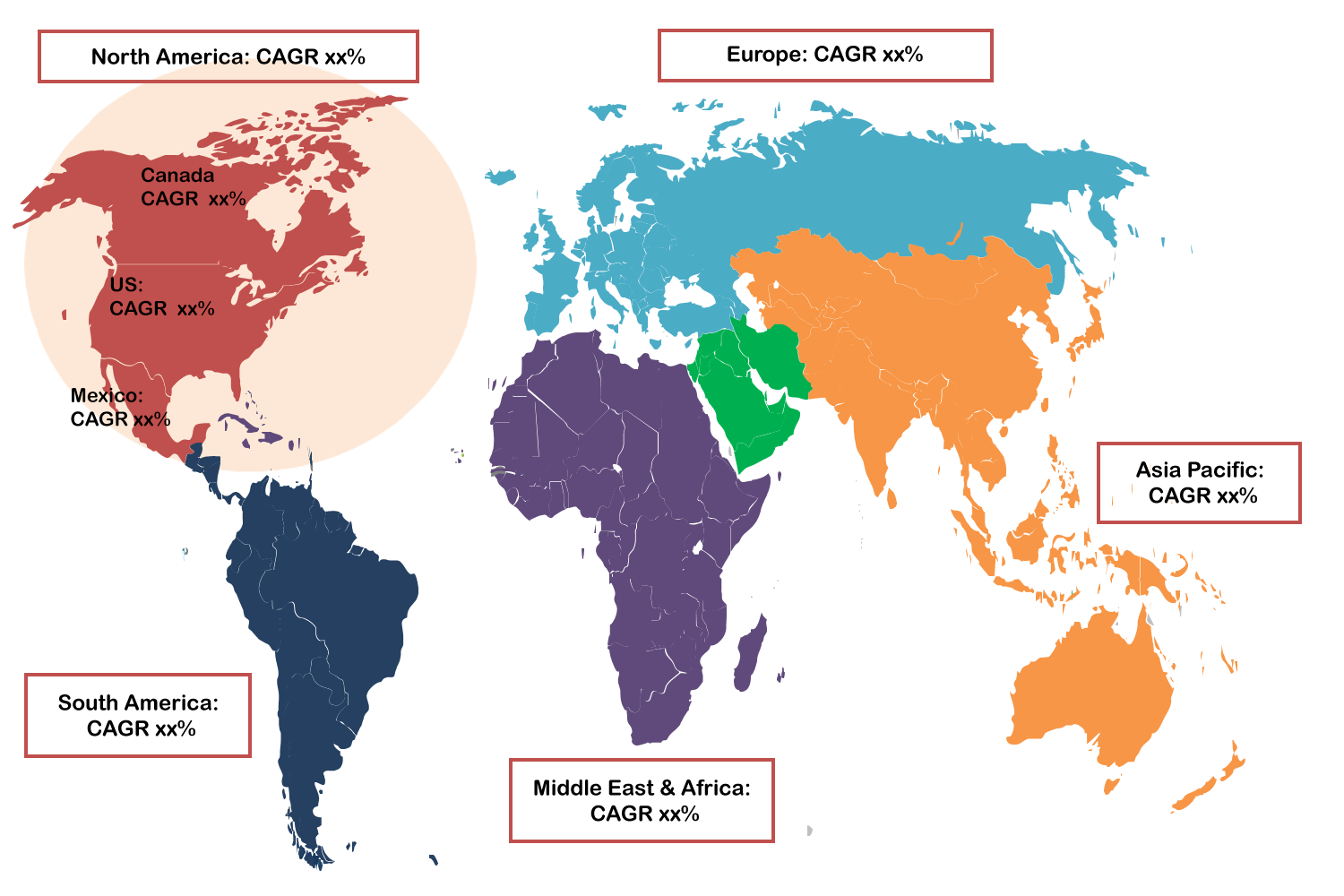
During the forecast period, the Asia Pacific region is expected to hold the largest market share due to robust manufacturing ecosystems, rising industrial automation, and expanding telecom infrastructure. Countries like China, Japan, and South Korea are investing heavily in fiber optics, LiDAR, and medical photonics. Government initiatives promoting smart cities, renewable energy, and defense modernization further amplify regional demand. With strong R&D capabilities and high-volume production, APAC remains the epicenter of photonic innovation and deployment.
Region with highest CAGR:
Over the forecast period, the North America region is anticipated to exhibit the highest CAGR, owing to rapid adoption in healthcare diagnostics, aerospace, and environmental monitoring. The region’s strong R&D ecosystem, coupled with strategic investments in quantum photonics, biosensing, and defense applications, drives innovation. Growing demand for high-speed data transmission, smart infrastructure, and AI-integrated sensing solutions accelerates market expansion. Regulatory support and public-private partnerships further enhance commercialization, making North America a hotspot for photonic sensor breakthroughs.
Key players in the market
Some of the key players profiled in the Photonic Sensors Market include Hamamatsu Photonics K.K., Sick AG, Baumer Holding AG, Omron Corporation, Keyence Corporation, Panasonic Corporation, Sony Corporation, STMicroelectronics N.V., First Sensor AG, ABB Ltd., Banner Engineering Corp., Rockwell Automation, Inc., Alcatel-Lucent S.A., QinetiQ Group plc, Trillium Photonics, Fibercore Ltd., Mitsubishi Electric Corporation, Honeywell International Inc., Broadcom Inc. and Excelitas Technologies Corp.
Key Developments:
In August 2025, ABB and Paragon Energy Solutions have entered a Memorandum of Understanding to jointly develop integrated instrumentation, control, and electrification solutions tailored for the U.S. nuclear power sector. This collaboration aims to create a unified offering addressing both critical and non-critical systems in existing nuclear facilities and emerging small modular reactors (SMRs).
In April 2025, Eutelsat and Panasonic Avionics have extended their capacity agreement on the EUTELSAT 10B satellite, reinforcing their long-standing partnership. This multi-year, multi-million-dollar deal enhances Panasonic's Ku-band connectivity network, covering key aviation corridors including the North Atlantic, Europe, the Mediterranean, the Middle East, the Atlantic, Africa, and the Indian Ocean.
Products Covered:
• Fiber Optic Sensors
• Image Sensors
• Biophotonic Sensors
• Other Products
End Users Covered:
• Aerospace & Defense
• Energy & Utilities
• Healthcare
• Manufacturing
• Transportation & Logistics
• Consumer Electronics
• Other End Users
Regions Covered:
• North America
o US
o Canada
o Mexico
• Europe
o Germany
o UK
o Italy
o France
o Spain
o Rest of Europe
• Asia Pacific
o Japan
o China
o India
o Australia
o New Zealand
o South Korea
o Rest of Asia Pacific
• South America
o Argentina
o Brazil
o Chile
o Rest of South America
• Middle East & Africa
o Saudi Arabia
o UAE
o Qatar
o South Africa
o Rest of Middle East & Africa
What our report offers:
- Market share assessments for the regional and country-level segments
- Strategic recommendations for the new entrants
- Covers Market data for the years 2024, 2025, 2026, 2028, and 2032
- Market Trends (Drivers, Constraints, Opportunities, Threats, Challenges, Investment Opportunities, and recommendations)
- Strategic recommendations in key business segments based on the market estimations
- Competitive landscaping mapping the key common trends
- Company profiling with detailed strategies, financials, and recent developments
- Supply chain trends mapping the latest technological advancements
Free Customization Offerings:
All the customers of this report will be entitled to receive one of the following free customization options:
• Company Profiling
o Comprehensive profiling of additional market players (up to 3)
o SWOT Analysis of key players (up to 3)
• Regional Segmentation
o Market estimations, Forecasts and CAGR of any prominent country as per the client's interest (Note: Depends on feasibility check)
• Competitive Benchmarking
o Benchmarking of key players based on product portfolio, geographical presence, and strategic alliances
Table of Contents
1 Executive Summary
2 Preface
2.1 Abstract
2.2 Stake Holders
2.3 Research Scope
2.4 Research Methodology
2.4.1 Data Mining
2.4.2 Data Analysis
2.4.3 Data Validation
2.4.4 Research Approach
2.5 Research Sources
2.5.1 Primary Research Sources
2.5.2 Secondary Research Sources
2.5.3 Assumptions
3 Market Trend Analysis
3.1 Introduction
3.2 Drivers
3.3 Restraints
3.4 Opportunities
3.5 Threats
3.6 Product Analysis
3.7 End User Analysis
3.8 Emerging Markets
3.9 Impact of Covid-19
4 Porters Five Force Analysis
4.1 Bargaining power of suppliers
4.2 Bargaining power of buyers
4.3 Threat of substitutes
4.4 Threat of new entrants
4.5 Competitive rivalry
5 Global Photonic Sensors Market, By Product
5.1 Introduction
5.2 Fiber Optic Sensors
5.3 Image Sensors
5.4 Biophotonic Sensors
5.5 Other Products
6 Global Photonic Sensors Market, By End User
6.1 Introduction
6.2 Aerospace & Defense
6.3 Energy & Utilities
6.4 Healthcare
6.5 Manufacturing
6.6 Transportation & Logistics
6.6 Consumer Electronics
6.6 Other End Users
7 Global Photonic Sensors Market, By Geography
7.1 Introduction
7.2 North America
7.2.1 US
7.2.2 Canada
7.2.3 Mexico
7.3 Europe
7.3.1 Germany
7.3.2 UK
7.3.3 Italy
7.3.4 France
7.3.5 Spain
7.3.6 Rest of Europe
7.4 Asia Pacific
7.4.1 Japan
7.4.2 China
7.4.3 India
7.4.4 Australia
7.4.5 New Zealand
7.4.6 South Korea
7.4.7 Rest of Asia Pacific
7.5 South America
7.5.1 Argentina
7.5.2 Brazil
7.5.3 Chile
7.5.4 Rest of South America
7.6 Middle East & Africa
7.6.1 Saudi Arabia
7.6.2 UAE
7.6.3 Qatar
7.6.4 South Africa
7.6.5 Rest of Middle East & Africa
8 Key Developments
8.1 Agreements, Partnerships, Collaborations and Joint Ventures
8.2 Acquisitions & Mergers
8.3 New Product Launch
8.4 Expansions
8.5 Other Key Strategies
9 Company Profiling
9.1 Hamamatsu Photonics K.K.
9.2 Sick AG
9.3 Baumer Holding AG
9.4 Omron Corporation
9.5 Keyence Corporation
9.6 Panasonic Corporation
9.7 Sony Corporation
9.8 STMicroelectronics N.V.
9.9 First Sensor AG
9.10 ABB Ltd.
9.11 Banner Engineering Corp.
9.12 Rockwell Automation, Inc.
9.13 Alcatel-Lucent S.A.
9.14 QinetiQ Group plc
9.15 Trillium Photonics
9.16 Fibercore Ltd.
9.17 Mitsubishi Electric Corporation
9.18 Honeywell International Inc.
9.19 Broadcom Inc.
10.20 Excelitas Technologies Corp.
List of Tables
1 Global Photonic Sensors Market Outlook, By Region (2024-2032) ($MN)
2 Global Photonic Sensors Market Outlook, By Product (2024-2032) ($MN)
3 Global Photonic Sensors Market Outlook, By Fiber Optic Sensors (2024-2032) ($MN)
4 Global Photonic Sensors Market Outlook, By Image Sensors (2024-2032) ($MN)
5 Global Photonic Sensors Market Outlook, By Biophotonic Sensors (2024-2032) ($MN)
6 Global Photonic Sensors Market Outlook, By Other Products (2024-2032) ($MN)
7 Global Photonic Sensors Market Outlook, By End User (2024-2032) ($MN)
8 Global Photonic Sensors Market Outlook, By Aerospace & Defense (2024-2032) ($MN)
9 Global Photonic Sensors Market Outlook, By Energy & Utilities (2024-2032) ($MN)
10 Global Photonic Sensors Market Outlook, By Healthcare (2024-2032) ($MN)
11 Global Photonic Sensors Market Outlook, By Manufacturing (2024-2032) ($MN)
12 Global Photonic Sensors Market Outlook, By Transportation & Logistics (2024-2032) ($MN)
13 Global Photonic Sensors Market Outlook, By Consumer Electronics (2024-2032) ($MN)
14 Global Photonic Sensors Market Outlook, By Other End Users (2024-2032) ($MN)
15 North America Photonic Sensors Market Outlook, By Country (2024-2032) ($MN)
16 North America Photonic Sensors Market Outlook, By Product (2024-2032) ($MN)
17 North America Photonic Sensors Market Outlook, By Fiber Optic Sensors (2024-2032) ($MN)
18 North America Photonic Sensors Market Outlook, By Image Sensors (2024-2032) ($MN)
19 North America Photonic Sensors Market Outlook, By Biophotonic Sensors (2024-2032) ($MN)
20 North America Photonic Sensors Market Outlook, By Other Products (2024-2032) ($MN)
21 North America Photonic Sensors Market Outlook, By End User (2024-2032) ($MN)
22 North America Photonic Sensors Market Outlook, By Aerospace & Defense (2024-2032) ($MN)
23 North America Photonic Sensors Market Outlook, By Energy & Utilities (2024-2032) ($MN)
24 North America Photonic Sensors Market Outlook, By Healthcare (2024-2032) ($MN)
25 North America Photonic Sensors Market Outlook, By Manufacturing (2024-2032) ($MN)
26 North America Photonic Sensors Market Outlook, By Transportation & Logistics (2024-2032) ($MN)
27 North America Photonic Sensors Market Outlook, By Consumer Electronics (2024-2032) ($MN)
28 North America Photonic Sensors Market Outlook, By Other End Users (2024-2032) ($MN)
29 Europe Photonic Sensors Market Outlook, By Country (2024-2032) ($MN)
30 Europe Photonic Sensors Market Outlook, By Product (2024-2032) ($MN)
31 Europe Photonic Sensors Market Outlook, By Fiber Optic Sensors (2024-2032) ($MN)
32 Europe Photonic Sensors Market Outlook, By Image Sensors (2024-2032) ($MN)
33 Europe Photonic Sensors Market Outlook, By Biophotonic Sensors (2024-2032) ($MN)
34 Europe Photonic Sensors Market Outlook, By Other Products (2024-2032) ($MN)
35 Europe Photonic Sensors Market Outlook, By End User (2024-2032) ($MN)
36 Europe Photonic Sensors Market Outlook, By Aerospace & Defense (2024-2032) ($MN)
37 Europe Photonic Sensors Market Outlook, By Energy & Utilities (2024-2032) ($MN)
38 Europe Photonic Sensors Market Outlook, By Healthcare (2024-2032) ($MN)
39 Europe Photonic Sensors Market Outlook, By Manufacturing (2024-2032) ($MN)
40 Europe Photonic Sensors Market Outlook, By Transportation & Logistics (2024-2032) ($MN)
41 Europe Photonic Sensors Market Outlook, By Consumer Electronics (2024-2032) ($MN)
42 Europe Photonic Sensors Market Outlook, By Other End Users (2024-2032) ($MN)
43 Asia Pacific Photonic Sensors Market Outlook, By Country (2024-2032) ($MN)
44 Asia Pacific Photonic Sensors Market Outlook, By Product (2024-2032) ($MN)
45 Asia Pacific Photonic Sensors Market Outlook, By Fiber Optic Sensors (2024-2032) ($MN)
46 Asia Pacific Photonic Sensors Market Outlook, By Image Sensors (2024-2032) ($MN)
47 Asia Pacific Photonic Sensors Market Outlook, By Biophotonic Sensors (2024-2032) ($MN)
48 Asia Pacific Photonic Sensors Market Outlook, By Other Products (2024-2032) ($MN)
49 Asia Pacific Photonic Sensors Market Outlook, By End User (2024-2032) ($MN)
50 Asia Pacific Photonic Sensors Market Outlook, By Aerospace & Defense (2024-2032) ($MN)
51 Asia Pacific Photonic Sensors Market Outlook, By Energy & Utilities (2024-2032) ($MN)
52 Asia Pacific Photonic Sensors Market Outlook, By Healthcare (2024-2032) ($MN)
53 Asia Pacific Photonic Sensors Market Outlook, By Manufacturing (2024-2032) ($MN)
54 Asia Pacific Photonic Sensors Market Outlook, By Transportation & Logistics (2024-2032) ($MN)
55 Asia Pacific Photonic Sensors Market Outlook, By Consumer Electronics (2024-2032) ($MN)
56 Asia Pacific Photonic Sensors Market Outlook, By Other End Users (2024-2032) ($MN)
57 South America Photonic Sensors Market Outlook, By Country (2024-2032) ($MN)
58 South America Photonic Sensors Market Outlook, By Product (2024-2032) ($MN)
59 South America Photonic Sensors Market Outlook, By Fiber Optic Sensors (2024-2032) ($MN)
60 South America Photonic Sensors Market Outlook, By Image Sensors (2024-2032) ($MN)
61 South America Photonic Sensors Market Outlook, By Biophotonic Sensors (2024-2032) ($MN)
62 South America Photonic Sensors Market Outlook, By Other Products (2024-2032) ($MN)
63 South America Photonic Sensors Market Outlook, By End User (2024-2032) ($MN)
64 South America Photonic Sensors Market Outlook, By Aerospace & Defense (2024-2032) ($MN)
65 South America Photonic Sensors Market Outlook, By Energy & Utilities (2024-2032) ($MN)
66 South America Photonic Sensors Market Outlook, By Healthcare (2024-2032) ($MN)
67 South America Photonic Sensors Market Outlook, By Manufacturing (2024-2032) ($MN)
68 South America Photonic Sensors Market Outlook, By Transportation & Logistics (2024-2032) ($MN)
69 South America Photonic Sensors Market Outlook, By Consumer Electronics (2024-2032) ($MN)
70 South America Photonic Sensors Market Outlook, By Other End Users (2024-2032) ($MN)
71 Middle East & Africa Photonic Sensors Market Outlook, By Country (2024-2032) ($MN)
72 Middle East & Africa Photonic Sensors Market Outlook, By Product (2024-2032) ($MN)
73 Middle East & Africa Photonic Sensors Market Outlook, By Fiber Optic Sensors (2024-2032) ($MN)
74 Middle East & Africa Photonic Sensors Market Outlook, By Image Sensors (2024-2032) ($MN)
75 Middle East & Africa Photonic Sensors Market Outlook, By Biophotonic Sensors (2024-2032) ($MN)
76 Middle East & Africa Photonic Sensors Market Outlook, By Other Products (2024-2032) ($MN)
77 Middle East & Africa Photonic Sensors Market Outlook, By End User (2024-2032) ($MN)
78 Middle East & Africa Photonic Sensors Market Outlook, By Aerospace & Defense (2024-2032) ($MN)
79 Middle East & Africa Photonic Sensors Market Outlook, By Energy & Utilities (2024-2032) ($MN)
80 Middle East & Africa Photonic Sensors Market Outlook, By Healthcare (2024-2032) ($MN)
81 Middle East & Africa Photonic Sensors Market Outlook, By Manufacturing (2024-2032) ($MN)
82 Middle East & Africa Photonic Sensors Market Outlook, By Transportation & Logistics (2024-2032) ($MN)
83 Middle East & Africa Photonic Sensors Market Outlook, By Consumer Electronics (2024-2032) ($MN)
84 Middle East & Africa Photonic Sensors Market Outlook, By Other End Users (2024-2032) ($MN)
List of Figures
RESEARCH METHODOLOGY

We at ‘Stratistics’ opt for an extensive research approach which involves data mining, data validation, and data analysis. The various research sources include in-house repository, secondary research, competitor’s sources, social media research, client internal data, and primary research.
Our team of analysts prefers the most reliable and authenticated data sources in order to perform the comprehensive literature search. With access to most of the authenticated data bases our team highly considers the best mix of information through various sources to obtain extensive and accurate analysis.
Each report takes an average time of a month and a team of 4 industry analysts. The time may vary depending on the scope and data availability of the desired market report. The various parameters used in the market assessment are standardized in order to enhance the data accuracy.
Data Mining
The data is collected from several authenticated, reliable, paid and unpaid sources and is filtered depending on the scope & objective of the research. Our reports repository acts as an added advantage in this procedure. Data gathering from the raw material suppliers, distributors and the manufacturers is performed on a regular basis, this helps in the comprehensive understanding of the products value chain. Apart from the above mentioned sources the data is also collected from the industry consultants to ensure the objective of the study is in the right direction.
Market trends such as technological advancements, regulatory affairs, market dynamics (Drivers, Restraints, Opportunities and Challenges) are obtained from scientific journals, market related national & international associations and organizations.
Data Analysis
From the data that is collected depending on the scope & objective of the research the data is subjected for the analysis. The critical steps that we follow for the data analysis include:
- Product Lifecycle Analysis
- Competitor analysis
- Risk analysis
- Porters Analysis
- PESTEL Analysis
- SWOT Analysis
The data engineering is performed by the core industry experts considering both the Marketing Mix Modeling and the Demand Forecasting. The marketing mix modeling makes use of multiple-regression techniques to predict the optimal mix of marketing variables. Regression factor is based on a number of variables and how they relate to an outcome such as sales or profits.
Data Validation
The data validation is performed by the exhaustive primary research from the expert interviews. This includes telephonic interviews, focus groups, face to face interviews, and questionnaires to validate our research from all aspects. The industry experts we approach come from the leading firms, involved in the supply chain ranging from the suppliers, distributors to the manufacturers and consumers so as to ensure an unbiased analysis.
We are in touch with more than 15,000 industry experts with the right mix of consultants, CEO's, presidents, vice presidents, managers, experts from both supply side and demand side, executives and so on.
The data validation involves the primary research from the industry experts belonging to:
- Leading Companies
- Suppliers & Distributors
- Manufacturers
- Consumers
- Industry/Strategic Consultants
Apart from the data validation the primary research also helps in performing the fill gap research, i.e. providing solutions for the unmet needs of the research which helps in enhancing the reports quality.
For more details about research methodology, kindly write to us at info@strategymrc.com
Frequently Asked Questions
In case of any queries regarding this report, you can contact the customer service by filing the “Inquiry Before Buy” form available on the right hand side. You may also contact us through email: info@strategymrc.com or phone: +1-301-202-5929
Yes, the samples are available for all the published reports. You can request them by filling the “Request Sample” option available in this page.
Yes, you can request a sample with your specific requirements. All the customized samples will be provided as per the requirement with the real data masked.
All our reports are available in Digital PDF format. In case if you require them in any other formats, such as PPT, Excel etc you can submit a request through “Inquiry Before Buy” form available on the right hand side. You may also contact us through email: info@strategymrc.com or phone: +1-301-202-5929
We offer a free 15% customization with every purchase. This requirement can be fulfilled for both pre and post sale. You may send your customization requirements through email at info@strategymrc.com or call us on +1-301-202-5929.
We have 3 different licensing options available in electronic format.
- Single User Licence: Allows one person, typically the buyer, to have access to the ordered product. The ordered product cannot be distributed to anyone else.
- 2-5 User Licence: Allows the ordered product to be shared among a maximum of 5 people within your organisation.
- Corporate License: Allows the product to be shared among all employees of your organisation regardless of their geographical location.
All our reports are typically be emailed to you as an attachment.
To order any available report you need to register on our website. The payment can be made either through CCAvenue or PayPal payments gateways which accept all international cards.
We extend our support to 6 months post sale. A post sale customization is also provided to cover your unmet needs in the report.
Request Customization
We offer complimentary customization of up to 15% with every purchase. To share your customization requirements, feel free to email us at info@strategymrc.com or call us on +1-301-202-5929. .
Please Note: Customization within the 15% threshold is entirely free of charge. If your request exceeds this limit, we will conduct a feasibility assessment. Following that, a detailed quote and timeline will be provided.
WHY CHOOSE US ?

Assured Quality
Best in class reports with high standard of research integrity

24X7 Research Support
Continuous support to ensure the best customer experience.

Free Customization
Adding more values to your product of interest.

Safe & Secure Access
Providing a secured environment for all online transactions.

Trusted by 600+ Brands
Serving the most reputed brands across the world.
