
Prebiotic Fiber Market
Prebiotic Fiber Market Forecasts to 2034 - Global Analysis By Type (Inulin, Fructo-oligosaccharides (FOS), Galacto-oligosaccharides (GOS), Human Milk Oligosaccharides (HMOs), Resistant Starch, Polydextrose, Xylo-oligosaccharides (XOS), Lactulose, Resistant Dextrin, and Other Types), Source, Form, Nature, Function, Application, End User, Distribution Channel, and By Geography

According to Stratistics MRC, the Global Prebiotic Fiber Market is accounted for $6.6 billion in 2026 and is expected to reach $13.7 billion by 2034 growing at a CAGR of 9.6% during the forecast period. Prebiotic fibers are non-digestible compounds that selectively stimulate the growth and activity of beneficial gut bacteria, contributing to improved digestive health and overall wellness. These functional ingredients are increasingly incorporated into food, beverage, and supplement formulations as consumer awareness of the gut-brain connection expands. The market encompasses diverse sources including chicory root, grains, fruits, and seaweed, serving applications across functional foods, dietary supplements, and animal nutrition sectors worldwide.
According to the International Scientific Association for Probiotics and Prebiotics, dietary fiber intake recommendations are 25–38 grams per day for adults.
Market Dynamics:
Driver:
Growing consumer awareness of gut health
Scientific research increasingly links digestive wellness to immune function, mental health, and chronic disease prevention, driving consumer interest in gut-supporting ingredients. Mainstream media coverage of the microbiome has transformed prebiotic fiber from obscure nutritional concept to household wellness priority. Consumers actively seek products containing prebiotics for digestive regularity, enhanced immunity, and overall vitality. Food manufacturers respond by fortifying everyday products with prebiotic ingredients, expanding availability across retail channels. This heightened awareness creates sustained demand growth as gut health becomes central to preventive health strategies among aging populations and health-conscious younger demographics alike.
Restraint:
Digestive discomfort and side effects
Rapid prebiotic fiber consumption often causes gastrointestinal side effects including bloating, gas, and abdominal cramping, particularly among consumers with sensitive digestive systems. These uncomfortable reactions result from rapid fermentation by gut bacteria, creating barriers to consistent product usage. Negative initial experiences discourage repeat purchases and generate unfavorable word-of-mouth that limits category expansion. Manufacturers face formulation challenges in balancing fiber efficacy with digestive tolerance, requiring gradual introduction strategies and consumer education about appropriate serving sizes. This sensitivity barrier restricts market penetration among mainstream consumers less tolerant of digestive adjustments.
Opportunity:
Expansion into functional beverages and snacks
Integration of prebiotic fibers into popular beverage and snack formats presents substantial growth opportunities through convenient delivery systems. Ready-to-drink prebiotic sodas, functional waters, and fiber-enriched snack bars appeal to consumers seeking effortless wellness integration within existing consumption patterns. These formats mask texture and taste concerns associated with traditional fiber supplements while providing on-the-go convenience aligned with modern lifestyles. Major beverage companies entering this space through innovation and acquisitions bring distribution scale and marketing expertise, accelerating mainstream adoption beyond dedicated health food channels into conventional retail environments.
Threat:
Intensifying competition from probiotic and postbiotic products
The expanding gut health category creates competitive pressure as probiotic and postbiotic alternatives capture consumer attention and market share. Live bacteria supplements offer more immediate perceived benefits through direct microbiome modulation, while postbiotic metabolites promise benefits without viability concerns. Marketing narratives positioning these alternatives as more advanced or effective than prebiotic fibers potentially divert consumer interest and research investment. Retail shelf space competition intensifies as the gut health segment expands, requiring prebiotic manufacturers to continuously demonstrate unique value propositions and clinical validation maintaining category relevance.
Covid-19 Impact:
The COVID-19 pandemic significantly elevated prebiotic fiber demand as consumers prioritized immune health through nutritional interventions. Heightened awareness of infection vulnerability drove interest in all digestive wellness products, with prebiotics benefiting from immune system connections. Homebound consumers explored functional foods with renewed interest, discovering prebiotic-enriched products during lockdown periods. Supply chains demonstrated resilience as essential food status protected production and distribution. The pandemic's lasting legacy includes sustained consumer commitment to preventive health through dietary choices, establishing durable demand growth beyond temporary crisis-driven purchasing patterns.
The Chicory Root segment is expected to be the largest during the forecast period
The Chicory Root segment is expected to account for the largest market share during the forecast period, driven by its rich inulin content and established commercial extraction infrastructure. Chicory-derived inulin offers clean taste profiles, excellent solubility, and proven functional properties across diverse food applications. European chicory cultivation provides reliable supply chains serving global manufacturers. Extensive clinical research supporting chicory inulin's prebiotic efficacy builds consumer and formulator confidence. Major food corporations incorporate chicory root fiber extensively into reduced-sugar and high-fiber product formulations, ensuring sustained demand throughout the forecast timeline.
The Liquid/Syrup segment is expected to have the highest CAGR during the forecast period
Over the forecast period, the Liquid/Syrup segment is predicted to witness the highest growth rate, offering superior formulation flexibility for beverage and liquid food applications. Liquid prebiotics incorporate seamlessly into smoothies, functional waters, dairy products, and culinary syrups without textural challenges associated with powders. Manufacturers appreciate precise dosing capabilities and homogeneous distribution throughout liquid matrices. Consumer preference for ready-to-drink functional beverages drives demand for liquid prebiotic formats compatible with modern production processes. This format's versatility across both industrial food manufacturing and direct-to-consumer supplement applications accelerates adoption across multiple market channels.
Region with largest share:
During the forecast period, the North America region is expected to hold the largest market share, supported by sophisticated functional food markets and high consumer health awareness. The region's prevalence of digestive health concerns drives proactive wellness purchasing across all demographics. Extensive retail distribution networks provide prebiotic product access through conventional grocery, natural food, and mass merchandise channels. Strong regulatory frameworks for health claims enable effective consumer communication. Major food manufacturers headquartered in the region continuously innovate prebiotic-enriched product lines. Research investments in microbiome science maintain consumer engagement and credibility throughout North America's mature functional food marketplace.
Region with highest CAGR:
Over the forecast period, the Asia Pacific region is anticipated to exhibit the highest CAGR, fueled by rapidly expanding middle-class populations prioritizing preventive health through dietary choices. Traditional medicine systems emphasizing digestive wellness create cultural receptivity to prebiotic concepts requiring minimal consumer education. Rising disposable incomes across China, India, and Southeast Asia enable premium functional food purchasing. Western dietary pattern adoption increases digestive health challenges, driving interest in supportive ingredients. Local ingredient suppliers develop regionally sourced prebiotic offerings at competitive price points. International functional food brands expand Asian distribution, accelerating prebiotic fiber adoption across this high-growth region.
Key players in the market
Some of the key players in Prebiotic Fiber Market include Beneo, Cargill, Ingredion, Tate & Lyle, Roquette Frères, FrieslandCampina Ingredients, Kerry Group, ADM, Cosucra Groupe Warcoing, Nexira, Clasado Biosciences, Sensus, Yakult Honsha, Fonterra, Lonza Group, and Südzucker Group.
Key Developments:
In November 2025, Tate & Lyle reported that the integration of CP Kelco (acquired for $1.8 billion) is ahead of schedule, with expected cost synergies of $50 million by 2027. The merger significantly expands their "mouthfeel and fortification" platform, which includes their PROMITOR® Soluble Fiber.
In September 2025, ADM’s Fibersol®, a premier line of soluble prebiotic fibers, received approval from the Australian Therapeutic Goods Administration (TGA) as an active ingredient. This allows customers to make clinically supported health claims on packaging in the Australian market.
In September 2025, Fonterra announced plans to invest up to $1 billion over the next four years to grow the value of its protein and ingredients portfolio. This includes expanding its presence in the "Active Nutrition" space, where dairy proteins are paired with prebiotic fibers.
Types Covered:
• Inulin
• Fructo-oligosaccharides (FOS)
• Galacto-oligosaccharides (GOS)
• Human Milk Oligosaccharides (HMOs)
• Resistant Starch
• Polydextrose
• Xylo-oligosaccharides (XOS)
• Lactulose
• Resistant Dextrin
• Other Types
Sources Covered:
• Chicory Root
• Grains & Cereals
• Fruits & Vegetables
• Seaweed & Algae
• Synthetic/Bioengineered Sources
Forms Covered:
• Powder
• Liquid/Syrup
• Granules
• Capsules & Tablets
Natures Covered:
• Organic
• Conventional
Functions Covered:
• Digestive Health
• Immune Support
• Bone Health
• Weight Management
• Blood Sugar Regulation
• Cardiovascular Health
• Other Functions
Applications Covered:
• Food & Beverages
• Dietary Supplements
• Animal Feed
• Pharmaceuticals
• Personal Care & Cosmetics
End Users Covered:
• Human Nutrition
• Animal Nutrition
• Pet Nutrition
• Clinical Nutrition
Distribution Channels Covered:
• Direct/B2B Sales
• Retail Stores
• Online Retail
• Specialty Health Stores
Regions Covered:
• North America
o United States
o Canada
o Mexico
• Europe
o United Kingdom
o Germany
o France
o Italy
o Spain
o Netherlands
o Belgium
o Sweden
o Switzerland
o Poland
o Rest of Europe
• Asia Pacific
o China
o Japan
o India
o South Korea
o Australia
o Indonesia
o Thailand
o Malaysia
o Singapore
o Vietnam
o Rest of Asia Pacific
• South America
o Brazil
o Argentina
o Colombia
o Chile
o Peru
o Rest of South America
• Rest of the World (RoW)
o Middle East
§ Saudi Arabia
§ United Arab Emirates
§ Qatar
§ Israel
§ Rest of Middle East
o Africa
§ South Africa
§ Egypt
§ Morocco
§ Rest of Africa
What our report offers:
- Market share assessments for the regional and country-level segments
- Strategic recommendations for the new entrants
- Covers Market data for the years 2023, 2024, 2025, 2026, 2027, 2028, 2030, 2032 and 2034
- Market Trends (Drivers, Constraints, Opportunities, Threats, Challenges, Investment Opportunities, and recommendations)
- Strategic recommendations in key business segments based on the market estimations
- Competitive landscaping mapping the key common trends
- Company profiling with detailed strategies, financials, and recent developments
- Supply chain trends mapping the latest technological advancements
Free Customization Offerings:
All the customers of this report will be entitled to receive one of the following free customization options:
• Company Profiling
o Comprehensive profiling of additional market players (up to 3)
o SWOT Analysis of key players (up to 3)
• Regional Segmentation
o Market estimations, Forecasts and CAGR of any prominent country as per the client's interest (Note: Depends on feasibility check)
• Competitive Benchmarking
o Benchmarking of key players based on product portfolio, geographical presence, and strategic alliances
Table of Contents
1 Executive Summary
1.1 Market Snapshot and Key Highlights
1.2 Growth Drivers, Challenges, and Opportunities
1.3 Competitive Landscape Overview
1.4 Strategic Insights and Recommendations
2 Research Framework
2.1 Study Objectives and Scope
2.2 Stakeholder Analysis
2.3 Research Assumptions and Limitations
2.4 Research Methodology
2.4.1 Data Collection (Primary and Secondary)
2.4.2 Data Modeling and Estimation Techniques
2.4.3 Data Validation and Triangulation
2.4.4 Analytical and Forecasting Approach
3 Market Dynamics and Trend Analysis
3.1 Market Definition and Structure
3.2 Key Market Drivers
3.3 Market Restraints and Challenges
3.4 Growth Opportunities and Investment Hotspots
3.5 Industry Threats and Risk Assessment
3.6 Technology and Innovation Landscape
3.7 Emerging and High-Growth Markets
3.8 Regulatory and Policy Environment
3.9 Impact of COVID-19 and Recovery Outlook
4 Competitive and Strategic Assessment
4.1 Porter's Five Forces Analysis
4.1.1 Supplier Bargaining Power
4.1.2 Buyer Bargaining Power
4.1.3 Threat of Substitutes
4.1.4 Threat of New Entrants
4.1.5 Competitive Rivalry
4.2 Market Share Analysis of Key Players
4.3 Product Benchmarking and Performance Comparison
5 Global Prebiotic Fiber Market, By Type
5.1 Inulin
5.2 Fructo-oligosaccharides (FOS)
5.3 Galacto-oligosaccharides (GOS)
5.4 Human Milk Oligosaccharides (HMOs)
5.5 Resistant Starch
5.6 Polydextrose
5.7 Xylo-oligosaccharides (XOS)
5.8 Lactulose
5.9 Resistant Dextrin
5.10 Other Types
6 Global Prebiotic Fiber Market, By Source
6.1 Chicory Root
6.2 Grains & Cereals
6.3 Fruits & Vegetables
6.4 Seaweed & Algae
6.5 Synthetic/Bioengineered Sources
7 Global Prebiotic Fiber Market, By Form
7.1 Powder
7.2 Liquid/Syrup
7.3 Granules
7.4 Capsules & Tablets
8 Global Prebiotic Fiber Market, By Nature
8.1 Organic
8.2 Conventional
9 Global Prebiotic Fiber Market, By Function
9.1 Digestive Health
9.2 Immune Support
9.3 Bone Health
9.4 Weight Management
9.5 Blood Sugar Regulation
9.6 Cardiovascular Health
9.7 Other Functions
10 Global Prebiotic Fiber Market, By Application
10.1 Food & Beverages
10.2 Dietary Supplements
10.3 Animal Feed
10.4 Pharmaceuticals
10.5 Personal Care & Cosmetics
11 Global Prebiotic Fiber Market, By End User
11.1 Human Nutrition
11.2 Animal Nutrition
11.3 Pet Nutrition
11.4 Clinical Nutrition
12 Global Prebiotic Fiber Market, By Distribution Channel
12.1 Direct/B2B Sales
12.2 Retail Stores
12.3 Online Retail
12.4 Specialty Health Stores
13 Global Prebiotic Fiber Market, By Geography
13.1 North America
13.1.1 United States
13.1.2 Canada
13.1.3 Mexico
13.2 Europe
13.2.1 United Kingdom
13.2.2 Germany
13.2.3 France
13.2.4 Italy
13.2.5 Spain
13.2.6 Netherlands
13.2.7 Belgium
13.2.8 Sweden
13.2.9 Switzerland
13.2.10 Poland
13.2.11 Rest of Europe
13.3 Asia Pacific
13.3.1 China
13.3.2 Japan
13.3.3 India
13.3.4 South Korea
13.3.5 Australia
13.3.6 Indonesia
13.3.7 Thailand
13.3.8 Malaysia
13.3.9 Singapore
13.3.10 Vietnam
13.3.11 Rest of Asia Pacific
13.4 South America
13.4.1 Brazil
13.4.2 Argentina
13.4.3 Colombia
13.4.4 Chile
13.4.5 Peru
13.4.6 Rest of South America
13.5 Rest of the World (RoW)
13.5.1 Middle East
13.5.1.1 Saudi Arabia
13.5.1.2 United Arab Emirates
13.5.1.3 Qatar
13.5.1.4 Israel
13.5.1.5 Rest of Middle East
13.5.2 Africa
13.5.2.1 South Africa
13.5.2.2 Egypt
13.5.2.3 Morocco
13.5.2.4 Rest of Africa
14 Strategic Market Intelligence
14.1 Industry Value Network and Supply Chain Assessment
14.2 White-Space and Opportunity Mapping
14.3 Product Evolution and Market Life Cycle Analysis
14.4 Channel, Distributor, and Go-to-Market Assessment
15 Industry Developments and Strategic Initiatives
15.1 Mergers and Acquisitions
15.2 Partnerships, Alliances, and Joint Ventures
15.3 New Product Launches and Certifications
15.4 Capacity Expansion and Investments
15.5 Other Strategic Initiatives
16 Company Profiles
16.1 Beneo
16.2 Cargill
16.3 Ingredion
16.4 Tate & Lyle
16.5 Roquette Frères
16.6 FrieslandCampina Ingredients
16.7 Kerry Group
16.8 ADM
16.9 Cosucra Groupe Warcoing
16.10 Nexira
16.11 Clasado Biosciences
16.12 Sensus
16.13 Yakult Honsha
16.14 Fonterra
16.15 Lonza Group
16.16 Südzucker Group
List of Tables
1 Global Prebiotic Fiber Market Outlook, By Region (2023–2034) ($MN)
2 Global Prebiotic Fiber Market Outlook, By Type (2023–2034) ($MN)
3 Global Prebiotic Fiber Market Outlook, By Inulin (2023–2034) ($MN)
4 Global Prebiotic Fiber Market Outlook, By Fructo-oligosaccharides (FOS) (2023–2034) ($MN)
5 Global Prebiotic Fiber Market Outlook, By Galacto-oligosaccharides (GOS) (2023–2034) ($MN)
6 Global Prebiotic Fiber Market Outlook, By Human Milk Oligosaccharides (HMOs) (2023–2034) ($MN)
7 Global Prebiotic Fiber Market Outlook, By Resistant Starch (2023–2034) ($MN)
8 Global Prebiotic Fiber Market Outlook, By Polydextrose (2023–2034) ($MN)
9 Global Prebiotic Fiber Market Outlook, By Xylo-oligosaccharides (XOS) (2023–2034) ($MN)
10 Global Prebiotic Fiber Market Outlook, By Lactulose (2023–2034) ($MN)
11 Global Prebiotic Fiber Market Outlook, By Resistant Dextrin (2023–2034) ($MN)
12 Global Prebiotic Fiber Market Outlook, By Other Types (2023–2034) ($MN)
13 Global Prebiotic Fiber Market Outlook, By Source (2023–2034) ($MN)
14 Global Prebiotic Fiber Market Outlook, By Chicory Root (2023–2034) ($MN)
15 Global Prebiotic Fiber Market Outlook, By Grains & Cereals (2023–2034) ($MN)
16 Global Prebiotic Fiber Market Outlook, By Fruits & Vegetables (2023–2034) ($MN)
17 Global Prebiotic Fiber Market Outlook, By Seaweed & Algae (2023–2034) ($MN)
18 Global Prebiotic Fiber Market Outlook, By Synthetic / Bioengineered Sources (2023–2034) ($MN)
19 Global Prebiotic Fiber Market Outlook, By Form (2023–2034) ($MN)
20 Global Prebiotic Fiber Market Outlook, By Powder (2023–2034) ($MN)
21 Global Prebiotic Fiber Market Outlook, By Liquid / Syrup (2023–2034) ($MN)
22 Global Prebiotic Fiber Market Outlook, By Granules (2023–2034) ($MN)
23 Global Prebiotic Fiber Market Outlook, By Capsules & Tablets (2023–2034) ($MN)
24 Global Prebiotic Fiber Market Outlook, By Nature (2023–2034) ($MN)
25 Global Prebiotic Fiber Market Outlook, By Organic (2023–2034) ($MN)
26 Global Prebiotic Fiber Market Outlook, By Conventional (2023–2034) ($MN)
27 Global Prebiotic Fiber Market Outlook, By Function (2023–2034) ($MN)
28 Global Prebiotic Fiber Market Outlook, By Digestive Health (2023–2034) ($MN)
29 Global Prebiotic Fiber Market Outlook, By Immune Support (2023–2034) ($MN)
30 Global Prebiotic Fiber Market Outlook, By Bone Health (2023–2034) ($MN)
31 Global Prebiotic Fiber Market Outlook, By Weight Management (2023–2034) ($MN)
32 Global Prebiotic Fiber Market Outlook, By Blood Sugar Regulation (2023–2034) ($MN)
33 Global Prebiotic Fiber Market Outlook, By Cardiovascular Health (2023–2034) ($MN)
34 Global Prebiotic Fiber Market Outlook, By Other Functions (2023–2034) ($MN)
35 Global Prebiotic Fiber Market Outlook, By Application (2023–2034) ($MN)
36 Global Prebiotic Fiber Market Outlook, By Food & Beverages (2023–2034) ($MN)
37 Global Prebiotic Fiber Market Outlook, By Dietary Supplements (2023–2034) ($MN)
38 Global Prebiotic Fiber Market Outlook, By Animal Feed (2023–2034) ($MN)
39 Global Prebiotic Fiber Market Outlook, By Pharmaceuticals (2023–2034) ($MN)
40 Global Prebiotic Fiber Market Outlook, By Personal Care & Cosmetics (2023–2034) ($MN)
41 Global Prebiotic Fiber Market Outlook, By End User (2023–2034) ($MN)
42 Global Prebiotic Fiber Market Outlook, By Human Nutrition (2023–2034) ($MN)
43 Global Prebiotic Fiber Market Outlook, By Animal Nutrition (2023–2034) ($MN)
44 Global Prebiotic Fiber Market Outlook, By Pet Nutrition (2023–2034) ($MN)
45 Global Prebiotic Fiber Market Outlook, By Clinical Nutrition (2023–2034) ($MN)
46 Global Prebiotic Fiber Market Outlook, By Distribution Channel (2023–2034) ($MN)
47 Global Prebiotic Fiber Market Outlook, By Direct / B2B Sales (2023–2034) ($MN)
48 Global Prebiotic Fiber Market Outlook, By Retail Stores (2023–2034) ($MN)
49 Global Prebiotic Fiber Market Outlook, By Online Retail (2023–2034) ($MN)
50 Global Prebiotic Fiber Market Outlook, By Specialty Health Stores (2023–2034) ($MN)
Note: Tables for North America, Europe, APAC, South America, and Rest of the World (RoW) Regions are also represented in the same manner as above.
List of Figures
RESEARCH METHODOLOGY
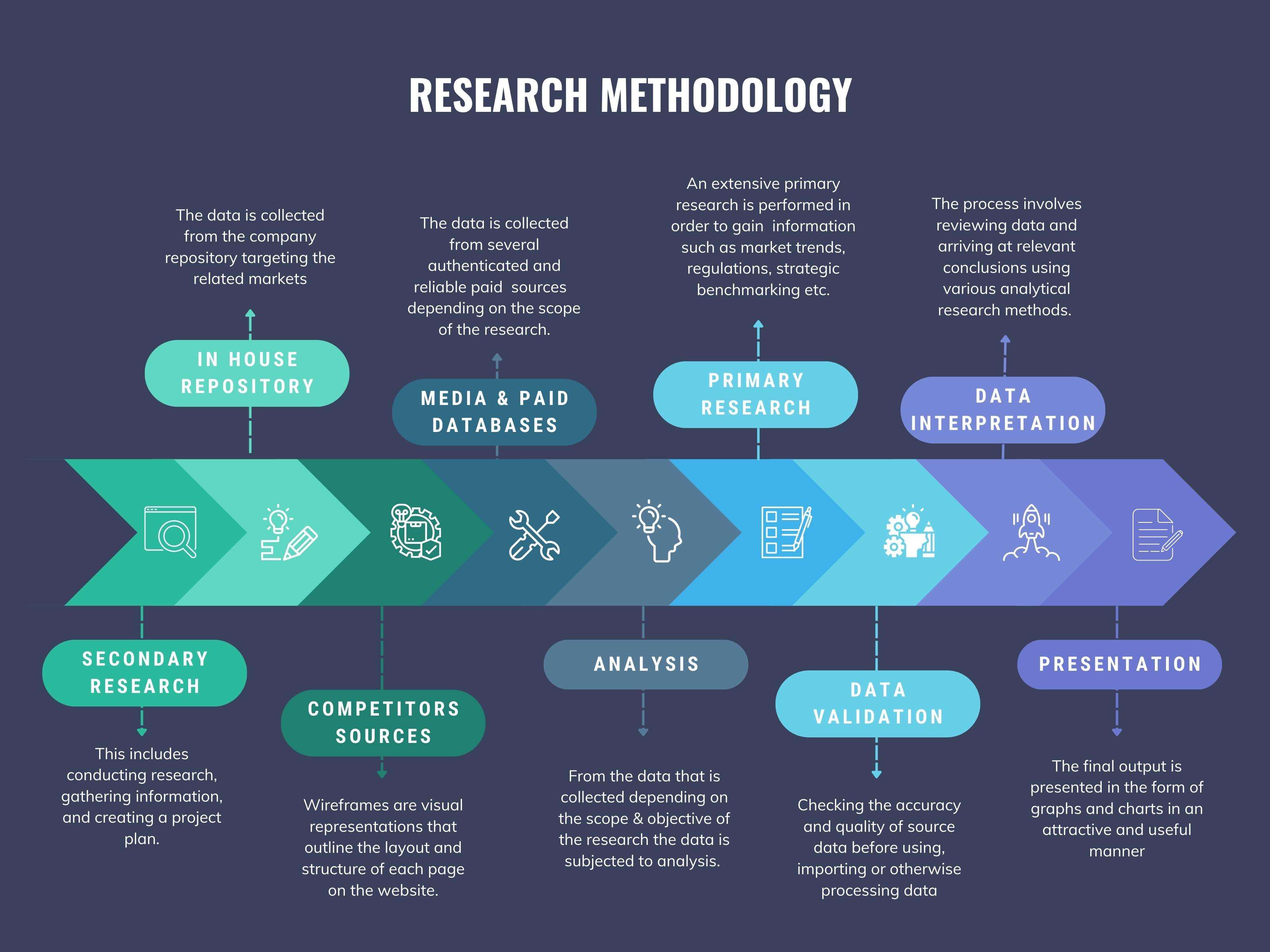
We at ‘Stratistics’ opt for an extensive research approach which involves data mining, data validation, and data analysis. The various research sources include in-house repository, secondary research, competitor’s sources, social media research, client internal data, and primary research.
Our team of analysts prefers the most reliable and authenticated data sources in order to perform the comprehensive literature search. With access to most of the authenticated data bases our team highly considers the best mix of information through various sources to obtain extensive and accurate analysis.
Each report takes an average time of a month and a team of 4 industry analysts. The time may vary depending on the scope and data availability of the desired market report. The various parameters used in the market assessment are standardized in order to enhance the data accuracy.
Data Mining
The data is collected from several authenticated, reliable, paid and unpaid sources and is filtered depending on the scope & objective of the research. Our reports repository acts as an added advantage in this procedure. Data gathering from the raw material suppliers, distributors and the manufacturers is performed on a regular basis, this helps in the comprehensive understanding of the products value chain. Apart from the above mentioned sources the data is also collected from the industry consultants to ensure the objective of the study is in the right direction.
Market trends such as technological advancements, regulatory affairs, market dynamics (Drivers, Restraints, Opportunities and Challenges) are obtained from scientific journals, market related national & international associations and organizations.
Data Analysis
From the data that is collected depending on the scope & objective of the research the data is subjected for the analysis. The critical steps that we follow for the data analysis include:
- Product Lifecycle Analysis
- Competitor analysis
- Risk analysis
- Porters Analysis
- PESTEL Analysis
- SWOT Analysis
The data engineering is performed by the core industry experts considering both the Marketing Mix Modeling and the Demand Forecasting. The marketing mix modeling makes use of multiple-regression techniques to predict the optimal mix of marketing variables. Regression factor is based on a number of variables and how they relate to an outcome such as sales or profits.
Data Validation
The data validation is performed by the exhaustive primary research from the expert interviews. This includes telephonic interviews, focus groups, face to face interviews, and questionnaires to validate our research from all aspects. The industry experts we approach come from the leading firms, involved in the supply chain ranging from the suppliers, distributors to the manufacturers and consumers so as to ensure an unbiased analysis.
We are in touch with more than 15,000 industry experts with the right mix of consultants, CEO's, presidents, vice presidents, managers, experts from both supply side and demand side, executives and so on.
The data validation involves the primary research from the industry experts belonging to:
- Leading Companies
- Suppliers & Distributors
- Manufacturers
- Consumers
- Industry/Strategic Consultants
Apart from the data validation the primary research also helps in performing the fill gap research, i.e. providing solutions for the unmet needs of the research which helps in enhancing the reports quality.
For more details about research methodology, kindly write to us at info@strategymrc.com
Frequently Asked Questions
In case of any queries regarding this report, you can contact the customer service by filing the “Inquiry Before Buy” form available on the right hand side. You may also contact us through email: info@strategymrc.com or phone: +1-301-202-5929
Yes, the samples are available for all the published reports. You can request them by filling the “Request Sample” option available in this page.
Yes, you can request a sample with your specific requirements. All the customized samples will be provided as per the requirement with the real data masked.
All our reports are available in Digital PDF format. In case if you require them in any other formats, such as PPT, Excel etc you can submit a request through “Inquiry Before Buy” form available on the right hand side. You may also contact us through email: info@strategymrc.com or phone: +1-301-202-5929
We offer a free 15% customization with every purchase. This requirement can be fulfilled for both pre and post sale. You may send your customization requirements through email at info@strategymrc.com or call us on +1-301-202-5929.
We have 3 different licensing options available in electronic format.
- Single User Licence: Allows one person, typically the buyer, to have access to the ordered product. The ordered product cannot be distributed to anyone else.
- 2-5 User Licence: Allows the ordered product to be shared among a maximum of 5 people within your organisation.
- Corporate License: Allows the product to be shared among all employees of your organisation regardless of their geographical location.
All our reports are typically be emailed to you as an attachment.
To order any available report you need to register on our website. The payment can be made either through CCAvenue or PayPal payments gateways which accept all international cards.
We extend our support to 6 months post sale. A post sale customization is also provided to cover your unmet needs in the report.
Request Customization
We offer complimentary customization of up to 15% with every purchase. To share your customization requirements, feel free to email us at info@strategymrc.com or call us on +1-301-202-5929. .
Please Note: Customization within the 15% threshold is entirely free of charge. If your request exceeds this limit, we will conduct a feasibility assessment. Following that, a detailed quote and timeline will be provided.
WHY CHOOSE US ?

Assured Quality
Best in class reports with high standard of research integrity

24X7 Research Support
Continuous support to ensure the best customer experience.

Free Customization
Adding more values to your product of interest.

Safe & Secure Access
Providing a secured environment for all online transactions.

Trusted by 600+ Brands
Serving the most reputed brands across the world.