
Robotics Education Platforms Market
Robotics Education Platforms Market Forecasts to 2034 – Global Analysis By Component (Hardware, Software and Services), Robot Type, Learning Level, Delivery Mode, Application, End User and By Geography

Market Dynamics:
Driver:
Growing Emphasis on STEM Education
Educational systems worldwide are increasingly prioritizing STEM competencies and computational thinking as essential skills for the digital economy, driving institutional demand for hands-on learning tools that make abstract concepts tangible. Robotics platforms address this need by providing concrete, engaging experiences that integrate mechanical design, electronics, and programming into cohesive learning activities. As curricula evolve to incorporate coding and engineering fundamentals from earlier grade levels, schools and training providers seek scalable platforms that support progressive skill development, thereby expanding the addressable market for integrated hardware-software solutions aligned with national education standards.
Restraint:
High Total Cost of Ownership
The adoption of robotics education platforms requires substantial upfront investment in hardware kits, replacement components, and infrastructure, creating persistent barriers for resource-constrained schools and districts. Beyond acquisition costs, institutions face ongoing expenses for maintenance, software licensing, teacher professional development, and curriculum updates, which collectively strain limited educational budgets. These cost structures disproportionately affect public schools in underserved regions and limit market penetration among price-sensitive segments, while also creating challenges for vendors seeking to demonstrate return on investment to budget-constrained procurement decision-makers.
Opportunity:
Expansion of Blended Learning Models
The maturation of simulation software and remote-access laboratory technologies creates significant opportunities to extend robotics education beyond physical classroom constraints. Cloud-based simulation environments and virtual robot platforms enable learners to practice programming and control without dedicated hardware, opening access to students in schools that cannot afford physical kits. Vendors that develop integrated solutions combining simulation with periodic hands-on components can address a broader market while reducing per-student costs, particularly in distance education and after-school learning segments where flexibility and affordability are critical adoption factors.
Threat:
Rapid Technological Obsolescence
The fast pace of innovation in robotics hardware and software creates persistent threats of obsolescence for educational platforms, as institutions may defer purchases or demand frequent upgrades to remain current with industry standards. Schools that invest in proprietary ecosystems risk becoming locked into platforms that lose relevance as coding languages, microcontrollers, and robot form factors evolve. This dynamic pressures vendors to maintain backward compatibility and continuous content updates while managing development costs, and it discourages some institutions from committing to large-scale deployments until standards stabilize.
Covid-19 Impact:
The Covid-19 pandemic disrupted hands-on robotics instruction as school closures prevented access to physical kits and laboratory facilities, forcing educators to rapidly adopt simulation-based and remote learning alternatives. While this transition exposed the limitations of purely physical platforms, it also accelerated institutional familiarity with digital delivery models and hybrid instructional approaches. Post-pandemic, the structural shift toward blended learning has positioned robotics education platforms that integrate simulation and online curriculum as more resilient solutions, while also reinforcing demand for take-home kits that enable continued practice outside classroom environments.
The educational robot kits segment is expected to be the largest during the forecast period
The educational robot kits segment is expected to account for the largest market share during the forecast period, due to their foundational role as the primary hardware entry point for robotics instruction across K-12 and introductory higher education settings. These kits provide complete, ready-to-assemble packages that combine controllers, sensors, motors, and structural components with curriculum-aligned programming environments, enabling institutions to deploy hands-on learning without specialized engineering expertise. Their dominance is reinforced by strong brand recognition among established vendors and continuous product refreshes that incorporate new sensors and connectivity features, sustaining demand across diverse educational segments.
The cloud-based segment is expected to have the highest CAGR during the forecast period
Over the forecast period, the cloud-based segment is predicted to witness the highest growth rate, driven by institutional preferences for accessible, scalable delivery that reduces dependence on physical infrastructure. Cloud-based platforms enable centralized curriculum updates, remote access to simulation environments, and seamless integration with learning management systems, which is particularly valuable for schools seeking to extend robotics education beyond dedicated laboratory spaces. As connectivity improves and vendors offer browser-based programming environments that eliminate local installation requirements, adoption momentum accelerates across resource-constrained institutions and distance learning programs.
Region with largest share:
During the forecast period, the North America region is expected to hold the largest market share, due to early adoption of STEM education initiatives, well-funded school districts, and a mature ecosystem of established robotics education vendors. The United States dominates regional demand, supported by federal and state investments in computer science education and widespread participation in competitive robotics programs. Key players including LEGO Group, VEX Robotics, and Sphero maintain strong institutional relationships, while after-school learning centers and corporate training providers sustain demand for advanced platforms that reinforce the region's leadership position.
Region with highest CAGR:
Over the forecast period, the Asia Pacific region is anticipated to exhibit the highest CAGR, due to rapid expansion of STEM curricula and government-led initiatives to integrate robotics and coding into primary and secondary education. China's aggressive push into artificial intelligence and robotics education, Japan's programming education mandates, and South Korea's software education policies create substantial deployment opportunities across school systems. These factors, combined with large student populations and increasing household investment in supplementary learning, position the region for growth that outpaces mature Western markets.
Key players in the market
Some of the key players in Robotics Education Platforms Market include LEGO Group, VEX Robotics, Inc., Makeblock Co., Ltd., Sphero, Inc., ROBOTIS Co., Ltd., UBTECH Robotics Corp Ltd., Wonder Workshop, Inc., Arduino S.r.l., Raspberry Pi Ltd., Pitsco Education, Fischertechnik GmbH, SoftBank Robotics Group, ABB Ltd., FANUC Corporation, Universal Robots A/S, DOBOT, Elecfreaks, and Microbric Pty Ltd.
Key Developments:
In November 2026, UBTECH Robotics Corp Ltd. partnered with Digua Robot to launch an embodied intelligence education solution combining the Go2 quadruped and R1 humanoid with the Sunrise S100 computing platform for primary and secondary schools.
In October 2026, LEGO Group saw its education ecosystem expand as DCX signed a strategic agreement with Whales AI, committing $4 million to commercialize an AI-powered STEM robotics platform across North America.
In October 2026, Makeblock Co., Ltd. benefited from broader market momentum as educational institutions accelerated adoption of hands-on robotics platforms, with vendors increasingly offering integrated hardware, curriculum, and teacher training packages for classroom deployment.
In September 2026, Wonder Workshop, Inc. faced an expanding competitive landscape as new entrants and established players intensified efforts to deliver embodied AI learning systems, with curriculum integration and educator training emerging as key differentiators in institutional procurement decisions.
Components Covered:
• Hardware
• Software
• Services
Robot Types Covered:
• Mobile Robots
• Humanoid Robots
• Robotic Arms
• Collaborative Robots
• Other Robot Types
Learning Levels Covered:
• Primary Education
• Secondary Education
• Higher Education
• Vocational Training
Delivery Modes Covered:
• Classroom-Based
• Online
• Blended Learning
Applications Covered:
• STEM Education
• Coding and Computational Thinking
• Robotics Competitions
• Engineering Skill Development
• Research and Prototyping
End Users Covered:
• K-12 Schools
• Universities and Colleges
• Vocational Institutes
• After-School Learning Centers
• Corporate Training Providers
Regions Covered:
• North America
o United States
o Canada
o Mexico
• Europe
o United Kingdom
o Germany
o France
o Italy
o Spain
o Netherlands
o Belgium
o Sweden
o Switzerland
o Poland
o Rest of Europe
• Asia Pacific
o China
o Japan
o India
o South Korea
o Australia
o Indonesia
o Thailand
o Malaysia
o Singapore
o Vietnam
o Rest of Asia Pacific
• South America
o Brazil
o Argentina
o Colombia
o Chile
o Peru
o Rest of South America
• Rest of the World (RoW)
o Middle East
Saudi Arabia
United Arab Emirates
Qatar
Israel
Rest of Middle East
o Africa
South Africa
Egypt
Morocco
Rest of Africa
What our report offers:
- Market share assessments for the regional and country-level segments
- Strategic recommendations for the new entrants
- Covers Market data for the years 2023, 2024, 2025, 2026, 2027, 2028, 2030, 2032 and 2034
- Market Trends (Drivers, Constraints, Opportunities, Threats, Challenges, Investment Opportunities, and recommendations)
- Strategic recommendations in key business segments based on the market estimations
- Competitive landscaping mapping the key common trends
- Company profiling with detailed strategies, financials, and recent developments
- Supply chain trends mapping the latest technological advancements
Free Customization Offerings:
All the customers of this report will be entitled to receive one of the following free customization options:
• Company Profiling
o Comprehensive profiling of additional market players (up to 3)
o SWOT Analysis of key players (up to 3)
• Regional Segmentation
o Market estimations, Forecasts and CAGR of any prominent country as per the client's interest (Note: Depends on feasibility check)
• Competitive Benchmarking
o Benchmarking of key players based on product portfolio, geographical presence, and strategic alliances
Table of Contents
1 Executive Summary1.1 Market Snapshot and Key Highlights
1.2 Growth Drivers, Challenges, and Opportunities
1.3 Competitive Landscape Overview
1.4 Strategic Insights and Recommendations
2 Research Framework
2.1 Study Objectives and Scope
2.2 Stakeholder Analysis
2.3 Research Assumptions and Limitations
2.4 Research Methodology
2.4.1 Data Collection (Primary and Secondary)
2.4.2 Data Modeling and Estimation Techniques
2.4.3 Data Validation and Triangulation
2.4.4 Analytical and Forecasting Approach
3 Market Dynamics and Trend Analysis
3.1 Market Definition and Structure
3.2 Key Market Drivers
3.3 Market Restraints and Challenges
3.4 Growth Opportunities and Investment Hotspots
3.5 Industry Threats and Risk Assessment
3.6 Technology and Innovation Landscape
3.7 Emerging and High-Growth Markets
3.8 Regulatory and Policy Environment
3.9 Impact of COVID-19 and Recovery Outlook
4 Competitive and Strategic Assessment
4.1 Porter's Five Forces Analysis
4.1.1 Supplier Bargaining Power
4.1.2 Buyer Bargaining Power
4.1.3 Threat of Substitutes
4.1.4 Threat of New Entrants
4.1.5 Competitive Rivalry
4.2 Market Share Analysis of Key Players
4.3 Product Benchmarking and Performance Comparison
5 Global Robotics Education Platforms Market, By Component
5.1 Hardware
5.1.1 Educational Robot Kits
5.1.2 Robotic Arms
5.1.3 Sensors and Controllers
5.2 Software
5.2.1 Coding and Programming Platforms
5.2.2 Simulation Software
5.2.3 Learning Management Tools
5.3 Services
5.3.1 Curriculum Development
5.3.2 Teacher Training
5.3.3 Technical Support
6 Global Robotics Education Platforms Market, By Robot Type
6.1 Mobile Robots
6.2 Humanoid Robots
6.3 Robotic Arms
6.4 Collaborative Robots
6.5 Other Robot Types
7 Global Robotics Education Platforms Market, By Learning Level
7.1 Primary Education
7.2 Secondary Education
7.3 Higher Education
7.4 Vocational Training
8 Global Robotics Education Platforms Market, By Delivery Mode
8.1 Classroom-Based
8.2 Online
8.3 Blended Learning
9 Global Robotics Education Platforms Market, By Application
9.1 STEM Education
9.2 Coding and Computational Thinking
9.3 Robotics Competitions
9.4 Engineering Skill Development
9.5 Research and Prototyping
10 Global Robotics Education Platforms Market, By End User
10.1 K-12 Schools
10.2 Universities and Colleges
10.3 Vocational Institutes
10.4 After-School Learning Centers
10.5 Corporate Training Providers
11 Global Robotics Education Platforms Market, By Geography
11.1 North America
11.1.1 United States
11.1.2 Canada
11.1.3 Mexico
11.2 Europe
11.2.1 United Kingdom
11.2.2 Germany
11.2.3 France
11.2.4 Italy
11.2.5 Spain
11.2.6 Netherlands
11.2.7 Belgium
11.2.8 Sweden
11.2.9 Switzerland
11.2.10 Poland
11.2.11 Rest of Europe
11.3 Asia Pacific
11.3.1 China
11.3.2 Japan
11.3.3 India
11.3.4 South Korea
11.3.5 Australia
11.3.6 Indonesia
11.3.7 Thailand
11.3.8 Malaysia
11.3.9 Singapore
11.3.10 Vietnam
11.3.11 Rest of Asia Pacific
11.4 South America
11.4.1 Brazil
11.4.2 Argentina
11.4.3 Colombia
11.4.4 Chile
11.4.5 Peru
11.4.6 Rest of South America
11.5 Rest of the World (RoW)
11.5.1 Middle East
11.5.1.1 Saudi Arabia
11.5.1.2 United Arab Emirates
11.5.1.3 Qatar
11.5.1.4 Israel
11.5.1.5 Rest of Middle East
11.5.2 Africa
11.5.2.1 South Africa
11.5.2.2 Egypt
11.5.2.3 Morocco
11.5.2.4 Rest of Africa
12 Strategic Market Intelligence
12.1 Industry Value Network and Supply Chain Assessment
12.2 White-Space and Opportunity Mapping
12.3 Product Evolution and Market Life Cycle Analysis
12.4 Channel, Distributor, and Go-to-Market Assessment
13 Industry Developments and Strategic Initiatives
13.1 Mergers and Acquisitions
13.2 Partnerships, Alliances, and Joint Ventures
13.3 New Product Launches and Certifications
13.4 Capacity Expansion and Investments
13.5 Other Strategic Initiatives
14 Company Profiles
14.1 LEGO Group
14.2 VEX Robotics, Inc.
14.3 Makeblock Co., Ltd.
14.4 Sphero, Inc.
14.5 ROBOTIS Co., Ltd.
14.6 UBTECH Robotics Corp Ltd.
14.7 Wonder Workshop, Inc.
14.8 Arduino S.r.l.
14.9 Raspberry Pi Ltd.
14.10 Pitsco Education
14.11 Fischertechnik GmbH
14.12 SoftBank Robotics Group
14.13 ABB Ltd.
14.14 FANUC Corporation
14.15 Universal Robots A/S
14.16 DOBOT
14.17 Elecfreaks
14.18 Microbric Pty Ltd.
List of Tables
1 Global Robotics Education Platforms Market Outlook, By Region (2023-2034) ($MN)
2 Global Robotics Education Platforms Market Outlook, By Component (2023-2034) ($MN)
3 Global Robotics Education Platforms Market Outlook, By Hardware (2023-2034) ($MN)
4 Global Robotics Education Platforms Market Outlook, By Educational Robot Kits (2023-2034) ($MN)
5 Global Robotics Education Platforms Market Outlook, By Robotic Arms (2023-2034) ($MN)
6 Global Robotics Education Platforms Market Outlook, By Sensors and Controllers (2023-2034) ($MN)
7 Global Robotics Education Platforms Market Outlook, By Software (2023-2034) ($MN)
8 Global Robotics Education Platforms Market Outlook, By Coding and Programming Platforms (2023-2034) ($MN)
9 Global Robotics Education Platforms Market Outlook, By Simulation Software (2023-2034) ($MN)
10 Global Robotics Education Platforms Market Outlook, By Learning Management Tools (2023-2034) ($MN)
11 Global Robotics Education Platforms Market Outlook, By Services (2023-2034) ($MN)
12 Global Robotics Education Platforms Market Outlook, By Curriculum Development (2023-2034) ($MN)
13 Global Robotics Education Platforms Market Outlook, By Teacher Training (2023-2034) ($MN)
14 Global Robotics Education Platforms Market Outlook, By Technical Support (2023-2034) ($MN)
15 Global Robotics Education Platforms Market Outlook, By Robot Type (2023-2034) ($MN)
16 Global Robotics Education Platforms Market Outlook, By Mobile Robots (2023-2034) ($MN)
17 Global Robotics Education Platforms Market Outlook, By Humanoid Robots (2023-2034) ($MN)
18 Global Robotics Education Platforms Market Outlook, By Robotic Arms (2023-2034) ($MN)
19 Global Robotics Education Platforms Market Outlook, By Collaborative Robots (2023-2034) ($MN)
20 Global Robotics Education Platforms Market Outlook, By Other Robot Types (2023-2034) ($MN)
21 Global Robotics Education Platforms Market Outlook, By Learning Level (2023-2034) ($MN)
22 Global Robotics Education Platforms Market Outlook, By Primary Education (2023-2034) ($MN)
23 Global Robotics Education Platforms Market Outlook, By Secondary Education (2023-2034) ($MN)
24 Global Robotics Education Platforms Market Outlook, By Higher Education (2023-2034) ($MN)
25 Global Robotics Education Platforms Market Outlook, By Vocational Training (2023-2034) ($MN)
26 Global Robotics Education Platforms Market Outlook, By Delivery Mode (2023-2034) ($MN)
27 Global Robotics Education Platforms Market Outlook, By Classroom-Based (2023-2034) ($MN)
28 Global Robotics Education Platforms Market Outlook, By Online (2023-2034) ($MN)
29 Global Robotics Education Platforms Market Outlook, By Blended Learning (2023-2034) ($MN)
30 Global Robotics Education Platforms Market Outlook, By Application (2023-2034) ($MN)
31 Global Robotics Education Platforms Market Outlook, By STEM Education (2023-2034) ($MN)
32 Global Robotics Education Platforms Market Outlook, By Coding and Computational Thinking (2023-2034) ($MN)
33 Global Robotics Education Platforms Market Outlook, By Robotics Competitions (2023-2034) ($MN)
34 Global Robotics Education Platforms Market Outlook, By Engineering Skill Development (2023-2034) ($MN)
35 Global Robotics Education Platforms Market Outlook, By Research and Prototyping (2023-2034) ($MN)
36 Global Robotics Education Platforms Market Outlook, By End User (2023-2034) ($MN)
37 Global Robotics Education Platforms Market Outlook, By K-12 Schools (2023-2034) ($MN)
38 Global Robotics Education Platforms Market Outlook, By Universities and Colleges (2023-2034) ($MN)
39 Global Robotics Education Platforms Market Outlook, By Vocational Institutes (2023-2034) ($MN)
40 Global Robotics Education Platforms Market Outlook, By After-School Learning Centers (2023-2034) ($MN)
41 Global Robotics Education Platforms Market Outlook, By Corporate Training Providers (2023-2034) ($MN)
Note: Tables for North America, Europe, APAC, South America, and Rest of the World (RoW) Regions are also represented in the same manner as above.
List of Figures
RESEARCH METHODOLOGY
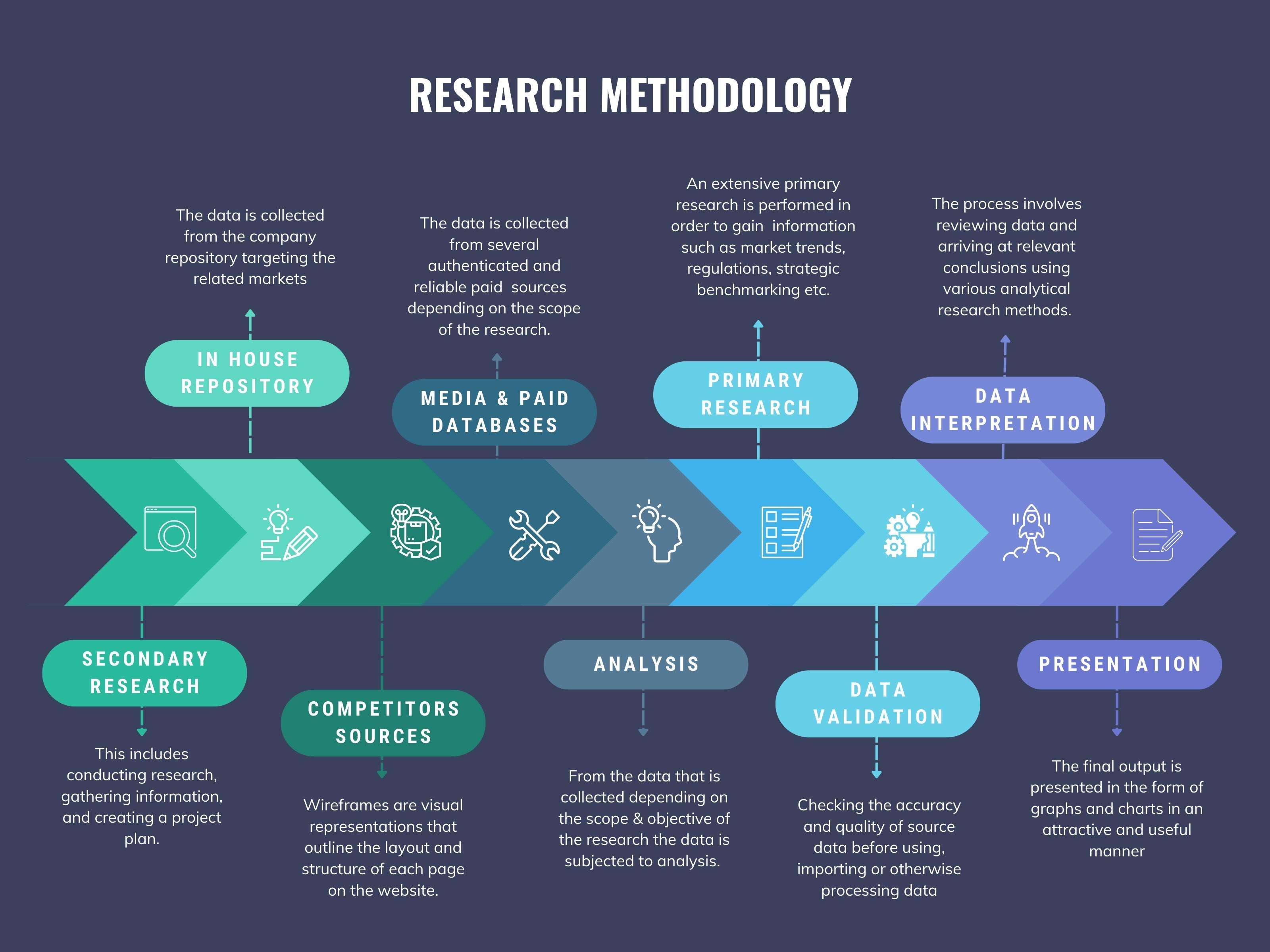
We at ‘Stratistics’ opt for an extensive research approach which involves data mining, data validation, and data analysis. The various research sources include in-house repository, secondary research, competitor’s sources, social media research, client internal data, and primary research.
Our team of analysts prefers the most reliable and authenticated data sources in order to perform the comprehensive literature search. With access to most of the authenticated data bases our team highly considers the best mix of information through various sources to obtain extensive and accurate analysis.
Each report takes an average time of a month and a team of 4 industry analysts. The time may vary depending on the scope and data availability of the desired market report. The various parameters used in the market assessment are standardized in order to enhance the data accuracy.
Data Mining
The data is collected from several authenticated, reliable, paid and unpaid sources and is filtered depending on the scope & objective of the research. Our reports repository acts as an added advantage in this procedure. Data gathering from the raw material suppliers, distributors and the manufacturers is performed on a regular basis, this helps in the comprehensive understanding of the products value chain. Apart from the above mentioned sources the data is also collected from the industry consultants to ensure the objective of the study is in the right direction.
Market trends such as technological advancements, regulatory affairs, market dynamics (Drivers, Restraints, Opportunities and Challenges) are obtained from scientific journals, market related national & international associations and organizations.
Data Analysis
From the data that is collected depending on the scope & objective of the research the data is subjected for the analysis. The critical steps that we follow for the data analysis include:
- Product Lifecycle Analysis
- Competitor analysis
- Risk analysis
- Porters Analysis
- PESTEL Analysis
- SWOT Analysis
The data engineering is performed by the core industry experts considering both the Marketing Mix Modeling and the Demand Forecasting. The marketing mix modeling makes use of multiple-regression techniques to predict the optimal mix of marketing variables. Regression factor is based on a number of variables and how they relate to an outcome such as sales or profits.
Data Validation
The data validation is performed by the exhaustive primary research from the expert interviews. This includes telephonic interviews, focus groups, face to face interviews, and questionnaires to validate our research from all aspects. The industry experts we approach come from the leading firms, involved in the supply chain ranging from the suppliers, distributors to the manufacturers and consumers so as to ensure an unbiased analysis.
We are in touch with more than 15,000 industry experts with the right mix of consultants, CEO's, presidents, vice presidents, managers, experts from both supply side and demand side, executives and so on.
The data validation involves the primary research from the industry experts belonging to:
- Leading Companies
- Suppliers & Distributors
- Manufacturers
- Consumers
- Industry/Strategic Consultants
Apart from the data validation the primary research also helps in performing the fill gap research, i.e. providing solutions for the unmet needs of the research which helps in enhancing the reports quality.
For more details about research methodology, kindly write to us at info@strategymrc.com
Frequently Asked Questions
In case of any queries regarding this report, you can contact the customer service by filing the “Inquiry Before Buy” form available on the right hand side. You may also contact us through email: info@strategymrc.com or phone: +1-301-202-5929
Yes, the samples are available for all the published reports. You can request them by filling the “Request Sample” option available in this page.
Yes, you can request a sample with your specific requirements. All the customized samples will be provided as per the requirement with the real data masked.
All our reports are available in Digital PDF format. In case if you require them in any other formats, such as PPT, Excel etc you can submit a request through “Inquiry Before Buy” form available on the right hand side. You may also contact us through email: info@strategymrc.com or phone: +1-301-202-5929
We offer a free 15% customization with every purchase. This requirement can be fulfilled for both pre and post sale. You may send your customization requirements through email at info@strategymrc.com or call us on +1-301-202-5929.
We have 3 different licensing options available in electronic format.
- Single User Licence: Allows one person, typically the buyer, to have access to the ordered product. The ordered product cannot be distributed to anyone else.
- 2-5 User Licence: Allows the ordered product to be shared among a maximum of 5 people within your organisation.
- Corporate License: Allows the product to be shared among all employees of your organisation regardless of their geographical location.
All our reports are typically be emailed to you as an attachment.
To order any available report you need to register on our website. The payment can be made either through CCAvenue or PayPal payments gateways which accept all international cards.
We extend our support to 6 months post sale. A post sale customization is also provided to cover your unmet needs in the report.
Request Customization
We offer complimentary customization of up to 15% with every purchase. To share your customization requirements, feel free to email us at info@strategymrc.com or call us on +1-301-202-5929. .
Please Note: Customization within the 15% threshold is entirely free of charge. If your request exceeds this limit, we will conduct a feasibility assessment. Following that, a detailed quote and timeline will be provided.
WHY CHOOSE US ?

Assured Quality
Best in class reports with high standard of research integrity

24X7 Research Support
Continuous support to ensure the best customer experience.

Free Customization
Adding more values to your product of interest.

Safe & Secure Access
Providing a secured environment for all online transactions.

Trusted by 600+ Brands
Serving the most reputed brands across the world.