
Self Disinfecting Biopolymer Market
Self-Disinfecting Biopolymer Market Forecasts to 2032 – Global Analysis By Biopolymer Type (Polylactic Acid [PLA], Polyhydroxyalkanoates [PHA], Starch Blends, Cellulose Derivatives and Other Biopolymer Types), Disinfecting Mechanism (Metal/Metallic Nanoparticle-Based, Biobased Antimicrobial Additives, Photocatalytic Biopolymers, Enzyme-Embedded Polymers and Other Mechanisms), Form, Application and By Geography

According to Stratistics MRC, the Global Self-Disinfecting Biopolymer Market is accounted for $401.4 million in 2025 and is expected to reach $1048.5 million by 2032 growing at a CAGR of 14.7% during the forecast period. Self-disinfecting biopolymers are advanced materials engineered to inhibit microbial growth through embedded antimicrobial agents or photocatalytic properties. These biodegradable polymers are applied in medical devices, packaging, textiles, and surfaces requiring continuous protection against pathogens. Market growth is driven by demand for sustainable and hygienic materials, especially in healthcare and food industries. COVID-19 accelerated interest in antimicrobial solutions, pushing innovation in eco-friendly polymers. Integration of nanotechnology and green chemistry is enhancing effectiveness, supporting wider adoption of self-disinfecting biopolymers in safety-focused industries worldwide.
Market Dynamics:
Driver:
Rising demand for hygienic materials
The primary market driver is the escalating demand for advanced hygienic materials, particularly within the healthcare and packaging sectors. This is fueled by heightened public health awareness and a persistent focus on infection prevention protocols post-pandemic. Self-disinfecting biopolymers offer a proactive solution by continuously mitigating microbial surface colonization, thereby reducing fomite transmission risks. This inherent value proposition is compelling for medical devices, food contact surfaces, and high-touch public areas, directly catalyzing market growth as industries seek to integrate enhanced safety features into their products and operational environments.
Restraint:
Limited industrial-scale adoption
While promising in R&D settings, many self-disinfecting biopolymer formulations face technical hurdles related to maintaining antimicrobial efficacy, polymer stability, and mechanical properties at a larger scale. Additionally, the integration of active antimicrobial compounds can substantially increase raw material and processing costs compared to conventional polymers. This economic and technical barrier discourages widespread adoption, especially in price-sensitive applications, limiting market penetration despite the technology's proven potential.
Opportunity:
Demand from sustainability-conscious industries
Industries such as food packaging, consumer goods, and construction are increasingly mandated by both regulation and consumer preference to adopt eco-friendly alternatives to petroleum-based plastics. A biopolymer that offers both a reduced carbon footprint and intrinsic antimicrobial activity represents a highly attractive value proposition. This dual benefit can command a premium price and capture market share from conventional materials, opening new revenue streams and application areas for innovators in this space.
Threat:
Regulatory uncertainty for new polymers
The market faces a considerable threat from complex and evolving regulatory landscapes governing novel polymer compositions, especially those incorporating antimicrobial agents. Achieving approvals from bodies like the FDA (Food and Drug Administration) and EPA (Environmental Protection Agency) for food-contact or public health applications is a protracted, costly, and uncertain process. Moreover, regulations concerning biocide usage and environmental impact are stringent and vary globally. This uncertainty can delay product launches, increase compliance costs, and potentially restrict the use of certain advanced formulations, thereby posing a substantial barrier to market entry and expansion.
Covid-19 Impact:
The COVID-19 pandemic acted as a profound catalyst for the self-disinfecting biopolymer market. It triggered a paradigm shift in hygiene consciousness, drastically accelerating the demand for materials with intrinsic antimicrobial properties across healthcare, public touchpoints, and packaging. This surge highlighted the critical need to reduce surface-mediated viral transmission, pushing industries to urgently seek innovative solutions beyond traditional cleaning. Consequently, investment in R&D and commercial interest in these advanced materials skyrocketed, fast-tracking development and solidifying their strategic importance in future pandemic preparedness and everyday health safety.
The polylactic acid (PLA) segment is expected to be the largest during the forecast period
The polylactic acid (PLA) segment is expected to account for the largest market share during the forecast period due to its well-established commercial availability, compostability, and favorable regulatory status, particularly for packaging applications. Its compatibility with various processing techniques like injection molding and thermoforming makes it a versatile substrate for incorporating antimicrobial additives. Furthermore, its derivation from renewable resources like cornstarch aligns perfectly with sustainability trends. The existing robust supply chain and continuous production capacity enhancements for PLA provide a solid foundation for its dominance in the self-disinfecting biopolymer market.
The biobased antimicrobial additives segment is expected to have the highest CAGR during the forecast period
Over the forecast period, the biobased antimicrobial additives segment is predicted to witness the highest growth rate, driven by the strong preference for natural and non-toxic active ingredients over their synthetic counterparts. Additives derived from sources like chitosan, essential oils, and plant extracts are gaining traction as they address growing consumer concerns about chemical residues and potential antibiotic resistance. Their integration into biopolymers creates a fully bio-based and sustainable product with a compelling marketing narrative. This alignment with the clean-label movement, particularly in food packaging and medical devices, is a key factor propelling its rapid growth.
Region with largest share:
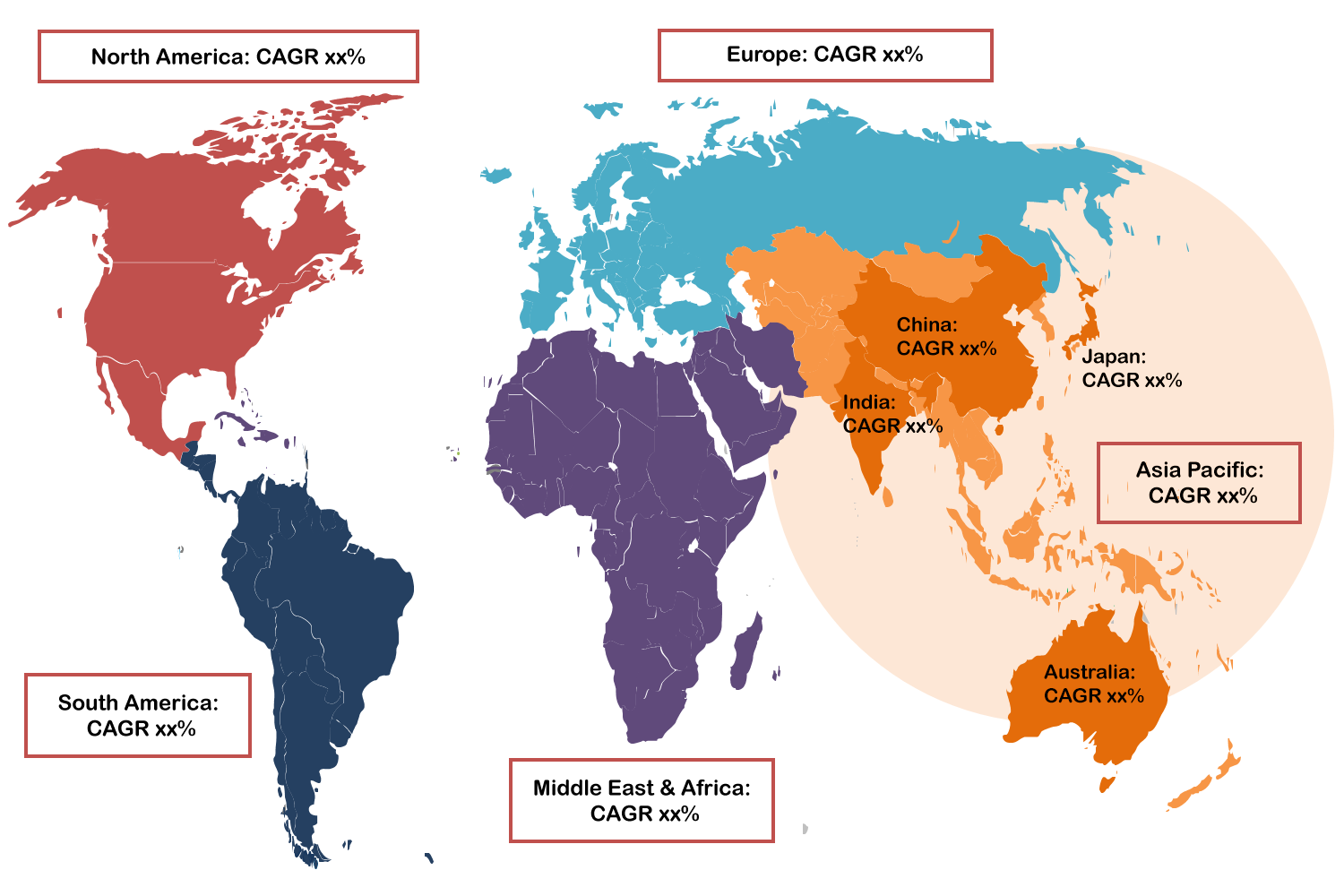
During the forecast period, the North America region is expected to hold the largest market share, attributable to its advanced healthcare infrastructure, stringent hygiene regulations, and high consumer awareness regarding health and sustainability. The presence of major key players and a strong focus on technological innovation in the packaging and medical sectors further drive adoption. Moreover, supportive government initiatives and a well-established regulatory framework for new materials provide a conducive environment for market growth, consolidating the region's leading position in the adoption of self-disinfecting biopolymer solutions.
Region with highest CAGR:
Over the forecast period, the Asia Pacific region is anticipated to exhibit the highest CAGR, fueled by rapid industrialization, expanding manufacturing capabilities, and a burgeoning packaging industry. Rising disposable incomes, growing health consciousness, and increasing government investments in healthcare infrastructure post-pandemic are key growth catalysts. Additionally, the presence of a massive consumer base and increasing environmental regulations against single-use plastics are creating immense opportunities for sustainable alternatives like self-disinfecting biopolymers. The region's dynamic economic landscape and escalating demand for advanced materials position it as a high-growth market.
Key players in the market
Some of the key players in Self-Disinfecting Biopolymer Market include Addmaster, Avient, BASF, BioCote, Biome Bioplastics, Braskem, Corbion, Danimer Scientific, DuPont, King Plastic Corporation, Microban International, Mitsubishi Chemical, NatureWorks, Novamont, Parx Plastics, Plantic Technologies, Sanitized AG, Sciessent, Teknor Apex, and TotalEnergies.
Key Developments:
In January 2023, Sanitized AG published “Advanced Antimicrobial Technology for Your Polymer Application,” detailing durable antimicrobial protection options for thermoplastic and coated polymer items, targeting bacteria, mold, biofilm, and odors.
In November 2022, Announced it would showcase next‑generation antimicrobial technologies for plastics at PLASTINDIA 2023, highlighting built‑in antimicrobial protection for polymer applications.
In May 2021, Launched GLS TPEs with built‑in antimicrobial additives (Versaflex and OnFlex grades) tested per JIS Z2801 and ASTM G21‑15, aimed at high‑touch polymer parts; announcement notes EPA‑registered antimicrobial chemistry and applications across consumer and automotive.
Biopolymer Types Covered:
• Polylactic Acid (PLA)
• Polyhydroxyalkanoates (PHA)
• Starch Blends
• Cellulose Derivatives
• Other Biopolymer Types
Disinfecting Mechanisms:
• Metal/Metallic Nanoparticle-Based
• Biobased Antimicrobial Additives
• Photocatalytic Biopolymers
• Enzyme-Embedded Polymers
• Other Mechanisms
Forms Covered:
• Coatings
• Additives
• Masterbatches
• Resins & Pellets
Applications Covered:
• Packaging
• Medical & Healthcare
• Consumer Goods
• Textiles
• Other Applications
Regions Covered:
• North America
o US
o Canada
o Mexico
• Europe
o Germany
o UK
o Italy
o France
o Spain
o Rest of Europe
• Asia Pacific
o Japan
o China
o India
o Australia
o New Zealand
o South Korea
o Rest of Asia Pacific
• South America
o Argentina
o Brazil
o Chile
o Rest of South America
• Middle East & Africa
o Saudi Arabia
o UAE
o Qatar
o South Africa
o Rest of Middle East & Africa
What our report offers:
- Market share assessments for the regional and country-level segments
- Strategic recommendations for the new entrants
- Covers Market data for the years 2024, 2025, 2026, 2028, and 2032
- Market Trends (Drivers, Constraints, Opportunities, Threats, Challenges, Investment Opportunities, and recommendations)
- Strategic recommendations in key business segments based on the market estimations
- Competitive landscaping mapping the key common trends
- Company profiling with detailed strategies, financials, and recent developments
- Supply chain trends mapping the latest technological advancements
Free Customization Offerings:
All the customers of this report will be entitled to receive one of the following free customization options:
• Company Profiling
o Comprehensive profiling of additional market players (up to 3)
o SWOT Analysis of key players (up to 3)
• Regional Segmentation
o Market estimations, Forecasts and CAGR of any prominent country as per the client's interest (Note: Depends on feasibility check)
• Competitive Benchmarking
o Benchmarking of key players based on product portfolio, geographical presence, and strategic alliances
Table of Contents
1 Executive Summary
2 Preface
2.1 Abstract
2.2 Stake Holders
2.3 Research Scope
2.4 Research Methodology
2.4.1 Data Mining
2.4.2 Data Analysis
2.4.3 Data Validation
2.4.4 Research Approach
2.5 Research Sources
2.5.1 Primary Research Sources
2.5.2 Secondary Research Sources
2.5.3 Assumptions
3 Market Trend Analysis
3.1 Introduction
3.2 Drivers
3.3 Restraints
3.4 Opportunities
3.5 Threats
3.6 Application Analysis
3.7 Emerging Markets
3.8 Impact of Covid-19
4 Porters Five Force Analysis
4.1 Bargaining power of suppliers
4.2 Bargaining power of buyers
4.3 Threat of substitutes
4.4 Threat of new entrants
4.5 Competitive rivalry
5 Global Self-Disinfecting Biopolymer Market, By Biopolymer Type
5.1 Introduction
5.2 Polylactic Acid (PLA)
5.3 Polyhydroxyalkanoates (PHA)
5.4 Starch Blends
5.5 Cellulose Derivatives
5.6 Other Biopolymer Types
6 Global Self-Disinfecting Biopolymer Market, By Disinfecting Mechanism
6.1 Introduction
6.2 Metal/Metallic Nanoparticle-Based
6.3 Biobased Antimicrobial Additives
6.4 Photocatalytic Biopolymers
6.5 Enzyme-Embedded Polymers
6.6 Other Mechanisms
7 Global Self-Disinfecting Biopolymer Market, By Form
7.1 Introduction
7.2 Coatings
7.3 Additives
7.4 Masterbatches
7.5 Resins & Pellets
8 Global Self-Disinfecting Biopolymer Market, By Application
8.1 Introduction
8.2 Packaging
8.2.1 Food & Beverage Packaging
8.2.2 Pharmaceutical Packaging
8.2.3 Consumer Goods Packaging
8.3 Medical & Healthcare
8.3.1 Medical Devices & Equipment
8.3.2 Implants
8.3.3 Wound Care
8.3.4 Hospital Surfaces & Furniture
8.4 Consumer Goods
8.4.1 Appliances
8.4.2 Personal Care Products
8.4.3 Toys
8.5 Textiles
8.5.1 Medical Textiles
8.5.2 Apparel
8.5.3 Home Furnishings
8.6 Other Applications
9 Global Self-Disinfecting Biopolymer Market, By Geography
9.1 Introduction
9.2 North America
9.2.1 US
9.2.2 Canada
9.2.3 Mexico
9.3 Europe
9.3.1 Germany
9.3.2 UK
9.3.3 Italy
9.3.4 France
9.3.5 Spain
9.3.6 Rest of Europe
9.4 Asia Pacific
9.4.1 Japan
9.4.2 China
9.4.3 India
9.4.4 Australia
9.4.5 New Zealand
9.4.6 South Korea
9.4.7 Rest of Asia Pacific
9.5 South America
9.5.1 Argentina
9.5.2 Brazil
9.5.3 Chile
9.5.4 Rest of South America
9.6 Middle East & Africa
9.6.1 Saudi Arabia
9.6.2 UAE
9.6.3 Qatar
9.6.4 South Africa
9.6.5 Rest of Middle East & Africa
10 Key Developments
10.1 Agreements, Partnerships, Collaborations and Joint Ventures
10.2 Acquisitions & Mergers
10.3 New Product Launch
10.4 Expansions
10.5 Other Key Strategies
11 Company Profiling
11.1 Addmaster
11.2 Avient
11.3 BASF
11.4 BioCote
11.5 Biome Bioplastics
11.6 Braskem
11.7 Corbion
11.8 Danimer Scientific
11.9 DuPont
11.10 King Plastic Corporation
11.11 Microban International
11.12 Mitsubishi Chemical
11.13 NatureWorks
11.14 Novamont
11.15 Parx Plastics
11.16 Plantic Technologies
11.17 Sanitized AG
11.18 Sciessent
11.19 Teknor Apex
11.20 TotalEnergies
List of Tables
1 Global Self-Disinfecting Biopolymer Market Outlook, By Region (2024-2032) ($MN)
2 Global Self-Disinfecting Biopolymer Market Outlook, By Biopolymer Type (2024-2032) ($MN)
3 Global Self-Disinfecting Biopolymer Market Outlook, By Polylactic Acid (PLA) (2024-2032) ($MN)
4 Global Self-Disinfecting Biopolymer Market Outlook, By Polyhydroxyalkanoates (PHA) (2024-2032) ($MN)
5 Global Self-Disinfecting Biopolymer Market Outlook, By Starch Blends (2024-2032) ($MN)
6 Global Self-Disinfecting Biopolymer Market Outlook, By Cellulose Derivatives (2024-2032) ($MN)
7 Global Self-Disinfecting Biopolymer Market Outlook, By Other Biopolymer Types (2024-2032) ($MN)
8 Global Self-Disinfecting Biopolymer Market Outlook, By Disinfecting Mechanism (2024-2032) ($MN)
9 Global Self-Disinfecting Biopolymer Market Outlook, By Metal/Metallic Nanoparticle-Based (2024-2032) ($MN)
10 Global Self-Disinfecting Biopolymer Market Outlook, By Biobased Antimicrobial Additives (2024-2032) ($MN)
11 Global Self-Disinfecting Biopolymer Market Outlook, By Photocatalytic Biopolymers (2024-2032) ($MN)
12 Global Self-Disinfecting Biopolymer Market Outlook, By Enzyme-Embedded Polymers (2024-2032) ($MN)
13 Global Self-Disinfecting Biopolymer Market Outlook, By Other Mechanisms (2024-2032) ($MN)
14 Global Self-Disinfecting Biopolymer Market Outlook, By Form (2024-2032) ($MN)
15 Global Self-Disinfecting Biopolymer Market Outlook, By Coatings (2024-2032) ($MN)
16 Global Self-Disinfecting Biopolymer Market Outlook, By Additives (2024-2032) ($MN)
17 Global Self-Disinfecting Biopolymer Market Outlook, By Masterbatches (2024-2032) ($MN)
18 Global Self-Disinfecting Biopolymer Market Outlook, By Resins & Pellets (2024-2032) ($MN)
19 Global Self-Disinfecting Biopolymer Market Outlook, By Application (2024-2032) ($MN)
20 Global Self-Disinfecting Biopolymer Market Outlook, By Packaging (2024-2032) ($MN)
21 Global Self-Disinfecting Biopolymer Market Outlook, By Food & Beverage Packaging (2024-2032) ($MN)
22 Global Self-Disinfecting Biopolymer Market Outlook, By Pharmaceutical Packaging (2024-2032) ($MN)
23 Global Self-Disinfecting Biopolymer Market Outlook, By Consumer Goods Packaging (2024-2032) ($MN)
24 Global Self-Disinfecting Biopolymer Market Outlook, By Medical & Healthcare (2024-2032) ($MN)
25 Global Self-Disinfecting Biopolymer Market Outlook, By Medical Devices & Equipment (2024-2032) ($MN)
26 Global Self-Disinfecting Biopolymer Market Outlook, By Implants (2024-2032) ($MN)
27 Global Self-Disinfecting Biopolymer Market Outlook, By Wound Care (2024-2032) ($MN)
28 Global Self-Disinfecting Biopolymer Market Outlook, By Hospital Surfaces & Furniture (2024-2032) ($MN)
29 Global Self-Disinfecting Biopolymer Market Outlook, By Consumer Goods (2024-2032) ($MN)
30 Global Self-Disinfecting Biopolymer Market Outlook, By Appliances (2024-2032) ($MN)
31 Global Self-Disinfecting Biopolymer Market Outlook, By Personal Care Products (2024-2032) ($MN)
32 Global Self-Disinfecting Biopolymer Market Outlook, By Toys (2024-2032) ($MN)
33 Global Self-Disinfecting Biopolymer Market Outlook, By Textiles (2024-2032) ($MN)
34 Global Self-Disinfecting Biopolymer Market Outlook, By Medical Textiles (2024-2032) ($MN)
35 Global Self-Disinfecting Biopolymer Market Outlook, By Apparel (2024-2032) ($MN)
36 Global Self-Disinfecting Biopolymer Market Outlook, By Home Furnishings (2024-2032) ($MN)
37 Global Self-Disinfecting Biopolymer Market Outlook, By Other Applications (2024-2032) ($MN)
Note: Tables for North America, Europe, APAC, South America, and Middle East & Africa Regions are also represented in the same manner as above.
List of Figures
RESEARCH METHODOLOGY

We at ‘Stratistics’ opt for an extensive research approach which involves data mining, data validation, and data analysis. The various research sources include in-house repository, secondary research, competitor’s sources, social media research, client internal data, and primary research.
Our team of analysts prefers the most reliable and authenticated data sources in order to perform the comprehensive literature search. With access to most of the authenticated data bases our team highly considers the best mix of information through various sources to obtain extensive and accurate analysis.
Each report takes an average time of a month and a team of 4 industry analysts. The time may vary depending on the scope and data availability of the desired market report. The various parameters used in the market assessment are standardized in order to enhance the data accuracy.
Data Mining
The data is collected from several authenticated, reliable, paid and unpaid sources and is filtered depending on the scope & objective of the research. Our reports repository acts as an added advantage in this procedure. Data gathering from the raw material suppliers, distributors and the manufacturers is performed on a regular basis, this helps in the comprehensive understanding of the products value chain. Apart from the above mentioned sources the data is also collected from the industry consultants to ensure the objective of the study is in the right direction.
Market trends such as technological advancements, regulatory affairs, market dynamics (Drivers, Restraints, Opportunities and Challenges) are obtained from scientific journals, market related national & international associations and organizations.
Data Analysis
From the data that is collected depending on the scope & objective of the research the data is subjected for the analysis. The critical steps that we follow for the data analysis include:
- Product Lifecycle Analysis
- Competitor analysis
- Risk analysis
- Porters Analysis
- PESTEL Analysis
- SWOT Analysis
The data engineering is performed by the core industry experts considering both the Marketing Mix Modeling and the Demand Forecasting. The marketing mix modeling makes use of multiple-regression techniques to predict the optimal mix of marketing variables. Regression factor is based on a number of variables and how they relate to an outcome such as sales or profits.
Data Validation
The data validation is performed by the exhaustive primary research from the expert interviews. This includes telephonic interviews, focus groups, face to face interviews, and questionnaires to validate our research from all aspects. The industry experts we approach come from the leading firms, involved in the supply chain ranging from the suppliers, distributors to the manufacturers and consumers so as to ensure an unbiased analysis.
We are in touch with more than 15,000 industry experts with the right mix of consultants, CEO's, presidents, vice presidents, managers, experts from both supply side and demand side, executives and so on.
The data validation involves the primary research from the industry experts belonging to:
- Leading Companies
- Suppliers & Distributors
- Manufacturers
- Consumers
- Industry/Strategic Consultants
Apart from the data validation the primary research also helps in performing the fill gap research, i.e. providing solutions for the unmet needs of the research which helps in enhancing the reports quality.
For more details about research methodology, kindly write to us at info@strategymrc.com
Frequently Asked Questions
In case of any queries regarding this report, you can contact the customer service by filing the “Inquiry Before Buy” form available on the right hand side. You may also contact us through email: info@strategymrc.com or phone: +1-301-202-5929
Yes, the samples are available for all the published reports. You can request them by filling the “Request Sample” option available in this page.
Yes, you can request a sample with your specific requirements. All the customized samples will be provided as per the requirement with the real data masked.
All our reports are available in Digital PDF format. In case if you require them in any other formats, such as PPT, Excel etc you can submit a request through “Inquiry Before Buy” form available on the right hand side. You may also contact us through email: info@strategymrc.com or phone: +1-301-202-5929
We offer a free 15% customization with every purchase. This requirement can be fulfilled for both pre and post sale. You may send your customization requirements through email at info@strategymrc.com or call us on +1-301-202-5929.
We have 3 different licensing options available in electronic format.
- Single User Licence: Allows one person, typically the buyer, to have access to the ordered product. The ordered product cannot be distributed to anyone else.
- 2-5 User Licence: Allows the ordered product to be shared among a maximum of 5 people within your organisation.
- Corporate License: Allows the product to be shared among all employees of your organisation regardless of their geographical location.
All our reports are typically be emailed to you as an attachment.
To order any available report you need to register on our website. The payment can be made either through CCAvenue or PayPal payments gateways which accept all international cards.
We extend our support to 6 months post sale. A post sale customization is also provided to cover your unmet needs in the report.
Request Customization
We offer complimentary customization of up to 15% with every purchase. To share your customization requirements, feel free to email us at info@strategymrc.com or call us on +1-301-202-5929. .
Please Note: Customization within the 15% threshold is entirely free of charge. If your request exceeds this limit, we will conduct a feasibility assessment. Following that, a detailed quote and timeline will be provided.
WHY CHOOSE US ?

Assured Quality
Best in class reports with high standard of research integrity

24X7 Research Support
Continuous support to ensure the best customer experience.

Free Customization
Adding more values to your product of interest.

Safe & Secure Access
Providing a secured environment for all online transactions.

Trusted by 600+ Brands
Serving the most reputed brands across the world.
