
Telecom Network Slicing Market
Telecom Network Slicing Market Forecasts to 2032 – Global Analysis By Offering (Solutions and Services), Component, Application, End User and By Geography

According to Stratistics MRC, the Global Telecom Network Slicing Market is accounted for $1.92 billion in 2025 and is expected to reach $21.98 billion by 2032 growing at a CAGR of 41.66% during the forecast period. Telecom Network Slicing refers to the method of partitioning a single physical telecom network into several independent virtual slices, each configured for unique service needs. This technology enables operators to customize connectivity for use cases like smart IoT systems, autonomous transport, smart factories, and high-speed mobile access. Every slice has its own resource allocation, security mechanisms, and quality-assurance settings, ensuring dependable and predictable performance. Utilizing the strengths of 5G, network slicing brings greater agility, enhanced scalability, and improved operational control while lowering infrastructure burdens. It helps enterprises run critical applications efficiently and accelerates digital transformation, creating highly adaptable and future-focused communication environments.
According to 3GPP (Release 15 onward), network slicing is one of the key features introduced in 5G systems. It allows operators to provide customized networks flexibly with different functionalities for diverse services or groups of users with specific service requirements. 3GPP stresses that slicing also introduces new security-by-design challenges, such as privacy and vertical-specific security demands.
Market Dynamics:
Driver:
Rising 5G deployment and adoption
The expanding implementation of 5G infrastructure globally is significantly boosting the Telecom Network Slicing market, since slicing is an essential feature within modern 5G systems. As service providers broaden 5G availability to support superior speed, minimal latency, and dependable connectivity, slicing helps them deliver tailored services for various sectors. Diverse applications—including enhanced broadband, critical communications, and large-scale IoT—need individualized network performance, which slicing delivers effectively. With organizations embracing 5G to enhance digital transformation efforts, the requirement for adaptable, scalable, and software-driven networks rises. This evolution fuels greater adoption of network slicing, enabling telecom operators to optimize service delivery and generate new revenue opportunities.
Restraint:
High infrastructure and implementation costs
The Telecom Network Slicing market faces considerable limitations due to high implementation and infrastructure expenses. Deploying slicing requires telecom operators to make major investments in modern 5G core networks, virtualization tools, SDN/NFV frameworks, and automated orchestration systems. Shifting from traditional infrastructure to flexible, software-centric environments demands high capital spending, extensive workforce upskilling, and long rollout timelines. Smaller operators often struggle to support such costs, especially when short-term financial gains are unclear. Integrating slicing across diverse network components also adds operational challenges. These financial and technical barriers significantly slow adoption, particularly in emerging markets where budget constraints and uneven digital modernization reduce the pace of slicing deployment.
Opportunity:
Rising demand for edge computing integration
Edge computing adoption is creating strong opportunities within the Telecom Network Slicing market, as many modern digital applications rely on fast, localized processing. Network slicing works effectively with edge platforms to provide ultra-responsive, dependable connectivity essential for real-time automation, analytics and autonomous operations. As industries deploy edge systems across manufacturing sites, retail hubs, smart infrastructure, and mobility networks, operators can introduce specialized slices designed for local processing demands. This integrated approach boosts performance, improves service positioning, and enables advanced enterprise-grade solutions. With the rapid expansion of edge nodes and decentralized computing, network slicing becomes increasingly valuable for delivering scalable, high-performance connectivity.
Threat:
Intensifying cybersecurity risks
Escalating cybersecurity threats significantly endanger the Telecom Network Slicing market because its reliance on virtualization and centralized control systems exposes it to sophisticated attacks. Managing numerous slices with different configurations increases operational complexity, raising the possibility of errors that create new vulnerabilities. Malicious actors could exploit shared network layers to infiltrate slices, disrupt services, or steal confidential data. Highly regulated industries—including BFSI, public services, and healthcare—demand high levels of protection, and any incident could weaken confidence in slicing technologies. Without robust and continuously evolving security mechanisms, telecom operators may face major challenges in deploying and scaling secure slicing environments.
Covid-19 Impact:
COVID-19 produced both obstacles and opportunities for the Telecom Network Slicing market, driving rapid digital transformation while delaying certain network rollouts. The surge in remote operations, online services, video conferencing, and digital healthcare increased the need for dependable, secure, and adaptable connectivity, reinforcing the strategic value of slicing technologies. Yet, constraints such as project delays, restricted workforce availability, and global supply chain issues slowed some 5G infrastructure upgrades. Even with these setbacks, the pandemic amplified long-term demand for programmable, high-quality networks tailored to enterprise requirements. As industries relied more on automation and cloud platforms, interest in network slicing grew, turning the crisis into a catalyst for future adoption.
The telemedicine & healthcare applications segment is expected to be the largest during the forecast period
The telemedicine & healthcare applications segment is expected to account for the largest market share during the forecast period, driven by the need for reliable, secure, and low-latency connectivity in critical medical services. Slicing allows telecom operators to allocate dedicated network resources, ensuring optimal performance for remote patient monitoring, virtual consultations, and real-time medical data exchange. Healthcare providers, telehealth platforms, and connected medical device networks rely on these tailored slices to maintain continuous operations while meeting strict data privacy and compliance standards. The expansion of AI-powered diagnostics, digital healthcare platforms, and connected medical systems strengthens this segment’s influence, making it a primary focus for the adoption and scaling of network slicing technologies.
The enterprises segment is expected to have the highest CAGR during the forecast period
Over the forecast period, the enterprises segment is predicted to witness the highest growth rate, fueled by the need for highly flexible, reliable, and secure connectivity across various sectors. Companies are adopting network slicing to facilitate applications such as smart factories, connected transportation systems, telehealth services, and advanced corporate networks, all of which demand consistent performance and low latency. By allocating dedicated network slices for specific business needs, organizations enhance operational efficiency, security, and scalability. With the rapid pace of digital transformation, increasing investments in 5G infrastructure, edge computing, and cloud-based platforms position enterprises as the leading growth segment driving widespread adoption of network slicing solutions.
Region with largest share:
During the forecast period, the North America region is expected to hold the largest market share, thanks to its well-established 5G networks, mature telecom ecosystem, and strong emphasis on enterprise and government digitalization. Early adoption of emerging technologies, significant R&D efforts, and investments in virtualization, SDN/NFV, and edge computing has accelerated slicing deployment. Telecom operators in the region utilize network slicing to deliver specialized connectivity for industries such as healthcare, industrial automation, smart urban infrastructure, and connected mobility, improving performance and reliability. The concentration of leading technology companies and favorable regulatory support further boosts adoption, positioning North America as the primary market driving innovation and commercial expansion of network slicing solutions worldwide.
Region with highest CAGR:
Over the forecast period, the Asia Pacific region is anticipated to exhibit the highest CAGR, reflecting the region’s swift 5G rollout, expanding digital initiatives, and substantial investments by both telecom operators and enterprises. Leading countries, including China, Japan, South Korea, and India, are adopting advanced network technologies such as SDN/NFV, virtualization, and edge computing to support diverse applications. The rising need for smart factories, connected vehicles, telehealth, and intelligent urban infrastructure is increasing demand for dedicated network slices. Combined with government incentives, a large technologically advanced population, and rapidly evolving enterprise requirements, APAC emerges as the region with the highest growth rate and strong growth potential for network slicing adoption.
Key players in the market
Some of the key players in Telecom Network Slicing Market include Ericsson, Huawei, Nokia, Cisco Systems, Inc., ZTE, Ciena Corporation, Amdocs Limited, Samsung Electronics Co., Ltd., NTT Corporation, BT Group plc, Broadcom Inc., Juniper Networks, Inc., T-Mobile US, Inc., Mavenir and MTS (Mobile TeleSystems).
Key Developments:
In November 2025, Nokia (NOK) announced a new five-year contract extension with its strategic partner, Telefonica (TEF) Germany to modernize and upgrade its nationwide radio access network until 2030. The agreement includes Nokia’s advanced Cloud RAN solutions and supports Telefonica’s ambitions for rapid 5G expansion and sustainable digitalization across Germany.
In October 2025, Ericsson and e& have entered a multi-year agreement to upgrade e& UAE’s 5G Core Network by deploying Ericsson’s advanced cloud-native technologies. The agreement, made at GITEX GLOBAL 2025, encompasses the modernization of core network applications from Ericsson’s dual-mode 5G Core solution, such as the Unified Data Management (UDM), IP Multimedia Subsystem (IMS), User Data Consolidation (UDC) and Ericsson Secure Entitlement Server (SES) on e& UAE’s network, running on a combination of Ericsson Cloud Native Infrastructure Solution and e&’s own cloud.
In May 2025, Samsung Electronics announced that it has signed an agreement to acquire all shares of FläktGroup, a leading global HVAC solutions provider, for €1.5 billion from European investment firm Triton. With the global applied HVAC market experiencing rapid growth, the acquisition reinforces Samsung’s commitment to expanding and strengthening its HVAC business.
Offerings Covered:
• Solutions
• Services
Components Covered:
• Infrastructure
• Software
Applications Covered:
• Remote Monitoring & Surveillance
• Smart Manufacturing
• Connected Vehicles
• Smart Cities & Public Safety
• Telemedicine & Healthcare Applications
• Other Applications
End Users Covered:
• Telecom Operators
• Enterprises
Regions Covered:
• North America
o US
o Canada
o Mexico
• Europe
o Germany
o UK
o Italy
o France
o Spain
o Rest of Europe
• Asia Pacific
o Japan
o China
o India
o Australia
o New Zealand
o South Korea
o Rest of Asia Pacific
• South America
o Argentina
o Brazil
o Chile
o Rest of South America
• Middle East & Africa
o Saudi Arabia
o UAE
o Qatar
o South Africa
o Rest of Middle East & Africa
What our report offers:
- Market share assessments for the regional and country-level segments
- Strategic recommendations for the new entrants
- Covers Market data for the years 2024, 2025, 2026, 2028, and 2032
- Market Trends (Drivers, Constraints, Opportunities, Threats, Challenges, Investment Opportunities, and recommendations)
- Strategic recommendations in key business segments based on the market estimations
- Competitive landscaping mapping the key common trends
- Company profiling with detailed strategies, financials, and recent developments
- Supply chain trends mapping the latest technological advancements
Free Customization Offerings:
All the customers of this report will be entitled to receive one of the following free customization options:
• Company Profiling
o Comprehensive profiling of additional market players (up to 3)
o SWOT Analysis of key players (up to 3)
• Regional Segmentation
o Market estimations, Forecasts and CAGR of any prominent country as per the client's interest (Note: Depends on feasibility check)
• Competitive Benchmarking
o Benchmarking of key players based on product portfolio, geographical presence, and strategic alliances
Table of Contents
1 Executive Summary
2 Preface
2.1 Abstract
2.2 Stake Holders
2.3 Research Scope
2.4 Research Methodology
2.4.1 Data Mining
2.4.2 Data Analysis
2.4.3 Data Validation
2.4.4 Research Approach
2.5 Research Sources
2.5.1 Primary Research Sources
2.5.2 Secondary Research Sources
2.5.3 Assumptions
3 Market Trend Analysis
3.1 Introduction
3.2 Drivers
3.3 Restraints
3.4 Opportunities
3.5 Threats
3.6 Application Analysis
3.7 End User Analysis
3.8 Emerging Markets
3.9 Impact of Covid-19
4 Porters Five Force Analysis
4.1 Bargaining power of suppliers
4.2 Bargaining power of buyers
4.3 Threat of substitutes
4.4 Threat of new entrants
4.5 Competitive rivalry
5 Global Telecom Network Slicing Market, By Offering
5.1 Introduction
5.2 Solutions
5.3 Services
5.3.1 Professional Services
5.3.2 Managed Services
6 Global Telecom Network Slicing Market, By Component
6.1 Introduction
6.2 Infrastructure
6.2.1 RAN
6.2.2 Core
6.2.3 Transport
6.3 Software
6.3.1 MANO (Management & Orchestration)
6.3.2 Analytics
6.3.3 Security
7 Global Telecom Network Slicing Market, By Application
7.1 Introduction
7.2 Remote Monitoring & Surveillance
7.3 Smart Manufacturing
7.4 Connected Vehicles
7.5 Smart Cities & Public Safety
7.6 Telemedicine & Healthcare Applications
7.7 Other Applications
8 Global Telecom Network Slicing Market, By End User
8.1 Introduction
8.2 Telecom Operators
8.3 Enterprises
8.3.1 Manufacturing
8.3.2 Automotive & Transportation
8.3.3 Government & Public Sector
8.3.4 Healthcare & Life Sciences
9 Global Telecom Network Slicing Market, By Geography
9.1 Introduction
9.2 North America
9.2.1 US
9.2.2 Canada
9.2.3 Mexico
9.3 Europe
9.3.1 Germany
9.3.2 UK
9.3.3 Italy
9.3.4 France
9.3.5 Spain
9.3.6 Rest of Europe
9.4 Asia Pacific
9.4.1 Japan
9.4.2 China
9.4.3 India
9.4.4 Australia
9.4.5 New Zealand
9.4.6 South Korea
9.4.7 Rest of Asia Pacific
9.5 South America
9.5.1 Argentina
9.5.2 Brazil
9.5.3 Chile
9.5.4 Rest of South America
9.6 Middle East & Africa
9.6.1 Saudi Arabia
9.6.2 UAE
9.6.3 Qatar
9.6.4 South Africa
9.6.5 Rest of Middle East & Africa
10 Key Developments
10.1 Agreements, Partnerships, Collaborations and Joint Ventures
10.2 Acquisitions & Mergers
10.3 New Product Launch
10.4 Expansions
10.5 Other Key Strategies
11 Company Profiling
11.1 Ericsson
11.2 Huawei
11.3 Nokia
11.4 Cisco Systems, Inc.
11.5 ZTE
11.6 Ciena Corporation
11.7 Amdocs Limited
11.8 Samsung Electronics Co., Ltd.
11.9 NTT Corporation
11.10 BT Group plc
11.11 Broadcom Inc.
11.12 Juniper Networks, Inc.
11.13 T-Mobile US, Inc.
11.14 Mavenir
11.15 MTS (Mobile TeleSystems)
List of Tables
1 Global Telecom Network Slicing Market Outlook, By Region (2024-2032) ($MN)
2 Global Telecom Network Slicing Market Outlook, By Offering (2024-2032) ($MN)
3 Global Telecom Network Slicing Market Outlook, By Solutions (2024-2032) ($MN)
4 Global Telecom Network Slicing Market Outlook, By Services (2024-2032) ($MN)
5 Global Telecom Network Slicing Market Outlook, By Professional Services (2024-2032) ($MN)
6 Global Telecom Network Slicing Market Outlook, By Managed Services (2024-2032) ($MN)
7 Global Telecom Network Slicing Market Outlook, By Component (2024-2032) ($MN)
8 Global Telecom Network Slicing Market Outlook, By Infrastructure (2024-2032) ($MN)
9 Global Telecom Network Slicing Market Outlook, By RAN (2024-2032) ($MN)
10 Global Telecom Network Slicing Market Outlook, By Core (2024-2032) ($MN)
11 Global Telecom Network Slicing Market Outlook, By Transport (2024-2032) ($MN)
12 Global Telecom Network Slicing Market Outlook, By Software (2024-2032) ($MN)
13 Global Telecom Network Slicing Market Outlook, By MANO (Management & Orchestration) (2024-2032) ($MN)
14 Global Telecom Network Slicing Market Outlook, By Analytics (2024-2032) ($MN)
15 Global Telecom Network Slicing Market Outlook, By Security (2024-2032) ($MN)
16 Global Telecom Network Slicing Market Outlook, By Application (2024-2032) ($MN)
17 Global Telecom Network Slicing Market Outlook, By Remote Monitoring & Surveillance (2024-2032) ($MN)
18 Global Telecom Network Slicing Market Outlook, By Smart Manufacturing (2024-2032) ($MN)
19 Global Telecom Network Slicing Market Outlook, By Connected Vehicles (2024-2032) ($MN)
20 Global Telecom Network Slicing Market Outlook, By Smart Cities & Public Safety (2024-2032) ($MN)
21 Global Telecom Network Slicing Market Outlook, By Telemedicine & Healthcare Applications (2024-2032) ($MN)
22 Global Telecom Network Slicing Market Outlook, By Other Applications (2024-2032) ($MN)
23 Global Telecom Network Slicing Market Outlook, By End User (2024-2032) ($MN)
24 Global Telecom Network Slicing Market Outlook, By Telecom Operators (2024-2032) ($MN)
25 Global Telecom Network Slicing Market Outlook, By Enterprises (2024-2032) ($MN)
26 Global Telecom Network Slicing Market Outlook, By Manufacturing (2024-2032) ($MN)
27 Global Telecom Network Slicing Market Outlook, By Automotive & Transportation (2024-2032) ($MN)
28 Global Telecom Network Slicing Market Outlook, By Government & Public Sector (2024-2032) ($MN)
29 Global Telecom Network Slicing Market Outlook, By Healthcare & Life Sciences (2024-2032) ($MN)
Note: Tables for North America, Europe, APAC, South America, and Middle East & Africa Regions are also represented in the same manner as above.
List of Figures
RESEARCH METHODOLOGY
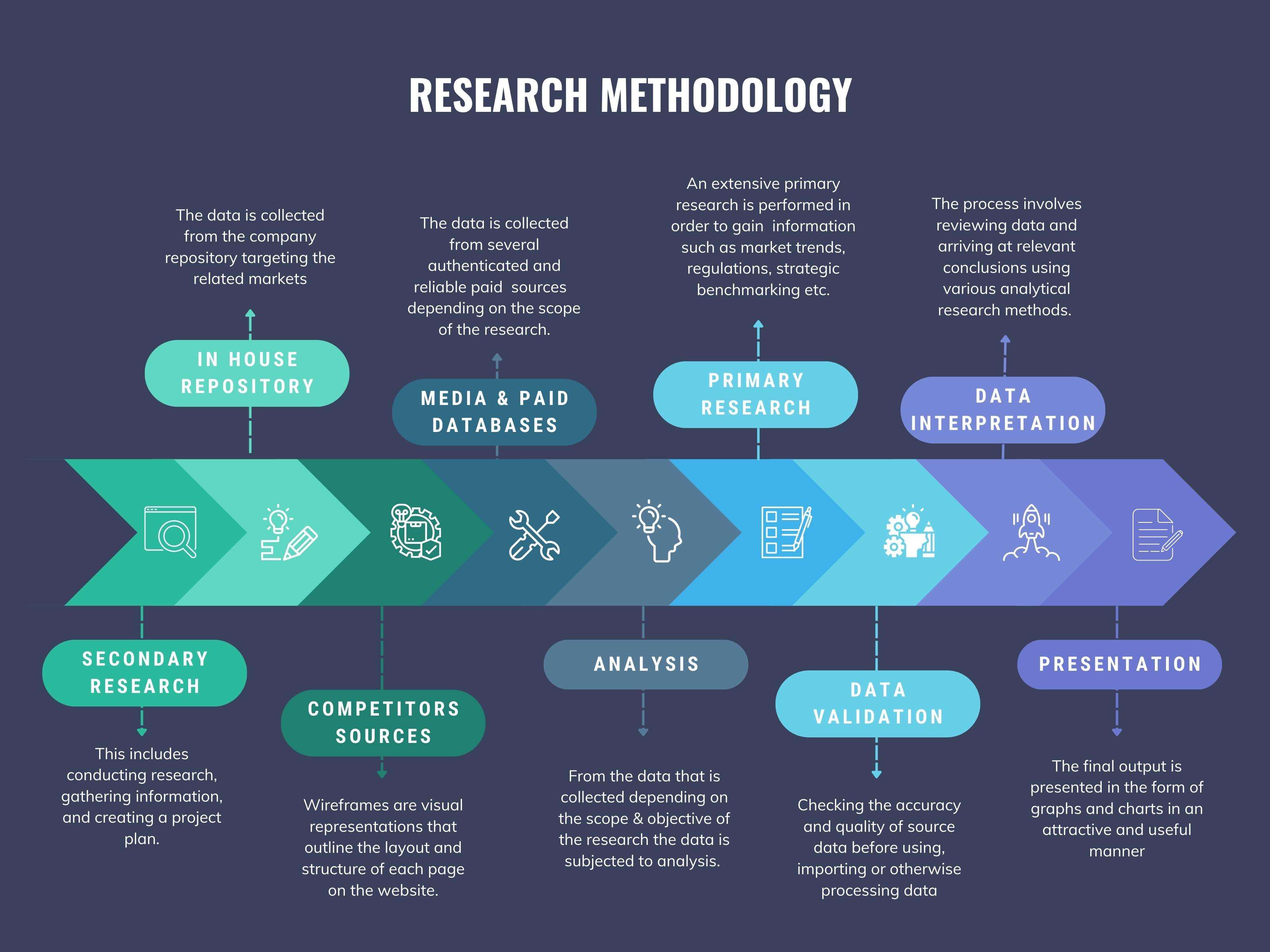
We at ‘Stratistics’ opt for an extensive research approach which involves data mining, data validation, and data analysis. The various research sources include in-house repository, secondary research, competitor’s sources, social media research, client internal data, and primary research.
Our team of analysts prefers the most reliable and authenticated data sources in order to perform the comprehensive literature search. With access to most of the authenticated data bases our team highly considers the best mix of information through various sources to obtain extensive and accurate analysis.
Each report takes an average time of a month and a team of 4 industry analysts. The time may vary depending on the scope and data availability of the desired market report. The various parameters used in the market assessment are standardized in order to enhance the data accuracy.
Data Mining
The data is collected from several authenticated, reliable, paid and unpaid sources and is filtered depending on the scope & objective of the research. Our reports repository acts as an added advantage in this procedure. Data gathering from the raw material suppliers, distributors and the manufacturers is performed on a regular basis, this helps in the comprehensive understanding of the products value chain. Apart from the above mentioned sources the data is also collected from the industry consultants to ensure the objective of the study is in the right direction.
Market trends such as technological advancements, regulatory affairs, market dynamics (Drivers, Restraints, Opportunities and Challenges) are obtained from scientific journals, market related national & international associations and organizations.
Data Analysis
From the data that is collected depending on the scope & objective of the research the data is subjected for the analysis. The critical steps that we follow for the data analysis include:
- Product Lifecycle Analysis
- Competitor analysis
- Risk analysis
- Porters Analysis
- PESTEL Analysis
- SWOT Analysis
The data engineering is performed by the core industry experts considering both the Marketing Mix Modeling and the Demand Forecasting. The marketing mix modeling makes use of multiple-regression techniques to predict the optimal mix of marketing variables. Regression factor is based on a number of variables and how they relate to an outcome such as sales or profits.
Data Validation
The data validation is performed by the exhaustive primary research from the expert interviews. This includes telephonic interviews, focus groups, face to face interviews, and questionnaires to validate our research from all aspects. The industry experts we approach come from the leading firms, involved in the supply chain ranging from the suppliers, distributors to the manufacturers and consumers so as to ensure an unbiased analysis.
We are in touch with more than 15,000 industry experts with the right mix of consultants, CEO's, presidents, vice presidents, managers, experts from both supply side and demand side, executives and so on.
The data validation involves the primary research from the industry experts belonging to:
- Leading Companies
- Suppliers & Distributors
- Manufacturers
- Consumers
- Industry/Strategic Consultants
Apart from the data validation the primary research also helps in performing the fill gap research, i.e. providing solutions for the unmet needs of the research which helps in enhancing the reports quality.
For more details about research methodology, kindly write to us at info@strategymrc.com
Frequently Asked Questions
In case of any queries regarding this report, you can contact the customer service by filing the “Inquiry Before Buy” form available on the right hand side. You may also contact us through email: info@strategymrc.com or phone: +1-301-202-5929
Yes, the samples are available for all the published reports. You can request them by filling the “Request Sample” option available in this page.
Yes, you can request a sample with your specific requirements. All the customized samples will be provided as per the requirement with the real data masked.
All our reports are available in Digital PDF format. In case if you require them in any other formats, such as PPT, Excel etc you can submit a request through “Inquiry Before Buy” form available on the right hand side. You may also contact us through email: info@strategymrc.com or phone: +1-301-202-5929
We offer a free 15% customization with every purchase. This requirement can be fulfilled for both pre and post sale. You may send your customization requirements through email at info@strategymrc.com or call us on +1-301-202-5929.
We have 3 different licensing options available in electronic format.
- Single User Licence: Allows one person, typically the buyer, to have access to the ordered product. The ordered product cannot be distributed to anyone else.
- 2-5 User Licence: Allows the ordered product to be shared among a maximum of 5 people within your organisation.
- Corporate License: Allows the product to be shared among all employees of your organisation regardless of their geographical location.
All our reports are typically be emailed to you as an attachment.
To order any available report you need to register on our website. The payment can be made either through CCAvenue or PayPal payments gateways which accept all international cards.
We extend our support to 6 months post sale. A post sale customization is also provided to cover your unmet needs in the report.
Request Customization
We offer complimentary customization of up to 15% with every purchase. To share your customization requirements, feel free to email us at info@strategymrc.com or call us on +1-301-202-5929. .
Please Note: Customization within the 15% threshold is entirely free of charge. If your request exceeds this limit, we will conduct a feasibility assessment. Following that, a detailed quote and timeline will be provided.
WHY CHOOSE US ?

Assured Quality
Best in class reports with high standard of research integrity

24X7 Research Support
Continuous support to ensure the best customer experience.

Free Customization
Adding more values to your product of interest.

Safe & Secure Access
Providing a secured environment for all online transactions.

Trusted by 600+ Brands
Serving the most reputed brands across the world.