
Water Management In Healthcare Market
Water Management in Healthcare Market Forecasts to 2034 - Global Analysis By Component (Equipment, Solutions, and Services), Water Type (Potable Water, Process and Utility Water, Wastewater, and Recycled Water), Treatment Type, Technology, System Type, Application, End User, and By Geography

According to Stratistics MRC, the Global Water Management in Healthcare Market is accounted for $2.3 billion in 2026 and is expected to reach $4.0 billion by 2034 growing at a CAGR of 6.8% during the forecast period. Water management in healthcare encompasses the comprehensive treatment, distribution, monitoring, and conservation of water across hospitals, clinics, diagnostic laboratories, and pharmaceutical manufacturing facilities. These systems ensure that potable water meets safety standards for patient consumption, process water supports critical medical equipment and sterilization, and wastewater is properly treated before discharge. With healthcare facilities being intensive water users, effective management reduces operational costs, minimizes infection risks, ensures regulatory compliance, and supports sustainability goals in an increasingly resource-constrained environment.
Market Dynamics:
Driver:
Rising prevalence of healthcare-associated infections (HAIs) linked to water systems
Waterborne pathogens such as Legionella, Pseudomonas, and nontuberculous mycobacteria pose serious risks within healthcare settings, where vulnerable patients face heightened susceptibility. Outbreaks traced to hospital water distribution systems have prompted regulatory bodies worldwide to mandate rigorous water management plans, including routine testing, temperature control, and disinfection protocols. Healthcare administrators recognize that investing in advanced water treatment infrastructure is more cost-effective than managing outbreak-related litigation, reputation damage, and patient mortality claims. This infection prevention imperative continues to drive adoption of point-of-use filtration, automated monitoring, and comprehensive water safety programs across both new construction and retrofitted facilities.
Restraint:
High capital and operational expenditure for advanced treatment systems
Installing comprehensive water management infrastructure represents a substantial financial burden, particularly for small and medium-sized healthcare facilities operating on thin margins. Physical treatment systems like membrane filtration, chemical dosing equipment, biological reactors, and hybrid configurations require significant upfront investment, ongoing maintenance, and skilled personnel for operation. Many hospitals in developing regions prioritize immediate clinical needs over water infrastructure upgrades, delaying adoption despite long-term savings. Budget cycles and competing capital requests often relegate water management investments to lower priority, creating a persistent barrier to market penetration across economically constrained healthcare systems worldwide.
Opportunity:
Integration of IoT-enabled real-time water quality monitoring
Smart sensors and connected platforms are revolutionizing how healthcare facilities manage water safety by enabling continuous, remote surveillance of critical parameters including temperature, pH, conductivity, and microbial activity. These IoT systems provide instant alerts when conditions deviate from safety thresholds, allowing immediate corrective action before contamination events occur. Predictive analytics applied to historical data can forecast equipment maintenance needs and optimize chemical dosing schedules, reducing operational costs while enhancing reliability. As healthcare digitization accelerates and sensor costs decline, the opportunity to deploy comprehensive smart water networks across existing facilities becomes increasingly viable for operators seeking both safety improvements and operational efficiencies.
Threat:
Stringent and fragmented regulatory compliance burdens
Healthcare water management operators face a complex web of overlapping regulations from environmental agencies, health departments, and accreditation bodies, with requirements varying significantly across jurisdictions. Keeping pace with evolving standards for Legionella prevention, pharmaceutical residues in wastewater, and recycled water quality demands continuous investment in compliance expertise and documentation systems. Non-compliance consequences include fines, license restrictions, and mandatory public notifications that damage institutional reputation. Smaller facilities struggle to maintain dedicated compliance teams, increasing vulnerability to violations. This regulatory fragmentation creates operational uncertainty and may discourage facilities from adopting innovative treatment approaches that lack clear regulatory pathways.
Covid-19 Impact:
The COVID-19 pandemic placed unprecedented stress on healthcare water systems while simultaneously elevating awareness of infection transmission pathways. Surge patient loads increased water consumption for hand hygiene, equipment sterilization, and facility cleaning, pushing treatment capacities to limits. Lockdowns reduced occupancy in many facilities, leading to water stagnation in pipes that increased Legionella growth risks, requiring extensive flushing protocols upon reopening. The crisis accelerated adoption of automated monitoring technologies as staffing limitations prevented manual testing. Post-pandemic, healthcare administrators maintain heightened vigilance toward waterborne risks, recognizing that resilient water management is essential for pandemic preparedness and overall patient safety infrastructure.
The Potable Water segment is expected to be the largest during the forecast period
The Potable Water segment is expected to account for the largest market share during the forecast period, driven by the fundamental requirement for safe drinking water across all healthcare activities. Patient hydration, medication administration, food preparation, and basic hygiene all depend on reliable potable water meeting stringent safety standards. Healthcare facilities must continuously monitor and treat incoming municipal supplies or their own sources to prevent contamination that could harm immunocompromised patients. The sheer volume of potable water consumption in large hospitals, combined with regulatory mandates for regular testing and documentation, ensures this segment represents the majority of water management spending throughout the forecast timeline.
The Hybrid Systems segment is expected to have the highest CAGR during the forecast period
Over the forecast period, the Hybrid Systems segment is predicted to witness the highest growth rate, as healthcare facilities increasingly recognize that no single treatment technology addresses all water quality challenges effectively. Hybrid configurations combine physical filtration, chemical disinfection, and biological treatment methods in tailored sequences to handle complex influent characteristics and meet multiple discharge or reuse standards. These integrated solutions offer operational flexibility, allowing facilities to adjust treatment protocols based on seasonal water quality variations or changing regulatory requirements. As healthcare administrators seek comprehensive, future-proof systems rather than piecemeal solutions, hybrid treatment plants are becoming the preferred choice for new construction and major renovation projects.
Region with largest share:
During the forecast period, the North America region is expected to hold the largest market share, supported by stringent regulatory frameworks, extensive healthcare infrastructure, and high awareness of waterborne infection risks. The Centers for Medicare & Medicaid Services require covered healthcare facilities to have compliant water management programs, driving consistent investment. Major hospital systems in the United States and Canada proactively upgrade water treatment technologies as part of broader patient safety initiatives. The region's concentration of large academic medical centers and long-term care facilities, combined with a competitive landscape of water technology providers, ensures North America maintains its dominant market position throughout the forecast period.
Region with highest CAGR:
Over the forecast period, the Asia Pacific region is anticipated to exhibit the highest CAGR, driven by rapid healthcare infrastructure expansion and growing regulatory attention to infection control. Countries including China, India, and Southeast Asian nations are investing heavily in new hospital construction, presenting opportunities to incorporate modern water management systems from the design phase. Urbanization and industrialization have stressed water resources, prompting governments to mandate water conservation and recycling in large facilities. Increasing medical tourism in the region pushes private hospitals to achieve international accreditation standards, which include rigorous water safety requirements. These converging factors position Asia Pacific as the fastest-growing market for healthcare water management solutions.
Key players in the market
Some of the key players in Water Management in Healthcare Market include Veolia Environnement S.A., Suez S.A., Xylem Inc., Ecolab Inc., Pentair plc, Danaher Corporation, Kurita Water Industries Ltd., Thermax Limited, Aquatech International LLC, GE Water & Process Technologies, Ovivo Inc., Evoqua Water Technologies LLC, Watts Water Technologies Inc., SPX Flow Inc., and Grundfos Holding A/S.
Key Developments:
In April 2026, SUEZ and Salinity Solutions launched the first industrial pilot of Hybrid Batch Reverse Osmosis for municipal wastewater reuse, a technology designed to improve energy efficiency in water recycling for sensitive sectors like healthcare and municipal supply.
In March 2026, Veolia announced the expansion of its GreenUp strategic plan, investing heavily in technologies that recycle water for industrial and medical use to counter global supply instabilities.
In February 2026, Xylem successfully completed the full operational integration of Evoqua Water Technologies, consolidating its lead in high-purity water systems for healthcare, hospitals, and life sciences.
Components Covered:
• Equipment
• Solutions
• Services
Water Types Covered:
• Potable Water
• Process and Utility Water
• Wastewater
• Recycled Water
Treatment Types Covered:
• Physical Treatment
• Chemical Treatment
• Biological Treatment
• Hybrid Systems
Technologies Covered:
• Conventional Treatment Technologies
• Advanced Treatment Technologies
• Digital and Smart Water Management Systems
System Types Covered:
• Centralized Systems
• Decentralized and On-site Systems
Applications Covered:
• Hospitals
• Clinics
• Diagnostic Laboratories
• Pharmaceutical and Biotechnology Facilities
• Research Institutes
• Long-term Care Facilities
End Users Covered:
• Public Healthcare Facilities
• Private Healthcare Facilities
• Academic and Research Institutions
Regions Covered:
• North America
o United States
o Canada
o Mexico
• Europe
o United Kingdom
o Germany
o France
o Italy
o Spain
o Netherlands
o Belgium
o Sweden
o Switzerland
o Poland
o Rest of Europe
• Asia Pacific
o China
o Japan
o India
o South Korea
o Australia
o Indonesia
o Thailand
o Malaysia
o Singapore
o Vietnam
o Rest of Asia Pacific
• South America
o Brazil
o Argentina
o Colombia
o Chile
o Peru
o Rest of South America
• Rest of the World (RoW)
o Middle East
§ Saudi Arabia
§ United Arab Emirates
§ Qatar
§ Israel
§ Rest of Middle East
o Africa
§ South Africa
§ Egypt
§ Morocco
§ Rest of Africa
What our report offers:
- Market share assessments for the regional and country-level segments
- Strategic recommendations for the new entrants
- Covers Market data for the years 2023, 2024, 2025, 2026, 2027, 2028, 2030, 2032 and 2034
- Market Trends (Drivers, Constraints, Opportunities, Threats, Challenges, Investment Opportunities, and recommendations)
- Strategic recommendations in key business segments based on the market estimations
- Competitive landscaping mapping the key common trends
- Company profiling with detailed strategies, financials, and recent developments
- Supply chain trends mapping the latest technological advancements
Free Customization Offerings:
All the customers of this report will be entitled to receive one of the following free customization options:
• Company Profiling
o Comprehensive profiling of additional market players (up to 3)
o SWOT Analysis of key players (up to 3)
• Regional Segmentation
o Market estimations, Forecasts and CAGR of any prominent country as per the client's interest (Note: Depends on feasibility check)
• Competitive Benchmarking
o Benchmarking of key players based on product portfolio, geographical presence, and strategic alliances
Table of Contents
1 Executive Summary
1.1 Market Snapshot and Key Highlights
1.2 Growth Drivers, Challenges, and Opportunities
1.3 Competitive Landscape Overview
1.4 Strategic Insights and Recommendations
2 Research Framework
2.1 Study Objectives and Scope
2.2 Stakeholder Analysis
2.3 Research Assumptions and Limitations
2.4 Research Methodology
2.4.1 Data Collection (Primary and Secondary)
2.4.2 Data Modeling and Estimation Techniques
2.4.3 Data Validation and Triangulation
2.4.4 Analytical and Forecasting Approach
3 Market Dynamics and Trend Analysis
3.1 Market Definition and Structure
3.2 Key Market Drivers
3.3 Market Restraints and Challenges
3.4 Growth Opportunities and Investment Hotspots
3.5 Industry Threats and Risk Assessment
3.6 Technology and Innovation Landscape
3.7 Emerging and High-Growth Markets
3.8 Regulatory and Policy Environment
3.9 Impact of COVID-19 and Recovery Outlook
4 Competitive and Strategic Assessment
4.1 Porter's Five Forces Analysis
4.1.1 Supplier Bargaining Power
4.1.2 Buyer Bargaining Power
4.1.3 Threat of Substitutes
4.1.4 Threat of New Entrants
4.1.5 Competitive Rivalry
4.2 Market Share Analysis of Key Players
4.3 Product Benchmarking and Performance Comparison
5 Global Water Management in Healthcare Market, By Component
5.1 Equipment
5.1.1 Filtration Systems
5.1.2 Disinfection Systems
5.1.3 Monitoring and Control Systems
5.2 Solutions
5.2.1 Water Treatment Solutions
5.2.2 Wastewater Treatment Solutions
5.2.3 Water Recycling and Reuse Solutions
5.3 Services
5.3.1 Installation and Engineering
5.3.2 Maintenance Services
5.3.3 Consulting and Compliance Services
6 Global Water Management in Healthcare Market, By Water Type
6.1 Potable Water
6.2 Process and Utility Water
6.3 Wastewater
6.4 Recycled Water
7 Global Water Management in Healthcare Market, By Treatment Type
7.1 Physical Treatment
7.2 Chemical Treatment
7.3 Biological Treatment
7.4 Hybrid Systems
8 Global Water Management in Healthcare Market, By Technology
8.1 Conventional Treatment Technologies
8.1.1 Physical Processes
8.1.2 Chemical Processes
8.1.3 Biological Processes
8.2 Advanced Treatment Technologies
8.2.1 Membrane Filtration
8.2.2 UV and Ozone Disinfection
8.2.3 Advanced Oxidation Processes
8.3 Digital and Smart Water Management Systems
9 Global Water Management in Healthcare Market, By System Type
9.1 Centralized Systems
9.2 Decentralized and On-site Systems
10 Global Water Management in Healthcare Market, By Application
10.1 Hospitals
10.2 Clinics
10.3 Diagnostic Laboratories
10.4 Pharmaceutical and Biotechnology Facilities
10.5 Research Institutes
10.6 Long-term Care Facilities
11 Global Water Management in Healthcare Market, By End User
11.1 Public Healthcare Facilities
11.2 Private Healthcare Facilities
11.3 Academic and Research Institutions
12 Global Water Management in Healthcare Market, By Geography
12.1 North America
12.1.1 United States
12.1.2 Canada
12.1.3 Mexico
12.2 Europe
12.2.1 United Kingdom
12.2.2 Germany
12.2.3 France
12.2.4 Italy
12.2.5 Spain
12.2.6 Netherlands
12.2.7 Belgium
12.2.8 Sweden
12.2.9 Switzerland
12.2.10 Poland
12.2.11 Rest of Europe
12.3 Asia Pacific
12.3.1 China
12.3.2 Japan
12.3.3 India
12.3.4 South Korea
12.3.5 Australia
12.3.6 Indonesia
12.3.7 Thailand
12.3.8 Malaysia
12.3.9 Singapore
12.3.10 Vietnam
12.3.11 Rest of Asia Pacific
12.4 South America
12.4.1 Brazil
12.4.2 Argentina
12.4.3 Colombia
12.4.4 Chile
12.4.5 Peru
12.4.6 Rest of South America
12.5 Rest of the World (RoW)
12.5.1 Middle East
12.5.1.1 Saudi Arabia
12.5.1.2 United Arab Emirates
12.5.1.3 Qatar
12.5.1.4 Israel
12.5.1.5 Rest of Middle East
12.5.2 Africa
12.5.2.1 South Africa
12.5.2.2 Egypt
12.5.2.3 Morocco
12.5.2.4 Rest of Africa
13 Strategic Market Intelligence
13.1 Industry Value Network and Supply Chain Assessment
13.2 White-Space and Opportunity Mapping
13.3 Product Evolution and Market Life Cycle Analysis
13.4 Channel, Distributor, and Go-to-Market Assessment
14 Industry Developments and Strategic Initiatives
14.1 Mergers and Acquisitions
14.2 Partnerships, Alliances, and Joint Ventures
14.3 New Product Launches and Certifications
14.4 Capacity Expansion and Investments
14.5 Other Strategic Initiatives
15 Company Profiles
15.1 Veolia Environnement S.A.
15.2 Suez S.A.
15.3 Xylem Inc.
15.4 Ecolab Inc.
15.5 Pentair plc
15.6 Danaher Corporation
15.7 Kurita Water Industries Ltd.
15.8 Thermax Limited
15.9 Aquatech International LLC
15.10 GE Water & Process Technologies
15.11 Ovivo Inc.
15.12 Evoqua Water Technologies LLC
15.13 Watts Water Technologies Inc.
15.14 SPX Flow Inc.
15.15 Grundfos Holding A/S
List of Tables
1 Global Water Management in Healthcare Market Outlook, By Region (2023–2034) ($MN)
2 Global Water Management in Healthcare Market Outlook, By Component (2023–2034) ($MN)
3 Global Water Management in Healthcare Market Outlook, By Equipment (2023–2034) ($MN)
4 Global Water Management in Healthcare Market Outlook, By Filtration Systems (2023–2034) ($MN)
5 Global Water Management in Healthcare Market Outlook, By Disinfection Systems (2023–2034) ($MN)
6 Global Water Management in Healthcare Market Outlook, By Monitoring and Control Systems (2023–2034) ($MN)
7 Global Water Management in Healthcare Market Outlook, By Solutions (2023–2034) ($MN)
8 Global Water Management in Healthcare Market Outlook, By Water Treatment Solutions (2023–2034) ($MN)
9 Global Water Management in Healthcare Market Outlook, By Wastewater Treatment Solutions (2023–2034) ($MN)
10 Global Water Management in Healthcare Market Outlook, By Water Recycling and Reuse Solutions (2023–2034) ($MN)
11 Global Water Management in Healthcare Market Outlook, By Services (2023–2034) ($MN)
12 Global Water Management in Healthcare Market Outlook, By Installation and Engineering (2023–2034) ($MN)
13 Global Water Management in Healthcare Market Outlook, By Maintenance Services (2023–2034) ($MN)
14 Global Water Management in Healthcare Market Outlook, By Consulting and Compliance Services (2023–2034) ($MN)
15 Global Water Management in Healthcare Market Outlook, By Water Type (2023–2034) ($MN)
16 Global Water Management in Healthcare Market Outlook, By Potable Water (2023–2034) ($MN)
17 Global Water Management in Healthcare Market Outlook, By Process and Utility Water (2023–2034) ($MN)
18 Global Water Management in Healthcare Market Outlook, By Wastewater (2023–2034) ($MN)
19 Global Water Management in Healthcare Market Outlook, By Recycled Water (2023–2034) ($MN)
20 Global Water Management in Healthcare Market Outlook, By Treatment Type (2023–2034) ($MN)
21 Global Water Management in Healthcare Market Outlook, By Physical Treatment (2023–2034) ($MN)
22 Global Water Management in Healthcare Market Outlook, By Chemical Treatment (2023–2034) ($MN)
23 Global Water Management in Healthcare Market Outlook, By Biological Treatment (2023–2034) ($MN)
24 Global Water Management in Healthcare Market Outlook, By Hybrid Systems (2023–2034) ($MN)
25 Global Water Management in Healthcare Market Outlook, By Technology (2023–2034) ($MN)
26 Global Water Management in Healthcare Market Outlook, By Conventional Treatment Technologies (2023–2034) ($MN)
27 Global Water Management in Healthcare Market Outlook, By Physical Processes (2023–2034) ($MN)
28 Global Water Management in Healthcare Market Outlook, By Chemical Processes (2023–2034) ($MN)
29 Global Water Management in Healthcare Market Outlook, By Biological Processes (2023–2034) ($MN)
30 Global Water Management in Healthcare Market Outlook, By Advanced Treatment Technologies (2023–2034) ($MN)
31 Global Water Management in Healthcare Market Outlook, By Membrane Filtration (2023–2034) ($MN)
32 Global Water Management in Healthcare Market Outlook, By UV and Ozone Disinfection (2023–2034) ($MN)
33 Global Water Management in Healthcare Market Outlook, By Advanced Oxidation Processes (2023–2034) ($MN)
34 Global Water Management in Healthcare Market Outlook, By Digital and Smart Water Management Systems (2023–2034) ($MN)
35 Global Water Management in Healthcare Market Outlook, By System Type (2023–2034) ($MN)
36 Global Water Management in Healthcare Market Outlook, By Centralized Systems (2023–2034) ($MN)
37 Global Water Management in Healthcare Market Outlook, By Decentralized and On-site Systems (2023–2034) ($MN)
38 Global Water Management in Healthcare Market Outlook, By Application (2023–2034) ($MN)
39 Global Water Management in Healthcare Market Outlook, By Hospitals (2023–2034) ($MN)
40 Global Water Management in Healthcare Market Outlook, By Clinics (2023–2034) ($MN)
41 Global Water Management in Healthcare Market Outlook, By Diagnostic Laboratories (2023–2034) ($MN)
42 Global Water Management in Healthcare Market Outlook, By Pharmaceutical and Biotechnology Facilities (2023–2034) ($MN)
43 Global Water Management in Healthcare Market Outlook, By Research Institutes (2023–2034) ($MN)
44 Global Water Management in Healthcare Market Outlook, By Long-term Care Facilities (2023–2034) ($MN)
45 Global Water Management in Healthcare Market Outlook, By End User (2023–2034) ($MN)
46 Global Water Management in Healthcare Market Outlook, By Public Healthcare Facilities (2023–2034) ($MN)
47 Global Water Management in Healthcare Market Outlook, By Private Healthcare Facilities (2023–2034) ($MN)
48 Global Water Management in Healthcare Market Outlook, By Academic and Research Institutions (2023–2034) ($MN)
Note: Tables for North America, Europe, APAC, South America, and Rest of the World (RoW) Regions are also represented in the same manner as above.
List of Figures
RESEARCH METHODOLOGY
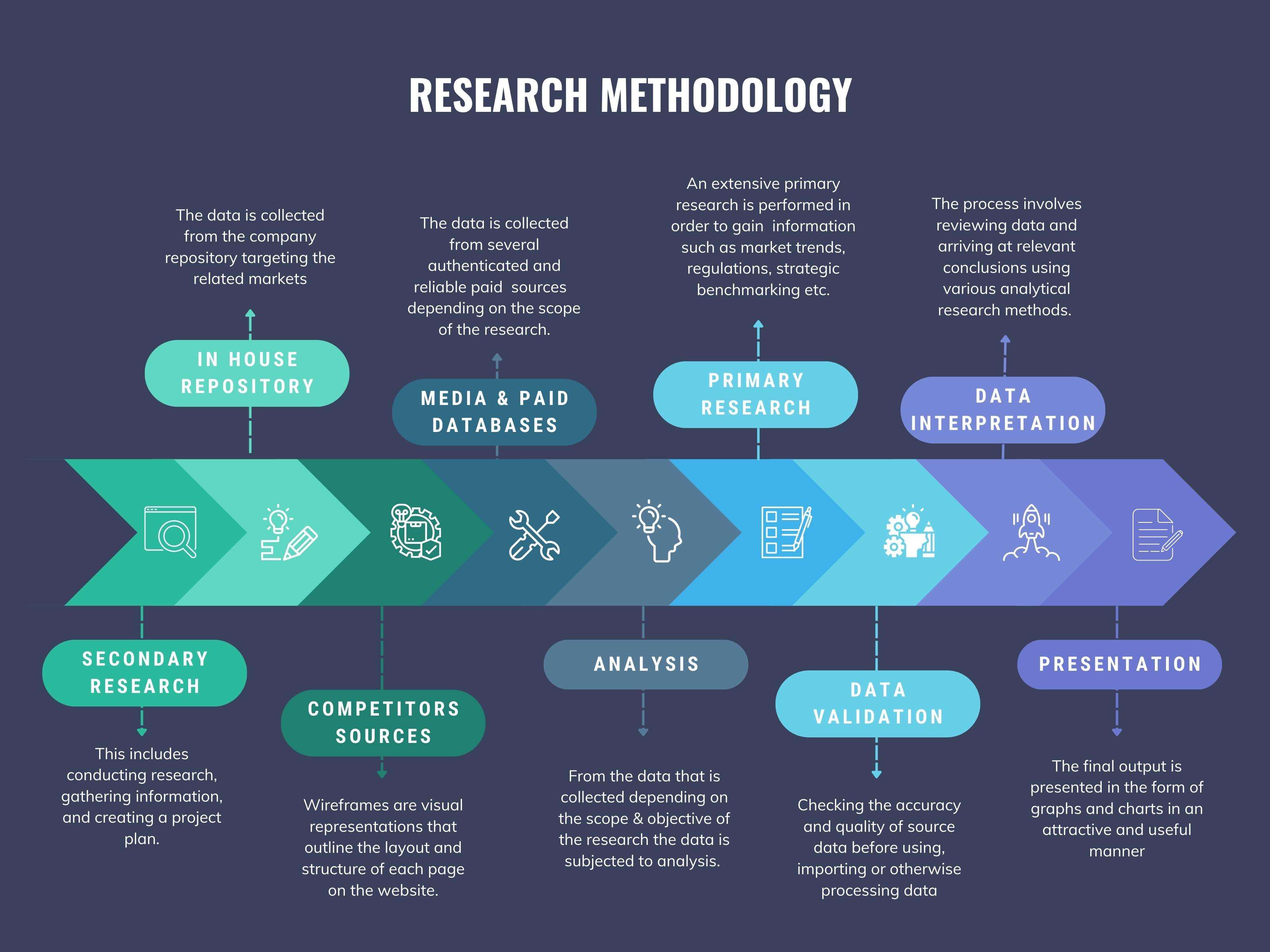
We at ‘Stratistics’ opt for an extensive research approach which involves data mining, data validation, and data analysis. The various research sources include in-house repository, secondary research, competitor’s sources, social media research, client internal data, and primary research.
Our team of analysts prefers the most reliable and authenticated data sources in order to perform the comprehensive literature search. With access to most of the authenticated data bases our team highly considers the best mix of information through various sources to obtain extensive and accurate analysis.
Each report takes an average time of a month and a team of 4 industry analysts. The time may vary depending on the scope and data availability of the desired market report. The various parameters used in the market assessment are standardized in order to enhance the data accuracy.
Data Mining
The data is collected from several authenticated, reliable, paid and unpaid sources and is filtered depending on the scope & objective of the research. Our reports repository acts as an added advantage in this procedure. Data gathering from the raw material suppliers, distributors and the manufacturers is performed on a regular basis, this helps in the comprehensive understanding of the products value chain. Apart from the above mentioned sources the data is also collected from the industry consultants to ensure the objective of the study is in the right direction.
Market trends such as technological advancements, regulatory affairs, market dynamics (Drivers, Restraints, Opportunities and Challenges) are obtained from scientific journals, market related national & international associations and organizations.
Data Analysis
From the data that is collected depending on the scope & objective of the research the data is subjected for the analysis. The critical steps that we follow for the data analysis include:
- Product Lifecycle Analysis
- Competitor analysis
- Risk analysis
- Porters Analysis
- PESTEL Analysis
- SWOT Analysis
The data engineering is performed by the core industry experts considering both the Marketing Mix Modeling and the Demand Forecasting. The marketing mix modeling makes use of multiple-regression techniques to predict the optimal mix of marketing variables. Regression factor is based on a number of variables and how they relate to an outcome such as sales or profits.
Data Validation
The data validation is performed by the exhaustive primary research from the expert interviews. This includes telephonic interviews, focus groups, face to face interviews, and questionnaires to validate our research from all aspects. The industry experts we approach come from the leading firms, involved in the supply chain ranging from the suppliers, distributors to the manufacturers and consumers so as to ensure an unbiased analysis.
We are in touch with more than 15,000 industry experts with the right mix of consultants, CEO's, presidents, vice presidents, managers, experts from both supply side and demand side, executives and so on.
The data validation involves the primary research from the industry experts belonging to:
- Leading Companies
- Suppliers & Distributors
- Manufacturers
- Consumers
- Industry/Strategic Consultants
Apart from the data validation the primary research also helps in performing the fill gap research, i.e. providing solutions for the unmet needs of the research which helps in enhancing the reports quality.
For more details about research methodology, kindly write to us at info@strategymrc.com
Frequently Asked Questions
In case of any queries regarding this report, you can contact the customer service by filing the “Inquiry Before Buy” form available on the right hand side. You may also contact us through email: info@strategymrc.com or phone: +1-301-202-5929
Yes, the samples are available for all the published reports. You can request them by filling the “Request Sample” option available in this page.
Yes, you can request a sample with your specific requirements. All the customized samples will be provided as per the requirement with the real data masked.
All our reports are available in Digital PDF format. In case if you require them in any other formats, such as PPT, Excel etc you can submit a request through “Inquiry Before Buy” form available on the right hand side. You may also contact us through email: info@strategymrc.com or phone: +1-301-202-5929
We offer a free 15% customization with every purchase. This requirement can be fulfilled for both pre and post sale. You may send your customization requirements through email at info@strategymrc.com or call us on +1-301-202-5929.
We have 3 different licensing options available in electronic format.
- Single User Licence: Allows one person, typically the buyer, to have access to the ordered product. The ordered product cannot be distributed to anyone else.
- 2-5 User Licence: Allows the ordered product to be shared among a maximum of 5 people within your organisation.
- Corporate License: Allows the product to be shared among all employees of your organisation regardless of their geographical location.
All our reports are typically be emailed to you as an attachment.
To order any available report you need to register on our website. The payment can be made either through CCAvenue or PayPal payments gateways which accept all international cards.
We extend our support to 6 months post sale. A post sale customization is also provided to cover your unmet needs in the report.
Request Customization
We offer complimentary customization of up to 15% with every purchase. To share your customization requirements, feel free to email us at info@strategymrc.com or call us on +1-301-202-5929. .
Please Note: Customization within the 15% threshold is entirely free of charge. If your request exceeds this limit, we will conduct a feasibility assessment. Following that, a detailed quote and timeline will be provided.
WHY CHOOSE US ?

Assured Quality
Best in class reports with high standard of research integrity

24X7 Research Support
Continuous support to ensure the best customer experience.

Free Customization
Adding more values to your product of interest.

Safe & Secure Access
Providing a secured environment for all online transactions.

Trusted by 600+ Brands
Serving the most reputed brands across the world.