
Ai In Cybersecurity Threat Detection Systems Market
AI in Cybersecurity - Threat Detection Systems Market Forecasts to 2032 - Global Analysis By Component (Solution, Service and Hardware), Deployment Mode (Cloud, On-Premise and Hybrid), Organization Size, Technology, End User and By Geography

|
Years Covered |
2024-2032 |
|
Estimated Year Value (2025) |
US $29.99 BN |
|
Projected Year Value (2032) |
US $123.42 BN |
|
CAGR (2025 - 2032) |
22.4% |
|
Regions Covered |
North America, Europe, Asia Pacific, South America, and Middle East & Africa |
|
Countries Covered |
US, Canada, Mexico, Germany, UK, Italy, France, Spain, Japan, China, India, Australia, New Zealand, South Korea, Rest of Asia Pacific, South America, Argentina, Brazil, Chile, Middle East & Africa, Saudi Arabia, UAE, Qatar, and South Africa |
|
Largest Market |
North America |
|
Highest Growing Market |
Asia Pacific |
According to Stratistics MRC, the Global AI in Cybersecurity – Threat Detection Systems Market is accounted for $29.99 billion in 2025 and is expected to reach $123.42 billion by 2032 growing at a CAGR of 22.4% during the forecast period. Artificial Intelligence (AI) is revolutionizing cybersecurity, particularly in the area of threat detection systems. AI can examine enormous amounts of system logs and network traffic in real time by utilizing machine learning algorithms and data analytics to spot odd trends or anomalies that might point to a cyber threat. AI-driven detection tools, in contrast to conventional rule-based systems, are constantly learning from fresh data, which enhances their capacity to identify sophisticated malware, insider threats, and zero-day attacks. By automatically prioritizing alerts, these systems can lower false positives and facilitate quicker, more precise responses. Moreover, AI is becoming a crucial tool for proactive and adaptive cybersecurity defense as cyber threats become more sophisticated.
According to the European Union Agency for Cybersecurity (ENISA), there was a 30% increase in the adoption of AI-based security solutions in the past year, driven by the need for faster and more adaptive threat detection.

Market Dynamics:
Driver:
Increasingly complex and advanced cyber threats
One of the main factors influencing the adoption of AI in cybersecurity is the growing frequency and complexity of cyber threats. Modern attackers use sophisticated tactics that frequently outperform conventional security tools, such as ransom ware-as-a-service, polymorphic malware, zero-day vulnerabilities, and AI-generated phishing attacks. Threat actors are now using AI to automate and customize their attacks, making them more elusive and challenging to identify. Organizations are responding by using AI-powered threat detection systems that are able to identify anomalies, analyze behavioral patterns, and adjust to changing attack tactics. Additionally, these systems greatly strengthen the defensive posture of businesses and governmental organizations alike by providing the speed and intelligence required to detect new threats in real time.
Restraint:
High operational and implementation costs
The high cost of implementation, integration, and maintenance is one of the biggest obstacles to the use of AI in threat detection systems. Significant expenditures in cutting-edge hardware infrastructure, software licenses, custom development, and cloud computing resources are frequently necessary for AI-driven cybersecurity solutions. Operational costs are further increased by the requirement for AI models to be continuously trained and updated using vast amounts of data. Small and medium-sized businesses (SMEs) may find these financial requirements to be impractical. Furthermore, decision-makers may be reluctant to make significant investments in such systems due to the lengthy ROI cycles and unclear benefits, particularly for businesses with no prior experience with AI.
Opportunity:
Combining AI, threat intelligence, and cyber risk assessment
The combination of AI with risk scoring tools and cyber threat intelligence platforms presents another new opportunity. AI systems can improve their situational awareness and identify new threats more quickly by combining real-time threat feeds from commercial databases, dark web monitoring, and open sources. This unstructured and dynamic data can be processed by machine learning models, which can then provide contextual relevance and produce useful insights. Moreover, using internal vulnerabilities and external threat landscapes, AI-based risk scoring systems assist organizations in determining the seriousness and business impact of threats. This makes it possible to prioritize resources and implement proactive cybersecurity strategies, particularly for industries like defense, healthcare, and finance.
Threat:
Insufficient interoperability and standardization
A disjointed ecosystem with a large number of proprietary tools, platforms, and protocols has resulted from the quick expansion of AI applications in cybersecurity. Organizations that depend on several vendors and technologies are seriously threatened by this lack of standardization and interoperability. Compatibility problems, uneven threat visibility, and communication breakdowns between security components can arise when various AI-based systems are integrated into a coherent cybersecurity framework. Furthermore, it is challenging to assess and contrast the efficacy of various AI solutions in the absence of standardized benchmarks. Widespread adoption may be hampered by organizations' inability to deploy AI securely and at scale in the absence of clear industry-wide standards and best practices.
Covid-19 Impact:
The COVID-19 pandemic significantly accelerated the adoption of AI in cybersecurity, particularly in threat detection systems, as organizations rapidly shifted to remote work, cloud services, and digital collaboration platforms. The demand for intelligent, automated security solutions that can monitor distributed networks and endpoints in real time has increased as a result of this abrupt digital transformation, which has increased the attack surface and revealed new vulnerabilities. The detection of phishing attempts, ransom ware attacks, and unusual behaviour that increased during the pandemic was made possible in large part by AI-powered threat detection tools. Additionally, cybersecurity remained a top priority, despite budgetary constraints affecting some IT investments. In the end, the crisis served as a catalyst for a deeper integration of AI into security operations across industries.
The cloud segment is expected to be the largest during the forecast period
The cloud segment is expected to account for the largest market share during the forecast period. As enterprise environments become more dispersed—workloads moving across multiple clouds, remote endpoints, and hybrid configurations—cloud-native AI tools perform exceptionally well by providing automated analytics and real-time threat monitoring at scale. Because of their central management, ease of deployment, smooth updates, and quick access to new AI-driven features, cloud deployments are preferred by organizations. Furthermore, big data capabilities and advanced machine learning models are being integrated by top providers to improve detection accuracy and speed up incident response across geographically scattered assets.
The natural language processing (NLP) segment is expected to have the highest CAGR during the forecast period
Over the forecast period, the natural language processing (NLP) segment is predicted to witness the highest growth rate. Systems can now analyze and interpret unstructured data, including emails, logs, alerts, and chat communications, to identify threats, sentiment shifts, insider risks, and compliance violations owing to the quick advancement of natural language processing (NLP) technologies. NLP improves context-aware analysis by integrating large language models and Transformer-based architectures, which can be used to automatically summarize security incidents, produce investigative insights, and even engage in conversational threat hunting. Moreover, NLP is the fastest-growing technology segment in threat detection systems, and this surge in adoption is due to its capacity to process natural-language inputs, close communication gaps between security analysts and AI systems, and scale intelligence across diverse data sources.
Region with largest share:
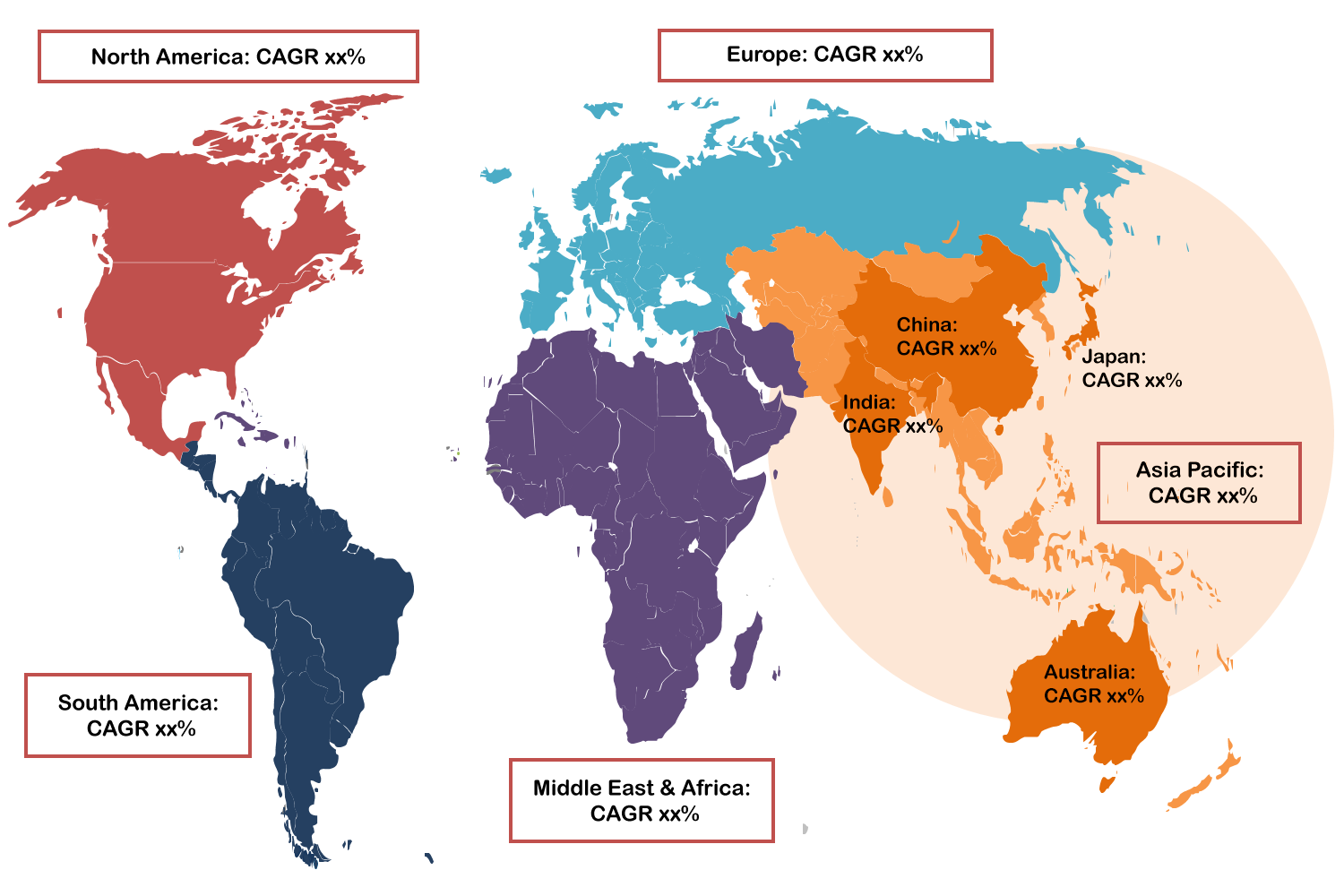
During the forecast period, the North America region is expected to hold the largest market share. A strong digital ecosystem that makes significant investments in AI-driven cyber defense, including tech behemoths, governmental organizations, financial institutions, and operators of vital infrastructure, is the driving force behind this regional dominance. Additionally, advanced threat detection tools are also being adopted as a result of strict regulatory environments and compliance requirements. Leading North American cybersecurity companies are still at the forefront of innovation and setting the standard for AI-enhanced security solutions worldwide.
Region with highest CAGR:
Over the forecast period, the Asia-Pacific region is anticipated to exhibit the highest CAGR, driven by the quickening pace of digitalization, the expanding scope of cyber threats, and the growing use of AI technologies in industries like government, manufacturing, banking, and telecommunications. Advanced threat detection systems are being deployed more quickly as a result of significant investments made by nations like China, India, Japan, and South Korea in cloud-based security solutions, smart cities, and AI-enabled infrastructure. Furthermore, a favorable climate for rapid growth is also being produced by growing awareness of data privacy, an increase in cyberattacks on vital infrastructure, and government programs that encourage innovation in AI and cybersecurity.
Key players in the market
Some of the key players in AI in Cybersecurity – Threat Detection Systems Market include IBM Corporation, Palo Alto Networks, SentinelOne Inc, Fortinet Inc, Check Point Software Technologies (Infinity), Microsoft Corporation, Symantec (Broadcom), Vectra AI, CrowdStrike Inc, Darktrace Inc, Cisco Systems, Optiv, Cybereason Inc and UncommonX Inc.
Key Developments:
In June 2025, Palo Alto Networks is strengthening its presence across key markets in the Asia-Pacific and Japan (APJ) region through an expansion of its cloud infrastructure. This expansion of local cloud infrastructure within critical markets including Australia, India, Indonesia, Japan, and Singapore, is expected to change the way enterprises in the region secure web browsing while adhering to vital local data residency requirements.
In April 2025, IBM announced it has acquired Hakkoda Inc. Hakkoda will expand IBM Consulting's data transformation services portfolio, adding specialized data platform expertise to help clients get their data ready to fuel AI-powered business operations. Hakkoda has leading capabilities in migrating, modernizing, and monetizing data estates and is an award-winning Snowflake partner. This acquisition amplifies IBM's ability to meet the rapidly growing demand for data services and help clients build integrated enterprise data estates that are optimized for speed, cost and efficiency across multiple business use cases.
In October 2024, SentinelOne announced an extension of its strategic collaboration agreement (SCA) with Amazon Web Services (AWS), designed to deliver generative AI benefits. Under the terms of the agreement, SentinelOne’s Purple AI cybersecurity analyst will be powered by Amazon Bedrock, to provide AI-powered security and protection for customers. Additionally, the expanded SCA will increase investments in SentinelOne’s AI-powered Singularity™ Platform within AWS Marketplace, empowering enterprises to quickly and easily access end-to-end protection from a unified, AI-powered platform.
Components Covered:
• Solution
• Service
• Hardware
Deployment Modes Covered:
• Cloud
• On-Premise
• Hybrid
Organization Sizes Covered:
• Large Enterprises
• Small and Medium-Sized Enterprises (SMEs)
Technologies Covered:
• Machine Learning
• Natural Language Processing (NLP)
• Context-Aware Computing
• Deep Learning
• Computer Vision
• Behavioral Analytics
• Reinforcement Learning
End Users Covered:
• Banking, Financial Services, and Insurance (BFSI)
• Government and Defense
• Information Technology and Telecom
• Healthcare and Life Sciences
• Retail and E-commerce
• Energy and Utilities
• Manufacturing
• Other End Users
Regions Covered:
• North America
o US
o Canada
o Mexico
• Europe
o Germany
o UK
o Italy
o France
o Spain
o Rest of Europe
• Asia Pacific
o Japan
o China
o India
o Australia
o New Zealand
o South Korea
o Rest of Asia Pacific
• South America
o Argentina
o Brazil
o Chile
o Rest of South America
• Middle East & Africa
o Saudi Arabia
o UAE
o Qatar
o South Africa
o Rest of Middle East & Africa
What our report offers:
- Market share assessments for the regional and country-level segments
- Strategic recommendations for the new entrants
- Covers Market data for the years 2024, 2025, 2026, 2028, and 2032
- Market Trends (Drivers, Constraints, Opportunities, Threats, Challenges, Investment Opportunities, and recommendations)
- Strategic recommendations in key business segments based on the market estimations
- Competitive landscaping mapping the key common trends
- Company profiling with detailed strategies, financials, and recent developments
- Supply chain trends mapping the latest technological advancements
Free Customization Offerings:
All the customers of this report will be entitled to receive one of the following free customization options:
• Company Profiling
o Comprehensive profiling of additional market players (up to 3)
o SWOT Analysis of key players (up to 3)
• Regional Segmentation
o Market estimations, Forecasts and CAGR of any prominent country as per the client's interest (Note: Depends on feasibility check)
• Competitive Benchmarking
o Benchmarking of key players based on product portfolio, geographical presence, and strategic alliances
Table of Contents
1 Executive Summary
2 Preface
2.1 Abstract
2.2 Stake Holders
2.3 Research Scope
2.4 Research Methodology
2.4.1 Data Mining
2.4.2 Data Analysis
2.4.3 Data Validation
2.4.4 Research Approach
2.5 Research Sources
2.5.1 Primary Research Sources
2.5.2 Secondary Research Sources
2.5.3 Assumptions
3 Market Trend Analysis
3.1 Introduction
3.2 Drivers
3.3 Restraints
3.4 Opportunities
3.5 Threats
3.6 Technology Analysis
3.7 End User Analysis
3.8 Emerging Markets
3.9 Impact of Covid-19
4 Porters Five Force Analysis
4.1 Bargaining power of suppliers
4.2 Bargaining power of buyers
4.3 Threat of substitutes
4.4 Threat of new entrants
4.5 Competitive rivalry
5 Global AI in Cybersecurity – Threat Detection Systems Market, By Component
5.1 Introduction
5.2 Solution
5.2.1 Threat Detection and Prevention Solutions
5.2.2 Threat Intelligence Platforms
5.2.3 AI-Powered Security Analytics
5.2.4 Incident Response Solutions
5.2.5 Security Orchestration, Automation, and Response (SOAR)
5.2.6 Security Information and Event Management (SIEM)
5.2.7 Endpoint Detection and Response (EDR)
5.3 Service
5.3.1 Managed Threat Intelligence Services
5.3.2 Consulting & Integration Services
5.3.3 Incident Response Services
5.3.4 Threat Hunting Services
5.3.5 Training & Support Services
5.4 Hardware
5.4.1 Sensors
5.4.2 Network Appliances
5.4.3 Security Appliances
6 Global AI in Cybersecurity – Threat Detection Systems Market, By Deployment Mode
6.1 Introduction
6.2 Cloud
6.3 On-Premise
6.4 Hybrid
7 Global AI in Cybersecurity – Threat Detection Systems Market, By Organization Size
7.1 Introduction
7.2 Large Enterprises
7.3 Small and Medium-Sized Enterprises (SMEs)
8 Global AI in Cybersecurity – Threat Detection Systems Market, By Technology
8.1 Introduction
8.2 Machine Learning
8.3 Natural Language Processing (NLP)
8.4 Context-Aware Computing
8.5 Deep Learning
8.6 Computer Vision
8.7 Behavioral Analytics
8.8 Reinforcement Learning
9 Global AI in Cybersecurity – Threat Detection Systems Market, By End User
9.1 Introduction
9.2 Banking, Financial Services, and Insurance (BFSI)
9.3 Government and Defense
9.4 Information Technology and Telecom
9.5 Healthcare and Life Sciences
9.6 Retail and E-commerce
9.7 Energy and Utilities
9.8 Manufacturing
9.9 Other End Users
10 Global AI in Cybersecurity – Threat Detection Systems Market, By Geography
10.1 Introduction
10.2 North America
10.2.1 US
10.2.2 Canada
10.2.3 Mexico
10.3 Europe
10.3.1 Germany
10.3.2 UK
10.3.3 Italy
10.3.4 France
10.3.5 Spain
10.3.6 Rest of Europe
10.4 Asia Pacific
10.4.1 Japan
10.4.2 China
10.4.3 India
10.4.4 Australia
10.4.5 New Zealand
10.4.6 South Korea
10.4.7 Rest of Asia Pacific
10.5 South America
10.5.1 Argentina
10.5.2 Brazil
10.5.3 Chile
10.5.4 Rest of South America
10.6 Middle East & Africa
10.6.1 Saudi Arabia
10.6.2 UAE
10.6.3 Qatar
10.6.4 South Africa
10.6.5 Rest of Middle East & Africa
11 Key Developments
11.1 Agreements, Partnerships, Collaborations and Joint Ventures
11.2 Acquisitions & Mergers
11.3 New Product Launch
11.4 Expansions
11.5 Other Key Strategies
12 Company Profiling
12.1 IBM Corporation
12.2 Palo Alto Networks
12.3 SentinelOne Inc
12.4 Fortinet Inc
12.5 Check Point Software Technologies (Infinity)
12.6 Microsoft Corporation
12.7 Symantec (Broadcom)
12.8 Vectra AI
12.9 CrowdStrike Inc
12.10 Darktrace Inc
12.11 Cisco Systems
12.12 Optiv
12.13 Cybereason Inc
12.14 UncommonX Inc
List of Tables
1 Global AI in Cybersecurity – Threat Detection Systems Market Outlook, By Region (2024-2032) ($MN)
2 Global AI in Cybersecurity – Threat Detection Systems Market Outlook, By Component (2024-2032) ($MN)
3 Global AI in Cybersecurity – Threat Detection Systems Market Outlook, By Solution (2024-2032) ($MN)
4 Global AI in Cybersecurity – Threat Detection Systems Market Outlook, By Threat Detection and Prevention Solutions (2024-2032) ($MN)
5 Global AI in Cybersecurity – Threat Detection Systems Market Outlook, By Threat Intelligence Platforms (2024-2032) ($MN)
6 Global AI in Cybersecurity – Threat Detection Systems Market Outlook, By AI-Powered Security Analytics (2024-2032) ($MN)
7 Global AI in Cybersecurity – Threat Detection Systems Market Outlook, By Incident Response Solutions (2024-2032) ($MN)
8 Global AI in Cybersecurity – Threat Detection Systems Market Outlook, By Security Orchestration, Automation, and Response (SOAR) (2024-2032) ($MN)
9 Global AI in Cybersecurity – Threat Detection Systems Market Outlook, By Security Information and Event Management (SIEM) (2024-2032) ($MN)
10 Global AI in Cybersecurity – Threat Detection Systems Market Outlook, By Endpoint Detection and Response (EDR) (2024-2032) ($MN)
11 Global AI in Cybersecurity – Threat Detection Systems Market Outlook, By Service (2024-2032) ($MN)
12 Global AI in Cybersecurity – Threat Detection Systems Market Outlook, By Managed Threat Intelligence Services (2024-2032) ($MN)
13 Global AI in Cybersecurity – Threat Detection Systems Market Outlook, By Consulting & Integration Services (2024-2032) ($MN)
14 Global AI in Cybersecurity – Threat Detection Systems Market Outlook, By Incident Response Services (2024-2032) ($MN)
15 Global AI in Cybersecurity – Threat Detection Systems Market Outlook, By Threat Hunting Services (2024-2032) ($MN)
16 Global AI in Cybersecurity – Threat Detection Systems Market Outlook, By Training & Support Services (2024-2032) ($MN)
17 Global AI in Cybersecurity – Threat Detection Systems Market Outlook, By Hardware (2024-2032) ($MN)
18 Global AI in Cybersecurity – Threat Detection Systems Market Outlook, By Sensors (2024-2032) ($MN)
19 Global AI in Cybersecurity – Threat Detection Systems Market Outlook, By Network Appliances (2024-2032) ($MN)
20 Global AI in Cybersecurity – Threat Detection Systems Market Outlook, By Security Appliances (2024-2032) ($MN)
21 Global AI in Cybersecurity – Threat Detection Systems Market Outlook, By Deployment Mode (2024-2032) ($MN)
22 Global AI in Cybersecurity – Threat Detection Systems Market Outlook, By Cloud (2024-2032) ($MN)
23 Global AI in Cybersecurity – Threat Detection Systems Market Outlook, By On-Premise (2024-2032) ($MN)
24 Global AI in Cybersecurity – Threat Detection Systems Market Outlook, By Hybrid (2024-2032) ($MN)
25 Global AI in Cybersecurity – Threat Detection Systems Market Outlook, By Organization Size (2024-2032) ($MN)
26 Global AI in Cybersecurity – Threat Detection Systems Market Outlook, By Large Enterprises (2024-2032) ($MN)
27 Global AI in Cybersecurity – Threat Detection Systems Market Outlook, By Small and Medium-Sized Enterprises (SMEs) (2024-2032) ($MN)
28 Global AI in Cybersecurity – Threat Detection Systems Market Outlook, By Technology (2024-2032) ($MN)
29 Global AI in Cybersecurity – Threat Detection Systems Market Outlook, By Machine Learning (2024-2032) ($MN)
30 Global AI in Cybersecurity – Threat Detection Systems Market Outlook, By Natural Language Processing (NLP) (2024-2032) ($MN)
31 Global AI in Cybersecurity – Threat Detection Systems Market Outlook, By Context-Aware Computing (2024-2032) ($MN)
32 Global AI in Cybersecurity – Threat Detection Systems Market Outlook, By Deep Learning (2024-2032) ($MN)
33 Global AI in Cybersecurity – Threat Detection Systems Market Outlook, By Computer Vision (2024-2032) ($MN)
34 Global AI in Cybersecurity – Threat Detection Systems Market Outlook, By Behavioral Analytics (2024-2032) ($MN)
35 Global AI in Cybersecurity – Threat Detection Systems Market Outlook, By Reinforcement Learning (2024-2032) ($MN)
36 Global AI in Cybersecurity – Threat Detection Systems Market Outlook, By End User (2024-2032) ($MN)
37 Global AI in Cybersecurity – Threat Detection Systems Market Outlook, By Banking, Financial Services, and Insurance (BFSI) (2024-2032) ($MN)
38 Global AI in Cybersecurity – Threat Detection Systems Market Outlook, By Government and Defense (2024-2032) ($MN)
39 Global AI in Cybersecurity – Threat Detection Systems Market Outlook, By Information Technology and Telecom (2024-2032) ($MN)
40 Global AI in Cybersecurity – Threat Detection Systems Market Outlook, By Healthcare and Life Sciences (2024-2032) ($MN)
41 Global AI in Cybersecurity – Threat Detection Systems Market Outlook, By Retail and E-commerce (2024-2032) ($MN)
42 Global AI in Cybersecurity – Threat Detection Systems Market Outlook, By Energy and Utilities (2024-2032) ($MN)
43 Global AI in Cybersecurity – Threat Detection Systems Market Outlook, By Manufacturing (2024-2032) ($MN)
44 Global AI in Cybersecurity – Threat Detection Systems Market Outlook, By Other End Users (2024-2032) ($MN)
Note: Tables for North America, Europe, APAC, South America, and Middle East & Africa Regions are also represented in the same manner as above.
List of Figures
RESEARCH METHODOLOGY

We at ‘Stratistics’ opt for an extensive research approach which involves data mining, data validation, and data analysis. The various research sources include in-house repository, secondary research, competitor’s sources, social media research, client internal data, and primary research.
Our team of analysts prefers the most reliable and authenticated data sources in order to perform the comprehensive literature search. With access to most of the authenticated data bases our team highly considers the best mix of information through various sources to obtain extensive and accurate analysis.
Each report takes an average time of a month and a team of 4 industry analysts. The time may vary depending on the scope and data availability of the desired market report. The various parameters used in the market assessment are standardized in order to enhance the data accuracy.
Data Mining
The data is collected from several authenticated, reliable, paid and unpaid sources and is filtered depending on the scope & objective of the research. Our reports repository acts as an added advantage in this procedure. Data gathering from the raw material suppliers, distributors and the manufacturers is performed on a regular basis, this helps in the comprehensive understanding of the products value chain. Apart from the above mentioned sources the data is also collected from the industry consultants to ensure the objective of the study is in the right direction.
Market trends such as technological advancements, regulatory affairs, market dynamics (Drivers, Restraints, Opportunities and Challenges) are obtained from scientific journals, market related national & international associations and organizations.
Data Analysis
From the data that is collected depending on the scope & objective of the research the data is subjected for the analysis. The critical steps that we follow for the data analysis include:
- Product Lifecycle Analysis
- Competitor analysis
- Risk analysis
- Porters Analysis
- PESTEL Analysis
- SWOT Analysis
The data engineering is performed by the core industry experts considering both the Marketing Mix Modeling and the Demand Forecasting. The marketing mix modeling makes use of multiple-regression techniques to predict the optimal mix of marketing variables. Regression factor is based on a number of variables and how they relate to an outcome such as sales or profits.
Data Validation
The data validation is performed by the exhaustive primary research from the expert interviews. This includes telephonic interviews, focus groups, face to face interviews, and questionnaires to validate our research from all aspects. The industry experts we approach come from the leading firms, involved in the supply chain ranging from the suppliers, distributors to the manufacturers and consumers so as to ensure an unbiased analysis.
We are in touch with more than 15,000 industry experts with the right mix of consultants, CEO's, presidents, vice presidents, managers, experts from both supply side and demand side, executives and so on.
The data validation involves the primary research from the industry experts belonging to:
- Leading Companies
- Suppliers & Distributors
- Manufacturers
- Consumers
- Industry/Strategic Consultants
Apart from the data validation the primary research also helps in performing the fill gap research, i.e. providing solutions for the unmet needs of the research which helps in enhancing the reports quality.
For more details about research methodology, kindly write to us at info@strategymrc.com
Frequently Asked Questions
In case of any queries regarding this report, you can contact the customer service by filing the “Inquiry Before Buy” form available on the right hand side. You may also contact us through email: info@strategymrc.com or phone: +1-301-202-5929
Yes, the samples are available for all the published reports. You can request them by filling the “Request Sample” option available in this page.
Yes, you can request a sample with your specific requirements. All the customized samples will be provided as per the requirement with the real data masked.
All our reports are available in Digital PDF format. In case if you require them in any other formats, such as PPT, Excel etc you can submit a request through “Inquiry Before Buy” form available on the right hand side. You may also contact us through email: info@strategymrc.com or phone: +1-301-202-5929
We offer a free 15% customization with every purchase. This requirement can be fulfilled for both pre and post sale. You may send your customization requirements through email at info@strategymrc.com or call us on +1-301-202-5929.
We have 3 different licensing options available in electronic format.
- Single User Licence: Allows one person, typically the buyer, to have access to the ordered product. The ordered product cannot be distributed to anyone else.
- 2-5 User Licence: Allows the ordered product to be shared among a maximum of 5 people within your organisation.
- Corporate License: Allows the product to be shared among all employees of your organisation regardless of their geographical location.
All our reports are typically be emailed to you as an attachment.
To order any available report you need to register on our website. The payment can be made either through CCAvenue or PayPal payments gateways which accept all international cards.
We extend our support to 6 months post sale. A post sale customization is also provided to cover your unmet needs in the report.
Request Customization
We offer complimentary customization of up to 15% with every purchase. To share your customization requirements, feel free to email us at info@strategymrc.com or call us on +1-301-202-5929. .
Please Note: Customization within the 15% threshold is entirely free of charge. If your request exceeds this limit, we will conduct a feasibility assessment. Following that, a detailed quote and timeline will be provided.
WHY CHOOSE US ?

Assured Quality
Best in class reports with high standard of research integrity

24X7 Research Support
Continuous support to ensure the best customer experience.

Free Customization
Adding more values to your product of interest.

Safe & Secure Access
Providing a secured environment for all online transactions.

Trusted by 600+ Brands
Serving the most reputed brands across the world.
