
Smart Contracts Market
Smart Contracts Market Forecasts to 2032 - Global Analysis by Contract Type (Smart Legal Contracts, Decentralized Autonomous Organizations (DAO), DApp Core Logic Contracts and Non-Fungible Token (NFT) Contracts), Platform, Blockchain Deployment Model, Enterprise Size, End User and Geography

According to Stratistics MRC, the Global Smart Contracts Market is accounted for $4.5 billion in 2025 and is expected to reach $18.2 billion by 2032 growing at a CAGR of 21.8% during the forecast period. Smart contracts are self-executing digital agreements where the terms are directly written into code. They automatically trigger actions when predefined conditions are met, eliminating intermediaries. Built on blockchain, they offer transparency, security, and efficiency. Used in finance, supply chains, and digital identity, smart contracts reduce delays, cut costs, and ensure trust between parties, making them a powerful tool for automating real-world transactions.
According to the 2023 BIS survey on central bank digital currencies and crypto (BIS Paper No. 147), 94% of the 86 surveyed central banks were actively exploring CBDCs by the end of 2023.
Market Dynamics:
Driver:
Growth of decentralized finance (DeFi)
The rapid expansion of decentralized finance (DeFi) is a primary driver for the smart contracts market. DeFi platforms leverage smart contracts to automate financial transactions, enabling peer-to-peer lending, trading, and asset management without intermediaries. This shift reduces operational costs and also enhances transparency and security for users. Furthermore, the increasing adoption of DeFi protocols across various sectors is fueling demand for innovative smart contract solutions, positioning them as essential infrastructure for the evolving digital economy and accelerating overall market growth.
Restraint:
Lack of scalability and standardization
Due to growing blockchain networks, transaction throughput becomes a bottleneck, leading to congestion, slower processing times, and higher fees. Moreover, the absence of universally accepted standards complicates interoperability between platforms and increases the risk of inconsistent implementations. These challenges limit the ability of smart contracts to support large-scale enterprise applications, especially in sectors like finance and healthcare, thereby slowing broader adoption and raising concerns about long-term sustainability.
Opportunity:
Expansion into new industries and use cases
The smart contracts market is poised for substantial growth through expansion into new industries and diverse use cases. Beyond financial services, sectors such as supply chain management, real estate, insurance, and healthcare are increasingly exploring smart contract integration to automate complex workflows and enhance operational efficiency. Moreover, the convergence of blockchain with technologies like IoT and artificial intelligence is unlocking innovative applications, such as automated compliance and risk management. This broadening scope is expected to drive significant investment and adoption, creating new avenues for market participants.
Threat:
Cybersecurity risks and exploits
Smart contracts face rising cybersecurity risks, primarily due to vulnerabilities in code such as logic flaws, integer overflows, and reentrancy attacks. These exploits can be leveraged by threat actors to manipulate transactions, drain funds, or disrupt operations. The immutable nature of smart contracts amplifies the impact of any deployed flaw, making them permanent entry points for exploitation. As decentralized applications expand, attackers are developing more advanced techniques, including flash loan attacks and oracle manipulation, posing significant threats to financial stability and trust in blockchain-based ecosystems.
Covid-19 Impact:
The Covid-19 pandemic had a positive impact on the smart contracts market, accelerating digital transformation across industries. As businesses faced disruptions and sought contactless solutions, the adoption of blockchain-based automation increased. Smart contracts enabled secure, transparent, and automatic transactions, especially in decentralized finance and supply chain management. Additionally, the shift to remote work and online payments heightened the need for tamper-evident and trustless agreements, further boosting investment and innovation in smart contract offerings during and after the pandemic.
The DApp core logic contracts segment is expected to be the largest during the forecast period
The DApp core logic contracts segment is expected to account for the largest market share during the forecast period. This dominance stems from the critical role these contracts play in powering decentralized applications (DApps), which are gaining traction across finance, gaming, and supply chain management. DApp core logic contracts facilitate secure, automated execution of business logic, enabling seamless user experiences and robust transaction processing. Furthermore, the growing ecosystem of developers and enterprises building on platforms like Ethereum is driving sustained demand for these foundational smart contract components.
The hybrid blockchains segment is expected to have the highest CAGR during the forecast period
Over the forecast period, the hybrid blockchains segment is predicted to witness the highest growth rate. Hybrid blockchains combine the strengths of public and private blockchains, offering both transparency and controlled access. This flexibility appeals to enterprises seeking to balance openness with regulatory compliance and data privacy. The rising adoption of hybrid architectures is enabling new business models and cross-industry collaborations, fostering innovation in smart contract deployment. As organizations increasingly prioritize scalability and interoperability, hybrid blockchains are set to drive rapid expansion.
Region with largest share:
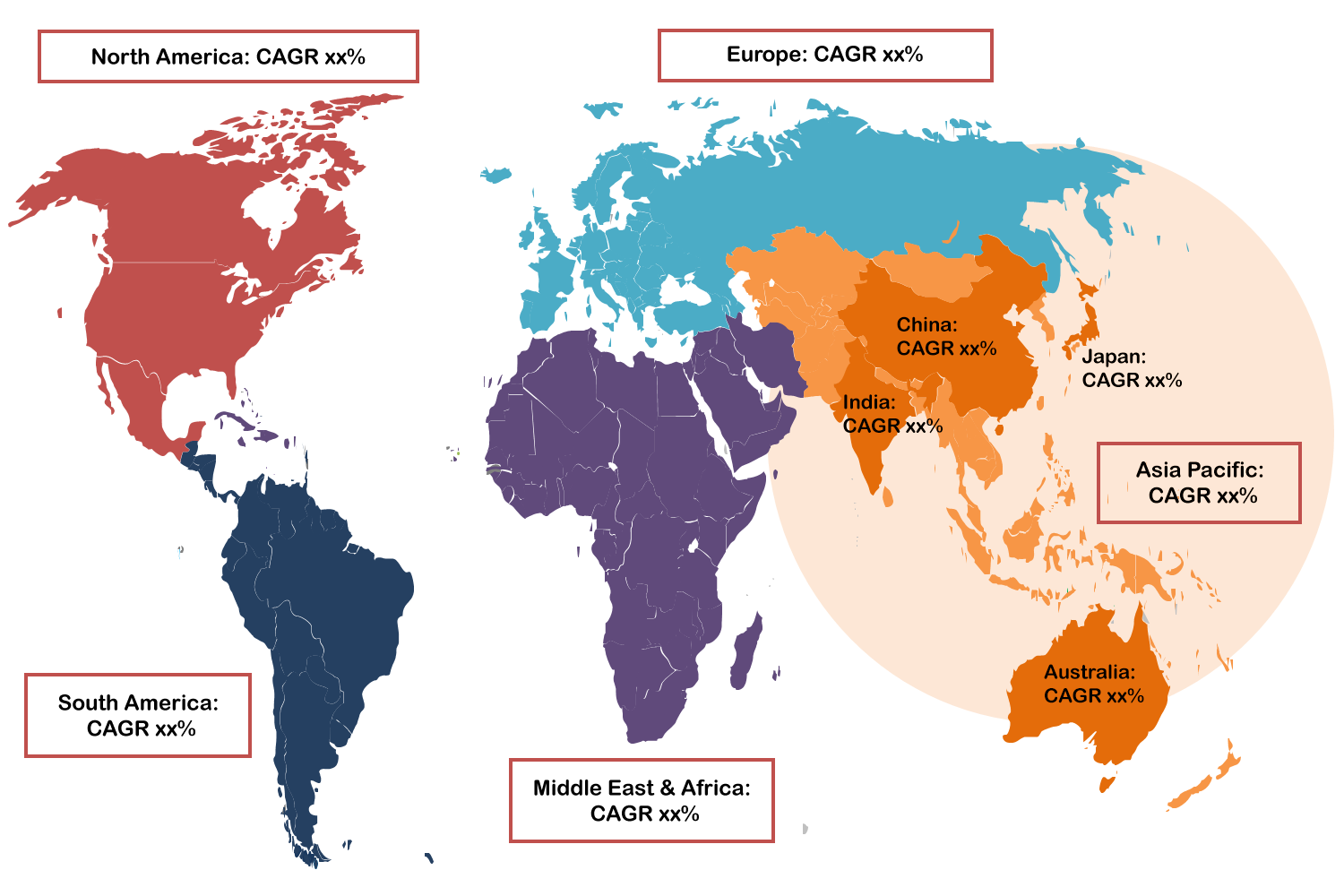
During the forecast period, the North America region is expected to hold the largest market share, driven by its advanced digital infrastructure, strong presence of technology giants, and favorable regulatory environment. The region has witnessed early and widespread adoption of blockchain technology, with significant investments from both established enterprises and innovative startups. Additionally, supportive government initiatives and a mature financial sector have accelerated the integration of smart contracts across industries such as finance, healthcare, and supply chain management. This robust ecosystem positions North America as the dominant regional market for smart contracts.
Region with highest CAGR:
Over the forecast period, the Asia Pacific region is anticipated to exhibit the highest CAGR, fueled by rapid digitalization, expanding fintech ecosystems, and increasing blockchain adoption in emerging economies. Countries like China, India, and Singapore are investing heavily in blockchain research and development, fostering innovation and regulatory clarity. Moreover, the region's large population and growing demand for efficient, secure digital services are driving the uptake of smart contract solutions across various sectors. This dynamic landscape is expected to propel Asia Pacific to the forefront of market growth.
Key players in the market
Some of the key players in Smart Contracts Market include International Business Machines Corporation (IBM), Amazon Web Services, Inc., Oracle Corporation, Tata Consultancy Services Limited, Infosys Limited, Microsoft Corporation, Google LLC (Alphabet Inc.), ConsenSys Inc., Chainlink Labs, Inc., Hyperledger Foundation, R3 LLC, Blockstream Corporation Inc., OpenXcell Technolabs Pvt Ltd, ScienceSoft USA Corporation, Cygnet Infotech Pvt Ltd, Monax Industries Ltd, Icertis, Inc. and Stellar Development Foundation.
Key Developments:
In March 2025, Trend Micro has maintained a long-standing collaboration with IBM, spanning over twenty-five years. Over that period, technology trends have come and gone. The IBM Z and IBM LinuxONE and Trend Micro Deep Security continue as well-established products based on forward-moving technologies.
In November 2024, Thales, the leading global technology and security provider, today announces the availability of CipherTrust Transparent Encryption (CTE) through the CipherTrust Data Security Platform as-a-service. CTE is designed to provide transparent, high-performance encryption for complex environments without the need to modify applications or underlying infrastructure. In continuing to expand its cloud service offerings, Thales remains committed to providing customers with a choice in how they consume data security services to help achieve compliance and protect sensitive data wherever it resides.
In July 2024, Consensys announced a research agreement with Smart Transaction Corp (STXN), enabling STXN to investigate ways to further enhance the composability and utility of Ethereum transaction semantics. The research, which is separate from but complementary to MetaMask’s Smart Transactions feature launched in May 2024, will be conducted by the STXN team and funded by Consensys.
Contract Types Covered:
• Smart Legal Contracts
• Decentralized Autonomous Organizations (DAO)
• DApp Core Logic Contracts
• Non-Fungible Token (NFT) Contracts
Platforms:
• Ethereum
• Avalanche
• NEAR Protocol
• Rootstock (RSK)
• Cardano
• BNB Chain
• Solana
• Polkadot
• Hyperledger Fabric
• R3 Corda
• Quorum
• Other Platforms
Blockchain Deployment Models Covered:
• Public Blockchains
• Private/Permissioned Blockchains
• Hybrid Blockchains
Enterprise Sizes Covered:
• Small and Medium-sized Enterprises (SMEs)
• Large Enterprises
End Users Covered:
• Banking, Financial Services, and Insurance (BFSI)
• Supply Chain & Logistics
• Government & Public Sector
• Healthcare
• Retail & E-commerce
• Media & Entertainment
• Real Estate
• Energy & Utilities
• IT & Telecom
• Other End Users
Regions Covered:
• North America
o US
o Canada
o Mexico
• Europe
o Germany
o UK
o Italy
o France
o Spain
o Rest of Europe
• Asia Pacific
o Japan
o China
o India
o Australia
o New Zealand
o South Korea
o Rest of Asia Pacific
• South America
o Argentina
o Brazil
o Chile
o Rest of South America
• Middle East & Africa
o Saudi Arabia
o UAE
o Qatar
o South Africa
o Rest of Middle East & Africa
What our report offers:
- Market share assessments for the regional and country-level segments
- Strategic recommendations for the new entrants
- Covers Market data for the years 2024, 2025, 2026, 2028, and 2032
- Market Trends (Drivers, Constraints, Opportunities, Threats, Challenges, Investment Opportunities, and recommendations)
- Strategic recommendations in key business segments based on the market estimations
- Competitive landscaping mapping the key common trends
- Company profiling with detailed strategies, financials, and recent developments
- Supply chain trends mapping the latest technological advancements
Free Customization Offerings:
All the customers of this report will be entitled to receive one of the following free customization options:
• Company Profiling
o Comprehensive profiling of additional market players (up to 3)
o SWOT Analysis of key players (up to 3)
• Regional Segmentation
o Market estimations, Forecasts and CAGR of any prominent country as per the client's interest (Note: Depends on feasibility check)
• Competitive Benchmarking
o Benchmarking of key players based on product portfolio, geographical presence, and strategic alliances
Table of Contents
1 Executive Summary
2 Preface
2.1 Abstract
2.2 Stake Holders
2.3 Research Scope
2.4 Research Methodology
2.4.1 Data Mining
2.4.2 Data Analysis
2.4.3 Data Validation
2.4.4 Research Approach
2.5 Research Sources
2.5.1 Primary Research Sources
2.5.2 Secondary Research Sources
2.5.3 Assumptions
3 Market Trend Analysis
3.1 Introduction
3.2 Drivers
3.3 Restraints
3.4 Opportunities
3.5 Threats
3.6 End User Analysis
3.7 Emerging Markets
3.8 Impact of Covid-19
4 Porters Five Force Analysis
4.1 Bargaining power of suppliers
4.2 Bargaining power of buyers
4.3 Threat of substitutes
4.4 Threat of new entrants
4.5 Competitive rivalry
5 Global Smart Contracts Market, By Contract Type
5.1 Introduction
5.2 Smart Legal Contracts
5.2.1 Standardized Legal Contracts
5.2.2 Customized Legal Contracts
5.3 Decentralized Autonomous Organizations (DAO)
5.3.1 Investment DAOs
5.3.2 Service DAOs
5.3.3 Grant DAOs
5.4 DApp Core Logic Contracts
5.4.1 Financial Protocol Contracts
5.4.2 Gaming Logic Contracts
5.4.3 Identity & Authentication Contracts
5.4.4 Supply Chain & Logistics Automation Contracts
5.4.5 Other DApp Core Logic
5.5 Non-Fungible Token (NFT) Contracts
5.5.1 ERC-721 Standard
5.5.2 ERC-1155 Standard
5.5.3 Other NFT Standards
6 Global Smart Contracts Market, By Platform
6.1 Introduction
6.2 Ethereum
6.3 Avalanche
6.4 NEAR Protocol
6.5 Rootstock (RSK)
6.6 Cardano
6.7 BNB Chain
6.8 Solana
6.9 Polkadot
6.10 Hyperledger Fabric
6.11 R3 Corda
6.12 Quorum
6.13 Other Platforms
7 Global Smart Contracts Market, By Blockchain Deployment Model
7.1 Introduction
7.2 Public Blockchains
7.3 Private/Permissioned Blockchains
7.4 Hybrid Blockchains
8 Global Smart Contracts Market, By Enterprise Size
8.1 Introduction
8.2 Small and Medium-sized Enterprises (SMEs)
8.3 Large Enterprises
9 Global Smart Contracts Market, By End User
9.1 Introduction
9.2 Banking, Financial Services, and Insurance (BFSI)
9.3 Supply Chain & Logistics
9.4 Government & Public Sector
9.5 Healthcare
9.6 Retail & E-commerce
9.7 Media & Entertainment
9.8 Real Estate
9.9 Energy & Utilities
9.10 IT & Telecom
9.11 Other End Users
10 Global Smart Contracts Market, By Geography
10.1 Introduction
10.2 North America
10.2.1 US
10.2.2 Canada
10.2.3 Mexico
10.3 Europe
10.3.1 Germany
10.3.2 UK
10.3.3 Italy
10.3.4 France
10.3.5 Spain
10.3.6 Rest of Europe
10.4 Asia Pacific
10.4.1 Japan
10.4.2 China
10.4.3 India
10.4.4 Australia
10.4.5 New Zealand
10.4.6 South Korea
10.4.7 Rest of Asia Pacific
10.5 South America
10.5.1 Argentina
10.5.2 Brazil
10.5.3 Chile
10.5.4 Rest of South America
10.6 Middle East & Africa
10.6.1 Saudi Arabia
10.6.2 UAE
10.6.3 Qatar
10.6.4 South Africa
10.6.5 Rest of Middle East & Africa
11 Key Developments
11.1 Agreements, Partnerships, Collaborations and Joint Ventures
11.2 Acquisitions & Mergers
11.3 New Product Launch
11.4 Expansions
11.5 Other Key Strategies
12 Company Profiling
12.1 International Business Machines Corporation (IBM)
12.2 Microsoft Corporation
12.3 Google LLC (Alphabet Inc.)
12.4 Amazon Web Services, Inc.
12.5 Oracle Corporation
12.6 SAS Institute Inc.
12.7 FICO (Fair Isaac Corporation)
12.8 Moody’s Analytics, Inc.
12.9 S&P Global Inc.
12.10 Palantir Technologies Inc.
12.11 Deloitte Touche Tohmatsu Limited
12.12 KPMG International Limited
12.13 PwC (PricewaterhouseCoopers International Limited)
12.14 Accenture plc
12.15 Zest AI, Inc.
12.16 Ayasdi AI LLC
12.17 Riskified Ltd.
12.18 Upstart Holdings, Inc.
List of Tables
1 Global Smart Contracts Market Outlook, By Region (2024-2032) ($MN)
2 Global Smart Contracts Market Outlook, By Contract Type (2024-2032) ($MN)
3 Global Smart Contracts Market Outlook, By Smart Legal Contracts (2024-2032) ($MN)
4 Global Smart Contracts Market Outlook, By Standardized Legal Contracts (2024-2032) ($MN)
5 Global Smart Contracts Market Outlook, By Customized Legal Contracts (2024-2032) ($MN)
6 Global Smart Contracts Market Outlook, By Decentralized Autonomous Organizations (DAO) (2024-2032) ($MN)
7 Global Smart Contracts Market Outlook, By Investment DAOs (2024-2032) ($MN)
8 Global Smart Contracts Market Outlook, By Service DAOs (2024-2032) ($MN)
9 Global Smart Contracts Market Outlook, By Grant DAOs (2024-2032) ($MN)
10 Global Smart Contracts Market Outlook, By DApp Core Logic Contracts (2024-2032) ($MN)
11 Global Smart Contracts Market Outlook, By Financial Protocol Contracts (2024-2032) ($MN)
12 Global Smart Contracts Market Outlook, By Gaming Logic Contracts (2024-2032) ($MN)
13 Global Smart Contracts Market Outlook, By Identity & Authentication Contracts (2024-2032) ($MN)
14 Global Smart Contracts Market Outlook, By Supply Chain & Logistics Automation Contracts (2024-2032) ($MN)
15 Global Smart Contracts Market Outlook, By Other DApp Core Logic (2024-2032) ($MN)
16 Global Smart Contracts Market Outlook, By Non-Fungible Token (NFT) Contracts (2024-2032) ($MN)
17 Global Smart Contracts Market Outlook, By ERC-721 Standard (2024-2032) ($MN)
18 Global Smart Contracts Market Outlook, By ERC-1155 Standard (2024-2032) ($MN)
19 Global Smart Contracts Market Outlook, By Other NFT Standards (2024-2032) ($MN)
20 Global Smart Contracts Market Outlook, By Platform (2024-2032) ($MN)
21 Global Smart Contracts Market Outlook, By Ethereum (2024-2032) ($MN)
22 Global Smart Contracts Market Outlook, By Avalanche (2024-2032) ($MN)
23 Global Smart Contracts Market Outlook, By NEAR Protocol (2024-2032) ($MN)
24 Global Smart Contracts Market Outlook, By Rootstock (RSK) (2024-2032) ($MN)
25 Global Smart Contracts Market Outlook, By Cardano (2024-2032) ($MN)
26 Global Smart Contracts Market Outlook, By BNB Chain (2024-2032) ($MN)
27 Global Smart Contracts Market Outlook, By Solana (2024-2032) ($MN)
28 Global Smart Contracts Market Outlook, By Polkadot (2024-2032) ($MN)
29 Global Smart Contracts Market Outlook, By Hyperledger Fabric (2024-2032) ($MN)
30 Global Smart Contracts Market Outlook, By R3 Corda (2024-2032) ($MN)
31 Global Smart Contracts Market Outlook, By Quorum (2024-2032) ($MN)
32 Global Smart Contracts Market Outlook, By Other Platforms (2024-2032) ($MN)
33 Global Smart Contracts Market Outlook, By Blockchain Deployment Model (2024-2032) ($MN)
34 Global Smart Contracts Market Outlook, By Public Blockchains (2024-2032) ($MN)
35 Global Smart Contracts Market Outlook, By Private/Permissioned Blockchains (2024-2032) ($MN)
36 Global Smart Contracts Market Outlook, By Hybrid Blockchains (2024-2032) ($MN)
37 Global Smart Contracts Market Outlook, By Enterprise Size (2024-2032) ($MN)
38 Global Smart Contracts Market Outlook, By Small and Medium-sized Enterprises (SMEs) (2024-2032) ($MN)
39 Global Smart Contracts Market Outlook, By Large Enterprises (2024-2032) ($MN)
40 Global Smart Contracts Market Outlook, By End User (2024-2032) ($MN)
41 Global Smart Contracts Market Outlook, By Banking, Financial Services, and Insurance (BFSI) (2024-2032) ($MN)
42 Global Smart Contracts Market Outlook, By Supply Chain & Logistics (2024-2032) ($MN)
43 Global Smart Contracts Market Outlook, By Government & Public Sector (2024-2032) ($MN)
44 Global Smart Contracts Market Outlook, By Healthcare (2024-2032) ($MN)
45 Global Smart Contracts Market Outlook, By Retail & E-commerce (2024-2032) ($MN)
46 Global Smart Contracts Market Outlook, By Media & Entertainment (2024-2032) ($MN)
47 Global Smart Contracts Market Outlook, By Real Estate (2024-2032) ($MN)
48 Global Smart Contracts Market Outlook, By Energy & Utilities (2024-2032) ($MN)
49 Global Smart Contracts Market Outlook, By IT & Telecom (2024-2032) ($MN)
50 Global Smart Contracts Market Outlook, By Other End Users (2024-2032) ($MN)
Note: Tables for North America, Europe, APAC, South America, and Middle East & Africa Regions are also represented in the same manner as above.
List of Figures
RESEARCH METHODOLOGY

We at ‘Stratistics’ opt for an extensive research approach which involves data mining, data validation, and data analysis. The various research sources include in-house repository, secondary research, competitor’s sources, social media research, client internal data, and primary research.
Our team of analysts prefers the most reliable and authenticated data sources in order to perform the comprehensive literature search. With access to most of the authenticated data bases our team highly considers the best mix of information through various sources to obtain extensive and accurate analysis.
Each report takes an average time of a month and a team of 4 industry analysts. The time may vary depending on the scope and data availability of the desired market report. The various parameters used in the market assessment are standardized in order to enhance the data accuracy.
Data Mining
The data is collected from several authenticated, reliable, paid and unpaid sources and is filtered depending on the scope & objective of the research. Our reports repository acts as an added advantage in this procedure. Data gathering from the raw material suppliers, distributors and the manufacturers is performed on a regular basis, this helps in the comprehensive understanding of the products value chain. Apart from the above mentioned sources the data is also collected from the industry consultants to ensure the objective of the study is in the right direction.
Market trends such as technological advancements, regulatory affairs, market dynamics (Drivers, Restraints, Opportunities and Challenges) are obtained from scientific journals, market related national & international associations and organizations.
Data Analysis
From the data that is collected depending on the scope & objective of the research the data is subjected for the analysis. The critical steps that we follow for the data analysis include:
- Product Lifecycle Analysis
- Competitor analysis
- Risk analysis
- Porters Analysis
- PESTEL Analysis
- SWOT Analysis
The data engineering is performed by the core industry experts considering both the Marketing Mix Modeling and the Demand Forecasting. The marketing mix modeling makes use of multiple-regression techniques to predict the optimal mix of marketing variables. Regression factor is based on a number of variables and how they relate to an outcome such as sales or profits.
Data Validation
The data validation is performed by the exhaustive primary research from the expert interviews. This includes telephonic interviews, focus groups, face to face interviews, and questionnaires to validate our research from all aspects. The industry experts we approach come from the leading firms, involved in the supply chain ranging from the suppliers, distributors to the manufacturers and consumers so as to ensure an unbiased analysis.
We are in touch with more than 15,000 industry experts with the right mix of consultants, CEO's, presidents, vice presidents, managers, experts from both supply side and demand side, executives and so on.
The data validation involves the primary research from the industry experts belonging to:
- Leading Companies
- Suppliers & Distributors
- Manufacturers
- Consumers
- Industry/Strategic Consultants
Apart from the data validation the primary research also helps in performing the fill gap research, i.e. providing solutions for the unmet needs of the research which helps in enhancing the reports quality.
For more details about research methodology, kindly write to us at info@strategymrc.com
Frequently Asked Questions
In case of any queries regarding this report, you can contact the customer service by filing the “Inquiry Before Buy” form available on the right hand side. You may also contact us through email: info@strategymrc.com or phone: +1-301-202-5929
Yes, the samples are available for all the published reports. You can request them by filling the “Request Sample” option available in this page.
Yes, you can request a sample with your specific requirements. All the customized samples will be provided as per the requirement with the real data masked.
All our reports are available in Digital PDF format. In case if you require them in any other formats, such as PPT, Excel etc you can submit a request through “Inquiry Before Buy” form available on the right hand side. You may also contact us through email: info@strategymrc.com or phone: +1-301-202-5929
We offer a free 15% customization with every purchase. This requirement can be fulfilled for both pre and post sale. You may send your customization requirements through email at info@strategymrc.com or call us on +1-301-202-5929.
We have 3 different licensing options available in electronic format.
- Single User Licence: Allows one person, typically the buyer, to have access to the ordered product. The ordered product cannot be distributed to anyone else.
- 2-5 User Licence: Allows the ordered product to be shared among a maximum of 5 people within your organisation.
- Corporate License: Allows the product to be shared among all employees of your organisation regardless of their geographical location.
All our reports are typically be emailed to you as an attachment.
To order any available report you need to register on our website. The payment can be made either through CCAvenue or PayPal payments gateways which accept all international cards.
We extend our support to 6 months post sale. A post sale customization is also provided to cover your unmet needs in the report.
Request Customization
We offer complimentary customization of up to 15% with every purchase. To share your customization requirements, feel free to email us at info@strategymrc.com or call us on +1-301-202-5929. .
Please Note: Customization within the 15% threshold is entirely free of charge. If your request exceeds this limit, we will conduct a feasibility assessment. Following that, a detailed quote and timeline will be provided.
WHY CHOOSE US ?

Assured Quality
Best in class reports with high standard of research integrity

24X7 Research Support
Continuous support to ensure the best customer experience.

Free Customization
Adding more values to your product of interest.

Safe & Secure Access
Providing a secured environment for all online transactions.

Trusted by 600+ Brands
Serving the most reputed brands across the world.
