
Climate Insurance Satellite Market
Climate Insurance Satellite Market Forecasts to 2032 – Global Analysis By Insurance Type (Parametric Insurance, Index-Based Insurance, and Traditional Insurance), Coverage Area, Technology, Distribution Channel, Application, End User and By Geography

According to Stratistics MRC, the Global Climate Insurance Satellite Market is accounted for $196.87 million in 2025 and is expected to reach $449.01 million by 2032 growing at a CAGR of 12.5% during the forecast period. Climate Insurance Satellite involves using satellite data and analytics to strengthen climate risk insurance services. Through remote sensing, satellites deliver timely insights on weather events, disasters, and environmental shifts. This information allows insurers to evaluate risks with greater precision, enhance preparedness, and accelerate claims handling. By supporting risk assessment, policy creation, and financial safeguards, Climate Insurance Satellite helps governments, organizations, and communities build resilience against climate-driven challenges and potential economic losses.
Market Dynamics:
Driver:
Growing demand for accurate risk assessment
The increasing frequency and severity of climate-related disasters are intensifying the need for precise risk modelling in insurance. Stakeholders are prioritizing satellite-enabled analytics to quantify exposure and predict losses with greater accuracy. Governments and insurers alike are investing in geospatial tools to improve disaster preparedness and policy pricing. As climate volatility rises, traditional actuarial models are proving insufficient, prompting a shift toward dynamic, data-rich solutions. Satellite imagery combined with environmental sensors is enabling real-time monitoring of flood zones, wildfire paths, and drought-prone regions. This heightened demand for granular, location-specific insights is propelling the growth of climate insurance powered by satellite data.
Restraint:
Data integration challenges with insurance systems
Despite technological advances, integrating satellite-derived data into legacy insurance platforms remains a major hurdle. Many insurers operate on outdated infrastructure that struggles to process high-resolution geospatial inputs. Compatibility issues between satellite analytics and underwriting systems slow adoption and reduce operational efficiency. The lack of standardized formats and APIs across satellite providers further complicates data harmonization. These integration barriers increase implementation costs and delay the rollout of innovative insurance products. As a result, insurers face friction in leveraging satellite intelligence for real-time risk assessment and claims automation.
Opportunity:
Adoption of AI and big data analytic
Machine learning models can now process vast volumes of imagery to detect patterns, assess damage, and forecast risk with unprecedented precision. Insurers are using predictive algorithms to refine pricing strategies and automate claims based on satellite-observed events. Big data platforms enable cross-referencing of climate indicators, historical loss data, and socio-economic variables for deeper insights. This technological synergy is driving the development of parametric insurance and micro-coverage models tailored to specific geographies. As AI capabilities mature, insurers can offer more responsive, transparent, and scalable solutions to climate-exposed populations.
Threat:
Cybersecurity risks in satellite data systems
Cyberattacks targeting satellite networks or ground stations could disrupt insurance operations and compromise sensitive geospatial data. Unauthorized access to climate models or policyholder information poses significant risks to insurers and reinsurers. As satellite systems become more interconnected, the attack surface expands, requiring robust encryption and cybersecurity protocols. Regulatory bodies are beginning to mandate stricter compliance for satellite data handling in insurance contexts. Without proactive risk mitigation, cybersecurity threats could undermine trust and stall innovation in climate insurance markets.
Covid-19 Impact
The pandemic disrupted satellite deployment schedules and delayed climate data collection, affecting insurance modelling timelines. However, it also accelerated digital transformation across the insurance sector, including remote sensing adoption. Lockdowns highlighted the value of satellite-based monitoring for assessing environmental risks in inaccessible areas. Insurers began leveraging satellite imagery to validate claims and track climate anomalies without field inspections. Covid-19 also spurred interest in parametric insurance, which relies on predefined triggers rather than manual verification.
The parametric insurance segment is expected to be the largest during the forecast period
The parametric insurance segment is expected to account for the largest market share during the forecast period, due to its efficiency in covering climate-related risks. Unlike traditional models, parametric policies pay out based on satellite-observed triggers such as rainfall thresholds, wind speeds, or temperature anomalies. This approach reduces claims processing time and enhances transparency for policyholders. Satellite data ensures objective, real-time verification of events, making parametric insurance ideal for disaster-prone regions. Innovations in geospatial analytics and climate modelling are expanding the applicability of parametric products across agriculture, infrastructure, and energy sectors. As insurers seek scalable solutions for climate resilience, parametric insurance is emerging as the preferred model.
The AI & ML for risk modeling segment is expected to have the highest CAGR during the forecast period
Over the forecast period, the AI & ML for risk modeling segment is predicted to witness the highest growth rate. These technologies enable insurers to analyze satellite data at scale, uncover hidden correlations, and simulate future climate scenarios. Advanced algorithms are being used to predict flood zones, wildfire spread, and crop yield variability with high accuracy. The integration of AI into underwriting and claims workflows is streamlining operations and reducing human error. Emerging trends include neural networks for damage detection and reinforcement learning for adaptive pricing models. As climate risks become more complex, AI-driven modeling is becoming indispensable for proactive insurance strategies.
Region with largest share:
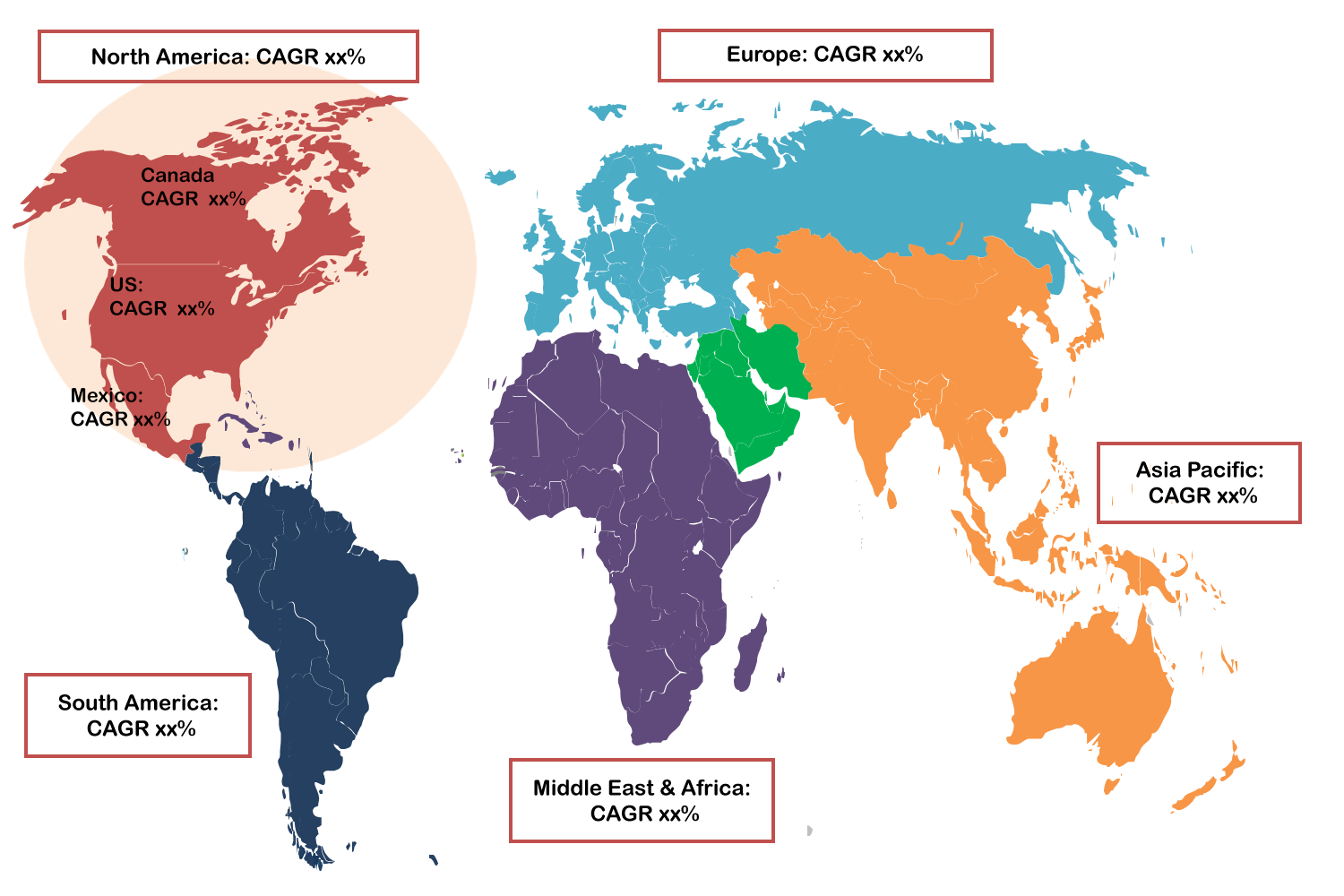
During the forecast period, the Asia Pacific region is expected to hold the largest market share driven by its vulnerability to natural disasters and rapid digital adoption. Countries in the region are investing heavily in satellite infrastructure to monitor typhoons, floods, and heat waves. Government-backed insurance schemes and public-private partnerships are promoting satellite-based parametric coverage. Regulatory reforms are encouraging data sharing and innovation in climate risk management. The region’s growing agricultural sector is also fueling demand for satellite-enabled crop insurance. With robust investment and policy support, Asia Pacific is positioning itself as a hub for climate-resilient insurance solutions.
Region with highest CAGR:
Over the forecast period, the North America region is anticipated to exhibit the highest CAGR, propelled by its advanced satellite ecosystem and strong insurance innovation pipeline. The region benefits from extensive climate research, high-resolution satellite networks, and mature AI capabilities. Insurers are rapidly adopting geospatial analytics to enhance underwriting precision and automate claims. Regulatory bodies like FEMA and NOAA are collaborating with insurers to standardize satellite data usage. Venture capital is flowing into insurtech startups focused on climate resilience and parametric models.
Key players in the market
Some of the key players profiled in the Climate Insurance Satellite Market include Global Aerospace, Ondo InsurTech, Allianz, Hallmark Financial Services, AIG, Hiscox, AXA, Zego, Swiss Re, Flock, Munich Re, Previsico, Marsh McLennan, IBISA, and Aon.
Key Developments:
In August 2025, Ondo InsurTech plc announced that it has signed an agreement update with If P&C Insurance (""If"") following the acquisition and subsequent integration of Topdanmark into If's Nordic operations. The updated agreement recognises this change of control and enables If to introduce LeakBot to its wider Danish customer base, starting with a roll out via its agent network.
In August 2025, Consortium of top-tier insurers and asset managers completes the acquisition of leading European life insurance consolidator Viridium and welcomes new investors. The consortium of top-tier insurers and asset managers, which includes Allianz, BlackRock, Generali Financial Holdings1, Hannover Re and T&D Holdings, announced today that it has completed the acquisition of Viridium Group, a leading European life insurance consolidation platform, from Cinven.
Insurance Types Covered:
• Parametric Insurance
• Index-Based Insurance
• Traditional Insurance
Coverage Areas Covered:
• Crop Insurance
• Property Insurance
• Livestock Insurance
• Business Interruption
Technologies Covered:
• Satellite Imagery & Remote Sensing Platforms
• Blockchain for Smart Contracts
• AI & Machine Learning for Risk Modeling
• IoT Integration with Satellite Data
Distribution Channels Covered:
• Direct-to-Consumer Platforms
• Digital Platforms & Insurtechs
• Brokers & Agents
Applications Covered:
• Agriculture
• Energy Sector
• Flood & Coastal Risk
• Supply Chain & Commodity Risk
• Wildfire Detection & Monitoring
• Disaster Response & Humanitarian Relief
• Property & Infrastructure Damage Assessment
End Users Covered:
• Insurance Companies
• NGOs & Humanitarian Organizations
• Reinsurers & Capital Markets
• Agribusiness & Corporate Clients
• Brokers & Managing General Agents (MGAs)
• Governments & Multilateral Agencies
Regions Covered:
• North America
o US
o Canada
o Mexico
• Europe
o Germany
o UK
o Italy
o France
o Spain
o Rest of Europe
• Asia Pacific
o Japan
o China
o India
o Australia
o New Zealand
o South Korea
o Rest of Asia Pacific
• South America
o Argentina
o Brazil
o Chile
o Rest of South America
• Middle East & Africa
o Saudi Arabia
o UAE
o Qatar
o South Africa
o Rest of Middle East & Africa
What our report offers:
- Market share assessments for the regional and country-level segments
- Strategic recommendations for the new entrants
- Covers Market data for the years 2024, 2025, 2026, 2028, and 2032
- Market Trends (Drivers, Constraints, Opportunities, Threats, Challenges, Investment Opportunities, and recommendations)
- Strategic recommendations in key business segments based on the market estimations
- Competitive landscaping mapping the key common trends
- Company profiling with detailed strategies, financials, and recent developments
- Supply chain trends mapping the latest technological advancements
Free Customization Offerings:
All the customers of this report will be entitled to receive one of the following free customization options:
• Company Profiling
o Comprehensive profiling of additional market players (up to 3)
o SWOT Analysis of key players (up to 3)
• Regional Segmentation
o Market estimations, Forecasts and CAGR of any prominent country as per the client's interest (Note: Depends on feasibility check)
• Competitive Benchmarking
o Benchmarking of key players based on product portfolio, geographical presence, and strategic alliances
Table of Contents
1 Executive Summary
2 Preface
2.1 Abstract
2.2 Stake Holders
2.3 Research Scope
2.4 Research Methodology
2.4.1 Data Mining
2.4.2 Data Analysis
2.4.3 Data Validation
2.4.4 Research Approach
2.5 Research Sources
2.5.1 Primary Research Sources
2.5.2 Secondary Research Sources
2.5.3 Assumptions
3 Market Trend Analysis
3.1 Introduction
3.2 Drivers
3.3 Restraints
3.4 Opportunities
3.5 Threats
3.6 Technology Analysis
3.7 Application Analysis
3.8 End User Analysis
3.9 Emerging Markets
3.10 Impact of Covid-19
4 Porters Five Force Analysis
4.1 Bargaining power of suppliers
4.2 Bargaining power of buyers
4.3 Threat of substitutes
4.4 Threat of new entrants
4.5 Competitive rivalry
5 Global Climate Insurance Satellite Market, By Insurance Type
5.1 Introduction
5.2 Parametric Insurance
5.3 Index-Based Insurance
5.4 Traditional Insurance
6 Global Climate Insurance Satellite Market, By Coverage Area
6.1 Introduction
6.2 Crop Insurance
6.3 Property Insurance
6.4 Livestock Insurance
6.5 Business Interruption
7 Global Climate Insurance Satellite Market, By Technology
7.1 Introduction
7.2 Satellite Imagery & Remote Sensing Platforms
7.3 Blockchain for Smart Contracts
7.4 AI & Machine Learning for Risk Modeling
7.5 IoT Integration with Satellite Data
8 Global Climate Insurance Satellite Market, By Distribution Channel
8.1 Introduction
8.2 Direct-to-Consumer Platforms
8.3 Digital Platforms & Insurtechs
8.4 Brokers & Agents
9 Global Climate Insurance Satellite Market, By Application
9.1 Introduction
9.2 Agriculture
9.3 Energy Sector
9.4 Flood & Coastal Risk
9.5 Supply Chain & Commodity Risk
9.6 Wildfire Detection & Monitoring
9.7 Disaster Response & Humanitarian Relief
9.9 Property & Infrastructure Damage Assessment
10 Global Climate Insurance Satellite Market, By End User
10.1 Introduction
10.2 Insurance Companies
10.3 NGOs & Humanitarian Organizations
10.4 Reinsurers & Capital Markets
10.5 Agribusiness & Corporate Clients
10.6 Brokers & Managing General Agents (MGAs)
10.7 Governments & Multilateral Agencies
11 Global Climate Insurance Satellite Market, By Geography
11.1 Introduction
11.2 North America
11.2.1 US
11.2.2 Canada
11.2.3 Mexico
11.3 Europe
11.3.1 Germany
11.3.2 UK
11.3.3 Italy
11.3.4 France
11.3.5 Spain
11.3.6 Rest of Europe
11.4 Asia Pacific
11.4.1 Japan
11.4.2 China
11.4.3 India
11.4.4 Australia
11.4.5 New Zealand
11.4.6 South Korea
11.4.7 Rest of Asia Pacific
11.5 South America
11.5.1 Argentina
11.5.2 Brazil
11.5.3 Chile
11.5.4 Rest of South America
11.6 Middle East & Africa
11.6.1 Saudi Arabia
11.6.2 UAE
11.6.3 Qatar
11.6.4 South Africa
11.6.5 Rest of Middle East & Africa
12 Key Developments
12.1 Agreements, Partnerships, Collaborations and Joint Ventures
12.2 Acquisitions & Mergers
12.3 New Product Launch
12.4 Expansions
12.5 Other Key Strategies
13 Company Profiling
13.1 Global Aerospace
13.2 Ondo InsurTech
13.3 Allianz
13.4 Hallmark Financial Services
13.5 AIG
13.6 Hiscox
13.7 AXA
13.8 Zego
13.9 Swiss Re
13.10 Flock
13.11 Munich Re
13.12 Previsico
13.13 Marsh McLennan
13.14 IBISA
13.15 Aon
List of Tables
1 Global Climate Insurance Satellite Market Outlook, By Region (2024-2032) ($MN)
2 Global Climate Insurance Satellite Market Outlook, By Insurance Type (2024-2032) ($MN)
3 Global Climate Insurance Satellite Market Outlook, By Parametric Insurance (2024-2032) ($MN)
4 Global Climate Insurance Satellite Market Outlook, By Index-Based Insurance (2024-2032) ($MN)
5 Global Climate Insurance Satellite Market Outlook, By Traditional Insurance (2024-2032) ($MN)
6 Global Climate Insurance Satellite Market Outlook, By Coverage Area (2024-2032) ($MN)
7 Global Climate Insurance Satellite Market Outlook, By Crop Insurance (2024-2032) ($MN)
8 Global Climate Insurance Satellite Market Outlook, By Property Insurance (2024-2032) ($MN)
9 Global Climate Insurance Satellite Market Outlook, By Livestock Insurance (2024-2032) ($MN)
10 Global Climate Insurance Satellite Market Outlook, By Business Interruption (2024-2032) ($MN)
11 Global Climate Insurance Satellite Market Outlook, By Technology (2024-2032) ($MN)
12 Global Climate Insurance Satellite Market Outlook, By Satellite Imagery & Remote Sensing Platforms (2024-2032) ($MN)
13 Global Climate Insurance Satellite Market Outlook, By Blockchain for Smart Contracts (2024-2032) ($MN)
14 Global Climate Insurance Satellite Market Outlook, By AI & Machine Learning for Risk Modeling (2024-2032) ($MN)
15 Global Climate Insurance Satellite Market Outlook, By IoT Integration with Satellite Data (2024-2032) ($MN)
16 Global Climate Insurance Satellite Market Outlook, By Distribution Channel (2024-2032) ($MN)
17 Global Climate Insurance Satellite Market Outlook, By Direct-to-Consumer Platforms (2024-2032) ($MN)
18 Global Climate Insurance Satellite Market Outlook, By Digital Platforms & Insurtechs (2024-2032) ($MN)
19 Global Climate Insurance Satellite Market Outlook, By Brokers & Agents (2024-2032) ($MN)
20 Global Climate Insurance Satellite Market Outlook, By Application (2024-2032) ($MN)
21 Global Climate Insurance Satellite Market Outlook, By Agriculture (2024-2032) ($MN)
22 Global Climate Insurance Satellite Market Outlook, By Energy Sector (2024-2032) ($MN)
23 Global Climate Insurance Satellite Market Outlook, By Flood & Coastal Risk (2024-2032) ($MN)
24 Global Climate Insurance Satellite Market Outlook, By Supply Chain & Commodity Risk (2024-2032) ($MN)
25 Global Climate Insurance Satellite Market Outlook, By Wildfire Detection & Monitoring (2024-2032) ($MN)
26 Global Climate Insurance Satellite Market Outlook, By Disaster Response & Humanitarian Relief (2024-2032) ($MN)
27 Global Climate Insurance Satellite Market Outlook, By Property & Infrastructure Damage Assessment (2024-2032) ($MN)
28 Global Climate Insurance Satellite Market Outlook, By End User (2024-2032) ($MN)
29 Global Climate Insurance Satellite Market Outlook, By Insurance Companies (2024-2032) ($MN)
30 Global Climate Insurance Satellite Market Outlook, By NGOs & Humanitarian Organizations (2024-2032) ($MN)
31 Global Climate Insurance Satellite Market Outlook, By Reinsurers & Capital Markets (2024-2032) ($MN)
32 Global Climate Insurance Satellite Market Outlook, By Agribusiness & Corporate Clients (2024-2032) ($MN)
33 Global Climate Insurance Satellite Market Outlook, By Brokers & Managing General Agents (MGAs) (2024-2032) ($MN)
34 Global Climate Insurance Satellite Market Outlook, By Governments & Multilateral Agencies (2024-2032) ($MN)
Note: Tables for North America, Europe, APAC, South America, and Middle East & Africa Regions are also represented in the same manner as above.
List of Figures
RESEARCH METHODOLOGY

We at ‘Stratistics’ opt for an extensive research approach which involves data mining, data validation, and data analysis. The various research sources include in-house repository, secondary research, competitor’s sources, social media research, client internal data, and primary research.
Our team of analysts prefers the most reliable and authenticated data sources in order to perform the comprehensive literature search. With access to most of the authenticated data bases our team highly considers the best mix of information through various sources to obtain extensive and accurate analysis.
Each report takes an average time of a month and a team of 4 industry analysts. The time may vary depending on the scope and data availability of the desired market report. The various parameters used in the market assessment are standardized in order to enhance the data accuracy.
Data Mining
The data is collected from several authenticated, reliable, paid and unpaid sources and is filtered depending on the scope & objective of the research. Our reports repository acts as an added advantage in this procedure. Data gathering from the raw material suppliers, distributors and the manufacturers is performed on a regular basis, this helps in the comprehensive understanding of the products value chain. Apart from the above mentioned sources the data is also collected from the industry consultants to ensure the objective of the study is in the right direction.
Market trends such as technological advancements, regulatory affairs, market dynamics (Drivers, Restraints, Opportunities and Challenges) are obtained from scientific journals, market related national & international associations and organizations.
Data Analysis
From the data that is collected depending on the scope & objective of the research the data is subjected for the analysis. The critical steps that we follow for the data analysis include:
- Product Lifecycle Analysis
- Competitor analysis
- Risk analysis
- Porters Analysis
- PESTEL Analysis
- SWOT Analysis
The data engineering is performed by the core industry experts considering both the Marketing Mix Modeling and the Demand Forecasting. The marketing mix modeling makes use of multiple-regression techniques to predict the optimal mix of marketing variables. Regression factor is based on a number of variables and how they relate to an outcome such as sales or profits.
Data Validation
The data validation is performed by the exhaustive primary research from the expert interviews. This includes telephonic interviews, focus groups, face to face interviews, and questionnaires to validate our research from all aspects. The industry experts we approach come from the leading firms, involved in the supply chain ranging from the suppliers, distributors to the manufacturers and consumers so as to ensure an unbiased analysis.
We are in touch with more than 15,000 industry experts with the right mix of consultants, CEO's, presidents, vice presidents, managers, experts from both supply side and demand side, executives and so on.
The data validation involves the primary research from the industry experts belonging to:
- Leading Companies
- Suppliers & Distributors
- Manufacturers
- Consumers
- Industry/Strategic Consultants
Apart from the data validation the primary research also helps in performing the fill gap research, i.e. providing solutions for the unmet needs of the research which helps in enhancing the reports quality.
For more details about research methodology, kindly write to us at info@strategymrc.com
Frequently Asked Questions
In case of any queries regarding this report, you can contact the customer service by filing the “Inquiry Before Buy” form available on the right hand side. You may also contact us through email: info@strategymrc.com or phone: +1-301-202-5929
Yes, the samples are available for all the published reports. You can request them by filling the “Request Sample” option available in this page.
Yes, you can request a sample with your specific requirements. All the customized samples will be provided as per the requirement with the real data masked.
All our reports are available in Digital PDF format. In case if you require them in any other formats, such as PPT, Excel etc you can submit a request through “Inquiry Before Buy” form available on the right hand side. You may also contact us through email: info@strategymrc.com or phone: +1-301-202-5929
We offer a free 15% customization with every purchase. This requirement can be fulfilled for both pre and post sale. You may send your customization requirements through email at info@strategymrc.com or call us on +1-301-202-5929.
We have 3 different licensing options available in electronic format.
- Single User Licence: Allows one person, typically the buyer, to have access to the ordered product. The ordered product cannot be distributed to anyone else.
- 2-5 User Licence: Allows the ordered product to be shared among a maximum of 5 people within your organisation.
- Corporate License: Allows the product to be shared among all employees of your organisation regardless of their geographical location.
All our reports are typically be emailed to you as an attachment.
To order any available report you need to register on our website. The payment can be made either through CCAvenue or PayPal payments gateways which accept all international cards.
We extend our support to 6 months post sale. A post sale customization is also provided to cover your unmet needs in the report.
Request Customization
We offer complimentary customization of up to 15% with every purchase. To share your customization requirements, feel free to email us at info@strategymrc.com or call us on +1-301-202-5929. .
Please Note: Customization within the 15% threshold is entirely free of charge. If your request exceeds this limit, we will conduct a feasibility assessment. Following that, a detailed quote and timeline will be provided.
WHY CHOOSE US ?

Assured Quality
Best in class reports with high standard of research integrity

24X7 Research Support
Continuous support to ensure the best customer experience.

Free Customization
Adding more values to your product of interest.

Safe & Secure Access
Providing a secured environment for all online transactions.

Trusted by 600+ Brands
Serving the most reputed brands across the world.
