
Electric Vehicle Battery Recycling Market
Electric Vehicle Battery Recycling Market Forecasts to 2030 - Global Analysis By Battery Type (Lithium-ion Batteries, Sealed Lead Acid Batteries, Nickel-metal Hydride Batteries and Other Battery Types), Recycling Process (Hydrometallurgical Process, Pyrometallurgy Process and Physical/mechanical Process), Business Model, Battery Source, Material, Application, End User and by Geography

|
Years Covered |
2022-2030 |
|
Estimated Year Value (2024) |
US $11.14 BN |
|
Projected Year Value (2030) |
US $40.11 BN |
|
CAGR (2024 - 2030) |
23.8% |
|
Regions Covered |
North America, Europe, Asia Pacific, South America, and Middle East & Africa |
|
Countries Covered |
US, Canada, Mexico, Germany, UK, Italy, France, Spain, Japan, China, India, Australia, New Zealand, South Korea, Rest of Asia Pacific, South America, Argentina, Brazil, Chile, Middle East & Africa, Saudi Arabia, UAE, Qatar, and South Africa |
|
Largest Market |
Asia Pacific |
|
Highest Growing Market |
Europe |
According to Stratistics MRC, the Global Electric Vehicle Battery Recycling Market is accounted for $11.14 billion in 2024 and is expected to reach $40.11 billion by 2030 growing at a CAGR of 23.8% during the forecast period. Recycling the batteries from electric vehicles (EVs) is an essential part of sustainable transportation, helping to solve the environmental issues raised by the growing use of EVs. Effective recycling procedures are becoming more and more necessary in order to recover valuable materials like lithium, cobalt, and nickel from spent batteries as the demand for electric vehicles (EVs) grows. Reusing these materials reduces the need for virgin resources and lessens the environmental impact of battery production.
According to the International Energy Agency (IEA), electric vehicle sales are projected to reach 30% of total global vehicle sales by 2030.

Market Dynamics:
Driver:
Growing interest in electric cars
Technology developments, government initiatives to reduce greenhouse gas emissions, and environmental awareness are all contributing to the global shift towards electric vehicles. The global EV market is predicted to expand rapidly in the near future, and projections indicate that EV sales may eventually make up a sizeable share of new car sales. This spike in demand causes the quantity of batteries in use to rise, and it also raises concerns about how these batteries are managed throughout their lifecycle. Additionally, effective recycling procedures are essential to managing waste and recovering valuable materials as more electric vehicles (EVs) approach the end of their life cycles.
Restraint:
Complexity of battery composition and design
A range of materials, including plastics, aluminum, cobalt, nickel, and lithium, are used to make EV batteries. Each of these materials has unique characteristics and recycling needs. This complexity is increased by the fact that battery designs differ amongst manufacturers. For example, different brand batteries have different chemistries and configurations that make processing and disassembly more difficult. Due to this variability, safe and efficient disassembly requires specific tools and knowledge. Furthermore, these batteries are complicated, which raises labor costs and creates safety hazards when handling them because mishandled batteries can leak dangerous substances or catch fire.
Opportunity:
Quick increase in the use of electric vehicles
The increasing global adoption of electric vehicles is driving up demand for battery recycling services. It is anticipated that the volume of end-of-life batteries will rise sharply as EV sales continue to rise, especially in regions like Asia-Pacific and Europe. According to a Niti Aayog report, for example, by 2030, 128 GWh of lithium-ion batteries will be available for recycling in India alone, with a large share coming from the EV segment. Moreover, the expanding market offers recyclers the chance to set up businesses that can effectively handle these batteries and extract valuable materials.
Threat:
Rivalry with second-life apps
Even after they can no longer be used in automobiles, many used EV batteries still have a significant amount of capacity. Since these batteries are being used for energy storage solutions instead of being recycled right away, there is a growing market for second-life applications. The number of batteries that are immediately available for recycling decreases, even though this practice can lengthen the lifespan of battery components. Additionally, the urgency of investing in recycling infrastructure may decrease as businesses look for alternate uses for spent batteries.
Covid-19 Impact:
Due to production line disruptions and widespread shutdowns in the automotive and recycling industries, the COVID-19 pandemic had a major effect on the market for recycled electric vehicle (EV) batteries. Strict travel bans and lockdowns during the pandemic caused a shortage of workers, which resulted in the closure of numerous recycling facilities. This exacerbated already-existing difficulties in managing battery waste by creating a backlog of exhausted batteries that could not be processed. Furthermore, reducing the market for new EVs and, as a result, limiting the amount of batteries entering the recycling stream was the economic uncertainty brought on by the pandemic, which also resulted in lower consumer spending on electric vehicles.
The Lithium segment is expected to be the largest during the forecast period
The lithium segment holds the largest market share in the electric vehicle (EV) battery recycling industry. This is mostly because lithium is essential to lithium-ion batteries, which are the most popular kind of batteries used in EVs. With a market share of roughly 58.36% in 2022, lithium-ion batteries are expected to dominate the electric vehicle (EV) industry due to their high energy density, thermal stability, and efficiency. Moreover, the need for lithium recovery from used batteries has increased due to the growing global adoption of electric vehicles. Manufacturers are trying to lessen their reliance on newly mined resources and minimize supply chain risks related to sourcing lithium.
The Energy Storage Systems segment is expected to have the highest CAGR during the forecast period
The energy storage systems segment is expected to have the highest CAGR in the market for recycled electric vehicle batteries. This is due to the growing need for sustainable energy solutions and the repurposing of used EV batteries for stationary storage applications. When the batteries in electric vehicles run out, they still have a lot of capacity left in them, which makes them good for second-life uses in energy storage systems—which are necessary to incorporate renewable energy sources into the grid. Additionally, the market for energy storage systems is anticipated to grow to a value of over USD 4.5 billion, driven by developments in battery technology and government incentives that support sustainability.
Region with largest share:
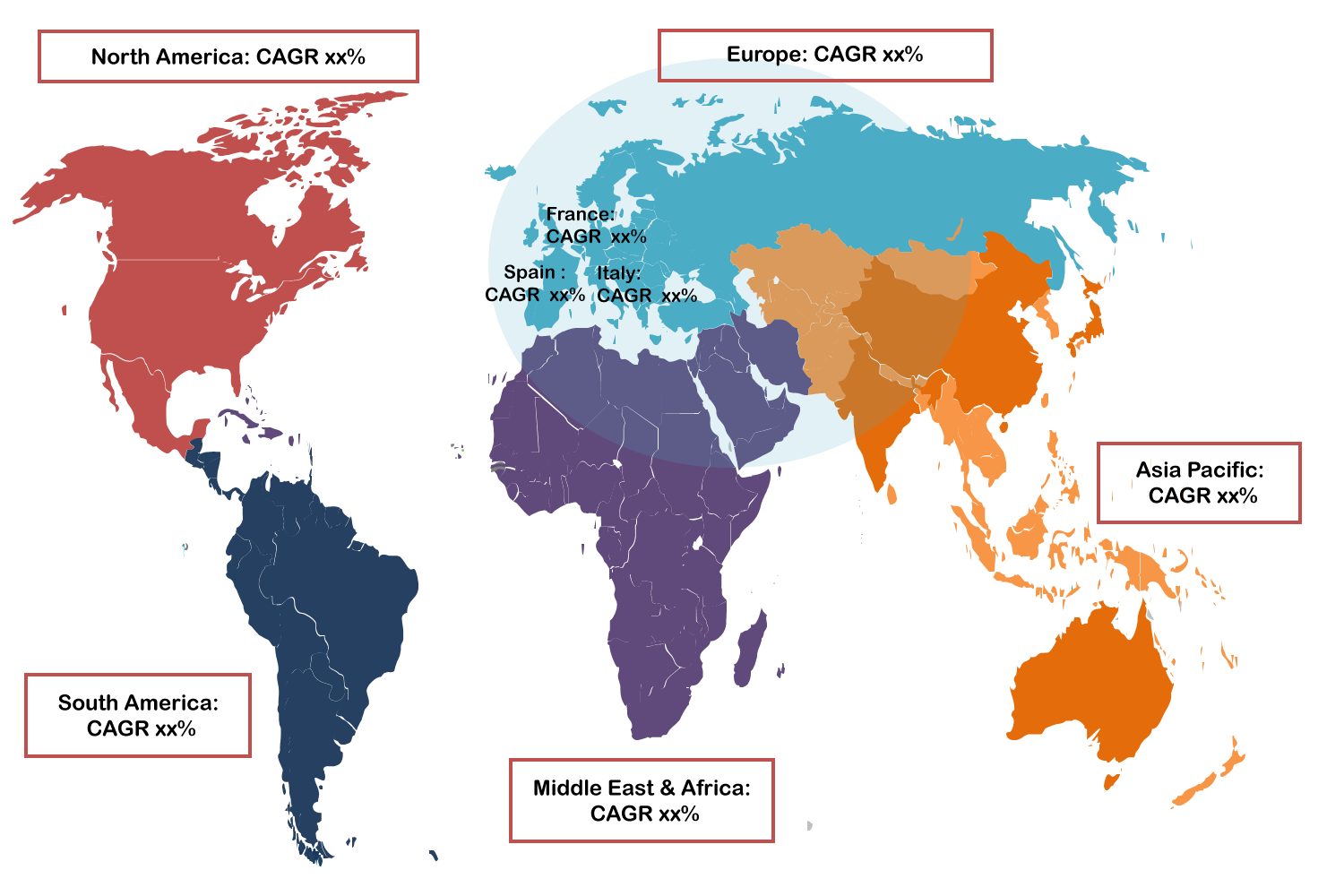
The Asia-Pacific region is anticipated to hold the largest share of the market for recycling electric vehicle batteries. This dominance is mostly due to the quick uptake of electric vehicles in important nations like South Korea, Japan, and China, which has led to a significant amount of used batteries that need to be recycled. The region gains from strict government regulations that promote sustainable practices and appropriate disposal techniques, as well as large investments in cutting-edge recycling technologies targeted at recovering valuable materials from spent batteries. Moreover, having a strong manufacturing ecosystem and a trained labor force improves the area's ability to create and execute efficient recycling systems.
Region with highest CAGR:
The market for recycling batteries from electric vehicles is expected to grow significantly in the European region, with the highest CAGR. Strict laws and mandates designed to improve the region's capacity for battery recycling and sustainability are the driving forces behind this expansion. The area's dedication to a circular economy places a strong emphasis on waste minimization and resource efficiency, which has led to more funding being allocated to recycling infrastructure and technologies. Additionally, as electric vehicles become more and more popular throughout Europe, a significant amount of end-of-life batteries are produced, this calls for efficient recycling solutions.
Key players in the market
Some of the key players in Electric Vehicle Battery Recycling market include Umicore N.V., Tata Chemicals Limited, Duesenfeld GmbH, EnerSys, Fortum Corporation, Ace Green Recycling, Inc, Contemporary Amperex Technology Co., Limited., BatX Energies Pvt. Ltd., Glencore plc, Li-Cycle Holdings Corp., Andritz AG, Redwood Materials, Inc., Eco-Bat Technologies Ltd., Battery Solutions LLC, GEM Co., Ltd., Exxon Mobil Corp., Snam S.p.A. and Attero Recycling Pvt. Ltd.
Key Developments:
In May 2024, EnerSys, the global leader in stored energy solutions for industrial applications, today announced it has entered into a definitive agreement to acquire Bren-Tronics, Inc. in an all-cash transaction of $208 million. The purchase price represents approximately 8.7x Bren-Tronics’ adjusted EBITDA for the twelve months.
In February 2024, Tata Chemicals Ltd has announced collaboration with IITB-Monash Research Academy for pioneering research in the perovskite/clean energy domain. This strategic partnership is aimed at advancing sustainable energy transition solutions and fostering cutting-edge innovation in clean energy technologies.
In October 2023, Umicore and AESC, a global leader in the development and manufacturing of high-performance batteries for electric vehicles (EV) and energy storage systems, have signed a ten-year agreement whereby Umicore will supply high-nickel battery materials for the production of EV batteries at AESC’s US manufacturing facilities.
Battery Types Covered:
• Lithium-ion Batteries
• Sealed Lead Acid Batteries
• Nickel-metal Hydride Batteries
• Other Battery Types
Recycling Processes Covered:
• Hydrometallurgical Process
• Pyrometallurgy Process
• Physical/mechanical Process
Business Models Covered:
• Contractual Recycling Services
• Direct-to-Market Recycled Materials
Battery Sources Covered:
• Commercial Vehicles
• Passenger Cars
• E-scooters & Motorcycles
• E-bikes
Materials Covered:
• Graphite
• Nickel
• Cobalt
• Copper
• Manganese
• Lithium
• Aluminum
• Iron
• Plastics
• Other Materials
Applications Covered:
• Electric Cars
• Electric Buses
• Energy Storage Systems
• Other Applications
End Users Covered:
• Transportation
• Consumer Electronics
• Industrial
• Other End Users
Regions Covered:
• North America
o US
o Canada
o Mexico
• Europe
o Germany
o UK
o Italy
o France
o Spain
o Rest of Europe
• Asia Pacific
o Japan
o China
o India
o Australia
o New Zealand
o South Korea
o Rest of Asia Pacific
• South America
o Argentina
o Brazil
o Chile
o Rest of South America
• Middle East & Africa
o Saudi Arabia
o UAE
o Qatar
o South Africa
o Rest of Middle East & Africa
What our report offers:
- Market share assessments for the regional and country-level segments
- Strategic recommendations for the new entrants
- Covers Market data for the years 2022, 2023, 2024, 2026, and 2030
- Market Trends (Drivers, Constraints, Opportunities, Threats, Challenges, Investment Opportunities, and recommendations)
- Strategic recommendations in key business segments based on the market estimations
- Competitive landscaping mapping the key common trends
- Company profiling with detailed strategies, financials, and recent developments
- Supply chain trends mapping the latest technological advancements
Free Customization Offerings:
All the customers of this report will be entitled to receive one of the following free customization options:
• Company Profiling
o Comprehensive profiling of additional market players (up to 3)
o SWOT Analysis of key players (up to 3)
• Regional Segmentation
o Market estimations, Forecasts and CAGR of any prominent country as per the client's interest (Note: Depends on feasibility check)
• Competitive Benchmarking
Benchmarking of key players based on product portfolio, geographical presence, and strategic alliances
Table of Contents
1 Executive Summary
2 Preface
2.1 Abstract
2.2 Stake Holders
2.3 Research Scope
2.4 Research Methodology
2.4.1 Data Mining
2.4.2 Data Analysis
2.4.3 Data Validation
2.4.4 Research Approach
2.5 Research Sources
2.5.1 Primary Research Sources
2.5.2 Secondary Research Sources
2.5.3 Assumptions
3 Market Trend Analysis
3.1 Introduction
3.2 Drivers
3.3 Restraints
3.4 Opportunities
3.5 Threats
3.6 Application Analysis
3.7 End User Analysis
3.8 Emerging Markets
3.9 Impact of Covid-19
4 Porters Five Force Analysis
4.1 Bargaining power of suppliers
4.2 Bargaining power of buyers
4.3 Threat of substitutes
4.4 Threat of new entrants
4.5 Competitive rivalry
5 Global Electric Vehicle Battery Recycling Market, By Battery Type
5.1 Introduction
5.2 Lithium-ion Batteries
5.3 Sealed Lead Acid Batteries
5.4 Nickel-metal Hydride Batteries
5.5 Other Battery Types
6 Global Electric Vehicle Battery Recycling Market, By Recycling Process
6.1 Introduction
6.2 Hydrometallurgical Process
6.3 Pyrometallurgy Process
6.4 Physical/mechanical Process
7 Global Electric Vehicle Battery Recycling Market, By Business Model
7.1 Introduction
7.2 Contractual Recycling Services
7.3 Direct-to-Market Recycled Materials
8 Global Electric Vehicle Battery Recycling Market, By Battery Source
8.1 Introduction
8.2 Commercial Vehicles
8.2.1 Heavy Commercial Vehicles
8.2.2 Light Commercial Vehicles
8.3 Passenger Cars
8.3.1 Battery Electric Vehicles
8.3.2 Pure Hybrid Electric Vehicles
8.3.3 Plug-in Hybrid Electric Vehicles
8.4 E-scooters & Motorcycles
8.5 E-bikes
9 Global Electric Vehicle Battery Recycling Market, By Material
9.1 Introduction
9.2 Graphite
9.3 Nickel
9.4 Cobalt
9.5 Copper
9.6 Manganese
9.7 Lithium
9.8 Aluminum
9.9 Iron
9.10 Plastics
9.11 Other Materials
10 Global Electric Vehicle Battery Recycling Market, By Application
10.1 Introduction
10.2 Electric Cars
10.3 Electric Buses
10.4 Energy Storage Systems
10.5 Other Applications
11 Global Electric Vehicle Battery Recycling Market, By End User
11.1 Introduction
11.2 Transportation
11.3 Consumer Electronics
11.4 Industrial
11.5 Other End Users
12 Global Electric Vehicle Battery Recycling Market, By Geography
12.1 Introduction
12.2 North America
12.2.1 US
12.2.2 Canada
12.2.3 Mexico
12.3 Europe
12.3.1 Germany
12.3.2 UK
12.3.3 Italy
12.3.4 France
12.3.5 Spain
12.3.6 Rest of Europe
12.4 Asia Pacific
12.4.1 Japan
12.4.2 China
12.4.3 India
12.4.4 Australia
12.4.5 New Zealand
12.4.6 South Korea
12.4.7 Rest of Asia Pacific
12.5 South America
12.5.1 Argentina
12.5.2 Brazil
12.5.3 Chile
12.5.4 Rest of South America
12.6 Middle East & Africa
12.6.1 Saudi Arabia
12.6.2 UAE
12.6.3 Qatar
12.6.4 South Africa
12.6.5 Rest of Middle East & Africa
13 Key Developments
13.1 Agreements, Partnerships, Collaborations and Joint Ventures
13.2 Acquisitions & Mergers
13.3 New Product Launch
13.4 Expansions
13.5 Other Key Strategies
14 Company Profiling
14.1 Umicore N.V.
14.2 Tata Chemicals Limited
14.3 Duesenfeld GmbH
14.4 EnerSys
14.5 Fortum Corporation
14.6 Ace Green Recycling, Inc
14.7 Contemporary Amperex Technology Co., Limited.
14.8 BatX Energies Pvt. Ltd.
14.9 Glencore plc
14.10 Li-Cycle Holdings Corp.
14.11 Andritz AG
14.12 Redwood Materials, Inc.
14.13 Eco-Bat Technologies Ltd.
14.14 Battery Solutions LLC
14.15 GEM Co., Ltd.
14.16 Exxon Mobil Corp.
14.17 Snam S.p.A.
14.18 Attero Recycling Pvt. Ltd.
List of Tables
1 Global Electric Vehicle Battery Recycling Market Outlook, By Region (2022-2030) ($MN)
2 Global Electric Vehicle Battery Recycling Market Outlook, By Battery Type (2022-2030) ($MN)
3 Global Electric Vehicle Battery Recycling Market Outlook, By Lithium-ion Batteries (2022-2030) ($MN)
4 Global Electric Vehicle Battery Recycling Market Outlook, By Sealed Lead Acid Batteries (2022-2030) ($MN)
5 Global Electric Vehicle Battery Recycling Market Outlook, By Nickel-metal Hydride Batteries (2022-2030) ($MN)
6 Global Electric Vehicle Battery Recycling Market Outlook, By Other Battery Types (2022-2030) ($MN)
7 Global Electric Vehicle Battery Recycling Market Outlook, By Recycling Process (2022-2030) ($MN)
8 Global Electric Vehicle Battery Recycling Market Outlook, By Hydrometallurgical Process (2022-2030) ($MN)
9 Global Electric Vehicle Battery Recycling Market Outlook, By Pyrometallurgy Process (2022-2030) ($MN)
10 Global Electric Vehicle Battery Recycling Market Outlook, By Physical/mechanical Process (2022-2030) ($MN)
11 Global Electric Vehicle Battery Recycling Market Outlook, By Business Model (2022-2030) ($MN)
12 Global Electric Vehicle Battery Recycling Market Outlook, By Contractual Recycling Services (2022-2030) ($MN)
13 Global Electric Vehicle Battery Recycling Market Outlook, By Direct-to-Market Recycled Materials (2022-2030) ($MN)
14 Global Electric Vehicle Battery Recycling Market Outlook, By Battery Source (2022-2030) ($MN)
15 Global Electric Vehicle Battery Recycling Market Outlook, By Commercial Vehicles (2022-2030) ($MN)
16 Global Electric Vehicle Battery Recycling Market Outlook, By Heavy Commercial Vehicles (2022-2030) ($MN)
17 Global Electric Vehicle Battery Recycling Market Outlook, By Light Commercial Vehicles (2022-2030) ($MN)
18 Global Electric Vehicle Battery Recycling Market Outlook, By Passenger Cars (2022-2030) ($MN)
19 Global Electric Vehicle Battery Recycling Market Outlook, By Battery Electric Vehicles (2022-2030) ($MN)
20 Global Electric Vehicle Battery Recycling Market Outlook, By Pure Hybrid Electric Vehicles (2022-2030) ($MN)
21 Global Electric Vehicle Battery Recycling Market Outlook, By Plug-in Hybrid Electric Vehicles (2022-2030) ($MN)
22 Global Electric Vehicle Battery Recycling Market Outlook, By E-scooters & Motorcycles (2022-2030) ($MN)
23 Global Electric Vehicle Battery Recycling Market Outlook, By E-bikes (2022-2030) ($MN)
24 Global Electric Vehicle Battery Recycling Market Outlook, By Material (2022-2030) ($MN)
25 Global Electric Vehicle Battery Recycling Market Outlook, By Graphite (2022-2030) ($MN)
26 Global Electric Vehicle Battery Recycling Market Outlook, By Nickel (2022-2030) ($MN)
27 Global Electric Vehicle Battery Recycling Market Outlook, By Cobalt (2022-2030) ($MN)
28 Global Electric Vehicle Battery Recycling Market Outlook, By Copper (2022-2030) ($MN)
29 Global Electric Vehicle Battery Recycling Market Outlook, By Manganese (2022-2030) ($MN)
30 Global Electric Vehicle Battery Recycling Market Outlook, By Lithium (2022-2030) ($MN)
31 Global Electric Vehicle Battery Recycling Market Outlook, By Aluminum (2022-2030) ($MN)
32 Global Electric Vehicle Battery Recycling Market Outlook, By Iron (2022-2030) ($MN)
33 Global Electric Vehicle Battery Recycling Market Outlook, By Plastics (2022-2030) ($MN)
34 Global Electric Vehicle Battery Recycling Market Outlook, By Other Materials (2022-2030) ($MN)
35 Global Electric Vehicle Battery Recycling Market Outlook, By Application (2022-2030) ($MN)
36 Global Electric Vehicle Battery Recycling Market Outlook, By Electric Cars (2022-2030) ($MN)
37 Global Electric Vehicle Battery Recycling Market Outlook, By Electric Buses (2022-2030) ($MN)
38 Global Electric Vehicle Battery Recycling Market Outlook, By Energy Storage Systems (2022-2030) ($MN)
39 Global Electric Vehicle Battery Recycling Market Outlook, By Other Applications (2022-2030) ($MN)
40 Global Electric Vehicle Battery Recycling Market Outlook, By End User (2022-2030) ($MN)
41 Global Electric Vehicle Battery Recycling Market Outlook, By Transportation (2022-2030) ($MN)
42 Global Electric Vehicle Battery Recycling Market Outlook, By Consumer Electronics (2022-2030) ($MN)
43 Global Electric Vehicle Battery Recycling Market Outlook, By Industrial (2022-2030) ($MN)
44 Global Electric Vehicle Battery Recycling Market Outlook, By Other End Users (2022-2030) ($MN)
Note: Tables for North America, Europe, APAC, South America, and Middle East & Africa Regions are also represented in the same manner as above.
List of Figures
RESEARCH METHODOLOGY

We at ‘Stratistics’ opt for an extensive research approach which involves data mining, data validation, and data analysis. The various research sources include in-house repository, secondary research, competitor’s sources, social media research, client internal data, and primary research.
Our team of analysts prefers the most reliable and authenticated data sources in order to perform the comprehensive literature search. With access to most of the authenticated data bases our team highly considers the best mix of information through various sources to obtain extensive and accurate analysis.
Each report takes an average time of a month and a team of 4 industry analysts. The time may vary depending on the scope and data availability of the desired market report. The various parameters used in the market assessment are standardized in order to enhance the data accuracy.
Data Mining
The data is collected from several authenticated, reliable, paid and unpaid sources and is filtered depending on the scope & objective of the research. Our reports repository acts as an added advantage in this procedure. Data gathering from the raw material suppliers, distributors and the manufacturers is performed on a regular basis, this helps in the comprehensive understanding of the products value chain. Apart from the above mentioned sources the data is also collected from the industry consultants to ensure the objective of the study is in the right direction.
Market trends such as technological advancements, regulatory affairs, market dynamics (Drivers, Restraints, Opportunities and Challenges) are obtained from scientific journals, market related national & international associations and organizations.
Data Analysis
From the data that is collected depending on the scope & objective of the research the data is subjected for the analysis. The critical steps that we follow for the data analysis include:
- Product Lifecycle Analysis
- Competitor analysis
- Risk analysis
- Porters Analysis
- PESTEL Analysis
- SWOT Analysis
The data engineering is performed by the core industry experts considering both the Marketing Mix Modeling and the Demand Forecasting. The marketing mix modeling makes use of multiple-regression techniques to predict the optimal mix of marketing variables. Regression factor is based on a number of variables and how they relate to an outcome such as sales or profits.
Data Validation
The data validation is performed by the exhaustive primary research from the expert interviews. This includes telephonic interviews, focus groups, face to face interviews, and questionnaires to validate our research from all aspects. The industry experts we approach come from the leading firms, involved in the supply chain ranging from the suppliers, distributors to the manufacturers and consumers so as to ensure an unbiased analysis.
We are in touch with more than 15,000 industry experts with the right mix of consultants, CEO's, presidents, vice presidents, managers, experts from both supply side and demand side, executives and so on.
The data validation involves the primary research from the industry experts belonging to:
- Leading Companies
- Suppliers & Distributors
- Manufacturers
- Consumers
- Industry/Strategic Consultants
Apart from the data validation the primary research also helps in performing the fill gap research, i.e. providing solutions for the unmet needs of the research which helps in enhancing the reports quality.
For more details about research methodology, kindly write to us at info@strategymrc.com
Frequently Asked Questions
In case of any queries regarding this report, you can contact the customer service by filing the “Inquiry Before Buy” form available on the right hand side. You may also contact us through email: info@strategymrc.com or phone: +1-301-202-5929
Yes, the samples are available for all the published reports. You can request them by filling the “Request Sample” option available in this page.
Yes, you can request a sample with your specific requirements. All the customized samples will be provided as per the requirement with the real data masked.
All our reports are available in Digital PDF format. In case if you require them in any other formats, such as PPT, Excel etc you can submit a request through “Inquiry Before Buy” form available on the right hand side. You may also contact us through email: info@strategymrc.com or phone: +1-301-202-5929
We offer a free 15% customization with every purchase. This requirement can be fulfilled for both pre and post sale. You may send your customization requirements through email at info@strategymrc.com or call us on +1-301-202-5929.
We have 3 different licensing options available in electronic format.
- Single User Licence: Allows one person, typically the buyer, to have access to the ordered product. The ordered product cannot be distributed to anyone else.
- 2-5 User Licence: Allows the ordered product to be shared among a maximum of 5 people within your organisation.
- Corporate License: Allows the product to be shared among all employees of your organisation regardless of their geographical location.
All our reports are typically be emailed to you as an attachment.
To order any available report you need to register on our website. The payment can be made either through CCAvenue or PayPal payments gateways which accept all international cards.
We extend our support to 6 months post sale. A post sale customization is also provided to cover your unmet needs in the report.
Request Customization
We offer complimentary customization of up to 15% with every purchase. To share your customization requirements, feel free to email us at info@strategymrc.com or call us on +1-301-202-5929. .
Please Note: Customization within the 15% threshold is entirely free of charge. If your request exceeds this limit, we will conduct a feasibility assessment. Following that, a detailed quote and timeline will be provided.
WHY CHOOSE US ?

Assured Quality
Best in class reports with high standard of research integrity

24X7 Research Support
Continuous support to ensure the best customer experience.

Free Customization
Adding more values to your product of interest.

Safe & Secure Access
Providing a secured environment for all online transactions.

Trusted by 600+ Brands
Serving the most reputed brands across the world.
