
Utility Scale Solar Balance Of System Bos Market
Utility-Scale Solar Balance of System (BoS) Market Forecasts to 2034 - Global Analysis By Component (Mounting & Tracking Systems, Inverters, Cabling & Wiring, Switchgear, Transformers, and Protection Systems, Monitoring & Control Systems, Energy Storage Integration, Grid Interconnection Infrastructure, Civil & Site Works and Other Components), End User and By Geography

|
Years Covered |
2023-2034 |
|
Estimated Year Value (2026) |
US $18.15 BN |
|
Projected Year Value (2034) |
US $38.90 BN |
|
CAGR (2026 - 2034) |
10.0% |
|
Regions Covered |
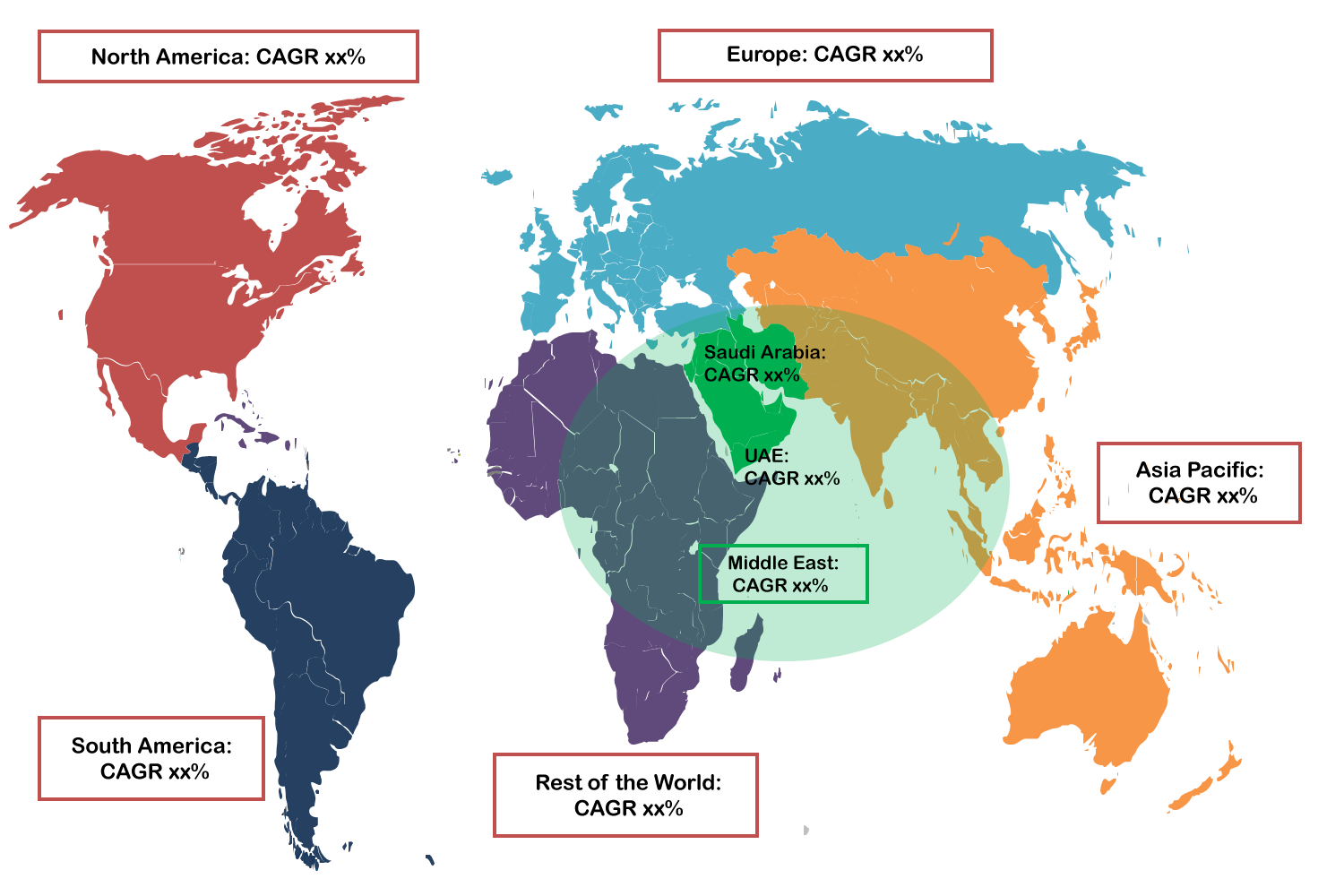
North America, Europe, Asia Pacific, South America, and Middle East & Africa |
|
Countries Covered |
US, Canada, Mexico, Germany, UK, Italy, France, Spain, Japan, China, India, Australia, New Zealand, South Korea, Rest of Asia Pacific, South America, Argentina, Brazil, Chile, Middle East & Africa, Saudi Arabia, UAE, Qatar, and South Africa |
|
Largest Market |
Asia Pacific |
|
Highest Growing Market |
Middle East & Africa |
According to Stratistics MRC, the Global Utility-Scale Solar Balance of System (BoS) Market is accounted for $18.15 billion in 2026 and is expected to reach $38.90 billion by 2034 growing at a CAGR of 10.0% during the forecast period. The Balance of System (BoS) in utility-scale solar power plants refers to every element except the photovoltaic panels that is required to build and run the project. This includes electrical equipment such as inverters and transformers, structural components like mounting systems and trackers, wiring, monitoring platforms, and all civil and installation works. In large solar farms, BoS accounts for a major portion of capital expenditure and plays a key role in plant efficiency, durability, and grid integration. Advancements in smart inverters, tracking systems, and automation are helping lower costs, accelerate construction, and maximize overall plant output.
According to the International Energy Agency, solar PV accounted for ~75% of global renewable capacity additions in 2023, with China contributing ~60% of global PV installations.
Market Dynamics:
Driver:
Rapid expansion of utility-scale solar installations
The accelerating development of utility-scale solar plants across global energy markets is strongly boosting the Balance of System (BoS) market. Many countries are prioritizing large solar projects to achieve decarbonization goals and diversify power generation. As solar parks increase in size and number, the requirement for non-module components—including power electronics, mounting structures, electrical wiring, substations, and control systems—rises substantially. In addition, large projects involve complex construction and grid-integration activities, further increasing BoS demand. This steady increase in utility-scale solar deployment directly translates into higher investment and sustained growth for the BoS market.
Restraint:
High initial capital and installation costs
The significant upfront investment required for Balance of System (BoS) components poses a major challenge to the utility-scale solar market. Non-module elements such as electrical equipment, tracking systems, foundations, and grid infrastructure represent a large share of project capital costs. Expenses related to construction, logistics, skilled labor, and site development further increase financial pressure. In highly competitive power markets, developers may struggle to absorb these costs while maintaining acceptable returns. This financial burden can slow project approvals, restrict adoption of advanced BoS technologies, and act as a barrier to rapid expansion of utility-scale solar installations.
Opportunity:
Advancements in digital monitoring and smart BoS solutions
The growing use of digital technologies in utility-scale solar plants opens new opportunities for the Balance of System (BoS) market. Smart monitoring systems using sensors, cloud platforms, and analytics enhance operational visibility and enable predictive maintenance. These solutions improve reliability, extend equipment life, and reduce operational expenses. Developers increasingly prioritize intelligent BoS components that support automation and remote control. As solar assets become more data-driven, demand rises for advanced digital BoS solutions, allowing suppliers to differentiate their offerings and generate recurring revenue through software and performance optimization services.
Threat:
Policy uncertainty and changes in government incentives
Unstable renewable energy policies represent a serious risk to the utility-scale solar Balance of System (BoS) market. Large solar projects rely on long-term policy support to remain financially viable. Unexpected changes in subsidies, tax credits, or procurement frameworks can disrupt project pipelines and reduce installation volumes. This uncertainty makes developers cautious and limits capital allocation. For BoS suppliers, fluctuating policy environments complicate capacity planning and investment decisions. As a result, inconsistent government support can significantly slow market expansion and weaken confidence across the utility-scale solar value chain.
Covid-19 Impact:
COVID-19 significantly influenced the utility-scale solar Balance of System (BoS) market by disrupting global supply chains and slowing project execution. Temporary shutdowns of factories and logistical bottlenecks caused delays in the delivery of critical BoS components, while workforce constraints reduced construction efficiency at project sites. Financial uncertainty and shifting government priorities also postponed new utility-scale solar investments. These factors collectively slowed market growth during the peak of the pandemic. Despite these challenges, the easing of restrictions and strong post-pandemic renewable energy commitments helped restore project activity, enabling the BoS market to recover progressively.
The mounting and tracking systems segment is expected to be the largest during the forecast period
The mounting and tracking systems segment is expected to account for the largest market share during the forecast period due to their critical structural and performance functions. These systems physically support solar panels and, in many cases, actively track the sun to enhance power generation throughout the day. Large solar plants require significant quantities of mounting hardware, foundations, and mechanical assemblies spread across wide sites. The complexity of installation, material usage, and their direct influence on plant efficiency and durability make mounting and tracking systems a major contributor to overall BoS value in utility-scale solar developments.
The project developers / EPCs segment is expected to have the highest CAGR during the forecast period
Over the forecast period, the project developers / EPCs segment is predicted to witness the highest growth rate as these stakeholders drive end-to-end project delivery. Developers and EPC firms coordinate system design, component selection, construction, and grid connection, making them key adopters of advanced BoS technologies. Increasing project scale, tighter margins, and the need for optimized performance are pushing EPCs to adopt innovative mounting systems, smart inverters, and digital monitoring tools. Their expanding scope and influence across the solar value chain are accelerating demand growth, resulting in higher growth momentum for this segment.
Region with largest share:
During the forecast period, the Asia Pacific region is expected to hold the largest market share, supported by aggressive solar expansion and favorable policy frameworks. Large solar installations across the region generate strong demand for structural systems, power electronics, electrical components, and grid infrastructure. Cost advantages from local manufacturing, skilled engineering services, and well-established supply networks strengthen regional competitiveness. Rising power consumption, renewable energy targets, and increasing integration of advanced solar technologies continue to drive BoS requirements. These factors collectively position Asia-Pacific as the leading contributor to global utility-scale solar BoS market activity.
Region with highest CAGR:
Over the forecast period, the Middle East & Africa region is anticipated to exhibit the highest CAGR, supported by large-scale solar deployment and energy diversification strategies. Countries in the region are actively developing utility-scale solar plants to address rising electricity demand and reduce carbon intensity. These projects require extensive BoS infrastructure, including tracking systems, electrical components, and grid connection facilities. Favorable policy reforms, declining solar costs, and growing interest from international developers are accelerating project activity. As utility-scale solar adoption increases, demand for BoS solutions is expected to grow at a rapid pace across the region.
Key players in the market
Some of the key players in Utility-Scale Solar Balance of System (BoS) Market include Array Technologies Inc., Bentek Corp., First Solar Inc., Golden Concord Holdings Ltd., Prysmian Spa, Renesola Ltd., Nextracker, GameChange Solar, FTC Solar, DNV GL, Wood Group, Panduit, OMCO Solar, Sollega Terrace and Unirac.
Key Developments:
In November 2025, First Solar inaugurated its new fully vertically integrated manufacturing facility in Iberia Parish, Louisiana. The $1.1 billion facility spans approximately 2.4 million square feet and is about 11 times the size of the New Orleans Superdome. The Iberia Parish facility began production in July 2025, several months ahead of schedule. The accelerated timeline was driven by the passage of the One Big Beautiful Bill Act and the Trump administration’s trade policies, both of which catalyzed demand for American-made solar technology that is fully compliant with anticipated Foreign Entities of Concern (FEOC) guidance.
In October 2025, Nextracker (NXT) announced a strategic framework agreement to use Nextracker’s patented steel module frame technology for T1 Energy’s new 5-GW G1_Dallas solar manufacturing facility. The agreement is expected to accelerate the industry’s transition away from imported aluminum frames toward made-in-the-USA frames using locally manufactured specialty steel, and support demand in the U.S. for durable solar technology.
In August 2025, Array Technologies announced the successful completion of its acquisition of APA Solar ("APA"), a premier solar racking and structural solutions provider. This strategic acquisition strengthens ARRAY's position as a global leader in renewable energy infrastructure and expands its product portfolio to better serve the evolving needs of the solar industry and our customers.
Components Covered:
• Mounting & Tracking Systems
• Inverters
• Cabling & Wiring
• Switchgear, Transformers, and Protection Systems
• Monitoring & Control Systems
• Energy Storage Integration
• Grid Interconnection Infrastructure
• Civil & Site Works
• Other Components
End Users Covered:
• Utilities & Independent Power Producers (IPPs)
• Project Developers / EPCs
• Investors / Asset Managers
• Grid Operators / Transmission Authorities
Regions Covered:
• North America
o US
o Canada
o Mexico
• Europe
o Germany
o UK
o Italy
o France
o Spain
o Rest of Europe
• Asia Pacific
o Japan
o China
o India
o Australia
o New Zealand
o South Korea
o Rest of Asia Pacific
• South America
o Argentina
o Brazil
o Chile
o Rest of South America
• Middle East & Africa
o Saudi Arabia
o UAE
o Qatar
o South Africa
o Rest of Middle East & Africa
What our report offers:
- Market share assessments for the regional and country-level segments
- Strategic recommendations for the new entrants
- Covers Market data for the years 2023, 2024, 2025, 2026, 2027, 2028, 2030, 2032 and 2034
- Market Trends (Drivers, Constraints, Opportunities, Threats, Challenges, Investment Opportunities, and recommendations)
- Strategic recommendations in key business segments based on the market estimations
- Competitive landscaping mapping the key common trends
- Company profiling with detailed strategies, financials, and recent developments
- Supply chain trends mapping the latest technological advancements
Free Customization Offerings:
All the customers of this report will be entitled to receive one of the following free customization options:
• Company Profiling
o Comprehensive profiling of additional market players (up to 3)
o SWOT Analysis of key players (up to 3)
• Regional Segmentation
o Market estimations, Forecasts and CAGR of any prominent country as per the client's interest (Note: Depends on feasibility check)
• Competitive Benchmarking
o Benchmarking of key players based on product portfolio, geographical presence, and strategic alliances
Table of Contents
1 Executive Summary
2 Preface
2.1 Abstract
2.2 Stake Holders
2.3 Research Scope
2.4 Research Methodology
2.4.1 Data Mining
2.4.2 Data Analysis
2.4.3 Data Validation
2.4.4 Research Approach
2.5 Research Sources
2.5.1 Primary Research Sources
2.5.2 Secondary Research Sources
2.5.3 Assumptions
3 Market Trend Analysis
3.1 Introduction
3.2 Drivers
3.3 Restraints
3.4 Opportunities
3.5 Threats
3.6 End User Analysis
3.7 Emerging Markets
3.8 Impact of Covid-19
4 Porters Five Force Analysis
4.1 Bargaining power of suppliers
4.2 Bargaining power of buyers
4.3 Threat of substitutes
4.4 Threat of new entrants
4.5 Competitive rivalry
5 Global Utility-Scale Solar Balance of System (BoS) Market, By Component
5.1 Introduction
5.2 Mounting & Tracking Systems
5.3 Inverters
5.4 Cabling & Wiring
5.5 Switchgear, Transformers, and Protection Systems
5.6 Monitoring & Control Systems
5.7 Energy Storage Integration
5.8 Grid Interconnection Infrastructure
5.9 Civil & Site Works
5.10 Other Components
6 Global Utility-Scale Solar Balance of System (BoS) Market, By End User
6.1 Introduction
6.2 Utilities & Independent Power Producers (IPPs)
6.3 Project Developers / EPCs
6.4 Investors / Asset Managers
6.5 Grid Operators / Transmission Authorities
7 Global Utility-Scale Solar Balance of System (BoS) Market, By Geography
7.1 Introduction
7.2 North America
7.2.1 US
7.2.2 Canada
7.2.3 Mexico
7.3 Europe
7.3.1 Germany
7.3.2 UK
7.3.3 Italy
7.3.4 France
7.3.5 Spain
7.3.6 Rest of Europe
7.4 Asia Pacific
7.4.1 Japan
7.4.2 China
7.4.3 India
7.4.4 Australia
7.4.5 New Zealand
7.4.6 South Korea
7.4.7 Rest of Asia Pacific
7.5 South America
7.5.1 Argentina
7.5.2 Brazil
7.5.3 Chile
7.5.4 Rest of South America
7.6 Middle East & Africa
7.6.1 Saudi Arabia
7.6.2 UAE
7.6.3 Qatar
7.6.4 South Africa
7.6.5 Rest of Middle East & Africa
8 Key Developments
8.1 Agreements, Partnerships, Collaborations and Joint Ventures
8.2 Acquisitions & Mergers
8.3 New Product Launch
8.4 Expansions
8.5 Other Key Strategies
9 Company Profiling
9.1 Array Technologies Inc.
9.2 Bentek Corp.
9.3 First Solar Inc.
9.4 Golden Concord Holdings Ltd.
9.5 Prysmian Spa
9.6 Renesola Ltd.
9.7 Nextracker
9.8 GameChange Solar
9.9 FTC Solar
9.10 DNV GL
9.11 Wood Group
9.12 Panduit
9.13 OMCO Solar
9.14 Sollega Terrace
9.15 Unirac
List of Tables
1 Global Utility-Scale Solar Balance of System (BoS) Market Outlook, By Region (2023-2034) ($MN)
2 Global Utility-Scale Solar Balance of System (BoS) Market Outlook, By Component (2023-2034) ($MN)
3 Global Utility-Scale Solar Balance of System (BoS) Market Outlook, By Mounting & Tracking Systems (2023-2034) ($MN)
4 Global Utility-Scale Solar Balance of System (BoS) Market Outlook, By Inverters (2023-2034) ($MN)
5 Global Utility-Scale Solar Balance of System (BoS) Market Outlook, By Cabling & Wiring (2023-2034) ($MN)
6 Global Utility-Scale Solar Balance of System (BoS) Market Outlook, By Switchgear, Transformers, and Protection Systems (2023-2034) ($MN)
7 Global Utility-Scale Solar Balance of System (BoS) Market Outlook, By Monitoring & Control Systems (2023-2034) ($MN)
8 Global Utility-Scale Solar Balance of System (BoS) Market Outlook, By Energy Storage Integration (2023-2034) ($MN)
9 Global Utility-Scale Solar Balance of System (BoS) Market Outlook, By Grid Interconnection Infrastructure (2023-2034) ($MN)
10 Global Utility-Scale Solar Balance of System (BoS) Market Outlook, By Civil & Site Works (2023-2034) ($MN)
11 Global Utility-Scale Solar Balance of System (BoS) Market Outlook, By Other Components (2023-2034) ($MN)
12 Global Utility-Scale Solar Balance of System (BoS) Market Outlook, By End User (2023-2034) ($MN)
13 Global Utility-Scale Solar Balance of System (BoS) Market Outlook, By Utilities & Independent Power Producers (IPPs) (2023-2034) ($MN)
14 Global Utility-Scale Solar Balance of System (BoS) Market Outlook, By Project Developers / EPCs (2023-2034) ($MN)
15 Global Utility-Scale Solar Balance of System (BoS) Market Outlook, By Investors / Asset Managers (2023-2034) ($MN)
16 Global Utility-Scale Solar Balance of System (BoS) Market Outlook, By Grid Operators / Transmission Authorities (2023-2034) ($MN)
Note: Tables for North America, Europe, APAC, South America, and Middle East & Africa Regions are also represented in the same manner as above.
List of Figures
RESEARCH METHODOLOGY

We at ‘Stratistics’ opt for an extensive research approach which involves data mining, data validation, and data analysis. The various research sources include in-house repository, secondary research, competitor’s sources, social media research, client internal data, and primary research.
Our team of analysts prefers the most reliable and authenticated data sources in order to perform the comprehensive literature search. With access to most of the authenticated data bases our team highly considers the best mix of information through various sources to obtain extensive and accurate analysis.
Each report takes an average time of a month and a team of 4 industry analysts. The time may vary depending on the scope and data availability of the desired market report. The various parameters used in the market assessment are standardized in order to enhance the data accuracy.
Data Mining
The data is collected from several authenticated, reliable, paid and unpaid sources and is filtered depending on the scope & objective of the research. Our reports repository acts as an added advantage in this procedure. Data gathering from the raw material suppliers, distributors and the manufacturers is performed on a regular basis, this helps in the comprehensive understanding of the products value chain. Apart from the above mentioned sources the data is also collected from the industry consultants to ensure the objective of the study is in the right direction.
Market trends such as technological advancements, regulatory affairs, market dynamics (Drivers, Restraints, Opportunities and Challenges) are obtained from scientific journals, market related national & international associations and organizations.
Data Analysis
From the data that is collected depending on the scope & objective of the research the data is subjected for the analysis. The critical steps that we follow for the data analysis include:
- Product Lifecycle Analysis
- Competitor analysis
- Risk analysis
- Porters Analysis
- PESTEL Analysis
- SWOT Analysis
The data engineering is performed by the core industry experts considering both the Marketing Mix Modeling and the Demand Forecasting. The marketing mix modeling makes use of multiple-regression techniques to predict the optimal mix of marketing variables. Regression factor is based on a number of variables and how they relate to an outcome such as sales or profits.
Data Validation
The data validation is performed by the exhaustive primary research from the expert interviews. This includes telephonic interviews, focus groups, face to face interviews, and questionnaires to validate our research from all aspects. The industry experts we approach come from the leading firms, involved in the supply chain ranging from the suppliers, distributors to the manufacturers and consumers so as to ensure an unbiased analysis.
We are in touch with more than 15,000 industry experts with the right mix of consultants, CEO's, presidents, vice presidents, managers, experts from both supply side and demand side, executives and so on.
The data validation involves the primary research from the industry experts belonging to:
- Leading Companies
- Suppliers & Distributors
- Manufacturers
- Consumers
- Industry/Strategic Consultants
Apart from the data validation the primary research also helps in performing the fill gap research, i.e. providing solutions for the unmet needs of the research which helps in enhancing the reports quality.
For more details about research methodology, kindly write to us at info@strategymrc.com
Frequently Asked Questions
In case of any queries regarding this report, you can contact the customer service by filing the “Inquiry Before Buy” form available on the right hand side. You may also contact us through email: info@strategymrc.com or phone: +1-301-202-5929
Yes, the samples are available for all the published reports. You can request them by filling the “Request Sample” option available in this page.
Yes, you can request a sample with your specific requirements. All the customized samples will be provided as per the requirement with the real data masked.
All our reports are available in Digital PDF format. In case if you require them in any other formats, such as PPT, Excel etc you can submit a request through “Inquiry Before Buy” form available on the right hand side. You may also contact us through email: info@strategymrc.com or phone: +1-301-202-5929
We offer a free 15% customization with every purchase. This requirement can be fulfilled for both pre and post sale. You may send your customization requirements through email at info@strategymrc.com or call us on +1-301-202-5929.
We have 3 different licensing options available in electronic format.
- Single User Licence: Allows one person, typically the buyer, to have access to the ordered product. The ordered product cannot be distributed to anyone else.
- 2-5 User Licence: Allows the ordered product to be shared among a maximum of 5 people within your organisation.
- Corporate License: Allows the product to be shared among all employees of your organisation regardless of their geographical location.
All our reports are typically be emailed to you as an attachment.
To order any available report you need to register on our website. The payment can be made either through CCAvenue or PayPal payments gateways which accept all international cards.
We extend our support to 6 months post sale. A post sale customization is also provided to cover your unmet needs in the report.
Request Customization
We offer complimentary customization of up to 15% with every purchase. To share your customization requirements, feel free to email us at info@strategymrc.com or call us on +1-301-202-5929. .
Please Note: Customization within the 15% threshold is entirely free of charge. If your request exceeds this limit, we will conduct a feasibility assessment. Following that, a detailed quote and timeline will be provided.
WHY CHOOSE US ?

Assured Quality
Best in class reports with high standard of research integrity

24X7 Research Support
Continuous support to ensure the best customer experience.

Free Customization
Adding more values to your product of interest.

Safe & Secure Access
Providing a secured environment for all online transactions.

Trusted by 600+ Brands
Serving the most reputed brands across the world.
