
Airport Baggage Handling System Market
Airport Baggage Handling System Market Forecasts to 2034 - Global Analysis By Solution Type (Conveyors, Destination Coded Vehicles (DCVs), Sortation Systems, Screening and Security Systems, Software and Controls, and Services), Airport Class (Class A, Class B, Class C, and Class D), Check-in Type, Technology, Application, and By Geography

|
Years Covered |
2023-2034 |
|
Estimated Year Value (2026) |
US $11.8 BN |
|
Projected Year Value (2032) |
US $22.2 BN |
|
CAGR (2026-2032) |
8.2% |
|
Regions Covered |
North America, Europe, Asia Pacific, South America, and Middle East & Africa |
|
Countries Covered |
US, Canada, Mexico, Germany, UK, Italy, France, Spain, Japan, China, India, Australia, New Zealand, South Korea, Rest of Asia Pacific, South America, Argentina, Brazil, Chile, Middle East & Africa, Saudi Arabia, UAE, Qatar, and South Africa |
|
Largest Market |
Asia Pacific |
|
Highest Growing Market |
Asia Pacific |
According to Stratistics MRC, the Global Airport Baggage Handling System Market is accounted for $11.8 billion in 2026 and is expected to reach $22.2 billion by 2034 growing at a CAGR of 8.2% during the forecast period. The airport baggage handling system covers automated conveyors, sorters, scanners, tracking software, and screening technologies used to transport and manage passenger luggage within airports. It supports new airport construction and terminal modernization projects. Growth is driven by rising global air passenger traffic, airport capacity expansion, demand for faster baggage processing, stricter security regulations, adoption of smart airport technologies, and focus on reducing mishandling rates and improving passenger satisfaction.
According to the International Air Transport Association (IATA), airlines handled approximately 4.6 billion passenger bags in 2023.
Market Dynamics:
Driver:
Rising passenger traffic straining existing baggage infrastructure
The resurgence in global air travel has placed unprecedented pressure on legacy baggage infrastructures, which are frequently unable to handle the sheer volume of checked luggage during peak periods. As annual passenger numbers approach pre-pandemic highs and are projected to double over the next two decades, airports are experiencing significant bottlenecks at check-in and reclaim points. This surge necessitates a transition toward high-throughput, automated systems to prevent delays and reduce mishandling rates.
Restraint:
Extremely high capital and installation costs
Beyond the initial procurement of sophisticated hardware like high-speed sorters and Destination Coded Vehicles (DCVs), the costs associated with facility modification, software integration, and long-term specialized maintenance are substantial. Small-to-medium-sized airports often find these multi-million dollar investments unviable due to their limited capital reserves. This financial burden, coupled with the long ROI cycles typical of aviation infrastructure, significantly slows the pace of modernization across less-congested or regional hubs globally.
Opportunity:
Integration of AI and analytics for predictive maintenance and optimized routing
By leveraging machine learning algorithms, airports can transition from reactive to predictive maintenance, identifying potential mechanical failures before they cause system-wide disruptions. AI-driven routing optimization also lets the system move luggage around on conveyors in real time based on traffic, which cuts down on energy use and travel times. These digital advancements not only minimize the incidence of lost or delayed bags but also significantly lower long-term operational costs through improved resource allocation.
Threat:
Cybersecurity risks to increasingly connected and automated BHS
The transition toward cloud-based management and remote monitoring exposes critical infrastructure to ransomware attacks, data breaches, and potential system sabotage by malicious actors. A successful breach could paralyze airport operations, leading to massive financial losses and compromised passenger safety. Ensuring robust cybersecurity protocols, such as zero-trust architectures and encrypted data transmission, is now essential, as the industry faces the challenge of protecting complex, interlinked legacy and modern digital frameworks.
Covid-19 Impact:
The COVID-19 pandemic caused a severe contraction in the baggage handling market as global flight bans and plummeting passenger demand led to deferred infrastructure projects. Major airport expansions were paused to preserve liquidity, resulting in a temporary halt in new system installations. However, the crisis also accelerated the shift toward touchless technologies and automated self-service bag drops to minimize human contact. As the industry recovers in 2026, the focus has shifted from simple capacity expansion to building resilient, hygiene-centric, and highly efficient automated systems.
The conveyors segment is expected to be the largest during the forecast period
The conveyors segment is expected to account for the largest market share during the forecast period due to its fundamental role as the primary backbone of airport baggage logistics. Nearly every airport, regardless of size or modernization level, relies on extensive conveyor networks to transport luggage between check-in, screening, and loading zones. Their established reliability, lower cost relative to specialized vehicles, and the constant need for replacement or retrofitting of belts and rollers ensure a steady revenue stream. As global infrastructure expands, the continuous demand for these essential mechanical systems maintains their market dominance.
The screening and security segment is expected to have the highest CAGR during the forecast period
Over the forecast period, the screening and security segment is predicted to witness the highest growth rate as airports worldwide align with increasingly stringent international safety regulations. The mandate to integrate advanced Explosive Detection Systems (EDS) and Computed Tomography (CT) scanners into baggage lines is driving massive technology upgrades. These high-value systems are essential for detecting modern threats without compromising baggage throughput. As security standards evolve to combat sophisticated risks, the investment in cutting-edge, AI-enhanced screening hardware is outpacing the growth of traditional mechanical transport segments within the industry.
Region with largest share:
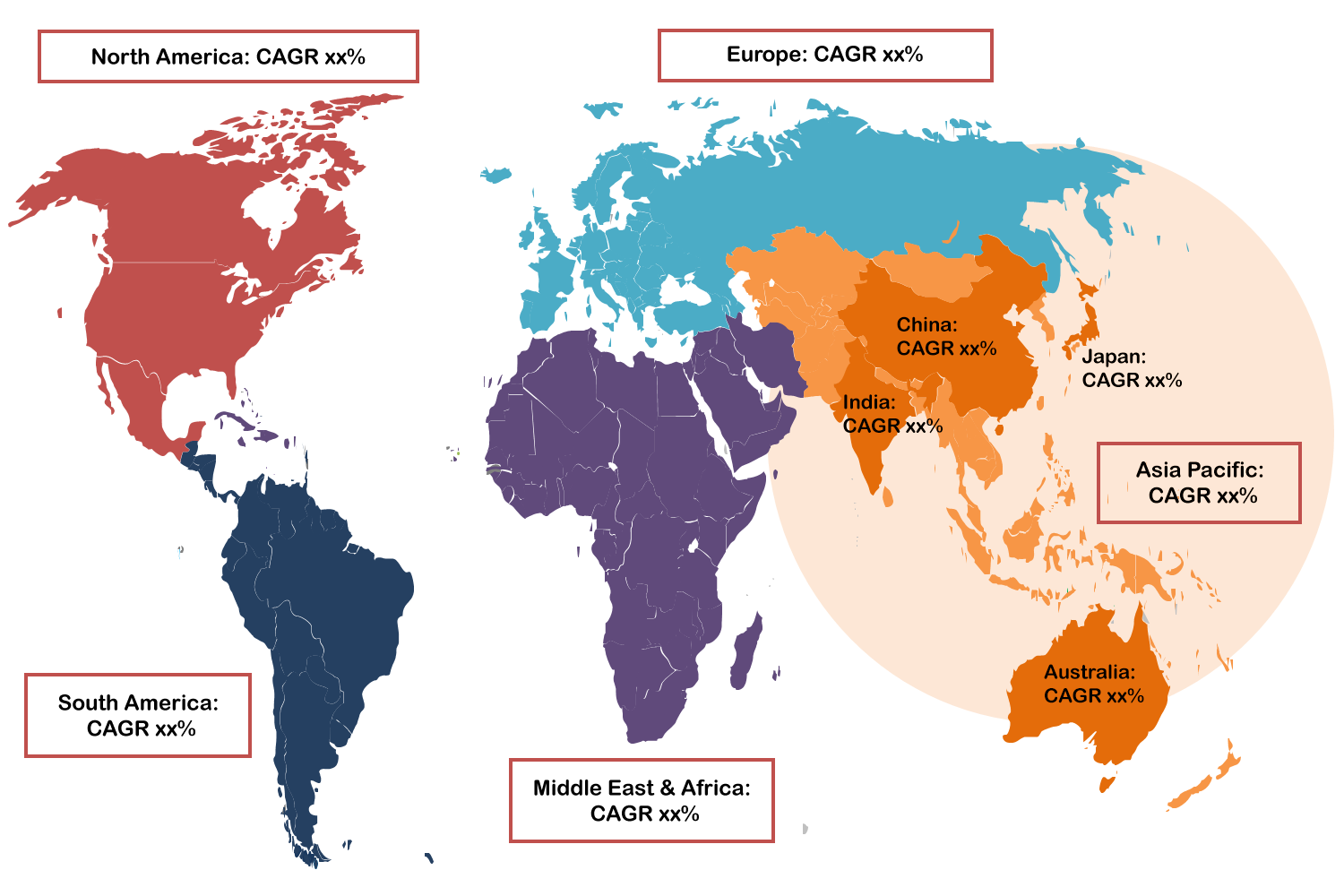
During the forecast period, the Asia Pacific region is expected to hold the largest market share, driven by the massive scale of greenfield airport developments and the expansion of existing megahubs. Countries like China and India are leading global aviation growth, investing billions in new terminal infrastructure to accommodate their burgeoning middle-class populations. The sheer volume of new projects in this region necessitates the procurement of comprehensive, large-scale baggage handling systems. This sustained high-value infrastructure investment ensures that Asia Pacific remains the dominant revenue contributor to the global baggage handling market.
Region with highest CAGR:
During the forecast period, the Asia Pacific region is anticipated to exhibit the highest CAGR, fueled by rapid urbanization and a robust post-pandemic recovery in domestic and international air travel. Governments across the region are aggressively promoting smart airport initiatives, incorporating the latest in automation and RFID tracking to improve operational efficiency. The transition from manual to automated processes in emerging economies provides a significant growth trajectory compared to the more mature, replacement-driven markets of North America and Europe. This dynamic development landscape positions Asia Pacific as the fastest-evolving market for advanced baggage handling technologies.
Key players in the market
Some of the key players in Airport Baggage Handling System Market include Vanderlande Industries B.V., Siemens AG, Daifuku Co., Ltd., BEUMER Group GmbH & Co. KG, Leonardo S.p.A., Alstef Group, Fives SA, CIMC Tianda Holdings Co., Ltd., SITA, Amadeus IT Group, S.A., Glidepath Limited, G&S Airport Conveyor, Grenzebach Maschinenbau GmbH, Pteris Global Limited, Babcock International Group plc.
Key Developments:
In December 2025, Siemens Logistics deployed its next-gen baggage handling software at Munich Airport, improving real-time tracking.
In October 2025, BEUMER Group announced a contract to modernize baggage systems at Dubai International Airport, integrating AI-based fault detection.
In July 2025, Daifuku Co. Ltd. expanded its baggage automation solutions in Tokyo Haneda Airport, enhancing throughput capacity.
Solution Types Covered:
• Conveyors
• Destination Coded Vehicles (DCVs)
• Sortation Systems
• Screening and Security Systems
• Software and Controls
• Services
Airport Classes Covered:
• Class A
• Class B
• Class C
• Class D
Check-in Types Covered:
• Traditional Check-in Counter Systems
• Assisted Service Bag Drop
• Self-Service Bag Drop (SSBD)
Technologies Covered:
• Traditional BHS (Barcode-based)
• RFID (Radio-Frequency Identification) BHS
• Emerging Technologies
Applications Covered:
• Check-in, Conveyance, and Sorting
• Screening and Security
• Loading and Unloading
• Reclaim
Regions Covered:
• North America
o US
o Canada
o Mexico
• Europe
o Germany
o UK
o Italy
o France
o Spain
o Rest of Europe
• Asia Pacific
o Japan
o China
o India
o Australia
o New Zealand
o South Korea
o Rest of Asia Pacific
• South America
o Argentina
o Brazil
o Chile
o Rest of South America
• Middle East & Africa
o Saudi Arabia
o UAE
o Qatar
o South Africa
o Rest of Middle East & Africa
What our report offers:
- Market share assessments for the regional and country-level segments
- Strategic recommendations for the new entrants
- Covers Market data for the years 2024, 2025, 2026, 2028, and 2032
- Market Trends (Drivers, Constraints, Opportunities, Threats, Challenges, Investment Opportunities, and recommendations)
- Strategic recommendations in key business segments based on the market estimations
- Competitive landscaping mapping the key common trends
- Company profiling with detailed strategies, financials, and recent developments
- Supply chain trends mapping the latest technological advancements
Free Customization Offerings:
All the customers of this report will be entitled to receive one of the following free customization options:
• Company Profiling
o Comprehensive profiling of additional market players (up to 3)
o SWOT Analysis of key players (up to 3)
• Regional Segmentation
o Market estimations, Forecasts and CAGR of any prominent country as per the client's interest (Note: Depends on feasibility check)
• Competitive Benchmarking
o Benchmarking of key players based on product portfolio, geographical presence, and strategic alliances
Table of Contents
1 Executive Summary
2 Preface
2.1 Abstract
2.2 Stake Holders
2.3 Research Scope
2.4 Research Methodology
2.4.1 Data Mining
2.4.2 Data Analysis
2.4.3 Data Validation
2.4.4 Research Approach
2.5 Research Sources
2.5.1 Primary Research Sources
2.5.2 Secondary Research Sources
2.5.3 Assumptions
3 Market Trend Analysis
3.1 Introduction
3.2 Drivers
3.3 Restraints
3.4 Opportunities
3.5 Threats
3.6 Technology Analysis
3.7 Application Analysis
3.8 Emerging Markets
3.9 Impact of Covid-19
4 Porters Five Force Analysis
4.1 Bargaining power of suppliers
4.2 Bargaining power of buyers
4.3 Threat of substitutes
4.4 Threat of new entrants
4.5 Competitive rivalry
5 Global Airport Baggage Handling System Market, By Solution Type
5.1 Introduction
5.2 Conveyors
5.3 Destination Coded Vehicles (DCVs)
5.4 Sortation Systems
5.5 Screening and Security Systems
5.6 Software and Controls
5.7 Services
5.7.1 Installation & Integration
5.7.2 Maintenance & Support
5.7.3 Modernization & Upgrades
6 Global Airport Baggage Handling System Market, By Airport Class
6.1 Introduction
6.2 Class A
6.3 Class B
6.4 Class C
6.5 Class D
7 Global Airport Baggage Handling System Market, By Check-in Type
7.1 Introduction
7.2 Traditional Check-in Counter Systems
7.3 Assisted Service Bag Drop
7.4 Self-Service Bag Drop (SSBD)
8 Global Airport Baggage Handling System Market, By Technology
8.1 Introduction
8.2 Traditional BHS (Barcode-based)
8.3 RFID (Radio-Frequency Identification) BHS
8.4 Emerging Technologies
9 Global Airport Baggage Handling System Market, By Application
9.1 Introduction
9.2 Check-in, Conveyance, and Sorting
9.3 Screening and Security
9.4 Loading and Unloading
9.5 Reclaim
10 Global Airport Baggage Handling System Market, By Geography
10.1 Introduction
10.2 North America
10.2.1 US
10.2.2 Canada
10.2.3 Mexico
10.3 Europe
10.3.1 Germany
10.3.2 UK
10.3.3 Italy
10.3.4 France
10.3.5 Spain
10.3.6 Rest of Europe
10.4 Asia Pacific
10.4.1 Japan
10.4.2 China
10.4.3 India
10.4.4 Australia
10.4.5 New Zealand
10.4.6 South Korea
10.4.7 Rest of Asia Pacific
10.5 South America
10.5.1 Argentina
10.5.2 Brazil
10.5.3 Chile
10.5.4 Rest of South America
10.6 Middle East & Africa
10.6.1 Saudi Arabia
10.6.2 UAE
10.6.3 Qatar
10.6.4 South Africa
10.6.5 Rest of Middle East & Africa
11 Key Developments
11.1 Agreements, Partnerships, Collaborations and Joint Ventures
11.2 Acquisitions & Mergers
11.3 New Product Launch
11.4 Expansions
11.5 Other Key Strategies
12 Company Profiling
12.1 Vanderlande Industries B.V.
12.2 Siemens AG
12.3 Daifuku Co., Ltd.
12.4 BEUMER Group GmbH & Co. KG
12.5 Leonardo S.p.A.
12.6 Alstef Group
12.7 Fives SA
12.8 CIMC Tianda Holdings Co., Ltd.
12.9 SITA
12.10 Amadeus IT Group, S.A.
12.11 Glidepath Limited
12.12 G&S Airport Conveyor
12.13 Grenzebach Maschinenbau GmbH
12.14 Pteris Global Limited
12.15 Babcock International Group plc
List of Tables
1 Global Airport Baggage Handling System Market Outlook, By Region (2023–2034) ($MN)
2 Global Airport Baggage Handling System Market Outlook, By Solution Type (2023–2034) ($MN)
3 Global Airport Baggage Handling System Market Outlook, By Conveyors (2023–2034) ($MN)
4 Global Airport Baggage Handling System Market Outlook, By Destination Coded Vehicles (DCVs) (2023–2034) ($MN)
5 Global Airport Baggage Handling System Market Outlook, By Sortation Systems (2023–2034) ($MN)
6 Global Airport Baggage Handling System Market Outlook, By Screening & Security Systems (2023–2034) ($MN)
7 Global Airport Baggage Handling System Market Outlook, By Software & Controls (2023–2034) ($MN)
8 Global Airport Baggage Handling System Market Outlook, By Services (2023–2034) ($MN)
9 Global Airport Baggage Handling System Market Outlook, By Installation & Integration (2023–2034) ($MN)
10 Global Airport Baggage Handling System Market Outlook, By Maintenance & Support (2023–2034) ($MN)
11 Global Airport Baggage Handling System Market Outlook, By Modernization & Upgrades (2023–2034) ($MN)
12 Global Airport Baggage Handling System Market Outlook, By Airport Class (2023–2034) ($MN)
13 Global Airport Baggage Handling System Market Outlook, By Class A (2023–2034) ($MN)
14 Global Airport Baggage Handling System Market Outlook, By Class B (2023–2034) ($MN)
15 Global Airport Baggage Handling System Market Outlook, By Class C (2023–2034) ($MN)
16 Global Airport Baggage Handling System Market Outlook, By Class D (2023–2034) ($MN)
17 Global Airport Baggage Handling System Market Outlook, By Check-in Type (2023–2034) ($MN)
18 Global Airport Baggage Handling System Market Outlook, By Traditional Check-in Counter Systems (2023–2034) ($MN)
19 Global Airport Baggage Handling System Market Outlook, By Assisted Service Bag Drop (2023–2034) ($MN)
20 Global Airport Baggage Handling System Market Outlook, By Self-Service Bag Drop (SSBD) (2023–2034) ($MN)
21 Global Airport Baggage Handling System Market Outlook, By Technology (2023–2034) ($MN)
22 Global Airport Baggage Handling System Market Outlook, By Traditional Barcode-Based BHS (2023–2034) ($MN)
23 Global Airport Baggage Handling System Market Outlook, By RFID-Based BHS (2023–2034) ($MN)
24 Global Airport Baggage Handling System Market Outlook, By Emerging Technologies (2023–2034) ($MN)
25 Global Airport Baggage Handling System Market Outlook, By Application (2023–2034) ($MN)
26 Global Airport Baggage Handling System Market Outlook, By Check-in, Conveyance & Sorting (2023–2034) ($MN)
27 Global Airport Baggage Handling System Market Outlook, By Screening & Security (2023–2034) ($MN)
28 Global Airport Baggage Handling System Market Outlook, By Loading & Unloading (2023–2034) ($MN)
29 Global Airport Baggage Handling System Market Outlook, By Reclaim (2023–2034) ($MN)
Note: Tables for North America, Europe, APAC, South America, and Middle East & Africa Regions are also represented in the same manner as above.
List of Figures
RESEARCH METHODOLOGY

We at ‘Stratistics’ opt for an extensive research approach which involves data mining, data validation, and data analysis. The various research sources include in-house repository, secondary research, competitor’s sources, social media research, client internal data, and primary research.
Our team of analysts prefers the most reliable and authenticated data sources in order to perform the comprehensive literature search. With access to most of the authenticated data bases our team highly considers the best mix of information through various sources to obtain extensive and accurate analysis.
Each report takes an average time of a month and a team of 4 industry analysts. The time may vary depending on the scope and data availability of the desired market report. The various parameters used in the market assessment are standardized in order to enhance the data accuracy.
Data Mining
The data is collected from several authenticated, reliable, paid and unpaid sources and is filtered depending on the scope & objective of the research. Our reports repository acts as an added advantage in this procedure. Data gathering from the raw material suppliers, distributors and the manufacturers is performed on a regular basis, this helps in the comprehensive understanding of the products value chain. Apart from the above mentioned sources the data is also collected from the industry consultants to ensure the objective of the study is in the right direction.
Market trends such as technological advancements, regulatory affairs, market dynamics (Drivers, Restraints, Opportunities and Challenges) are obtained from scientific journals, market related national & international associations and organizations.
Data Analysis
From the data that is collected depending on the scope & objective of the research the data is subjected for the analysis. The critical steps that we follow for the data analysis include:
- Product Lifecycle Analysis
- Competitor analysis
- Risk analysis
- Porters Analysis
- PESTEL Analysis
- SWOT Analysis
The data engineering is performed by the core industry experts considering both the Marketing Mix Modeling and the Demand Forecasting. The marketing mix modeling makes use of multiple-regression techniques to predict the optimal mix of marketing variables. Regression factor is based on a number of variables and how they relate to an outcome such as sales or profits.
Data Validation
The data validation is performed by the exhaustive primary research from the expert interviews. This includes telephonic interviews, focus groups, face to face interviews, and questionnaires to validate our research from all aspects. The industry experts we approach come from the leading firms, involved in the supply chain ranging from the suppliers, distributors to the manufacturers and consumers so as to ensure an unbiased analysis.
We are in touch with more than 15,000 industry experts with the right mix of consultants, CEO's, presidents, vice presidents, managers, experts from both supply side and demand side, executives and so on.
The data validation involves the primary research from the industry experts belonging to:
- Leading Companies
- Suppliers & Distributors
- Manufacturers
- Consumers
- Industry/Strategic Consultants
Apart from the data validation the primary research also helps in performing the fill gap research, i.e. providing solutions for the unmet needs of the research which helps in enhancing the reports quality.
For more details about research methodology, kindly write to us at info@strategymrc.com
Frequently Asked Questions
In case of any queries regarding this report, you can contact the customer service by filing the “Inquiry Before Buy” form available on the right hand side. You may also contact us through email: info@strategymrc.com or phone: +1-301-202-5929
Yes, the samples are available for all the published reports. You can request them by filling the “Request Sample” option available in this page.
Yes, you can request a sample with your specific requirements. All the customized samples will be provided as per the requirement with the real data masked.
All our reports are available in Digital PDF format. In case if you require them in any other formats, such as PPT, Excel etc you can submit a request through “Inquiry Before Buy” form available on the right hand side. You may also contact us through email: info@strategymrc.com or phone: +1-301-202-5929
We offer a free 15% customization with every purchase. This requirement can be fulfilled for both pre and post sale. You may send your customization requirements through email at info@strategymrc.com or call us on +1-301-202-5929.
We have 3 different licensing options available in electronic format.
- Single User Licence: Allows one person, typically the buyer, to have access to the ordered product. The ordered product cannot be distributed to anyone else.
- 2-5 User Licence: Allows the ordered product to be shared among a maximum of 5 people within your organisation.
- Corporate License: Allows the product to be shared among all employees of your organisation regardless of their geographical location.
All our reports are typically be emailed to you as an attachment.
To order any available report you need to register on our website. The payment can be made either through CCAvenue or PayPal payments gateways which accept all international cards.
We extend our support to 6 months post sale. A post sale customization is also provided to cover your unmet needs in the report.
Request Customization
We offer complimentary customization of up to 15% with every purchase. To share your customization requirements, feel free to email us at info@strategymrc.com or call us on +1-301-202-5929. .
Please Note: Customization within the 15% threshold is entirely free of charge. If your request exceeds this limit, we will conduct a feasibility assessment. Following that, a detailed quote and timeline will be provided.
WHY CHOOSE US ?

Assured Quality
Best in class reports with high standard of research integrity

24X7 Research Support
Continuous support to ensure the best customer experience.

Free Customization
Adding more values to your product of interest.

Safe & Secure Access
Providing a secured environment for all online transactions.

Trusted by 600+ Brands
Serving the most reputed brands across the world.
