
Automotive Pressure Sensors Market
Automotive Pressure Sensors Market Forecasts to 2032 - Global Analysis By Vehicle Type (Passenger Cars, Commercial Vehicles and Alternative Fuel Vehicle Type), Transduction Type (Piezoresistive, Capacitive, Resonant, Optical and Other Transduction Types), Technology, Application and By Geography

|
Years Covered |
2024-2032 |
|
Estimated Year Value (2025) |
US $14.81 BN |
|
Projected Year Value (2032) |
US $30.79 BN |
|
CAGR (2025 - 2032) |
11.03% |
|
Regions Covered |
North America, Europe, Asia Pacific, South America, and Middle East & Africa |
|
Countries Covered |
US, Canada, Mexico, Germany, UK, Italy, France, Spain, Japan, China, India, Australia, New Zealand, South Korea, Rest of Asia Pacific, South America, Argentina, Brazil, Chile, Middle East & Africa, Saudi Arabia, UAE, Qatar, and South Africa |
|
Largest Market |
Asia Pacific |
|
Highest Growing Market |
North America |
According to Stratistics MRC, the Global Automotive Pressure Sensors Market is accounted for $14.81 billion in 2025 and is expected to reach $30.79 billion by 2032 growing at a CAGR of 11.03% during the forecast period. Automotive pressure sensors are essential components of contemporary automobiles because they track and communicate critical information regarding the different pressure levels in the tires, fuel system, and engine. By identifying variations in pressure and notifying the vehicle's electronic control unit (ECU) to make the required adjustments, these sensors guarantee optimum performance, safety, and efficiency. Manifold absolute pressure (MAP), fuel rail pressure, and oil pressure monitoring are typical uses. Moreover, the need for accurate and dependable pressure sensing is increasing due to the popularity of electric and hybrid cars, which is spurring advancements in sensor durability, miniaturization, and integration with advanced driver assistance systems (ADAS).
According to the U.S. Department of Energy states that under-inflated tires can lower gas mileage by about 0.2% for every 1 PSI drop in tire pressure. This aligns with the general estimate that a 10% drop in tire pressure can reduce fuel economy by approximately 1%. Proper tire inflation is crucial for optimizing fuel efficiency, and TPMS plays a key role in monitoring tire pressure to prevent unnecessary fuel loss.

Market Dynamics:
Driver:
Transition to hybrid vehicles and electrification
The adoption of hybrid and electric vehicles is being propelled by the increased emphasis on carbon emission reduction and the shift to sustainable mobility solutions on a global scale. Automotive pressure sensors are essential components of electric and hybrid vehicles (HEVs) because they monitor and control pressure in a number of subsystems, including the HVAC, fuel cell, battery cooling, and brake systems. Additionally, the need for these sensors is anticipated to increase dramatically as more nations enact laws eliminating internal combustion engine (ICE) vehicles and encouraging zero-emission vehicles.
Restraint:
Expensive advanced sensor technologies
The relatively high cost of automotive pressure sensors, particularly in developing markets, is one of the major obstacles preventing their widespread adoption. Advanced versions, like those that use MEMS technology or provide wireless connectivity or are made for EV-specific applications, can be costly to develop and produce, even though basic pressure sensors are reasonably priced. The requirement for durable packaging to endure high temperatures, vibrations, and corrosive fluids in automotive environments drives up the costs even more. These extra costs can serve as a deterrent for entry-level car models and cost-sensitive markets, driving OEMs to look for less expensive or sophisticated substitutes, which slows sensor adoption.
Opportunity:
Innovation in material science and sensor technology
Next-generation pressure sensors that are more compact, robust, and energy-efficient are becoming possible owing to ongoing developments in materials, sensor architectures, and manufacturing processes like additive manufacturing, flexible electronics, and nanotechnology. Multifunctional sensors that can lower component counts and increase system reliability are made possible by innovations such as graphene-based materials, piezoresistive and capacitive sensing elements, and sensor fusion with temperature/humidity detection. Manufacturers' addressable market is increased by these technological advancements, which enable them to produce sensors appropriate for specialized applications like high-performance sports cars, hydrogen fuel cell vehicles, and ultra-compact urban mobility solutions.
Threat:
Supply chain volatility for raw materials and components
The market for automotive pressure sensors is largely dependent on materials such as silicon, metals, semiconductors, and specialty polymers, many of which are vulnerable to supply chain disruptions on a global scale. Natural disasters, trade restrictions, pandemics, and geopolitical tensions are some of the factors that can disrupt the continuous flow of raw materials or critical components. Schedules for manufacturing, cost inflation, profit margin reduction, and automakers' trust in sourcing from impacted suppliers can all are negatively impacted by such unpredictability. Because just-in-time production models are prevalent in globalized markets, this threat is especially serious.
Covid-19 Impact:
Due to widespread disruptions in global supply chains, factory shutdowns, and a sharp drop in vehicle production and sales in 2020, the COVID-19 pandemic had a significant short-term impact on the automotive pressure sensors market. The demand for pressure sensors crashed as a result of auto factories running at reduced capacity or temporarily ceasing operations, which had an impact on supply chain revenues. The pandemic did, however, also hasten long-term trends like digital transformation, vehicle electrification, and the use of smart sensors for remote diagnostics and predictive maintenance, laying the groundwork for a robust post-pandemic recovery and innovation-driven expansion in the industry.
The piezoresistive segment is expected to be the largest during the forecast period
The piezoresistive segment is expected to account for the largest market share during the forecast period. Since piezoresistive pressure sensors are robust, highly accurate, and dependable in harsh environments like high temperatures, vibrations, and pressure fluctuations—all of which are typical in automotive settings—they are widely used. Electric vehicles (EVs) and internal combustion engines (ICEs) both depend on these sensors because they are widely utilized in vital systems like airbag deployment, brake systems, fuel injection, and engine control. Additionally, supporting their dominance in global automotive applications are their sophisticated technology, affordability, and simplicity of integration with electronic control units (ECUs).
The micro-electro mechanical systems (MEMS) segment is expected to have the highest CAGR during the forecast period
Over the forecast period, the micro-electro mechanical systems (MEMS) segment is predicted to witness the highest growth rate. MEMS-based pressure sensors are perfect for modern cars that need multiple sensor integrations for automation and real-time monitoring because they are small, energy-efficient, and extremely dependable. They can be integrated into electric vehicle (EV) battery management systems, tire pressure monitoring systems (TPMS), and advanced driver-assistance systems (ADAS) owing to their small size. Fast growth is being driven by MEMS sensors' scalability and cost-effectiveness as automakers embrace smart and connected technologies more and more.
Region with largest share:
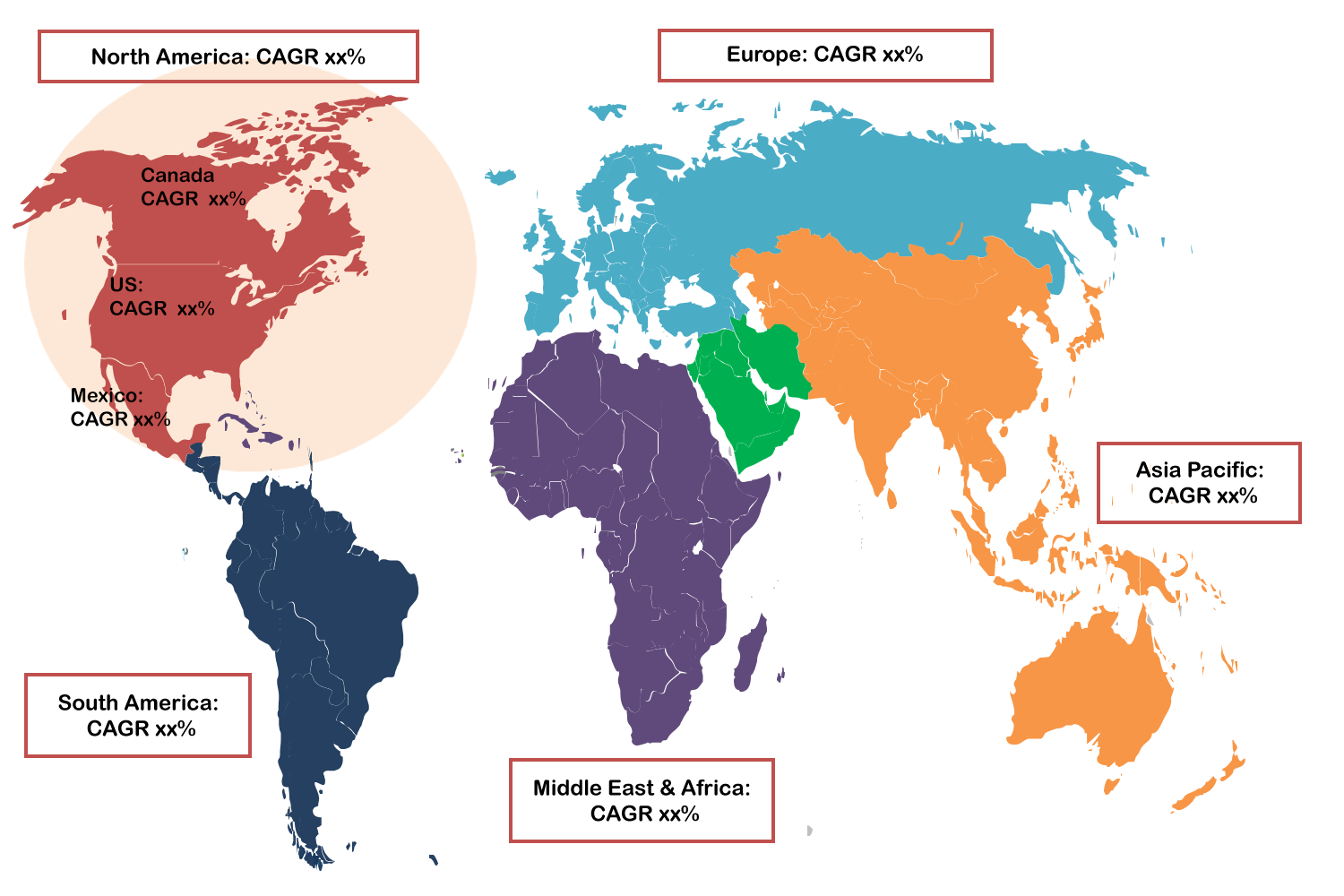
During the forecast period, the Asia Pacific region is expected to hold the largest market share, fueled by the existence of important centers for the production of automobiles, including China, Japan, South Korea, and India. Rapid urbanization, high vehicle production volumes, and rising passenger and commercial vehicle demand all benefit the area. Sensor deployment is also being aided by government policies that support emission control, vehicle safety, and the use of electric vehicles (EVs). Furthermore, mass integration of pressure sensors is supported by the region's robust component supplier base and technological developments in automotive electronics. Asia-Pacific dominates this market due to its cost-effective manufacturing and rising domestic consumption.
Region with highest CAGR:
Over the forecast period, the North America region is anticipated to exhibit the highest CAGR because of the quick development of automotive technology, the growing popularity of electric and driverless cars, and the strict regulations governing emissions and vehicle safety. Strong R&D investments and early adoption of state-of-the-art sensor solutions are encouraged by the presence of top automakers and sensor technology innovators in the United States and Canada. Additionally, consumers' increasing preference for high-performance cars with sophisticated monitoring systems and their growing demand for connected and smart cars are speeding up the integration of pressure sensors across applications, which are propelling the region's market expansion.
Key players in the market
Some of the key players in Automotive Pressure Sensors Market include Denso Corporation, Honeywell International Inc., Infineon Technologies AG, Continental AG, Allegro Microsystems, LLC, NXP Semiconductors, CTS Corporation, Robert Bosch GmbH, Analog Devices Inc., Sensata Technologies Inc., TE Connectivity, BorgWarner Inc., STMicroelectronics NV, Texas Instruments Incorporated and Elmos Semiconductor Inc.
Key Developments:
In April 2025, Infineon Technologies AG is accelerating the build-up of its system capabilities for software-defined vehicles with the acquisition of Marvell Technology’s Automotive Ethernet business, complementing and expanding its own market-leading microcontroller business. Infineon and Marvell Technology, Inc. have entered into a definitive transaction agreement for a purchase price of US$2.5 billion in cash.
In December 2024, Honeywell announced the signing of a strategic agreement with Bombardier, a global leader in aviation and manufacturer of world-class business jets, to provide advanced technology for current and future Bombardier aircraft in avionics, propulsion and satellite communications technologies. The collaboration will advance new technology to enable a host of high-value upgrades for the installed Bombardier operator base, as well as lay innovative foundations for future aircraft. Honeywell estimates the value of this partnership to the company at $17 billion over its life.
In September 2024, Denso Corporation and ROHM Co., Ltd. hereby announce that the two companies have agreed to start consideration of strategic partnership in the semiconductor field. As the development and spread of electric vehicles accelerate toward the realization of carbon neutrality, the demand for electronic components and semiconductors required for electrification of vehicles is rapidly increasing.
Vehicle Types Covered:
• Passenger Cars
• Commercial Vehicles
• Alternative Fuel Vehicle Type
Transduction Types Covered:
• Piezoresistive
• Capacitive
• Resonant
• Optical
• Other Transduction Types
Technologies Covered:
• Micro-Electro Mechanical System (MEMs)
• Strain Gauge
• Ceramic
Applications Covered:
• Antilock Braking System (ABS)
• Airbag System
• Direct Tire Pressure Monitoring System
• Engine Control System
• HVAC System
• Power Steering
• Transmission System
• Automatic Transmission (AT)
• Automatic Manual Transmission (AMT)
• Continuously Variable Transmission (CVT)
• Dual-Clutch Transmission (DCT)
Regions Covered:
• North America
o US
o Canada
o Mexico
• Europe
o Germany
o UK
o Italy
o France
o Spain
o Rest of Europe
• Asia Pacific
o Japan
o China
o India
o Australia
o New Zealand
o South Korea
o Rest of Asia Pacific
• South America
o Argentina
o Brazil
o Chile
o Rest of South America
• Middle East & Africa
o Saudi Arabia
o UAE
o Qatar
o South Africa
o Rest of Middle East & Africa
What our report offers:
- Market share assessments for the regional and country-level segments
- Strategic recommendations for the new entrants
- Covers Market data for the years 2024, 2025, 2026, 2028, and 2032
- Market Trends (Drivers, Constraints, Opportunities, Threats, Challenges, Investment Opportunities, and recommendations)
- Strategic recommendations in key business segments based on the market estimations
- Competitive landscaping mapping the key common trends
- Company profiling with detailed strategies, financials, and recent developments
- Supply chain trends mapping the latest technological advancements
Free Customization Offerings:
All the customers of this report will be entitled to receive one of the following free customization options:
• Company Profiling
o Comprehensive profiling of additional market players (up to 3)
o SWOT Analysis of key players (up to 3)
• Regional Segmentation
o Market estimations, Forecasts and CAGR of any prominent country as per the client's interest (Note: Depends on feasibility check)
• Competitive Benchmarking
o Benchmarking of key players based on product portfolio, geographical presence, and strategic alliances
Table of Contents
1 Executive Summary
2 Preface
2.1 Abstract
2.2 Stake Holders
2.3 Research Scope
2.4 Research Methodology
2.4.1 Data Mining
2.4.2 Data Analysis
2.4.3 Data Validation
2.4.4 Research Approach
2.5 Research Sources
2.5.1 Primary Research Sources
2.5.2 Secondary Research Sources
2.5.3 Assumptions
3 Market Trend Analysis
3.1 Introduction
3.2 Drivers
3.3 Restraints
3.4 Opportunities
3.5 Threats
3.6 Technology Analysis
3.7 Application Analysis
3.8 Emerging Markets
3.9 Impact of Covid-19
4 Porters Five Force Analysis
4.1 Bargaining power of suppliers
4.2 Bargaining power of buyers
4.3 Threat of substitutes
4.4 Threat of new entrants
4.5 Competitive rivalry
5 Global Automotive Pressure Sensors Market, By Vehicle Type
5.1 Introduction
5.2 Passenger Cars
5.3 Commercial Vehicles
5.3.1 Light Commercial Vehicles (LCVs)
5.3.2 Medium and Heavy Commercial Vehicles (HCVs)
5.4 Alternative Fuel Vehicle Type
5.4.1 Battery Electric Vehicle (BEV)
5.4.2 Fuel Cell Electric Vehicle (FCEV)
5.4.3 Hybrid Electric Vehicle (HEV)
5.4.4 Plug-In Hybrid Electric Vehicle (PHEV)
6 Global Automotive Pressure Sensors Market, By Transduction Type
6.1 Introduction
6.2 Piezoresistive
6.3 Capacitive
6.4 Resonant
6.5 Optical
6.6 Other Transduction Types
7 Global Automotive Pressure Sensors Market, By Technology
7.1 Introduction
7.2 Micro-Electro Mechanical System (MEMs)
7.3 Strain Gauge
7.4 Ceramic
8 Global Automotive Pressure Sensors Market, By Application
8.1 Introduction
8.2 Antilock Braking System (ABS)
8.3 Airbag System
8.4 Direct Tire Pressure Monitoring System
8.5 Engine Control System
8.5.1 Engine
8.5.2 Fuel Injection Pump
8.5.3 Exhaust
8.6 HVAC System
8.7 Power Steering
8.7.1 Hydraulic Power Steering
8.7.2 Electrohydraulic Power Steering (EHPS)
8.8 Transmission System
8.9 Automatic Transmission (AT)
8.10 Automatic Manual Transmission (AMT)
8.11 Continuously Variable Transmission (CVT)
8.12 Dual-Clutch Transmission (DCT)
9 Global Automotive Pressure Sensors Market, By Geography
9.1 Introduction
9.2 North America
9.2.1 US
9.2.2 Canada
9.2.3 Mexico
9.3 Europe
9.3.1 Germany
9.3.2 UK
9.3.3 Italy
9.3.4 France
9.3.5 Spain
9.3.6 Rest of Europe
9.4 Asia Pacific
9.4.1 Japan
9.4.2 China
9.4.3 India
9.4.4 Australia
9.4.5 New Zealand
9.4.6 South Korea
9.4.7 Rest of Asia Pacific
9.5 South America
9.5.1 Argentina
9.5.2 Brazil
9.5.3 Chile
9.5.4 Rest of South America
9.6 Middle East & Africa
9.6.1 Saudi Arabia
9.6.2 UAE
9.6.3 Qatar
9.6.4 South Africa
9.6.5 Rest of Middle East & Africa
10 Key Developments
10.1 Agreements, Partnerships, Collaborations and Joint Ventures
10.2 Acquisitions & Mergers
10.3 New Product Launch
10.4 Expansions
10.5 Other Key Strategies
11 Company Profiling
11.1 Denso Corporation
11.2 Honeywell International Inc.
11.3 Infineon Technologies AG
11.4 Continental AG
11.5 Allegro Microsystems, LLC
11.6 NXP Semiconductors
11.7 CTS Corporation
11.8 Robert Bosch GmbH
11.9 Analog Devices Inc.
11.10 Sensata Technologies Inc.
11.11 TE Connectivity
11.12 BorgWarner Inc.
11.13 STMicroelectronics NV
11.14 Texas Instruments Incorporated
11.15 Elmos Semiconductor Inc
List of Tables
1 Global Automotive Pressure Sensors Market Outlook, By Region (2024-2032) ($MN)
2 Global Automotive Pressure Sensors Market Outlook, By Vehicle Type (2024-2032) ($MN)
3 Global Automotive Pressure Sensors Market Outlook, By Passenger Cars (2024-2032) ($MN)
4 Global Automotive Pressure Sensors Market Outlook, By Commercial Vehicles (2024-2032) ($MN)
5 Global Automotive Pressure Sensors Market Outlook, By Light Commercial Vehicles (LCVs) (2024-2032) ($MN)
6 Global Automotive Pressure Sensors Market Outlook, By Medium and Heavy Commercial Vehicles (HCVs) (2024-2032) ($MN)
7 Global Automotive Pressure Sensors Market Outlook, By Alternative Fuel Vehicle Type (2024-2032) ($MN)
8 Global Automotive Pressure Sensors Market Outlook, By Battery Electric Vehicle (BEV) (2024-2032) ($MN)
9 Global Automotive Pressure Sensors Market Outlook, By Fuel Cell Electric Vehicle (FCEV) (2024-2032) ($MN)
10 Global Automotive Pressure Sensors Market Outlook, By Hybrid Electric Vehicle (HEV) (2024-2032) ($MN)
11 Global Automotive Pressure Sensors Market Outlook, By Plug-In Hybrid Electric Vehicle (PHEV) (2024-2032) ($MN)
12 Global Automotive Pressure Sensors Market Outlook, By Transduction Type (2024-2032) ($MN)
13 Global Automotive Pressure Sensors Market Outlook, By Piezoresistive (2024-2032) ($MN)
14 Global Automotive Pressure Sensors Market Outlook, By Capacitive (2024-2032) ($MN)
15 Global Automotive Pressure Sensors Market Outlook, By Resonant (2024-2032) ($MN)
16 Global Automotive Pressure Sensors Market Outlook, By Optical (2024-2032) ($MN)
17 Global Automotive Pressure Sensors Market Outlook, By Other Transduction Types (2024-2032) ($MN)
18 Global Automotive Pressure Sensors Market Outlook, By Technology (2024-2032) ($MN)
19 Global Automotive Pressure Sensors Market Outlook, By Micro-Electro Mechanical System (MEMs) (2024-2032) ($MN)
20 Global Automotive Pressure Sensors Market Outlook, By Strain Gauge (2024-2032) ($MN)
21 Global Automotive Pressure Sensors Market Outlook, By Ceramic (2024-2032) ($MN)
22 Global Automotive Pressure Sensors Market Outlook, By Application (2024-2032) ($MN)
23 Global Automotive Pressure Sensors Market Outlook, By Antilock Braking System (ABS) (2024-2032) ($MN)
24 Global Automotive Pressure Sensors Market Outlook, By Airbag System (2024-2032) ($MN)
25 Global Automotive Pressure Sensors Market Outlook, By Direct Tire Pressure Monitoring System (2024-2032) ($MN)
26 Global Automotive Pressure Sensors Market Outlook, By Engine Control System (2024-2032) ($MN)
27 Global Automotive Pressure Sensors Market Outlook, By Engine (2024-2032) ($MN)
28 Global Automotive Pressure Sensors Market Outlook, By Fuel Injection Pump (2024-2032) ($MN)
29 Global Automotive Pressure Sensors Market Outlook, By Exhaust (2024-2032) ($MN)
30 Global Automotive Pressure Sensors Market Outlook, By HVAC System (2024-2032) ($MN)
31 Global Automotive Pressure Sensors Market Outlook, By Power Steering (2024-2032) ($MN)
32 Global Automotive Pressure Sensors Market Outlook, By Hydraulic Power Steering (2024-2032) ($MN)
33 Global Automotive Pressure Sensors Market Outlook, By Electrohydraulic Power Steering (EHPS) (2024-2032) ($MN)
34 Global Automotive Pressure Sensors Market Outlook, By Transmission System (2024-2032) ($MN)
35 Global Automotive Pressure Sensors Market Outlook, By Automatic Transmission (AT) (2024-2032) ($MN)
36 Global Automotive Pressure Sensors Market Outlook, By Automatic Manual Transmission (AMT) (2024-2032) ($MN)
37 Global Automotive Pressure Sensors Market Outlook, By Continuously Variable Transmission (CVT) (2024-2032) ($MN)
38 Global Automotive Pressure Sensors Market Outlook, By Dual-Clutch Transmission (DCT) (2024-2032) ($MN)
Note: Tables for North America, Europe, APAC, South America, and Middle East & Africa Regions are also represented in the same manner as above.
List of Figures
RESEARCH METHODOLOGY

We at ‘Stratistics’ opt for an extensive research approach which involves data mining, data validation, and data analysis. The various research sources include in-house repository, secondary research, competitor’s sources, social media research, client internal data, and primary research.
Our team of analysts prefers the most reliable and authenticated data sources in order to perform the comprehensive literature search. With access to most of the authenticated data bases our team highly considers the best mix of information through various sources to obtain extensive and accurate analysis.
Each report takes an average time of a month and a team of 4 industry analysts. The time may vary depending on the scope and data availability of the desired market report. The various parameters used in the market assessment are standardized in order to enhance the data accuracy.
Data Mining
The data is collected from several authenticated, reliable, paid and unpaid sources and is filtered depending on the scope & objective of the research. Our reports repository acts as an added advantage in this procedure. Data gathering from the raw material suppliers, distributors and the manufacturers is performed on a regular basis, this helps in the comprehensive understanding of the products value chain. Apart from the above mentioned sources the data is also collected from the industry consultants to ensure the objective of the study is in the right direction.
Market trends such as technological advancements, regulatory affairs, market dynamics (Drivers, Restraints, Opportunities and Challenges) are obtained from scientific journals, market related national & international associations and organizations.
Data Analysis
From the data that is collected depending on the scope & objective of the research the data is subjected for the analysis. The critical steps that we follow for the data analysis include:
- Product Lifecycle Analysis
- Competitor analysis
- Risk analysis
- Porters Analysis
- PESTEL Analysis
- SWOT Analysis
The data engineering is performed by the core industry experts considering both the Marketing Mix Modeling and the Demand Forecasting. The marketing mix modeling makes use of multiple-regression techniques to predict the optimal mix of marketing variables. Regression factor is based on a number of variables and how they relate to an outcome such as sales or profits.
Data Validation
The data validation is performed by the exhaustive primary research from the expert interviews. This includes telephonic interviews, focus groups, face to face interviews, and questionnaires to validate our research from all aspects. The industry experts we approach come from the leading firms, involved in the supply chain ranging from the suppliers, distributors to the manufacturers and consumers so as to ensure an unbiased analysis.
We are in touch with more than 15,000 industry experts with the right mix of consultants, CEO's, presidents, vice presidents, managers, experts from both supply side and demand side, executives and so on.
The data validation involves the primary research from the industry experts belonging to:
- Leading Companies
- Suppliers & Distributors
- Manufacturers
- Consumers
- Industry/Strategic Consultants
Apart from the data validation the primary research also helps in performing the fill gap research, i.e. providing solutions for the unmet needs of the research which helps in enhancing the reports quality.
For more details about research methodology, kindly write to us at info@strategymrc.com
Frequently Asked Questions
In case of any queries regarding this report, you can contact the customer service by filing the “Inquiry Before Buy” form available on the right hand side. You may also contact us through email: info@strategymrc.com or phone: +1-301-202-5929
Yes, the samples are available for all the published reports. You can request them by filling the “Request Sample” option available in this page.
Yes, you can request a sample with your specific requirements. All the customized samples will be provided as per the requirement with the real data masked.
All our reports are available in Digital PDF format. In case if you require them in any other formats, such as PPT, Excel etc you can submit a request through “Inquiry Before Buy” form available on the right hand side. You may also contact us through email: info@strategymrc.com or phone: +1-301-202-5929
We offer a free 15% customization with every purchase. This requirement can be fulfilled for both pre and post sale. You may send your customization requirements through email at info@strategymrc.com or call us on +1-301-202-5929.
We have 3 different licensing options available in electronic format.
- Single User Licence: Allows one person, typically the buyer, to have access to the ordered product. The ordered product cannot be distributed to anyone else.
- 2-5 User Licence: Allows the ordered product to be shared among a maximum of 5 people within your organisation.
- Corporate License: Allows the product to be shared among all employees of your organisation regardless of their geographical location.
All our reports are typically be emailed to you as an attachment.
To order any available report you need to register on our website. The payment can be made either through CCAvenue or PayPal payments gateways which accept all international cards.
We extend our support to 6 months post sale. A post sale customization is also provided to cover your unmet needs in the report.
Request Customization
We offer complimentary customization of up to 15% with every purchase. To share your customization requirements, feel free to email us at info@strategymrc.com or call us on +1-301-202-5929. .
Please Note: Customization within the 15% threshold is entirely free of charge. If your request exceeds this limit, we will conduct a feasibility assessment. Following that, a detailed quote and timeline will be provided.
WHY CHOOSE US ?

Assured Quality
Best in class reports with high standard of research integrity

24X7 Research Support
Continuous support to ensure the best customer experience.

Free Customization
Adding more values to your product of interest.

Safe & Secure Access
Providing a secured environment for all online transactions.

Trusted by 600+ Brands
Serving the most reputed brands across the world.
