
Climate Tech Market
Climate Tech Market Forecasts to 2032 - Global Analysis By Component (Software, Hardware and Services), Enterprise Type (Large Enterprises, SMEs and Government/Public Sector), Technology, Application and By Geography

|
Years Covered |
2024-2032 |
|
Estimated Year Value (2025) |
US $29.64 BN |
|
Projected Year Value (2032) |
US $125.55 BN |
|
CAGR (2025 - 2032) |
22.9% |
|
Regions Covered |
North America, Europe, Asia Pacific, South America, and Middle East & Africa |
|
Countries Covered |
US, Canada, Mexico, Germany, UK, Italy, France, Spain, Japan, China, India, Australia, New Zealand, South Korea, Rest of Asia Pacific, South America, Argentina, Brazil, Chile, Middle East & Africa, Saudi Arabia, UAE, Qatar, and South Africa |
|
Largest Market |
North America |
|
Highest Growing Market |
Asia Pacific |
According to Stratistics MRC, the Global Climate Tech Market is accounted for $29.64 billion in 2025 and is expected to reach $125.55 billion by 2032 growing at a CAGR of 22.9% during the forecast period. A wide range of technologies created to lessen or prepare for the effects of climate change are collectively referred to as climate tech. This covers advancements in energy efficiency, climate-resilient infrastructure, sustainable agriculture, carbon capture and storage, and renewable energy. These innovations seek to advance a low-carbon economy, improve environmental sustainability, and lower greenhouse gas emissions. Moreover, climate technology is emerging as a key force behind environmental preservation and economic opportunity, drawing substantial investment and encouraging cross-sector cooperation as governments, corporations, and communities around the world pledge to achieve net-zero goals.
According to PwC's 2023 State of Climate Tech report, global venture capital and private equity investment in climate tech startups declined by 40.5% in 2023, reflecting broader economic uncertainties. Despite this downturn, investments have increasingly targeted technologies with higher emissions reduction potential, such as solar power, green hydrogen, and carbon capture, utilization, and storage (CCUS).
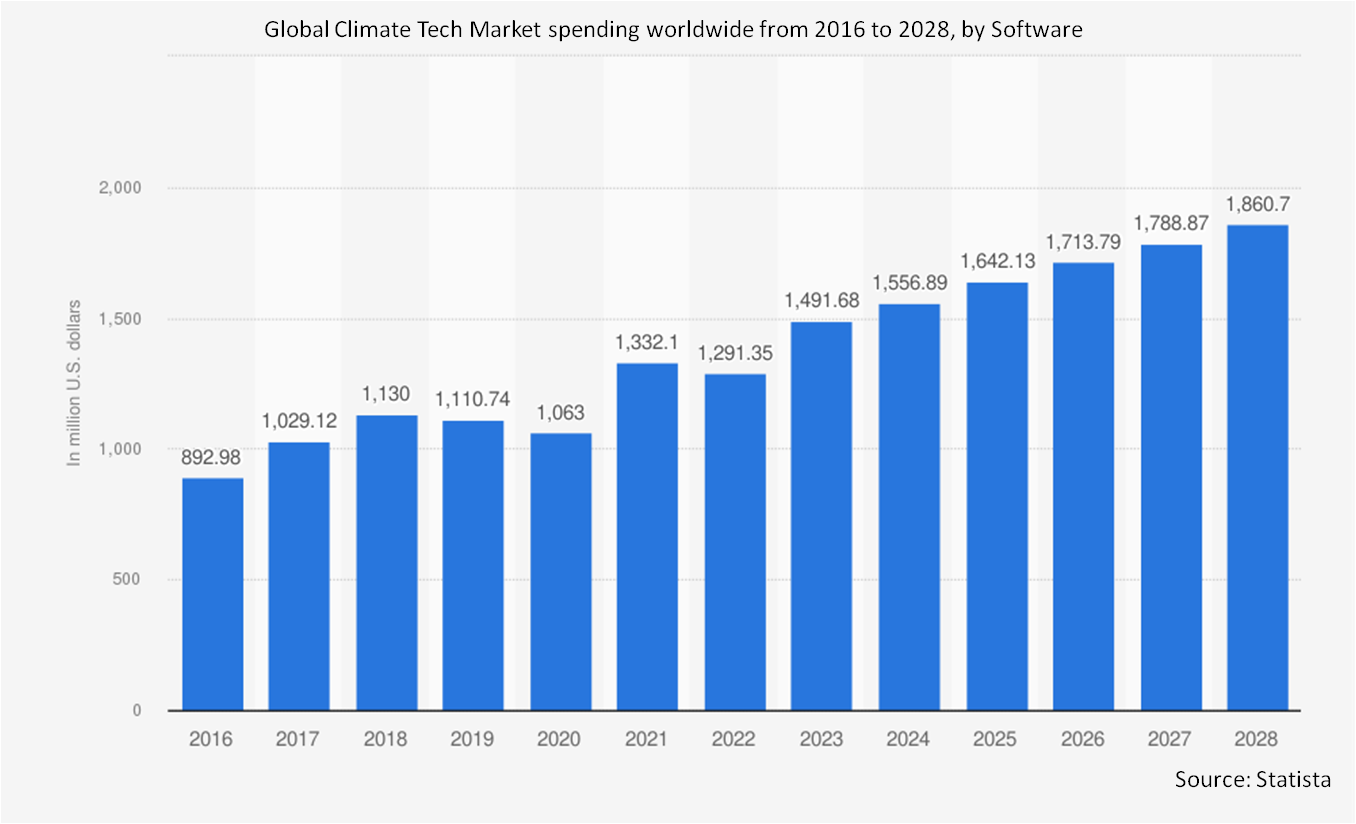
Market Dynamics:
Driver:
Growing public awareness and climate risks
Public demand for climate action has increased as a result of the increasing frequency and severity of climate-related disasters like heat waves, droughts, floods, and wildfires. Because of increased awareness of the negative effects of inaction brought about by media coverage, activist movements, and educational initiatives, governments and corporations are acting quickly. Additionally, the increasing demand for low-carbon goods and services from investors and consumers is driving industries to incorporate climate technology into their risk reduction and sustainability plans.
Restraint:
Exorbitant initial capital expenses
The initial deployment of many climate technologies often necessitates a significant investment, even though they offer long-term cost savings and efficiency gains. The infrastructure required for green hydrogen production, carbon capture and storage (CCS), and renewable energy can require specialized labor, expensive raw materials, and sophisticated engineering. Early funding is often difficult for startups and small-to-medium businesses (SMEs) in the climate tech sector, particularly in developing nations where financial systems may be less developed. Furthermore, these initial financial obstacles may restrict market penetration and slow adoption, especially in areas with lower incomes.
Opportunity:
Development of carbon offsetting platforms and markets
Voluntary and compliance Carbon markets are growing in popularity as carbon pricing mechanisms and cap-and-trade schemes become more prevalent. Technologies that can track, validate, and manage carbon credits stand to gain greatly from this. There is a strong demand for carbon footprint calculators, block chain-based offset registries, and digital MRV (monitoring, reporting, and verification) platforms. Moreover, scalable and transparent offset solutions will become crucial as businesses strive to reach net-zero goals, creating opportunities for data companies and climate tech startups.
Threat:
Trade disruptions and geopolitical tensions
International trade plays a major role in global climate tech supply chains, especially for vital minerals like lithium, cobalt, and rare earth elements used in solar panels, wind turbines, and batteries. These supply chains can be disrupted, production delayed, and material costs raised by increased geopolitical tensions, such as trade wars, sanctions, or territorial conflicts. Dependence on Russia for specific metals or China for rare earths, for instance, poses a strategic risk. Additionally, the scalability and cost-competitiveness of climate technology innovations are directly threatened by these geopolitical uncertainties.
Covid-19 Impact:
The COVID-19 pandemic had a mixed effect on the climate technology market. At first, it caused delays in projects, disruptions in global supply chains, and a decrease in investments in sustainability and clean energy projects as governments and corporations turned their attention to pressing economic and health issues. The pandemic did, however, also act as a wake-up call, emphasizing the interdependence of global systems and the necessity of resilience against systemic threats, such as climate change. After the pandemic, interest and innovation in climate tech were further boosted by behavioural changes like more remote work and less travel, which temporarily reduced emissions and promoted more extensive conversations about long-term sustainability.
The hardware segment is expected to be the largest during the forecast period
The hardware segment is expected to account for the largest market share during the forecast period, driven by the substantial financial outlay needed to implement energy storage systems, electric cars, climate-resilient technologies, and renewable energy infrastructure. The foundation of climate tech projects is hardware, which includes carbon capture devices, solar panels, wind turbines, electric vehicles, battery systems, and smart grid devices. Decarbonizing important industries, transportation, and energy requires these physical assets. Moreover, large-scale adoption of clean technologies is speeding up due to growing global commitments to net-zero emissions, particularly in areas that provide incentives and subsidies.
The artificial intelligence (AI) segment is expected to have the highest CAGR during the forecast period
Over the forecast period, the artificial intelligence (AI) segment is predicted to witness the highest growth rate because of its capacity to revolutionize a variety of climate-related applications. AI is being used more and more to forecast weather and climate patterns, improve climate risk modeling, optimize energy use, improve grid management, and speed up the discovery of materials for clean technologies. Its real-time analysis of large datasets enables more intelligent decision-making in industries like carbon accounting, transportation, agriculture, and renewable energy. Additionally, AI-driven solutions are gaining popularity among governments, startups, and large corporations alike as climate challenges grow more complicated and pressing, which is driving rapid adoption and investment.
Region with largest share:
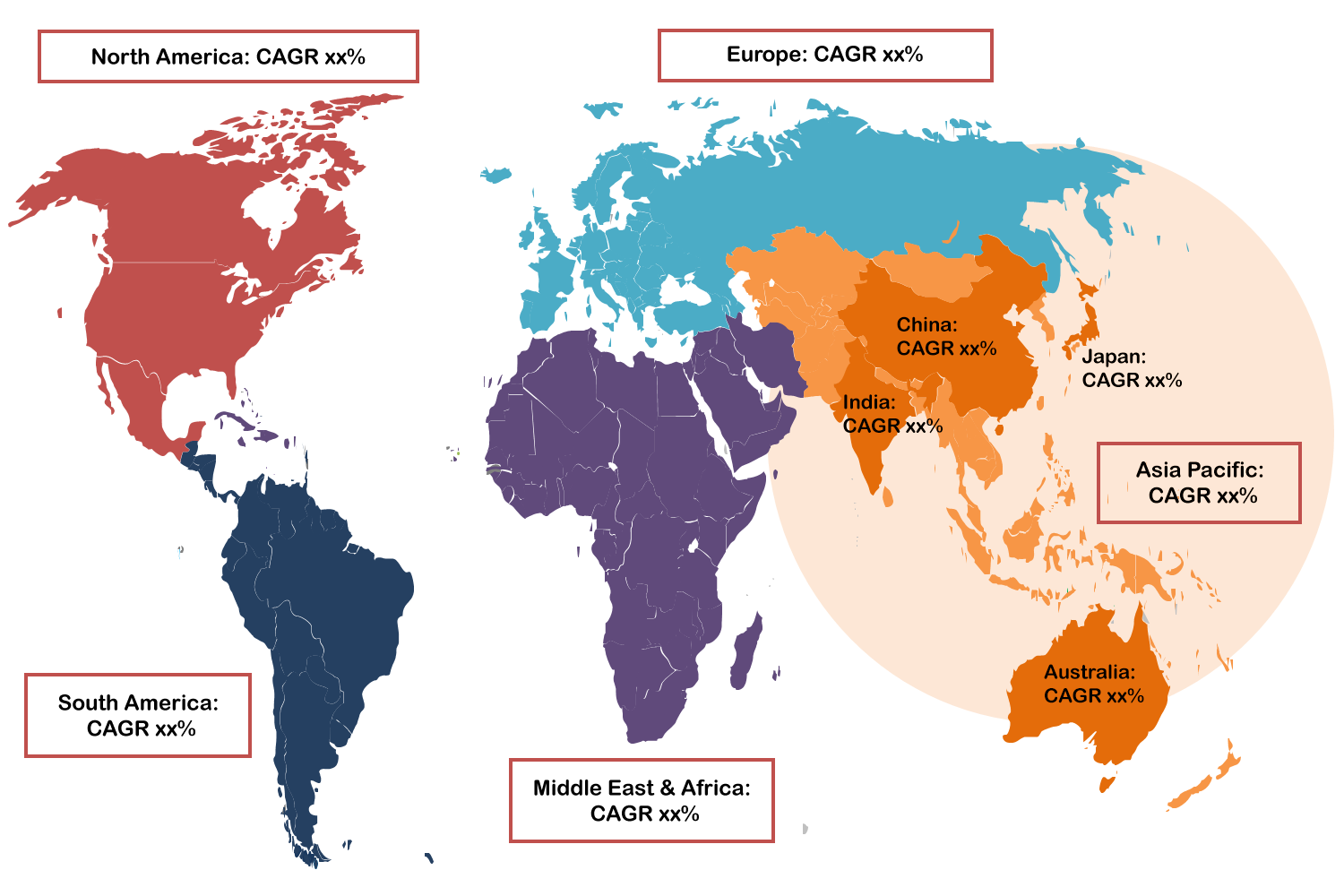
During the forecast period, the North America region is expected to hold the largest market share, propelled by large expenditures on sustainable infrastructure, decarbonization technologies, and renewable energy. With robust government support for clean energy initiatives, a flourishing climate tech startup ecosystem, and significant funding for innovation in industries like energy storage, smart grid technologies, and electric vehicles, the US is a major player. Furthermore, North America's leading position in the global climate tech scene has been cemented by its advanced technological landscape, early corporate adoption of sustainability practices, and access to venture capital.
Region with highest CAGR:
Over the forecast period, the Asia Pacific region is anticipated to exhibit the highest CAGR, fueled by rapid industrialization, urbanization, and a growing commitment to addressing climate change. Countries like China, India, and Japan are leading the charge, with large-scale investments in renewable energy projects, energy efficiency technologies, and electric vehicles. The region is also seeing a surge in government-backed green initiatives, such as China’s push for carbon neutrality by 2060 and India’s renewable energy expansion plans. Additionally, the growing demand for sustainable solutions in emerging economies, coupled with increasing awareness of climate risks, is driving substantial growth in climate tech adoption.
Key players in the market
Some of the key players in Climate Tech Market include Schneider Electric, Microsoft Corporation, IBM, Tesla, Inc., Google LLC (Alphabet, Inc.), BYD Company, Pachama, Inc., CropX Inc., General Electric (GE), First Solar, Inc., Intelex Technologies, Siemens AG, Ørsted Inc, Salesforce Inc and Johnson Controls.
Key Developments:
In April 2025, Schneider Electric has signed a new agreement with Egypt’s Ministry of Electricity and the Egyptian Electricity Holding Company to digitize the power control system of the Sharm El Sheikh distribution control center, Invest-Gate reports. The agreement is part of the project’s second phase, which also includes control centers in Minya, Upper Egypt, and South Delta.
In April 2025, IBM and Tokyo Electron announced an extension of their agreement for the joint research and development of advanced semiconductor technologies. The new 5-year agreement will focus on the continued advancement of technology for next-generation semiconductor nodes and architectures to power the age of generative AI.
In June 2024, Microsoft Corp. and Hitachi Ltd. announced projected multibillion-dollar collaboration over the next three years that will accelerate social innovation with generative AI. Through this strategic alliance, Hitachi will propel growth of the Lumada business, with a planned revenue of 2.65 trillion yen (18.9 billion USD)*1 in FY2024, and will promote operational efficiency and productivity improvements for Hitachi Group’s 270,000 employees.
Components Covered:
• Software
• Hardware
• Services
Enterprise Types Covered:
• Large Enterprises
• SMEs
• Government/Public Sector
Technologies Covered:
• Internet of Things (IoT)
• Renewable Energy Technologies
• Digital Twins
• Cloud Computing
• Artificial Intelligence (AI)
• Building Information Modeling
• Blockchain
• Other Technologies
Applications Covered:
• Carbon Footprint Management
• Green Building
• Water Purification
• Agriculture
• Energy and Utilities
• Transportation
• Waste Management
• Other Applications
Regions Covered:
• North America
o US
o Canada
o Mexico
• Europe
o Germany
o UK
o Italy
o France
o Spain
o Rest of Europe
• Asia Pacific
o Japan
o China
o India
o Australia
o New Zealand
o South Korea
o Rest of Asia Pacific
• South America
o Argentina
o Brazil
o Chile
o Rest of South America
• Middle East & Africa
o Saudi Arabia
o UAE
o Qatar
o South Africa
o Rest of Middle East & Africa
What our report offers:
- Market share assessments for the regional and country-level segments
- Strategic recommendations for the new entrants
- Covers Market data for the years 2024, 2025, 2026, 2028, and 2032
- Market Trends (Drivers, Constraints, Opportunities, Threats, Challenges, Investment Opportunities, and recommendations)
- Strategic recommendations in key business segments based on the market estimations
- Competitive landscaping mapping the key common trends
- Company profiling with detailed strategies, financials, and recent developments
- Supply chain trends mapping the latest technological advancements
Free Customization Offerings:
All the customers of this report will be entitled to receive one of the following free customization options:
• Company Profiling
o Comprehensive profiling of additional market players (up to 3)
o SWOT Analysis of key players (up to 3)
• Regional Segmentation
o Market estimations, Forecasts and CAGR of any prominent country as per the client's interest (Note: Depends on feasibility check)
• Competitive Benchmarking
o Benchmarking of key players based on product portfolio, geographical presence, and strategic alliances
Table of Contents
1 Executive Summary
2 Preface
2.1 Abstract
2.2 Stake Holders
2.3 Research Scope
2.4 Research Methodology
2.4.1 Data Mining
2.4.2 Data Analysis
2.4.3 Data Validation
2.4.4 Research Approach
2.5 Research Sources
2.5.1 Primary Research Sources
2.5.2 Secondary Research Sources
2.5.3 Assumptions
3 Market Trend Analysis
3.1 Introduction
3.2 Drivers
3.3 Restraints
3.4 Opportunities
3.5 Threats
3.6 Technology Analysis
3.7 Application Analysis
3.8 Emerging Markets
3.9 Impact of Covid-19
4 Porters Five Force Analysis
4.1 Bargaining power of suppliers
4.2 Bargaining power of buyers
4.3 Threat of substitutes
4.4 Threat of new entrants
4.5 Competitive rivalry
5 Global Climate Tech Market, By Component
5.1 Introduction
5.2 Software
5.3 Hardware
5.4 Services
6 Global Climate Tech Market, By Enterprise Type
6.1 Introduction
6.2 Large Enterprises
6.3 SMEs
6.4 Government/Public Sector
7 Global Climate Tech Market, By Technology
7.1 Introduction
7.2 Internet of Things (IoT)
7.3 Renewable Energy Technologies
7.4 Digital Twins
7.5 Cloud Computing
7.6 Artificial Intelligence (AI)
7.7 Building Information Modeling
7.8 Blockchain
7.9 Other Technologies
8 Global Climate Tech Market, By Application
8.1 Introduction
8.2 Carbon Footprint Management
8.3 Green Building
8.4 Water Purification
8.5 Agriculture
8.6 Energy and Utilities
8.7 Transportation
8.8 Waste Management
8.9 Other Applications
9 Global Climate Tech Market, By Geography
9.1 Introduction
9.2 North America
9.2.1 US
9.2.2 Canada
9.2.3 Mexico
9.3 Europe
9.3.1 Germany
9.3.2 UK
9.3.3 Italy
9.3.4 France
9.3.5 Spain
9.3.6 Rest of Europe
9.4 Asia Pacific
9.4.1 Japan
9.4.2 China
9.4.3 India
9.4.4 Australia
9.4.5 New Zealand
9.4.6 South Korea
9.4.7 Rest of Asia Pacific
9.5 South America
9.5.1 Argentina
9.5.2 Brazil
9.5.3 Chile
9.5.4 Rest of South America
9.6 Middle East & Africa
9.6.1 Saudi Arabia
9.6.2 UAE
9.6.3 Qatar
9.6.4 South Africa
9.6.5 Rest of Middle East & Africa
10 Key Developments
10.1 Agreements, Partnerships, Collaborations and Joint Ventures
10.2 Acquisitions & Mergers
10.3 New Product Launch
10.4 Expansions
10.5 Other Key Strategies
11 Company Profiling
11.1 Schneider Electric
11.2 Microsoft Corporation
11.3 IBM
11.4 Tesla, Inc.
11.5 Google LLC (Alphabet, Inc.)
11.6 BYD Company
11.7 Pachama, Inc.
11.8 CropX Inc.
11.9 General Electric (GE)
11.10 First Solar, Inc.
11.11 Intelex Technologies
11.12 Siemens AG
11.13 Ørsted Inc
11.14 Salesforce Inc
11.15 Johnson Controls
List of Tables
1 Global Climate Tech Market Outlook, By Region (2024-2032) ($MN)
2 Global Climate Tech Market Outlook, By Component (2024-2032) ($MN)
3 Global Climate Tech Market Outlook, By Software (2024-2032) ($MN)
4 Global Climate Tech Market Outlook, By Hardware (2024-2032) ($MN)
5 Global Climate Tech Market Outlook, By Services (2024-2032) ($MN)
6 Global Climate Tech Market Outlook, By Enterprise Type (2024-2032) ($MN)
7 Global Climate Tech Market Outlook, By Large Enterprises (2024-2032) ($MN)
8 Global Climate Tech Market Outlook, By SMEs (2024-2032) ($MN)
9 Global Climate Tech Market Outlook, By Government/Public Sector (2024-2032) ($MN)
10 Global Climate Tech Market Outlook, By Technology (2024-2032) ($MN)
11 Global Climate Tech Market Outlook, By Internet of Things (IoT) (2024-2032) ($MN)
12 Global Climate Tech Market Outlook, By Renewable Energy Technologies (2024-2032) ($MN)
13 Global Climate Tech Market Outlook, By Digital Twins (2024-2032) ($MN)
14 Global Climate Tech Market Outlook, By Cloud Computing (2024-2032) ($MN)
15 Global Climate Tech Market Outlook, By Artificial Intelligence (AI) (2024-2032) ($MN)
16 Global Climate Tech Market Outlook, By Building Information Modeling (2024-2032) ($MN)
17 Global Climate Tech Market Outlook, By Blockchain (2024-2032) ($MN)
18 Global Climate Tech Market Outlook, By Other Technologies (2024-2032) ($MN)
19 Global Climate Tech Market Outlook, By Application (2024-2032) ($MN)
20 Global Climate Tech Market Outlook, By Carbon Footprint Management (2024-2032) ($MN)
21 Global Climate Tech Market Outlook, By Green Building (2024-2032) ($MN)
22 Global Climate Tech Market Outlook, By Water Purification (2024-2032) ($MN)
23 Global Climate Tech Market Outlook, By Agriculture (2024-2032) ($MN)
24 Global Climate Tech Market Outlook, By Energy and Utilities (2024-2032) ($MN)
25 Global Climate Tech Market Outlook, By Transportation (2024-2032) ($MN)
26 Global Climate Tech Market Outlook, By Waste Management (2024-2032) ($MN)
27 Global Climate Tech Market Outlook, By Other Applications (2024-2032) ($MN)
Note: Tables for North America, Europe, APAC, South America, and Middle East & Africa Regions are also represented in the same manner as above.
List of Figures
RESEARCH METHODOLOGY
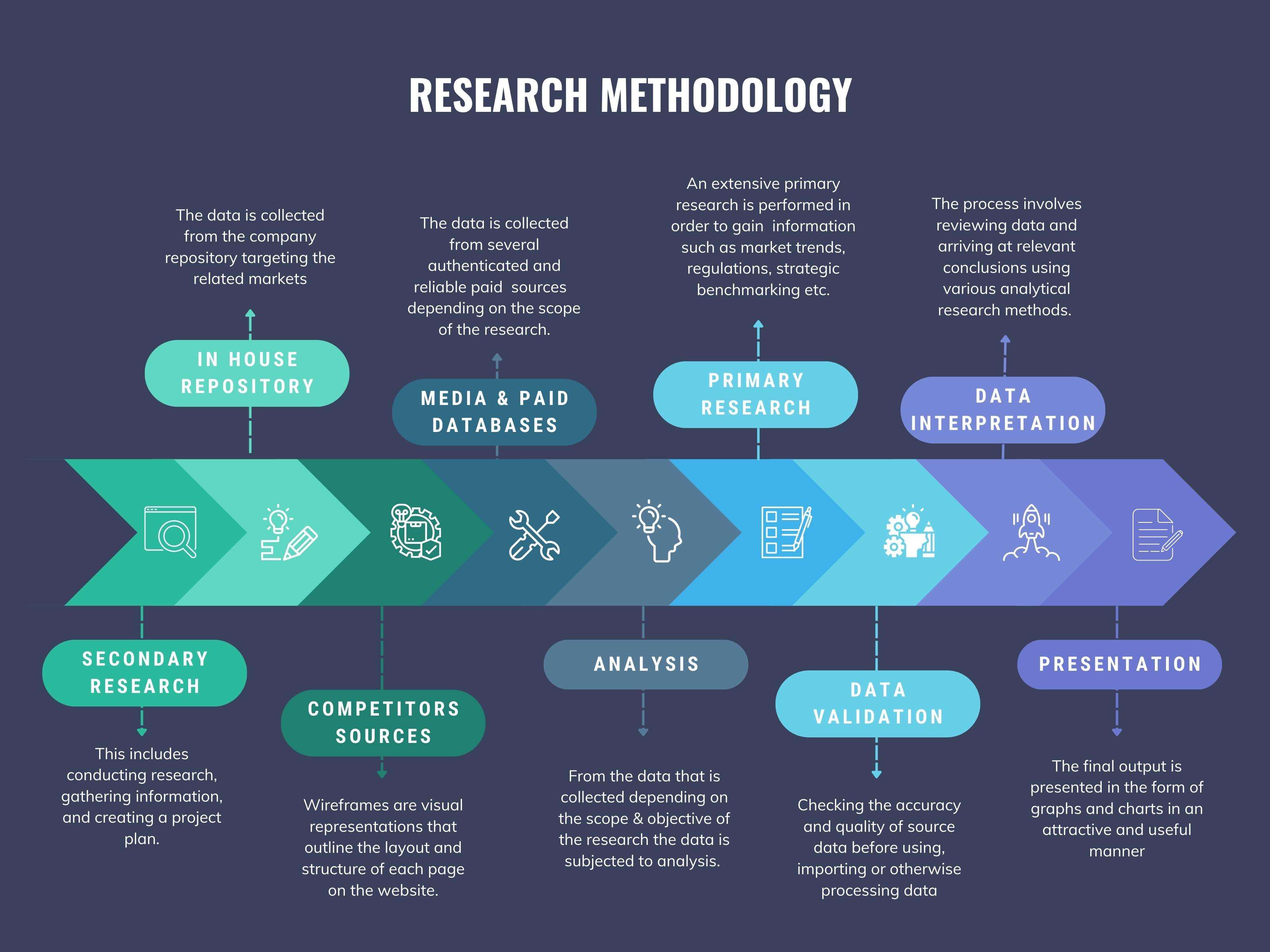
We at ‘Stratistics’ opt for an extensive research approach which involves data mining, data validation, and data analysis. The various research sources include in-house repository, secondary research, competitor’s sources, social media research, client internal data, and primary research.
Our team of analysts prefers the most reliable and authenticated data sources in order to perform the comprehensive literature search. With access to most of the authenticated data bases our team highly considers the best mix of information through various sources to obtain extensive and accurate analysis.
Each report takes an average time of a month and a team of 4 industry analysts. The time may vary depending on the scope and data availability of the desired market report. The various parameters used in the market assessment are standardized in order to enhance the data accuracy.
Data Mining
The data is collected from several authenticated, reliable, paid and unpaid sources and is filtered depending on the scope & objective of the research. Our reports repository acts as an added advantage in this procedure. Data gathering from the raw material suppliers, distributors and the manufacturers is performed on a regular basis, this helps in the comprehensive understanding of the products value chain. Apart from the above mentioned sources the data is also collected from the industry consultants to ensure the objective of the study is in the right direction.
Market trends such as technological advancements, regulatory affairs, market dynamics (Drivers, Restraints, Opportunities and Challenges) are obtained from scientific journals, market related national & international associations and organizations.
Data Analysis
From the data that is collected depending on the scope & objective of the research the data is subjected for the analysis. The critical steps that we follow for the data analysis include:
- Product Lifecycle Analysis
- Competitor analysis
- Risk analysis
- Porters Analysis
- PESTEL Analysis
- SWOT Analysis
The data engineering is performed by the core industry experts considering both the Marketing Mix Modeling and the Demand Forecasting. The marketing mix modeling makes use of multiple-regression techniques to predict the optimal mix of marketing variables. Regression factor is based on a number of variables and how they relate to an outcome such as sales or profits.
Data Validation
The data validation is performed by the exhaustive primary research from the expert interviews. This includes telephonic interviews, focus groups, face to face interviews, and questionnaires to validate our research from all aspects. The industry experts we approach come from the leading firms, involved in the supply chain ranging from the suppliers, distributors to the manufacturers and consumers so as to ensure an unbiased analysis.
We are in touch with more than 15,000 industry experts with the right mix of consultants, CEO's, presidents, vice presidents, managers, experts from both supply side and demand side, executives and so on.
The data validation involves the primary research from the industry experts belonging to:
- Leading Companies
- Suppliers & Distributors
- Manufacturers
- Consumers
- Industry/Strategic Consultants
Apart from the data validation the primary research also helps in performing the fill gap research, i.e. providing solutions for the unmet needs of the research which helps in enhancing the reports quality.
For more details about research methodology, kindly write to us at info@strategymrc.com
Frequently Asked Questions
In case of any queries regarding this report, you can contact the customer service by filing the “Inquiry Before Buy” form available on the right hand side. You may also contact us through email: info@strategymrc.com or phone: +1-301-202-5929
Yes, the samples are available for all the published reports. You can request them by filling the “Request Sample” option available in this page.
Yes, you can request a sample with your specific requirements. All the customized samples will be provided as per the requirement with the real data masked.
All our reports are available in Digital PDF format. In case if you require them in any other formats, such as PPT, Excel etc you can submit a request through “Inquiry Before Buy” form available on the right hand side. You may also contact us through email: info@strategymrc.com or phone: +1-301-202-5929
We offer a free 15% customization with every purchase. This requirement can be fulfilled for both pre and post sale. You may send your customization requirements through email at info@strategymrc.com or call us on +1-301-202-5929.
We have 3 different licensing options available in electronic format.
- Single User Licence: Allows one person, typically the buyer, to have access to the ordered product. The ordered product cannot be distributed to anyone else.
- 2-5 User Licence: Allows the ordered product to be shared among a maximum of 5 people within your organisation.
- Corporate License: Allows the product to be shared among all employees of your organisation regardless of their geographical location.
All our reports are typically be emailed to you as an attachment.
To order any available report you need to register on our website. The payment can be made either through CCAvenue or PayPal payments gateways which accept all international cards.
We extend our support to 6 months post sale. A post sale customization is also provided to cover your unmet needs in the report.
Request Customization
We offer complimentary customization of up to 15% with every purchase. To share your customization requirements, feel free to email us at info@strategymrc.com or call us on +1-301-202-5929. .
Please Note: Customization within the 15% threshold is entirely free of charge. If your request exceeds this limit, we will conduct a feasibility assessment. Following that, a detailed quote and timeline will be provided.
WHY CHOOSE US ?

Assured Quality
Best in class reports with high standard of research integrity

24X7 Research Support
Continuous support to ensure the best customer experience.

Free Customization
Adding more values to your product of interest.

Safe & Secure Access
Providing a secured environment for all online transactions.

Trusted by 600+ Brands
Serving the most reputed brands across the world.