
Transactive Energy Market
Transactive Energy Market Forecasts to 2034 - Global Analysis By Component (Software & Platforms, Hardware, and Services), Technology (Blockchain & Decentralized Identifiers (DIDs), AI & Machine Learning, Edge Computing, Cloud Computing & Digital Twins, and Big Data & Predictive Analytics), Application, End User, and By Geography

|
Years Covered |
2023-2034 |
|
Estimated Year Value (2026) |
US $1.54 BN |
|
Projected Year Value (2032) |
US $8.66 BN |
|
CAGR (2026-2032) |
24.1% |
|
Regions Covered |
North America, Europe, Asia Pacific, South America, and Middle East & Africa |
|
Countries Covered |
US, Canada, Mexico, Germany, UK, Italy, France, Spain, Japan, China, India, Australia, New Zealand, South Korea, Rest of Asia Pacific, South America, Argentina, Brazil, Chile, Middle East & Africa, Saudi Arabia, UAE, Qatar, and South Africa |
|
Largest Market |
North America |
|
Highest Growing Market |
Europe |
According to Stratistics MRC, the Global Transactive Energy Market is accounted for $1.54 billion in 2026 and is expected to reach $8.66 billion by 2034 growing at a CAGR of 24.1% during the forecast period. The transactive energy enables automated energy transactions between producers, consumers, and prosumers using digital platforms, dynamic pricing, and real-time signals. It supports localized energy balancing, demand response, and grid optimization across distributed networks. Growth is fueled by the installation of smart grids, more rooftop solar panels and energy storage systems, better metering technology, the need for efficient grid management, and government interest in flexible energy management that relies on market forces.
According to the U.S. Department of Energy Grid Modernization Program, pilot transactive energy systems demonstrated 10–20% peak load reduction through automated price-based energy coordination.
Market Dynamics:
Driver:
Democratization of energy through prosumers
The surge in "prosumers" consumers who both produce and consume energy is fundamentally dismantling the traditional centralized utility model. This shift is primarily driven by the falling costs of residential solar PV and battery storage, allowing households to transition from passive endpoints to active market participants. By leveraging transactive energy frameworks, these individuals can trade surplus power within local microgrids, optimizing their return on investment. This democratization fosters a more resilient and self-sustaining ecosystem where price signals reflect real-time local supply and demand, ultimately empowering end-users to dictate market value and grid stability.
Restraint:
Immature regulatory & market designs
Most current market structures lack the necessary legal clarity to govern peer-to-peer (P2P) transactions or to define the specific rights and responsibilities of independent prosumers. This immaturity creates uncertainty regarding tariff structures, grid access fees, and liability in decentralized exchanges. Without standardized rules that incentivize flexible load management and reward small-scale energy contributions, potential investors and developers face prohibitive administrative hurdles that slow the transition toward a fully automated and transactive distribution network.
Opportunity:
New business models for utilities
The rise of transactive energy presents utilities with a vital opportunity to pivot from traditional commodity sellers to "Energy-as-a-Service" (EaaS) providers. By acting as platform operators or distribution system orchestrators, utilities can generate new revenue streams through transaction fees, grid management services, and the maintenance of smart infrastructure. These digital-first business models enable utilities to leverage their existing assets to facilitate seamless energy trading while managing complex balancing requirements. Embracing this shift allows legacy players to stay relevant in a decentralized landscape, offering value-added services like real-time data analytics and automated demand response.
Threat:
Dominance of incumbent utilities resisting change
The market faces a formidable threat from incumbent utilities that remain deeply entrenched in the traditional centralized generation and distribution model. These large-scale entities often view decentralized transactive energy as a direct threat to their existing revenue streams and long-term capital investments. Resistance can manifest through lobbying for restrictive grid-access policies, maintaining high "exit fees" for prosumers, or delaying the necessary digital upgrades to the distribution grid. This structural inertia, combined with a protective stance over legacy assets, can stifle innovation and prevent smaller, more agile transactive platforms from achieving the scale required for market viability.
Covid-19 Impact:
The COVID-19 pandemic acted as a double-edged sword for the transactive energy sector. Initially, global lockdowns disrupted supply chains and delayed numerous microgrid pilot projects. However, the period also highlighted the vulnerability of centralized systems as industrial demand plummeted and residential loads surged. This shift accelerated the digital transformation of the power sector, as grid operators recognized the urgent need for flexible, automated solutions. The pandemic ultimately catalyzed interest in resilient, local energy communities, proving that decentralized transactive models are essential for modernizing energy security.
The software & platforms segment is expected to be the largest during the forecast period
The software & platforms segment is expected to account for the largest market share during the forecast period due to the critical role of digital infrastructure in enabling real-time transactions. As the backbone of the transactive ecosystem, these platforms integrate blockchain, AI, and IoT to manage complex bid-offer cycles and ensure secure data exchange. The necessity for advanced energy management systems that can orchestrate thousands of distributed assets simultaneously makes software investment a top priority for both utilities and private developers.
The commercial segment is expected to have the highest CAGR during the forecast period
Over the forecast period, the commercial segment is predicted to witness the highest growth rate as businesses aggressively seek to lower operational costs and meet ESG targets. Commercial entities, including office complexes and retail parks, possess the scale and capital to implement sophisticated transactive microgrids that optimize energy usage across multiple units. By participating in demand response and local trading, these organizations can turn their rooftops and parking lots into profit centers. The rapid adoption of EV charging fleets within commercial hubs also necessitates the dynamic load-balancing capabilities unique to transactive energy.
Region with largest share:
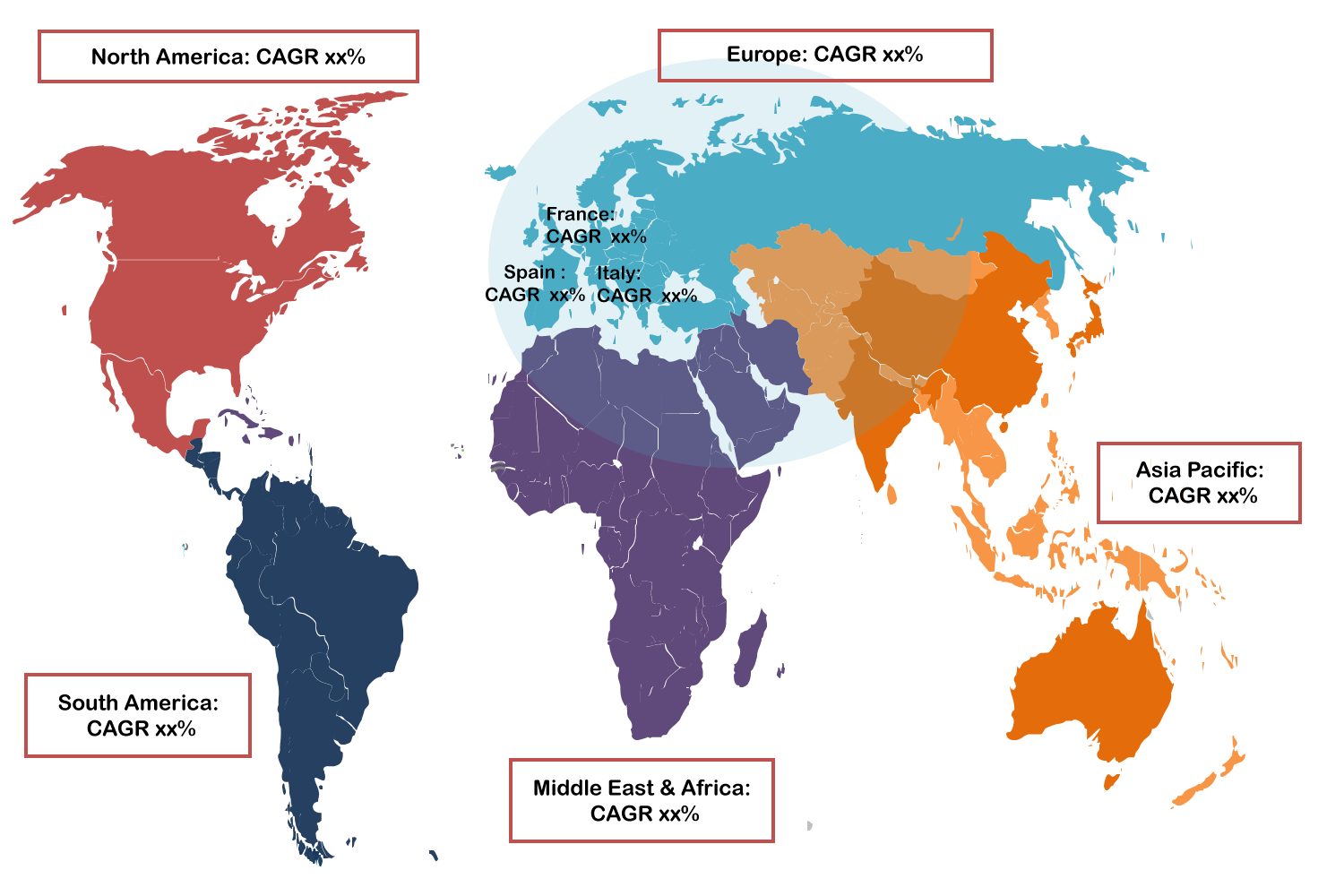
During the forecast period, the North America region is expected to hold the largest market share, anchored by early-mover advantages in the United States. Strong government support through initiatives like the Grid Modernization Initiative and a robust ecosystem of tech-driven energy startups have positioned the region at the forefront. The high penetration of smart meters and a mature regulatory appetite for pilot projects, particularly in states like California and New York, provide fertile ground for large-scale deployments.
Region with highest CAGR:
Over the forecast period, the Europe region is anticipated to exhibit the highest CAGR, propelled by the European Union’s ambitious "Fit for 55" package and the Clean Energy for all Europeans legislative framework. These policies mandate the empowerment of energy communities and the integration of renewable sources at a granular level. With a strong cultural shift toward community-owned energy projects and high electricity prices, European consumers and businesses are rapidly adopting P2P trading platforms. Countries like Germany, the Netherlands, and the UK are leading this growth by streamlining regulations to allow decentralized market participation.
Key players in the market
Some of the key players in Transactive Energy Market include Siemens AG, IBM Corporation, Power Ledger, LO3 Energy, Energy Web Foundation, Electron, GridPlus, Grid Singularity, Autogrid Systems, Opus One Solutions, Drift Marketplace, Enbala, Centrica plc, Tata Power, Schneider Electric, and Accenture plc.
Key Developments:
In December 2025, Centrica plc announced its Climate Transition Plan, committing to net-zero by 2040 and exploring decentralized energy trading models to empower customers in transactive energy ecosystems.
In December 2025, IBM Corporation released its Utilities Industry Insights, highlighting AI-driven smart grid orchestration to support transactive energy models and optimize distributed energy resource participation.
Components Covered:
• Software & Platforms
• Hardware
• Services
Technologies Covered:
• Blockchain & Decentralized Identifiers (DIDs)
• AI & Machine Learning
• Edge Computing
• Cloud Computing & Digital Twins
• Big Data & Predictive Analytics
Applications Covered:
• Peer-to-Peer (P2P) Energy Trading
• Virtual Power Plants (VPPs) Integration
• Distribution Grid Management
• Demand Response
• Electric Vehicle (EV) Charging & V2G
• Microgrids
• Other Applications
End Users Covered:
• Residential
• Commercial
• Industrial
• Utilities
Regions Covered:
• North America
o US
o Canada
o Mexico
• Europe
o Germany
o UK
o Italy
o France
o Spain
o Rest of Europe
• Asia Pacific
o Japan
o China
o India
o Australia
o New Zealand
o South Korea
o Rest of Asia Pacific
• South America
o Argentina
o Brazil
o Chile
o Rest of South America
• Middle East & Africa
o Saudi Arabia
o UAE
o Qatar
o South Africa
o Rest of Middle East & Africa
What our report offers:
- Market share assessments for the regional and country-level segments
- Strategic recommendations for the new entrants
- Covers Market data for the years 2023, 2024, 2025, 2026, 2027, 2028, 2030, 2032 and 2034
- Market Trends (Drivers, Constraints, Opportunities, Threats, Challenges, Investment Opportunities, and recommendations)
- Strategic recommendations in key business segments based on the market estimations
- Competitive landscaping mapping the key common trends
- Company profiling with detailed strategies, financials, and recent developments
- Supply chain trends mapping the latest technological advancements
Free Customization Offerings:
All the customers of this report will be entitled to receive one of the following free customization options:
• Company Profiling
o Comprehensive profiling of additional market players (up to 3)
o SWOT Analysis of key players (up to 3)
• Regional Segmentation
o Market estimations, Forecasts and CAGR of any prominent country as per the client's interest (Note: Depends on feasibility check)
• Competitive Benchmarking
o Benchmarking of key players based on product portfolio, geographical presence, and strategic alliances
Table of Contents
1 Executive Summary
2 Preface
2.1 Abstract
2.2 Stake Holders
2.3 Research Scope
2.4 Research Methodology
2.4.1 Data Mining
2.4.2 Data Analysis
2.4.3 Data Validation
2.4.4 Research Approach
2.5 Research Sources
2.5.1 Primary Research Sources
2.5.2 Secondary Research Sources
2.5.3 Assumptions
3 Market Trend Analysis
3.1 Introduction
3.2 Drivers
3.3 Restraints
3.4 Opportunities
3.5 Threats
3.6 Technology Analysis
3.7 Application Analysis
3.8 End User Analysis
3.9 Emerging Markets
3.10 Impact of Covid-19
4 Porters Five Force Analysis
4.1 Bargaining power of suppliers
4.2 Bargaining power of buyers
4.3 Threat of substitutes
4.4 Threat of new entrants
4.5 Competitive rivalry
5 Global Transactive Energy Market, By Component
5.1 Introduction
5.2 Software & Platforms
5.2.1 Distributed Ledger Technology (DLT) & Smart Contracts
5.2.2 Energy Trading Platforms & Customer Portals
5.2.3 Cybersecurity & Data Sovereignty Solutions
5.3 Hardware
5.3.1 Smart Meters & Advanced Metering Infrastructure
5.3.2 IoT Gateways & Edge Computing Nodes
5.3.3 Bi-directional Inverters & Smart Controllers
5.4 Services
5.4.1 Consulting & Advisory
5.4.2 System Integration & Deployment
5.4.3 Managed Services, Maintenance & Support
6 Global Transactive Energy Market, By Technology
6.1 Introduction
6.2 Blockchain & Decentralized Identifiers (DIDs)
6.3 AI & Machine Learning
6.4 Edge Computing
6.5 Cloud Computing & Digital Twins
6.6 Big Data & Predictive Analytics
7 Global Transactive Energy Market, By Application
7.1 Introduction
7.2 Peer-to-Peer (P2P) Energy Trading
7.3 Virtual Power Plants (VPPs) Integration
7.4 Distribution Grid Management
7.5 Demand Response
7.6 Electric Vehicle (EV) Charging & V2G
7.7 Microgrids
7.8 Other Applications
8 Global Transactive Energy Market, By End User
8.1 Introduction
8.2 Residential
8.3 Commercial
8.4 Industrial
8.5 Utilities
9 Global Transactive Energy Market, By Geography
9.1 Introduction
9.2 North America
9.2.1 US
9.2.2 Canada
9.2.3 Mexico
9.3 Europe
9.3.1 Germany
9.3.2 UK
9.3.3 Italy
9.3.4 France
9.3.5 Spain
9.3.6 Rest of Europe
9.4 Asia Pacific
9.4.1 Japan
9.4.2 China
9.4.3 India
9.4.4 Australia
9.4.5 New Zealand
9.4.6 South Korea
9.4.7 Rest of Asia Pacific
9.5 South America
9.5.1 Argentina
9.5.2 Brazil
9.5.3 Chile
9.5.4 Rest of South America
9.6 Middle East & Africa
9.6.1 Saudi Arabia
9.6.2 UAE
9.6.3 Qatar
9.6.4 South Africa
9.6.5 Rest of Middle East & Africa
10 Key Developments
10.1 Agreements, Partnerships, Collaborations and Joint Ventures
10.2 Acquisitions & Mergers
10.3 New Product Launch
10.4 Expansions
10.5 Other Key Strategies
11 Company Profiling
11.1 Siemens AG
11.2 IBM Corporation
11.3 Power Ledger
11.4 LO3 Energy
11.5 Energy Web Foundation
11.6 Electron
11.7 GridPlus
11.8 Grid Singularity
11.9 Autogrid Systems
11.10 Opus One Solutions
11.11 Drift Marketplace
11.12 Enbala
11.13 Centrica plc
11.14 Tata Power
11.15 Schneider Electric
11.16 Accenture plc.
List of Tables
1 Global Transactive Energy Market Outlook, By Region (2023–2034) ($MN)
2 Global Transactive Energy Market Outlook, By Component (2023–2034) ($MN)
3 Global Transactive Energy Market Outlook, By Software & Platforms (2023–2034) ($MN)
4 Global Transactive Energy Market Outlook, By Distributed Ledger Technology & Smart Contracts (2023–2034) ($MN)
5 Global Transactive Energy Market Outlook, By Energy Trading Platforms & Customer Portals (2023–2034) ($MN)
6 Global Transactive Energy Market Outlook, By Cybersecurity & Data Sovereignty Solutions (2023–2034) ($MN)
7 Global Transactive Energy Market Outlook, By Hardware (2023–2034) ($MN)
8 Global Transactive Energy Market Outlook, By Smart Meters & Advanced Metering Infrastructure (2023–2034) ($MN)
9 Global Transactive Energy Market Outlook, By IoT Gateways & Edge Computing Nodes (2023–2034) ($MN)
10 Global Transactive Energy Market Outlook, By Bi-directional Inverters & Smart Controllers (2023–2034) ($MN)
11 Global Transactive Energy Market Outlook, By Services (2023–2034) ($MN)
12 Global Transactive Energy Market Outlook, By Consulting & Advisory (2023–2034) ($MN)
13 Global Transactive Energy Market Outlook, By System Integration & Deployment (2023–2034) ($MN)
14 Global Transactive Energy Market Outlook, By Managed Services, Maintenance & Support (2023–2034) ($MN)
15 Global Transactive Energy Market Outlook, By Technology (2023–2034) ($MN)
16 Global Transactive Energy Market Outlook, By Blockchain & Decentralized Identifiers (2023–2034) ($MN)
17 Global Transactive Energy Market Outlook, By AI & Machine Learning (2023–2034) ($MN)
18 Global Transactive Energy Market Outlook, By Edge Computing (2023–2034) ($MN)
19 Global Transactive Energy Market Outlook, By Cloud Computing & Digital Twins (2023–2034) ($MN)
20 Global Transactive Energy Market Outlook, By Big Data & Predictive Analytics (2023–2034) ($MN)
21 Global Transactive Energy Market Outlook, By Application (2023–2034) ($MN)
22 Global Transactive Energy Market Outlook, By Peer-to-Peer Energy Trading (2023–2034) ($MN)
23 Global Transactive Energy Market Outlook, By Virtual Power Plants Integration (2023–2034) ($MN)
24 Global Transactive Energy Market Outlook, By Distribution Grid Management (2023–2034) ($MN)
25 Global Transactive Energy Market Outlook, By Demand Response (2023–2034) ($MN)
26 Global Transactive Energy Market Outlook, By Electric Vehicle Charging & V2G (2023–2034) ($MN)
27 Global Transactive Energy Market Outlook, By Microgrids (2023–2034) ($MN)
28 Global Transactive Energy Market Outlook, By Other Applications (2023–2034) ($MN)
29 Global Transactive Energy Market Outlook, By End User (2023–2034) ($MN)
30 Global Transactive Energy Market Outlook, By Residential (2023–2034) ($MN)
31 Global Transactive Energy Market Outlook, By Commercial (2023–2034) ($MN)
32 Global Transactive Energy Market Outlook, By Industrial (2023–2034) ($MN)
33 Global Transactive Energy Market Outlook, By Utilities (2023–2034) ($MN)
Note: Tables for North America, Europe, APAC, South America, and Middle East & Africa Regions are also represented in the same manner as above.
List of Figures
RESEARCH METHODOLOGY

We at ‘Stratistics’ opt for an extensive research approach which involves data mining, data validation, and data analysis. The various research sources include in-house repository, secondary research, competitor’s sources, social media research, client internal data, and primary research.
Our team of analysts prefers the most reliable and authenticated data sources in order to perform the comprehensive literature search. With access to most of the authenticated data bases our team highly considers the best mix of information through various sources to obtain extensive and accurate analysis.
Each report takes an average time of a month and a team of 4 industry analysts. The time may vary depending on the scope and data availability of the desired market report. The various parameters used in the market assessment are standardized in order to enhance the data accuracy.
Data Mining
The data is collected from several authenticated, reliable, paid and unpaid sources and is filtered depending on the scope & objective of the research. Our reports repository acts as an added advantage in this procedure. Data gathering from the raw material suppliers, distributors and the manufacturers is performed on a regular basis, this helps in the comprehensive understanding of the products value chain. Apart from the above mentioned sources the data is also collected from the industry consultants to ensure the objective of the study is in the right direction.
Market trends such as technological advancements, regulatory affairs, market dynamics (Drivers, Restraints, Opportunities and Challenges) are obtained from scientific journals, market related national & international associations and organizations.
Data Analysis
From the data that is collected depending on the scope & objective of the research the data is subjected for the analysis. The critical steps that we follow for the data analysis include:
- Product Lifecycle Analysis
- Competitor analysis
- Risk analysis
- Porters Analysis
- PESTEL Analysis
- SWOT Analysis
The data engineering is performed by the core industry experts considering both the Marketing Mix Modeling and the Demand Forecasting. The marketing mix modeling makes use of multiple-regression techniques to predict the optimal mix of marketing variables. Regression factor is based on a number of variables and how they relate to an outcome such as sales or profits.
Data Validation
The data validation is performed by the exhaustive primary research from the expert interviews. This includes telephonic interviews, focus groups, face to face interviews, and questionnaires to validate our research from all aspects. The industry experts we approach come from the leading firms, involved in the supply chain ranging from the suppliers, distributors to the manufacturers and consumers so as to ensure an unbiased analysis.
We are in touch with more than 15,000 industry experts with the right mix of consultants, CEO's, presidents, vice presidents, managers, experts from both supply side and demand side, executives and so on.
The data validation involves the primary research from the industry experts belonging to:
- Leading Companies
- Suppliers & Distributors
- Manufacturers
- Consumers
- Industry/Strategic Consultants
Apart from the data validation the primary research also helps in performing the fill gap research, i.e. providing solutions for the unmet needs of the research which helps in enhancing the reports quality.
For more details about research methodology, kindly write to us at info@strategymrc.com
Frequently Asked Questions
In case of any queries regarding this report, you can contact the customer service by filing the “Inquiry Before Buy” form available on the right hand side. You may also contact us through email: info@strategymrc.com or phone: +1-301-202-5929
Yes, the samples are available for all the published reports. You can request them by filling the “Request Sample” option available in this page.
Yes, you can request a sample with your specific requirements. All the customized samples will be provided as per the requirement with the real data masked.
All our reports are available in Digital PDF format. In case if you require them in any other formats, such as PPT, Excel etc you can submit a request through “Inquiry Before Buy” form available on the right hand side. You may also contact us through email: info@strategymrc.com or phone: +1-301-202-5929
We offer a free 15% customization with every purchase. This requirement can be fulfilled for both pre and post sale. You may send your customization requirements through email at info@strategymrc.com or call us on +1-301-202-5929.
We have 3 different licensing options available in electronic format.
- Single User Licence: Allows one person, typically the buyer, to have access to the ordered product. The ordered product cannot be distributed to anyone else.
- 2-5 User Licence: Allows the ordered product to be shared among a maximum of 5 people within your organisation.
- Corporate License: Allows the product to be shared among all employees of your organisation regardless of their geographical location.
All our reports are typically be emailed to you as an attachment.
To order any available report you need to register on our website. The payment can be made either through CCAvenue or PayPal payments gateways which accept all international cards.
We extend our support to 6 months post sale. A post sale customization is also provided to cover your unmet needs in the report.
Request Customization
We offer complimentary customization of up to 15% with every purchase. To share your customization requirements, feel free to email us at info@strategymrc.com or call us on +1-301-202-5929. .
Please Note: Customization within the 15% threshold is entirely free of charge. If your request exceeds this limit, we will conduct a feasibility assessment. Following that, a detailed quote and timeline will be provided.
WHY CHOOSE US ?

Assured Quality
Best in class reports with high standard of research integrity

24X7 Research Support
Continuous support to ensure the best customer experience.

Free Customization
Adding more values to your product of interest.

Safe & Secure Access
Providing a secured environment for all online transactions.

Trusted by 600+ Brands
Serving the most reputed brands across the world.
