
Corporate Training And Upskilling Market
Corporate Training & Upskilling Market Forecasts to 2034 - Global Analysis By Training Type (Technical Training, Soft Skills Training, Compliance and Regulatory Training, Sales and Customer Service Training, and Functional Training), Delivery Mode, Organization Size, Technology, End User and By Geography

|
Years Covered |
2023-2034 |
|
Estimated Year Value (2026) |
US $400.0 BN |
|
Projected Year Value (2034) |
US $800.0 BN |
|
CAGR (2026-2034) |
10.0% |
|
Regions Covered |
North America, Europe, Asia Pacific, South America, and Middle East & Africa |
|
Countries Covered |
US, Canada, Mexico, Germany, UK, Italy, France, Spain, Japan, China, India, Australia, New Zealand, South Korea, Rest of Asia Pacific, South America, Argentina, Brazil, Chile, Middle East & Africa, Saudi Arabia, UAE, Qatar, and South Africa |
|
Largest Market |
North America |
|
Highest Growing Market |
Asia Pacific |
According to Stratistics MRC, the Global Corporate Training & Upskilling Market is accounted for $400.0 billion in 2026 and is expected to reach $800.0 billion by 2034 growing at a CAGR of 10.0% during the forecast period. Corporate Training & Upskilling is the process of delivering structured learning programs designed to enhance employees’ skills, knowledge, and capabilities in alignment with organizational objectives. It emphasizes developing technical, digital, leadership, and soft skills to improve performance, innovation, and workforce agility. Delivered through methods such as workshops, e-learning, mentoring, and experiential learning, and these initiatives help employees adapt to technological advancements, address skill gaps, support career growth, and enable organizations to maintain competitiveness in rapidly changing business environments.
Market Dynamics:
Driver:
Rapid technological advancements and digital transformation
The relentless pace of technological innovation, including the proliferation of Artificial Intelligence, cloud computing, and data analytics, is a primary driver for the corporate training market. Organizations across sectors must continuously upskill their workforce to effectively implement, manage, and leverage these new technologies. The shift towards automation and digitization of business processes creates a persistent skills gap, compelling companies to invest heavily in training programs. This ensures employee relevance, operational efficiency, and the ability to drive innovation, making learning and development a core strategic function for sustainable growth and competitiveness in a technology-centric economy.
Restraint:
High implementation costs and budget constraints
Costs associated with premium content creation, licensing for advanced Learning Management Systems (LMS), hiring expert trainers, and implementing technologies like VR/AR can be prohibitive, especially for Small and Medium Enterprises (SMEs). Additionally, measuring the direct Return on Investment (ROI) of training initiatives remains challenging, leading to budgetary scrutiny and potential cuts during economic downturns. These financial constraints can limit the adoption of comprehensive, high-quality upskilling solutions across organizations.
Opportunity:
Proliferation of AI and personalized learning pathways
AI enables the creation of hyper-personalized learning experiences by analyzing individual skill gaps, learning patterns, and career aspirations to recommend tailored content. This facilitates adaptive learning paths, improving engagement and knowledge retention. Furthermore, AI-powered analytics provide deep insights into training effectiveness, allowing for continuous optimization. The demand for scalable, personalized, and data-driven upskilling solutions is creating new avenues for vendors specializing in intelligent learning experience platforms and customized content delivery.
Threat:
Data privacy and security concerns
Corporate training systems often collect detailed information on employee performance, skill assessments, and behavioral analytics. This makes them attractive targets for cyberattacks, raising serious concerns about data breaches and privacy violations. Strict global regulations like GDPR and evolving data protection laws compel organizations to ensure robust cybersecurity measures, complicating platform selection and implementation. Failure to address these concerns can lead to legal repercussions, financial loss, and erosion of employee trust, hindering market adoption.
Covid-19 Impact:
The pandemic fundamentally accelerated the adoption of digital and remote learning models as in-person training halted. Organizations rapidly deployed virtual instructor-led training (VILT), e-learning modules, and collaborative online tools to maintain workforce development. This crisis underscored the critical need for agile, resilient, and scalable training solutions. It also highlighted skills gaps in digital literacy and remote collaboration. Post-pandemic, the market has sustained a strong preference for blended and flexible learning models, with continued investment in cloud-based platforms and microlearning to support hybrid work environments and just-in-time skill acquisition.
The technical training segment is expected to be the largest during the forecast period
The technical training segment is expected to account for the largest market share during the forecast period, driven by the critical need for skills in high-demand areas such as IT development, data analytics, AI/ML, cybersecurity, and cloud computing. The relentless digital transformation across all industry verticals necessitates continuous upskilling and reskilling of the technical workforce. Organizations are investing heavily to bridge the widening skills gap, ensure technological competency, and foster innovation.
The healthcare & life sciences segment is expected to have the highest CAGR during the forecast period
Over the forecast period, the healthcare & life sciences segment is predicted to witness the highest growth rate, driven by stringent regulatory demands, rapid technological integration, and the need for exceptional patient safety. Training focuses heavily on compliance (HIPAA, GxP), clinical protocol adherence, data privacy for electronic health records, and the use of advanced medical technologies like AI diagnostics and robotic surgery. Upskilling in digital literacy, telemedicine practices, and collaborative care models is essential to improve operational efficiency.
Region with largest share:
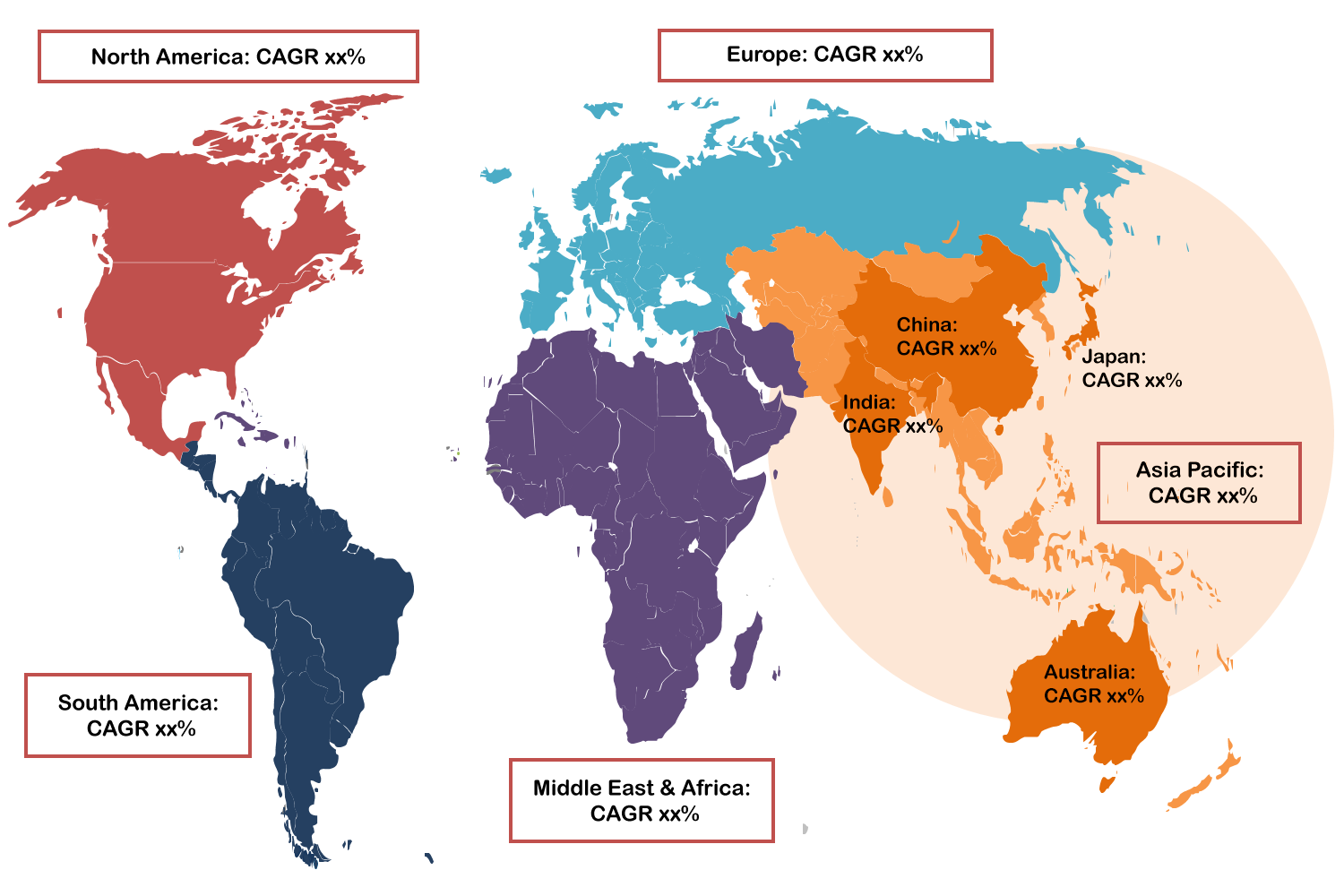
During the forecast period, the North America region is expected to hold the largest market share, attributed to the early and widespread adoption of advanced training technologies, the presence of a vast number of leading corporate training vendors and tech giants, and high corporate spending on employee development. Supportive organizational cultures that prioritize learning and development, coupled with robust digital infrastructure, further solidify North America's leading position in the global corporate training landscape.
Region with highest CAGR:
Over the forecast period, the Asia Pacific region is anticipated to exhibit the highest CAGR, fueled by the region's dynamic economic expansion, rapid digitalization, and the proliferation of SMEs and large enterprises investing in workforce modernization. Countries like India, China, and Japan are witnessing massive investments in digital skills training to support their growing IT, manufacturing, and service sectors. Government initiatives promoting digital literacy, coupled with a young, tech-savvy workforce eager to upskill, are key contributors.
Key players in the market
Some of the key players in Corporate Training & Upskilling Market include LinkedIn Learning, Coursera for Business, Udemy Business, Pluralsight, Skillsoft, Cornerstone OnDemand, SAP Litmos, Docebo, GP Strategies, FranklinCovey, Dale Carnegie Training, Microsoft Learn for Organizations, Google Cloud Training, IBM Training and Skills, and Emeritus Enterprise.
Key Developments:
In November 2025, Emeritus in collaboration with London Business School Executive Education, announces the launch of its six-month Global C-Suite Leadership Programme. Through a blend of in-person, online and live online learning modules, this programme empower C-suite leaders to drive sustainable growth at their organisations. This is done through inspiring trust and collaboration, gaining insights into AI and ESG factors and embedding adaptive and ethical practices.
In November 2025, Coursera announced two new Specializations from its new partner Anthropic, one of the world’s leading AI research companies. The two Specializations Building with the Claude API and Real-World AI for Everyone will teach developers and professionals how to effectively work with Claude, Anthropic’s trusted AI assistant. As AI reshapes industries worldwide, only one-third of employees say they’ve received training on how to work effectively with AI, according to Boston Consulting Group.
Training Types Covered:
• Technical Training
• Soft Skills Training
• Compliance and Regulatory Training
• Sales and Customer Service Training
• Functional Training
Delivery Modes Covered:
• Instructor-Led Training (ILT)
• E-Learning and Self-Paced Online Learning
• Blended/Hybrid Learning
• Mobile Learning
• Microlearning Platforms
Organization Sizes Covered:
• Small and Medium Enterprises (SMEs)
• Large Enterprises
Technologies Covered:
• Learning Management Systems (LMS)
• Learning Experience Platforms (LXP)
• AI-Powered Learning and Recommendation Engines
• Virtual Reality (VR) and Augmented Reality (AR)
• Gamification and Simulation-Based Training
• Analytics and Learning Measurement Tools
End Users Covered:
• IT and Telecommunications
• Banking, Financial Services, and Insurance (BFSI)
• Healthcare and Life Sciences
• Manufacturing and Automotive
• Retail and E-commerce
• Energy and Utilities
• Government and Public Sector
• Other End Users
Regions Covered:
• North America
o United States
o Canada
o Mexico
• Europe
o United Kingdom
o Germany
o France
o Italy
o Spain
o Netherlands
o Belgium
o Sweden
o Switzerland
o Poland
o Rest of Europe
• Asia Pacific
o China
o Japan
o India
o South Korea
o Australia
o Indonesia
o Thailand
o Malaysia
o Singapore
o Vietnam
o Rest of Asia Pacific
• South America
o Brazil
o Argentina
o Colombia
o Chile
o Peru
o Rest of South America
• Rest of the World (RoW)
o Middle East
§ Saudi Arabia
§ United Arab Emirates
§ Qatar
§ Israel
§ Rest of Middle East
o Africa
§ South Africa
§ Egypt
§ Morocco
§ Rest of Africa
What our report offers:
- Market share assessments for the regional and country-level segments
- Strategic recommendations for the new entrants
- Covers Market data for the years 2023, 2024, 2025, 2026, 2027, 2028, 2030, 2032 and 2034
- Market Trends (Drivers, Constraints, Opportunities, Threats, Challenges, Investment Opportunities, and recommendations)
- Strategic recommendations in key business segments based on the market estimations
- Competitive landscaping mapping the key common trends
- Company profiling with detailed strategies, financials, and recent developments
- Supply chain trends mapping the latest technological advancements
Free Customization Offerings:
All the customers of this report will be entitled to receive one of the following free customization options:
• Company Profiling
o Comprehensive profiling of additional market players (up to 3)
o SWOT Analysis of key players (up to 3)
• Regional Segmentation
o Market estimations, Forecasts and CAGR of any prominent country as per the client's interest (Note: Depends on feasibility check)
• Competitive Benchmarking
o Benchmarking of key players based on product portfolio, geographical presence, and strategic alliances
Table of Contents
1 Executive Summary
1.1 Market Snapshot and Key Highlights
1.2 Growth Drivers, Challenges, and Opportunities
1.3 Competitive Landscape Overview
1.4 Strategic Insights and Recommendations
2 Research Framework
2.1 Study Objectives and Scope
2.2 Stakeholder Analysis
2.3 Research Assumptions and Limitations
2.4 Research Methodology
2.4.1 Data Collection (Primary and Secondary)
2.4.2 Data Modeling and Estimation Techniques
2.4.3 Data Validation and Triangulation
2.4.4 Analytical and Forecasting Approach
3 Market Dynamics and Trend Analysis
3.1 Market Definition and Structure
3.2 Key Market Drivers
3.3 Market Restraints and Challenges
3.4 Growth Opportunities and Investment Hotspots
3.5 Industry Threats and Risk Assessment
3.6 Technology and Innovation Landscape
3.7 Emerging and High-Growth Markets
3.8 Regulatory and Policy Environment
3.9 Impact of COVID-19 and Recovery Outlook
4 Competitive and Strategic Assessment
4.1 Porter's Five Forces Analysis
4.1.1 Supplier Bargaining Power
4.1.2 Buyer Bargaining Power
4.1.3 Threat of Substitutes
4.1.4 Threat of New Entrants
4.1.5 Competitive Rivalry
4.2 Market Share Analysis of Key Players
4.3 Product Benchmarking and Performance Comparison
5 Global Corporate Training & Upskilling Market, By Training Type
5.1 Technical Training
5.1.1 IT and Software Development
5.1.2 Data Analytics and AI/ML
5.1.3 Cybersecurity
5.1.4 Cloud Computing
5.1.5 Engineering and R&D
5.2 Soft Skills Training
5.2.1 Leadership and Management
5.2.2 Communication and Collaboration
5.2.3 Emotional Intelligence (EQ)
5.2.4 Critical Thinking and Problem-Solving
5.2.5 Change Management
5.3 Compliance and Regulatory Training
5.3.1 Workplace Safety
5.3.2 Diversity, Equity, and Inclusion (DEI)
5.3.3 Data Privacy
5.3.4 Industry-Specific Compliance
5.4 Sales and Customer Service Training
5.5 Functional Training
5.5.1 Finance and Accounting
5.5.2 Marketing and Digital Literacy
5.5.3 Supply Chain and Operations
5.5.4 Human Resources and Talent Management
6 Global Corporate Training & Upskilling Market, By Delivery Mode
6.1 Instructor-Led Training (ILT)
6.1.1 Classroom-Based
6.1.2 Virtual Instructor-Led Training (VILT)
6.2 E-Learning and Self-Paced Online Learning
6.3 Blended/Hybrid Learning
6.4 Mobile Learning
6.5 Microlearning Platforms
7 Global Corporate Training & Upskilling Market, By Organization Size
7.1 Small and Medium Enterprises (SMEs)
7.2 Large Enterprises
8 Global Corporate Training & Upskilling Market, By Technology
8.1 Learning Management Systems (LMS)
8.2 Learning Experience Platforms (LXP)
8.3 AI-Powered Learning and Recommendation Engines
8.4 Virtual Reality (VR) and Augmented Reality (AR)
8.5 Gamification and Simulation-Based Training
8.6 Analytics and Learning Measurement Tools
9 Global Corporate Training & Upskilling Market, By End User
9.1 IT and Telecommunications
9.2 Banking, Financial Services, and Insurance (BFSI)
9.3 Healthcare and Life Sciences
9.4 Manufacturing and Automotive
9.5 Retail and E-commerce
9.6 Energy and Utilities
9.7 Government and Public Sector
9.8 Other End Users
10 Global Corporate Training & Upskilling Market, By Geography
10.1 North America
10.1.1 United States
10.1.2 Canada
10.1.3 Mexico
10.2 Europe
10.2.1 United Kingdom
10.2.2 Germany
10.2.3 France
10.2.4 Italy
10.2.5 Spain
10.2.6 Netherlands
10.2.7 Belgium
10.2.8 Sweden
10.2.9 Switzerland
10.2.10 Poland
10.2.11 Rest of Europe
10.3 Asia Pacific
10.3.1 China
10.3.2 Japan
10.3.3 India
10.3.4 South Korea
10.3.5 Australia
10.3.6 Indonesia
10.3.7 Thailand
10.3.8 Malaysia
10.3.9 Singapore
10.3.10 Vietnam
10.3.11 Rest of Asia Pacific
10.4 South America
10.4.1 Brazil
10.4.2 Argentina
10.4.3 Colombia
10.4.4 Chile
10.4.5 Peru
10.4.6 Rest of South America
10.5 Rest of the World (RoW)
10.5.1 Middle East
10.5.1.1 Saudi Arabia
10.5.1.2 United Arab Emirates
10.5.1.3 Qatar
10.5.1.4 Israel
10.5.1.5 Rest of Middle East
10.5.2 Africa
10.5.2.1 South Africa
10.5.2.2 Egypt
10.5.2.3 Morocco
10.5.2.4 Rest of Africa
11 Strategic Market Intelligence
11.1 Industry Value Network and Supply Chain Assessment
11.2 White-Space and Opportunity Mapping
11.3 Product Evolution and Market Life Cycle Analysis
11.4 Channel, Distributor, and Go-to-Market Assessment
12 Industry Developments and Strategic Initiatives
12.1 Mergers and Acquisitions
12.2 Partnerships, Alliances, and Joint Ventures
12.3 New Product Launches and Certifications
12.4 Capacity Expansion and Investments
12.5 Other Strategic Initiatives
13 Company Profiles
13.1 LinkedIn Learning
13.2 Coursera for Business
13.3 Udemy Business
13.4 Pluralsight
13.5 Skillsoft
13.6 Cornerstone OnDemand
13.7 SAP Litmos
13.8 Docebo
13.9 GP Strategies
13.10 FranklinCovey
13.11 Dale Carnegie Training
13.12 Microsoft Learn for Organizations
13.13 Google Cloud Training
13.14 IBM Training and Skills
13.15 Emeritus Enterprise
List of Tables
1 Global Corporate Training & Upskilling Market Outlook, By Region (2023-2034) ($MN)
2 Global Corporate Training & Upskilling Market Outlook, By Training Type (2023-2034) ($MN)
3 Global Corporate Training & Upskilling Market Outlook, By Technical Training (2023-2034) ($MN)
4 Global Corporate Training & Upskilling Market Outlook, By IT and Software Development (2023-2034) ($MN)
5 Global Corporate Training & Upskilling Market Outlook, By Data Analytics and AI/ML (2023-2034) ($MN)
6 Global Corporate Training & Upskilling Market Outlook, By Cybersecurity (2023-2034) ($MN)
7 Global Corporate Training & Upskilling Market Outlook, By Cloud Computing (2023-2034) ($MN)
8 Global Corporate Training & Upskilling Market Outlook, By Engineering and R&D (2023-2034) ($MN)
9 Global Corporate Training & Upskilling Market Outlook, By Soft Skills Training (2023-2034) ($MN)
10 Global Corporate Training & Upskilling Market Outlook, By Leadership and Management (2023-2034) ($MN)
11 Global Corporate Training & Upskilling Market Outlook, By Communication and Collaboration (2023-2034) ($MN)
12 Global Corporate Training & Upskilling Market Outlook, By Emotional Intelligence (EQ) (2023-2034) ($MN)
13 Global Corporate Training & Upskilling Market Outlook, By Critical Thinking and Problem-Solving (2023-2034) ($MN)
14 Global Corporate Training & Upskilling Market Outlook, By Change Management (2023-2034) ($MN)
15 Global Corporate Training & Upskilling Market Outlook, By Compliance and Regulatory Training (2023-2034) ($MN)
16 Global Corporate Training & Upskilling Market Outlook, By Workplace Safety (2023-2034) ($MN)
17 Global Corporate Training & Upskilling Market Outlook, By Diversity, Equity, and Inclusion (DEI) (2023-2034) ($MN)
18 Global Corporate Training & Upskilling Market Outlook, By Data Privacy (2023-2034) ($MN)
19 Global Corporate Training & Upskilling Market Outlook, By Industry-Specific Compliance (2023-2034) ($MN)
20 Global Corporate Training & Upskilling Market Outlook, By Sales and Customer Service Training (2023-2034) ($MN)
21 Global Corporate Training & Upskilling Market Outlook, By Functional Training (2023-2034) ($MN)
22 Global Corporate Training & Upskilling Market Outlook, By Finance and Accounting (2023-2034) ($MN)
23 Global Corporate Training & Upskilling Market Outlook, By Marketing and Digital Literacy (2023-2034) ($MN)
24 Global Corporate Training & Upskilling Market Outlook, By Supply Chain and Operations (2023-2034) ($MN)
25 Global Corporate Training & Upskilling Market Outlook, By Human Resources and Talent Management (2023-2034) ($MN)
26 Global Corporate Training & Upskilling Market Outlook, By Delivery Mode (2023-2034) ($MN)
27 Global Corporate Training & Upskilling Market Outlook, By Instructor-Led Training (ILT) (2023-2034) ($MN)
28 Global Corporate Training & Upskilling Market Outlook, By Classroom-Based (2023-2034) ($MN)
29 Global Corporate Training & Upskilling Market Outlook, By Virtual Instructor-Led Training (VILT) (2023-2034) ($MN)
30 Global Corporate Training & Upskilling Market Outlook, By E-Learning and Self-Paced Online Learning (2023-2034) ($MN)
31 Global Corporate Training & Upskilling Market Outlook, By Blended/Hybrid Learning (2023-2034) ($MN)
32 Global Corporate Training & Upskilling Market Outlook, By Mobile Learning (2023-2034) ($MN)
33 Global Corporate Training & Upskilling Market Outlook, By Microlearning Platforms (2023-2034) ($MN)
34 Global Corporate Training & Upskilling Market Outlook, By Organization Size (2023-2034) ($MN)
35 Global Corporate Training & Upskilling Market Outlook, By Small and Medium Enterprises (SMEs) (2023-2034) ($MN)
36 Global Corporate Training & Upskilling Market Outlook, By Large Enterprises (2023-2034) ($MN)
37 Global Corporate Training & Upskilling Market Outlook, By Technology (2023-2034) ($MN)
38 Global Corporate Training & Upskilling Market Outlook, By Learning Management Systems (LMS) (2023-2034) ($MN)
39 Global Corporate Training & Upskilling Market Outlook, By Learning Experience Platforms (LXP) (2023-2034) ($MN)
40 Global Corporate Training & Upskilling Market Outlook, By AI-Powered Learning and Recommendation Engines (2023-2034) ($MN)
41 Global Corporate Training & Upskilling Market Outlook, By Virtual Reality (VR) and Augmented Reality (AR) (2023-2034) ($MN)
42 Global Corporate Training & Upskilling Market Outlook, By Gamification and Simulation-Based Training (2023-2034) ($MN)
43 Global Corporate Training & Upskilling Market Outlook, By Analytics and Learning Measurement Tools (2023-2034) ($MN)
44 Global Corporate Training & Upskilling Market Outlook, By End User (2023-2034) ($MN)
45 Global Corporate Training & Upskilling Market Outlook, By IT and Telecommunications (2023-2034) ($MN)
46 Global Corporate Training & Upskilling Market Outlook, By Banking, Financial Services, and Insurance (BFSI) (2023-2034) ($MN)
47 Global Corporate Training & Upskilling Market Outlook, By Healthcare and Life Sciences (2023-2034) ($MN)
48 Global Corporate Training & Upskilling Market Outlook, By Manufacturing and Automotive (2023-2034) ($MN)
49 Global Corporate Training & Upskilling Market Outlook, By Retail and E-commerce (2023-2034) ($MN)
50 Global Corporate Training & Upskilling Market Outlook, By Energy and Utilities (2023-2034) ($MN)
51 Global Corporate Training & Upskilling Market Outlook, By Government and Public Sector (2023-2034) ($MN)
52 Global Corporate Training & Upskilling Market Outlook, By Other End Users (2023-2034) ($MN)
Note: Tables for North America, Europe, APAC, South America, and Rest of the World (RoW) are also represented in the same manner as above.
List of Figures
RESEARCH METHODOLOGY

We at ‘Stratistics’ opt for an extensive research approach which involves data mining, data validation, and data analysis. The various research sources include in-house repository, secondary research, competitor’s sources, social media research, client internal data, and primary research.
Our team of analysts prefers the most reliable and authenticated data sources in order to perform the comprehensive literature search. With access to most of the authenticated data bases our team highly considers the best mix of information through various sources to obtain extensive and accurate analysis.
Each report takes an average time of a month and a team of 4 industry analysts. The time may vary depending on the scope and data availability of the desired market report. The various parameters used in the market assessment are standardized in order to enhance the data accuracy.
Data Mining
The data is collected from several authenticated, reliable, paid and unpaid sources and is filtered depending on the scope & objective of the research. Our reports repository acts as an added advantage in this procedure. Data gathering from the raw material suppliers, distributors and the manufacturers is performed on a regular basis, this helps in the comprehensive understanding of the products value chain. Apart from the above mentioned sources the data is also collected from the industry consultants to ensure the objective of the study is in the right direction.
Market trends such as technological advancements, regulatory affairs, market dynamics (Drivers, Restraints, Opportunities and Challenges) are obtained from scientific journals, market related national & international associations and organizations.
Data Analysis
From the data that is collected depending on the scope & objective of the research the data is subjected for the analysis. The critical steps that we follow for the data analysis include:
- Product Lifecycle Analysis
- Competitor analysis
- Risk analysis
- Porters Analysis
- PESTEL Analysis
- SWOT Analysis
The data engineering is performed by the core industry experts considering both the Marketing Mix Modeling and the Demand Forecasting. The marketing mix modeling makes use of multiple-regression techniques to predict the optimal mix of marketing variables. Regression factor is based on a number of variables and how they relate to an outcome such as sales or profits.
Data Validation
The data validation is performed by the exhaustive primary research from the expert interviews. This includes telephonic interviews, focus groups, face to face interviews, and questionnaires to validate our research from all aspects. The industry experts we approach come from the leading firms, involved in the supply chain ranging from the suppliers, distributors to the manufacturers and consumers so as to ensure an unbiased analysis.
We are in touch with more than 15,000 industry experts with the right mix of consultants, CEO's, presidents, vice presidents, managers, experts from both supply side and demand side, executives and so on.
The data validation involves the primary research from the industry experts belonging to:
- Leading Companies
- Suppliers & Distributors
- Manufacturers
- Consumers
- Industry/Strategic Consultants
Apart from the data validation the primary research also helps in performing the fill gap research, i.e. providing solutions for the unmet needs of the research which helps in enhancing the reports quality.
For more details about research methodology, kindly write to us at info@strategymrc.com
Frequently Asked Questions
In case of any queries regarding this report, you can contact the customer service by filing the “Inquiry Before Buy” form available on the right hand side. You may also contact us through email: info@strategymrc.com or phone: +1-301-202-5929
Yes, the samples are available for all the published reports. You can request them by filling the “Request Sample” option available in this page.
Yes, you can request a sample with your specific requirements. All the customized samples will be provided as per the requirement with the real data masked.
All our reports are available in Digital PDF format. In case if you require them in any other formats, such as PPT, Excel etc you can submit a request through “Inquiry Before Buy” form available on the right hand side. You may also contact us through email: info@strategymrc.com or phone: +1-301-202-5929
We offer a free 15% customization with every purchase. This requirement can be fulfilled for both pre and post sale. You may send your customization requirements through email at info@strategymrc.com or call us on +1-301-202-5929.
We have 3 different licensing options available in electronic format.
- Single User Licence: Allows one person, typically the buyer, to have access to the ordered product. The ordered product cannot be distributed to anyone else.
- 2-5 User Licence: Allows the ordered product to be shared among a maximum of 5 people within your organisation.
- Corporate License: Allows the product to be shared among all employees of your organisation regardless of their geographical location.
All our reports are typically be emailed to you as an attachment.
To order any available report you need to register on our website. The payment can be made either through CCAvenue or PayPal payments gateways which accept all international cards.
We extend our support to 6 months post sale. A post sale customization is also provided to cover your unmet needs in the report.
Request Customization
We offer complimentary customization of up to 15% with every purchase. To share your customization requirements, feel free to email us at info@strategymrc.com or call us on +1-301-202-5929. .
Please Note: Customization within the 15% threshold is entirely free of charge. If your request exceeds this limit, we will conduct a feasibility assessment. Following that, a detailed quote and timeline will be provided.
WHY CHOOSE US ?

Assured Quality
Best in class reports with high standard of research integrity

24X7 Research Support
Continuous support to ensure the best customer experience.

Free Customization
Adding more values to your product of interest.

Safe & Secure Access
Providing a secured environment for all online transactions.

Trusted by 600+ Brands
Serving the most reputed brands across the world.
